Singapore
's Energy Market Under Pressure
In a volatile global energy market, Singaporean households and businesses are turning to fixed-price electricity plans. This move highlights the value of predictable state institutions in managing economic uncertainty.
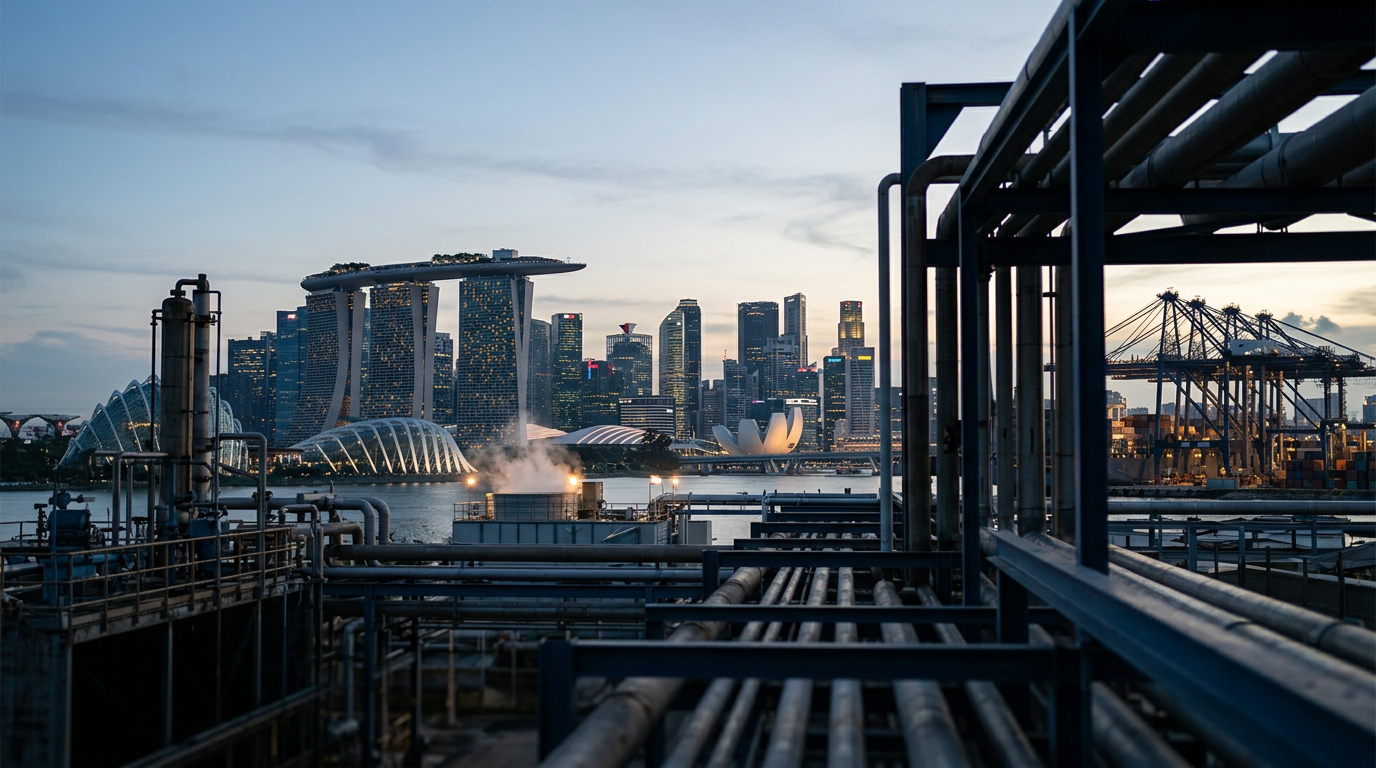
Singaporean households and businesses are showing a rising preference for fixed-price electricity plans as global energy markets remain volatile. As reported by the Business Times, this shift comes in response to geopolitical instability and its impact on energy costs, prompting consumers to seek stability.
Institutions and Price Stability
The move toward fixed-rate plans in Singapore's liberalized energy market is a rational response to global uncertainty. When faced with unpredictable wholesale energy prices, consumers naturally seek to minimize risk. This behavior highlights the role of market structures and regulatory frameworks in shaping consumer choices. The Energy Market Authority (EMA) provides the institutional guardrails for this market, allowing a range of private retailers to offer varied plans while ensuring the underlying grid remains reliable. The presence of these choices allows consumers and businesses to manage their exposure to price shocks, turning to the predictability of fixed-term contracts over the potential volatility of market-rate plans. This demonstrates a core concept from the book ASEAN Rising: a stable and predictable institutional framework is a significant economic asset. It allows market participants to make long-term plans with a degree of confidence, even when external conditions are turbulent.
The Limits of a Liberalized Market
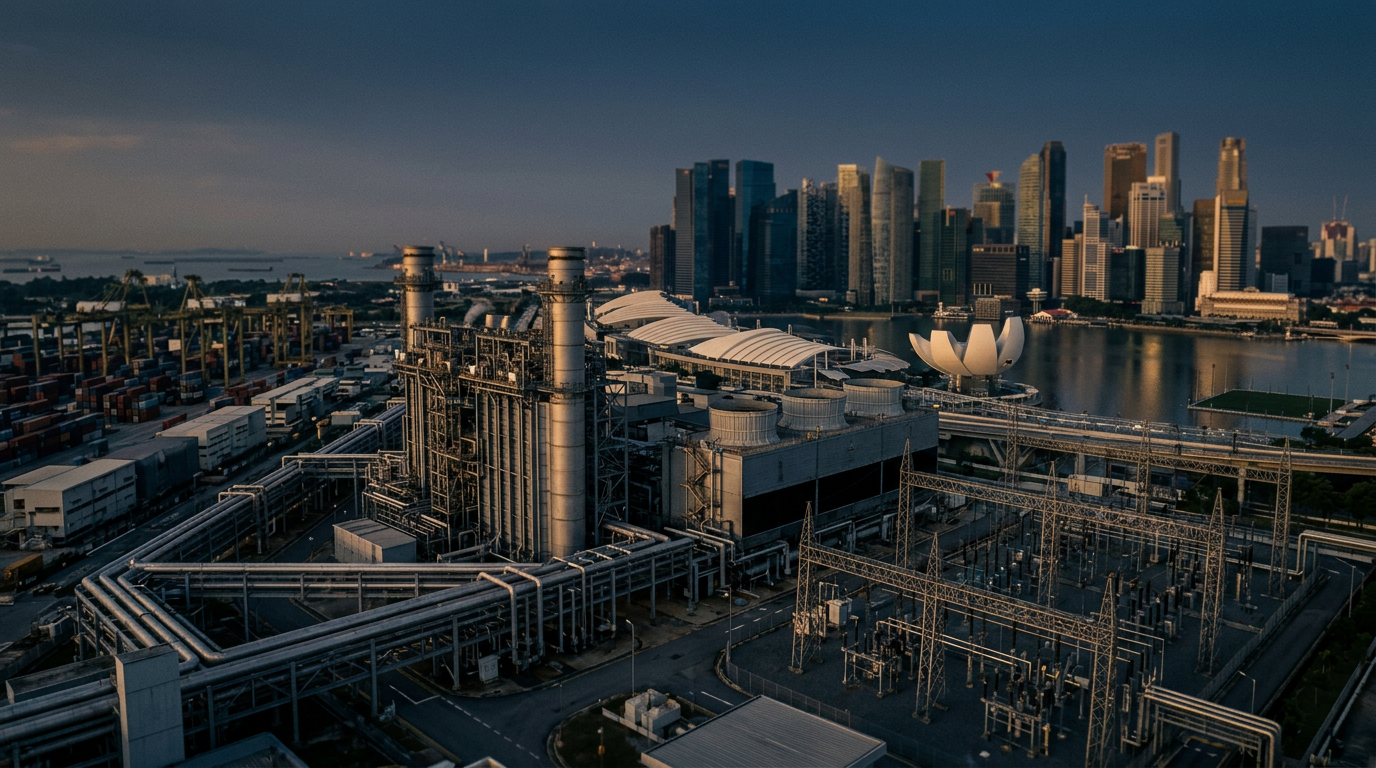
While Singapore's open electricity market offers choice, it cannot fully insulate consumers from global price movements. Retailers offering fixed-price plans must price in the risk of future cost increases, and these risk premiums are ultimately borne by the consumer. The current rush to lock in prices suggests that both consumers and retailers anticipate continued volatility. For Singapore, which relies almost entirely on imported natural gas for its electricity generation, this exposure is a permanent structural feature. The EMA's role is not to eliminate this exposure but to manage it through a framework that balances consumer choice with system stability. The current situation tests this framework, demonstrating that while market liberalization can introduce competition and efficiency, it must be supported by robust regulatory oversight to function effectively during periods of stress.
Infrastructure and Energy Security
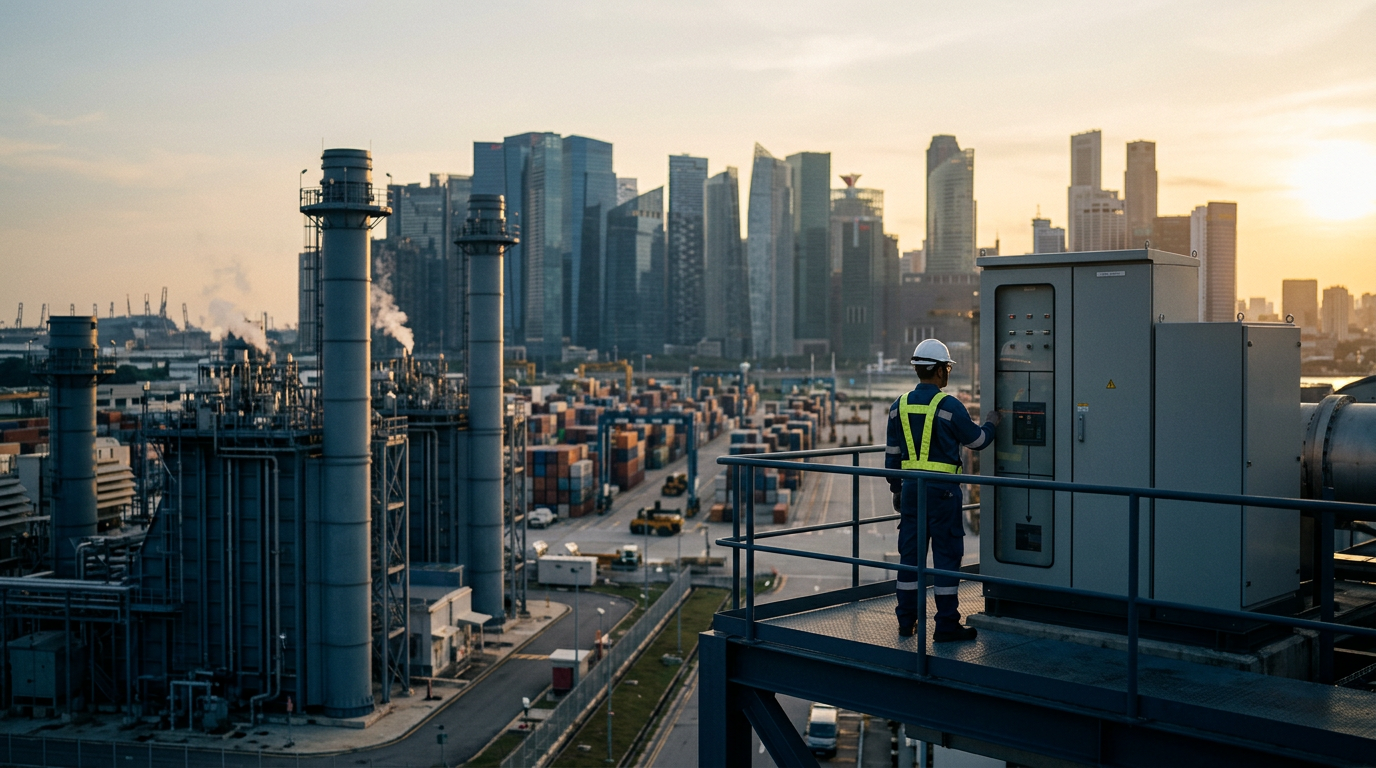
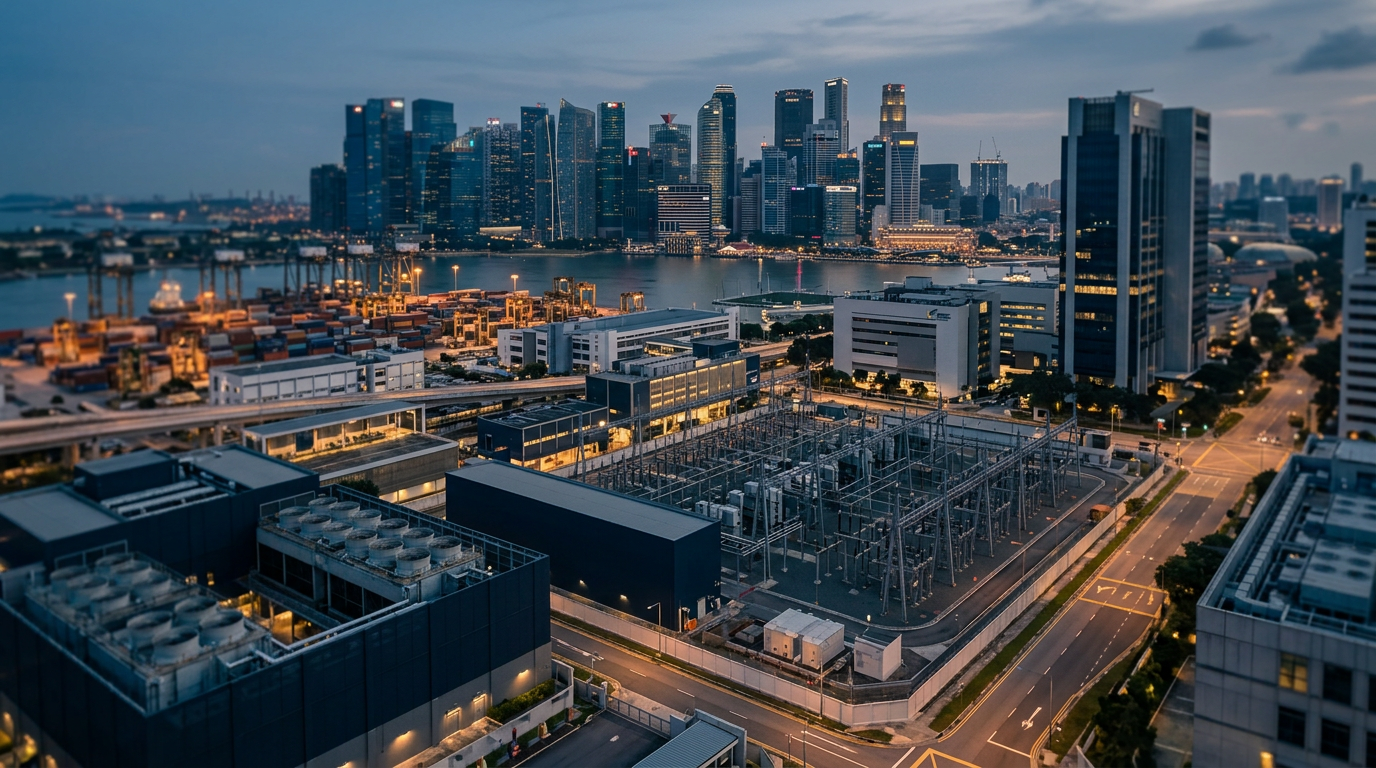
The challenge of energy affordability is directly linked to infrastructure. Singapore has invested heavily in its energy infrastructure, including LNG terminals and a modern power grid, to ensure a reliable supply. However, the physical infrastructure for energy security is only one part of the equation. The institutional infrastructure- the market rules, the regulatory bodies, and the contracts that govern the flow of energy and capital- is equally important. As the book notes, "Infrastructure that arrives on time signals more than infrastructure that is merely announced." In the same way, an energy market that provides clear, enforceable contract options during a crisis is more valuable than one that only functions well under calm conditions. Singapore's ability to provide this institutional reliability is a key part of its economic competitiveness.
What to watch
Observe how Singapore's Energy Market Authority adjusts its regulatory approach in response to sustained global energy price volatility. The balance between fostering market competition among electricity retailers and ensuring affordable, stable prices for consumers will be a key area of focus. Also, monitor the progress of Singapore's investments in alternative energy sources and regional power grids, as these will be the primary long-term strategies to mitigate the country's dependence on imported natural gas and its exposure to international price shocks.