Philippines
ASEAN Energy Ministers Meet in Manila to Address Grid and Governance
The 44th ASEAN Energy Ministers meeting in Manila confronts the dual challenge of harmonizing the region's power grid while managing its deep trade and investment dependency on China in the renewables sector.
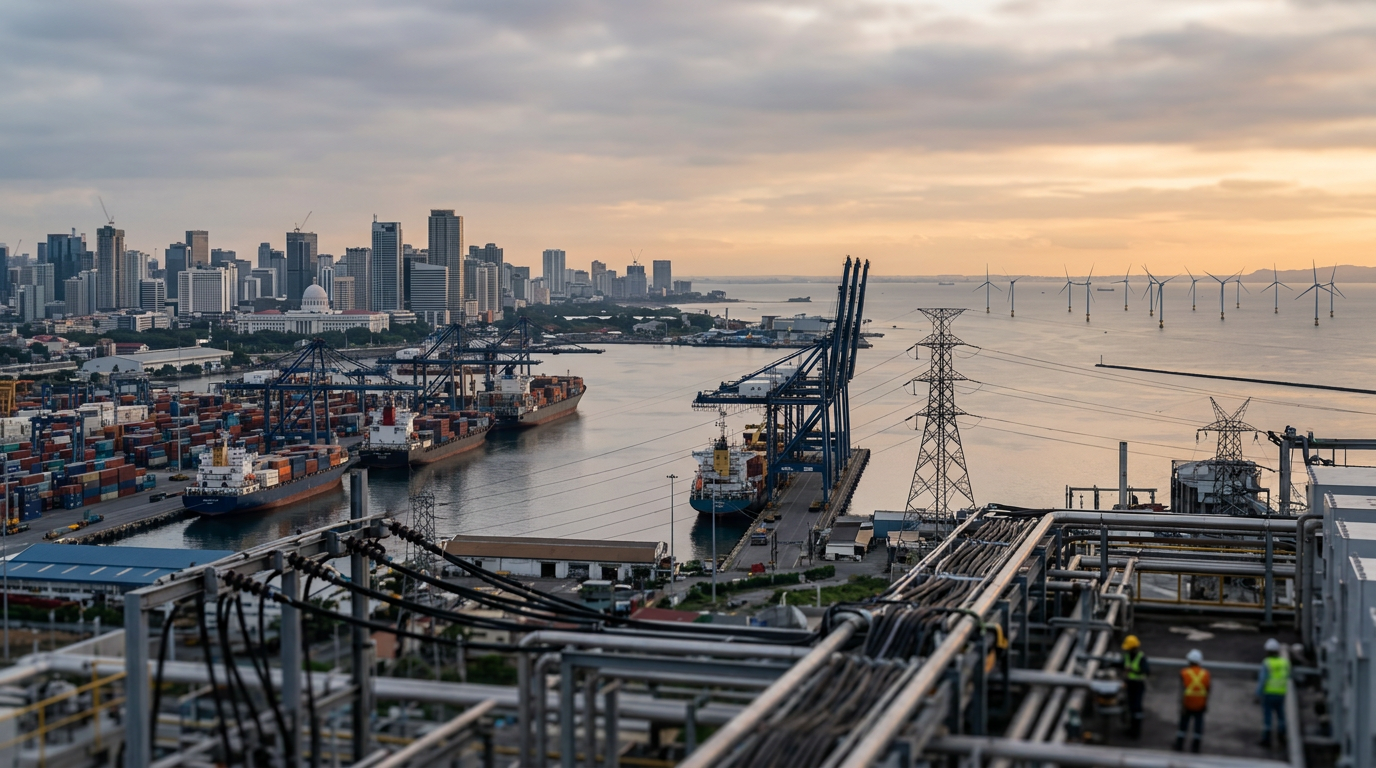
The Secretary-General of ASEAN, Dr. Kao Kim Hourn, is in Manila for the 44th Meeting of the ASEAN Energy Ministers (AMEM), according to a dispatch from the ASEAN Secretariat. The meeting brings regional leaders together to advance discussions on energy security and connectivity, particularly the long-standing project of an integrated ASEAN Power Grid.
While the ministers focus on the technical and regulatory architecture of a regional grid, they face a larger strategic context. ASEAN's energy transition is deeply intertwined with China, which has become the dominant global supplier of renewable energy components and a primary source of capital for infrastructure projects. This reality shapes the execution of ASEAN's energy ambitions.
The Grid, The Goal
The vision for a unified ASEAN Power Grid is a decades-old ambition. The goal is to create a more resilient, efficient, and stable energy market, allowing countries with surplus power to sell to those with deficits. This requires immense investment in both physical infrastructure-like high-voltage transmission lines-and the harmonization of national regulatory and technical standards. Execution has been slow, proceeding largely on a bilateral basis rather than through a comprehensive regional framework.
Institutions like the ASEAN Centre for Energy (ACE) are tasked with providing policy and technical support, but the primary work of building out the grid falls to individual member states. The Manila meeting will likely focus on advancing the technical blueprints and governance models needed to move beyond bilateral agreements toward a more cohesive system. The success of these efforts depends on the political will of member states to align their domestic energy policies with a regional vision.
Managing Dependency
As ASEAN pushes forward with its energy transition, its reliance on China for solar panels, wind turbines, and battery storage technology has become a structural reality. This trade relationship extends into investment, with Chinese state-owned enterprises and private firms financing and constructing a significant portion of the region's new power generation and transmission infrastructure.
The book "ASEAN Rising" notes that for member states, the central issue is no longer about whether to engage with China, but about how to "manage dependency without losing optionality." This is particularly true in the energy sector. While Chinese capital and technology are accelerating the shift to renewables, it also concentrates supply chain risk. A disruption, whether from trade policy or industrial bottlenecks, could stall ASEAN's energy development.
This dependency requires careful management. ASEAN governments must balance the immediate benefits of affordable technology and accessible capital against the long-term risks of over-reliance on a single partner. This involves diversifying supply chains where possible, strengthening local manufacturing capabilities, and ensuring that project financing agreements are transparent and sustainable. The institutional challenge for ASEAN is to build a common framework for vetting foreign investments and managing supply chain resilience without stifling the flow of necessary capital and technology.
What to watch
Observers should watch the outcomes of the AMEM for concrete steps on the ASEAN Power Grid, particularly any new agreements on cross-border power trade or technical standardization. Note whether the final communique addresses supply chain resilience or the need for investment diversification in the renewables sector. The discussions in Manila will indicate how ASEAN intends to build its collective energy security while navigating a complex geopolitical and economic landscape. The ability to harmonize institutional goals with the realities of capital and trade will determine the pace and direction of the region's energy future.