Philippines
ASEAN Energy Ministers Meet with an Eye on China
The 44th ASEAN Energy Ministers Meeting in Manila will test the bloc's ability to balance deep energy trade with China against the need for strategic autonomy and a secure, diversified energy grid.
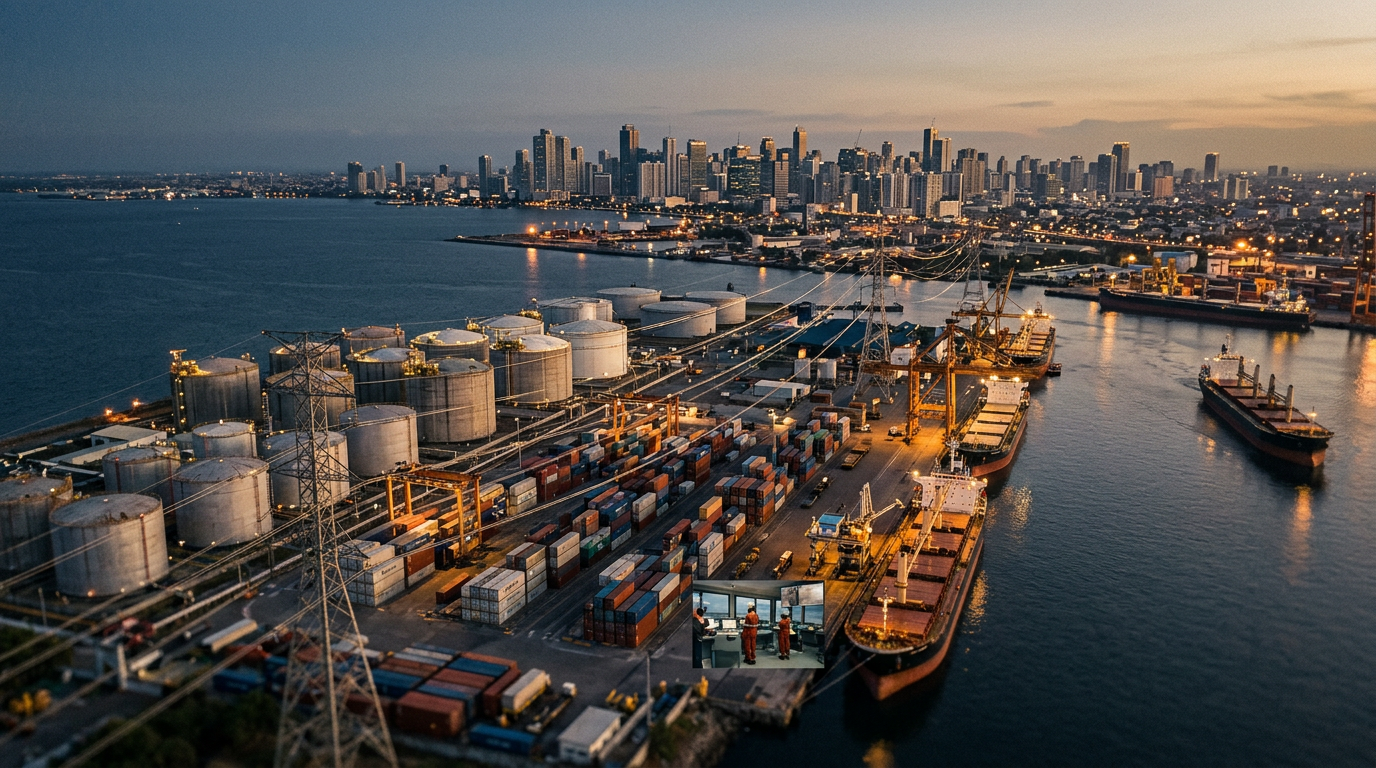
The Secretary-General of ASEAN, Dr. Kao Kim Hourn, is in Manila for the 44th Meeting of the ASEAN Energy Ministers, an event that brings the region's energy security into sharp focus. According to a dispatch from the ASEAN Secretariat, the Manila meetings will cover a range of pressing topics for the bloc. This gathering provides a timely occasion to examine the institutional mechanisms ASEAN is developing to manage its energy transition, particularly in the context of its deep and complex relationship with China.
The Grid and the Great Powers
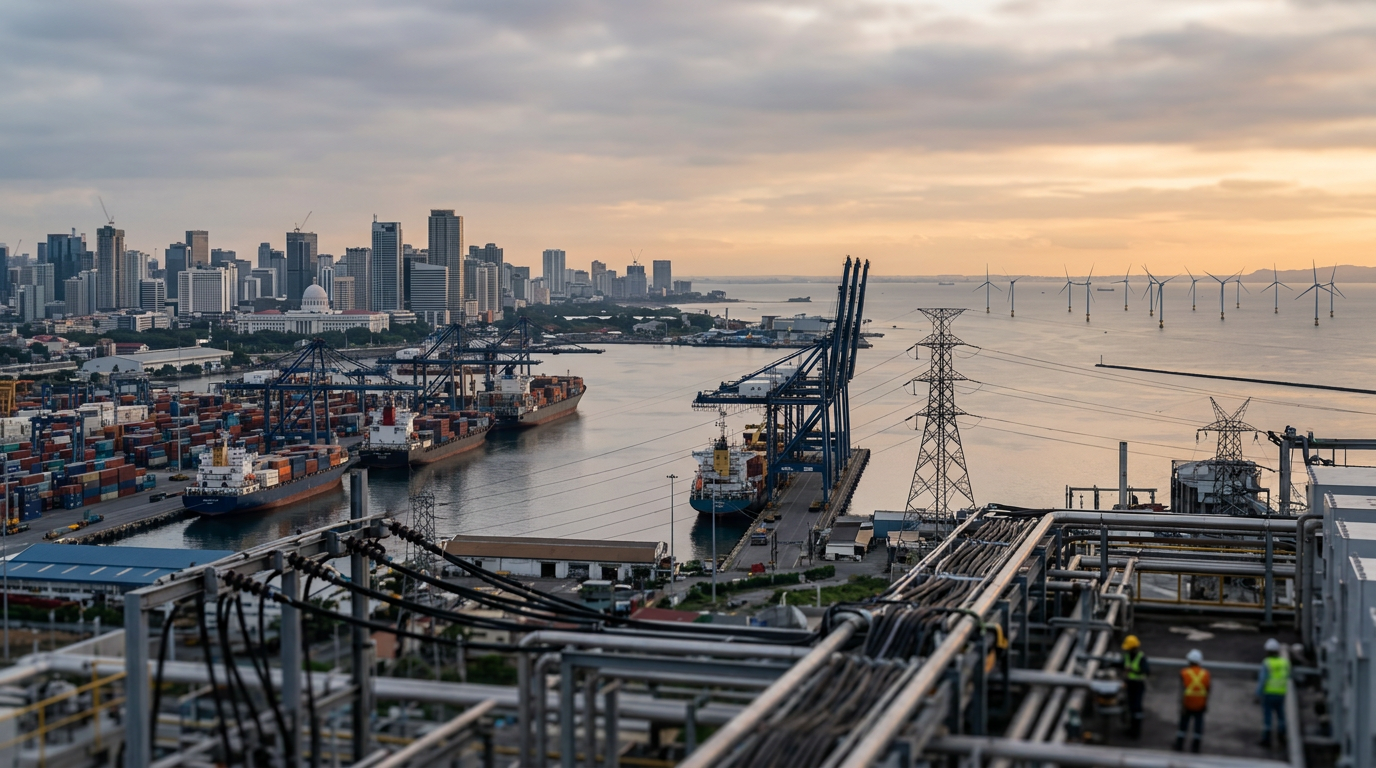
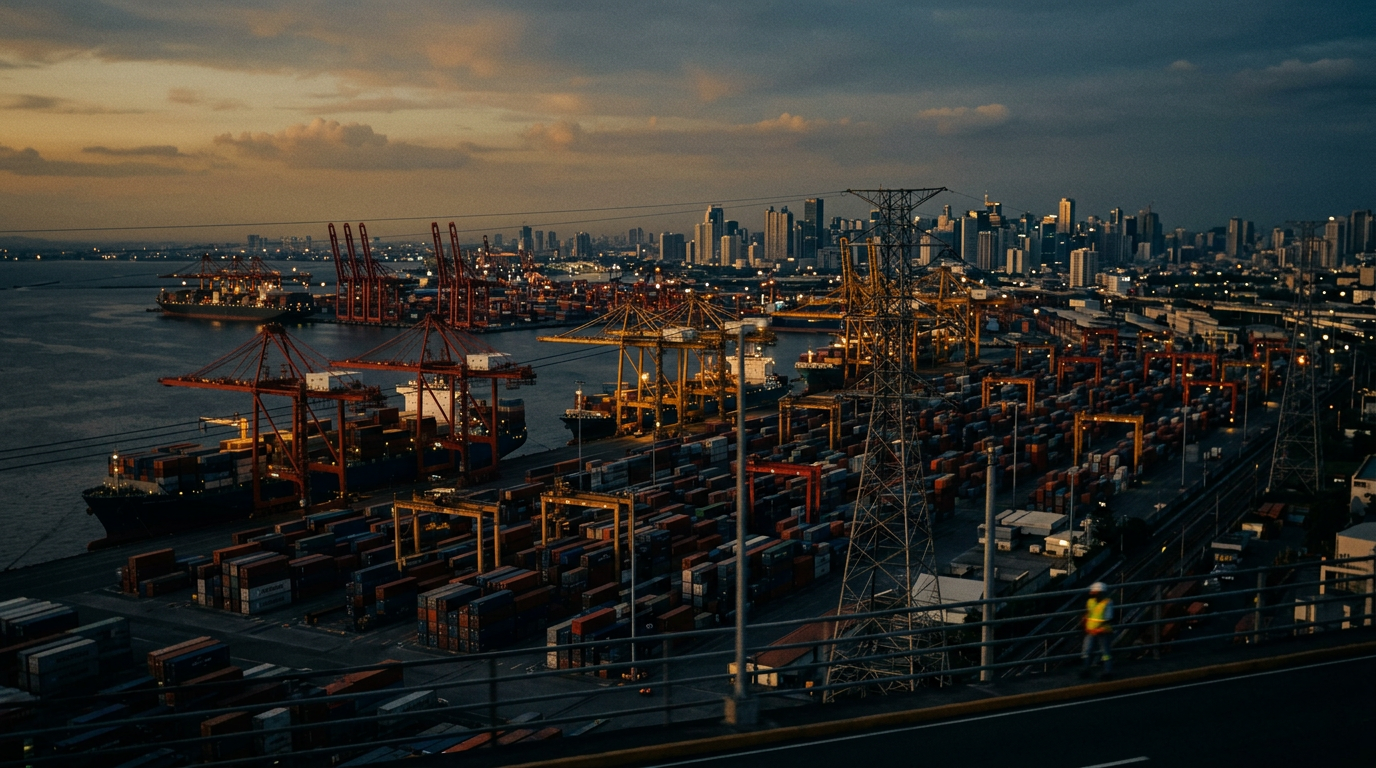
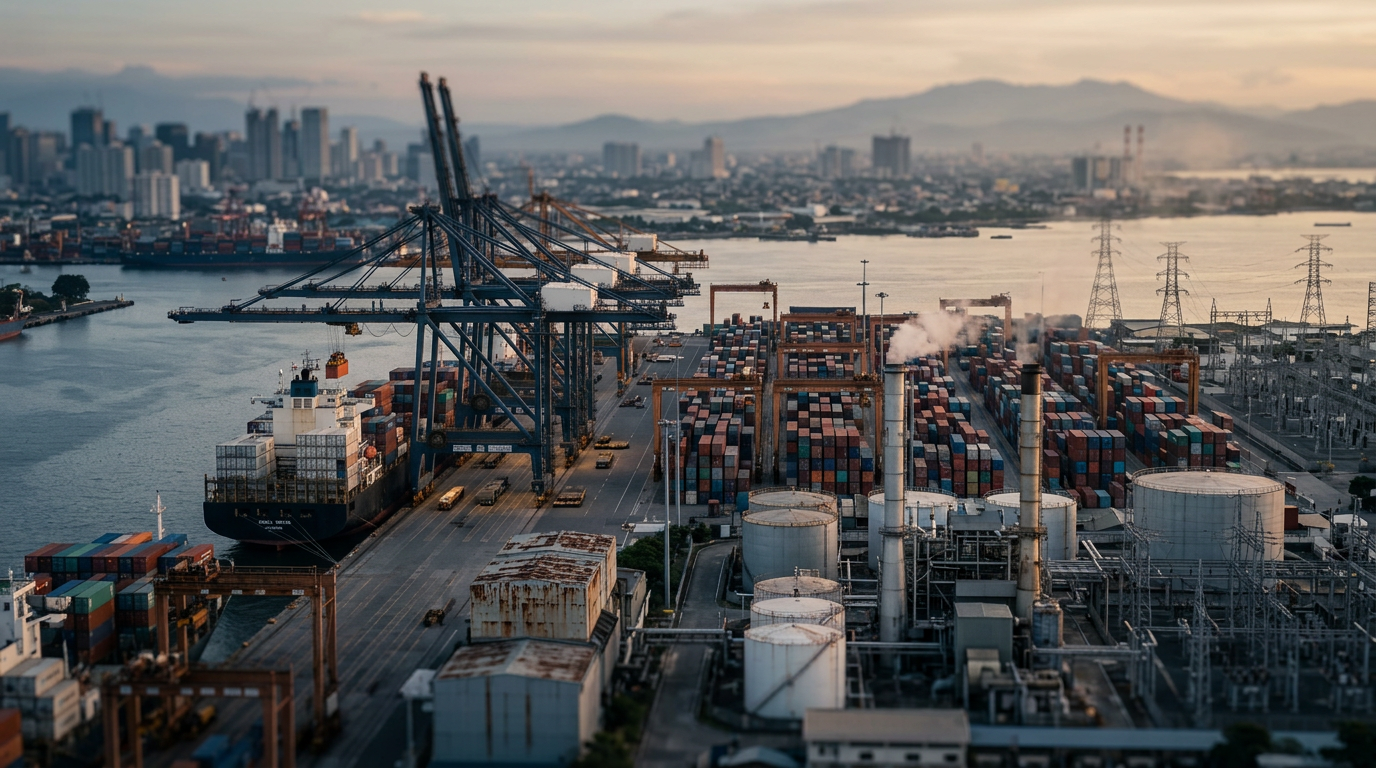
ASEAN's energy needs are growing rapidly, driven by economic expansion and digitalization. A core component of the bloc's strategy is the ASEAN Power Grid, an ambitious initiative to create an integrated regional electricity market. This project requires immense capital for infrastructure, from high-voltage transmission lines to substations. A significant portion of this financing and technical expertise comes from China, which has made grid development a centerpiece of its regional economic statecraft.
This is where trade and strategy intersect. Chinese firms are leading suppliers of solar panels, wind turbines, and battery storage technology, all essential for ASEAN's green energy goals. However, this reliance creates long-term dependencies. As the book "ASEAN Rising" notes, for member states, the central challenge is "how to manage dependency without losing optionality." The power grid is a physical manifestation of this dilemma. Decisions made today about contractors, technology standards, and financing terms will shape the region's strategic autonomy for decades. Building a resilient and secure energy network means diversifying partners and ensuring that a single external actor cannot exert undue influence over critical infrastructure.
Institutions for a Just Transition
The Manila ministerial meeting also highlights the institutional framework ASEAN is building to govern its energy sector. The meetings associated with the main event, such as the ASEAN+3 and East Asia Summit energy ministerials, are forums where the bloc engages with its largest partners, including China, Japan, and the Republic of Korea. These dialogues are the primary venues for negotiating the rules, standards, and cooperation mechanisms that underpin regional energy trade.
Execution is paramount. ASEAN's ability to implement its stated goals for a clean and just energy transition depends on the capacity of its institutions. This includes harmonizing regulatory frameworks across ten member states, developing bankable projects that can attract private capital, and cultivating the domestic talent required to operate and maintain sophisticated energy systems. The discussions in Manila are not merely technical; they are about building trust among member states and with external partners. The agenda includes ensuring that the benefits of new energy infrastructure are shared equitably and that the transition away from fossil fuels does not leave communities behind.
What to watch
Pay attention to the joint statements that emerge from the Manila meetings, especially from the ASEAN+3 and East Asia Summit sessions. The language used to describe cooperation with China on grid infrastructure and renewable energy will offer clues about the bloc's approach to balancing its need for Chinese capital and technology against its long-term strategic interests. The specific agreements on cross-border power trade and the level of commitment to new financing mechanisms will indicate how effectively ASEAN institutions are translating high-level policy into concrete action.