Singapore
's Power Market Delivers Stability Amid Volatility
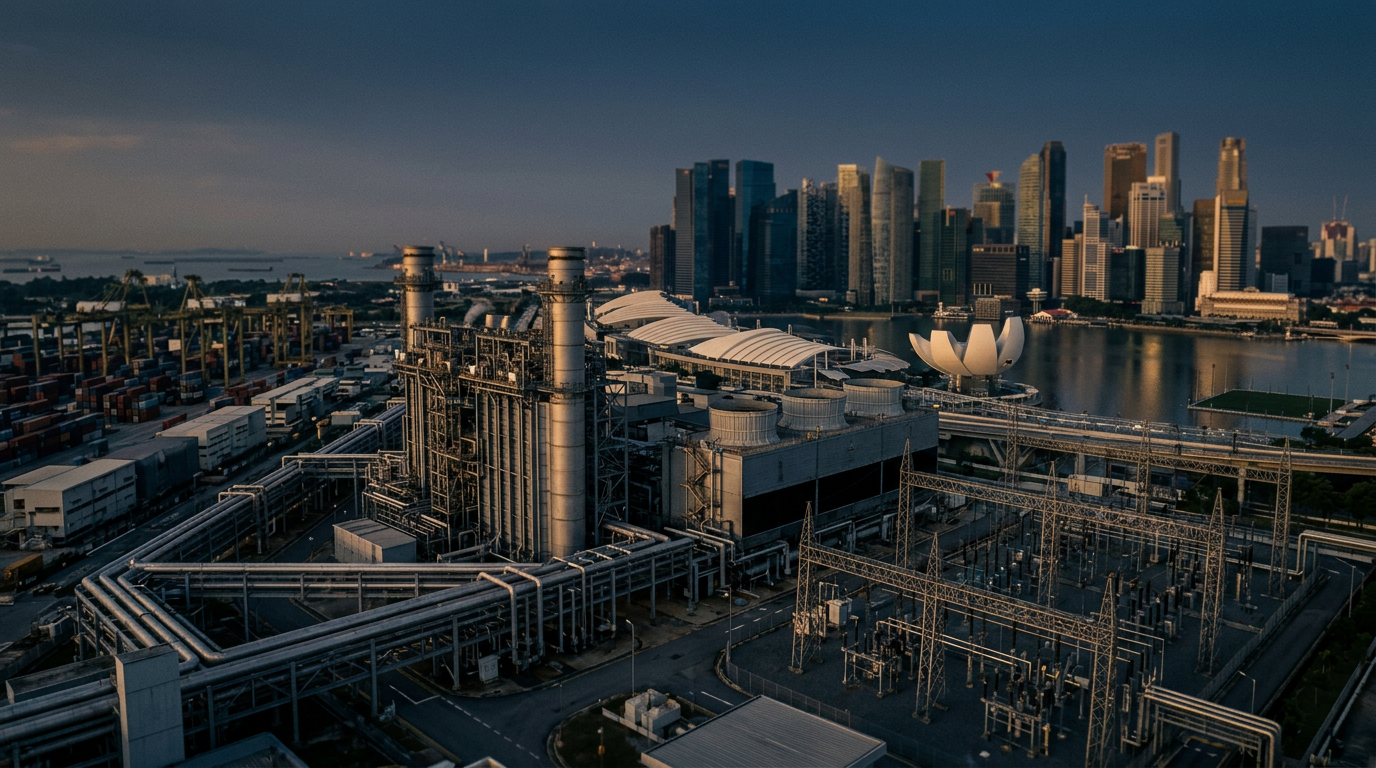
Amid global energy price volatility, Singapore's electricity market demonstrates the value of institutional design in delivering reliable services and predictable pricing for consumers and businesses.
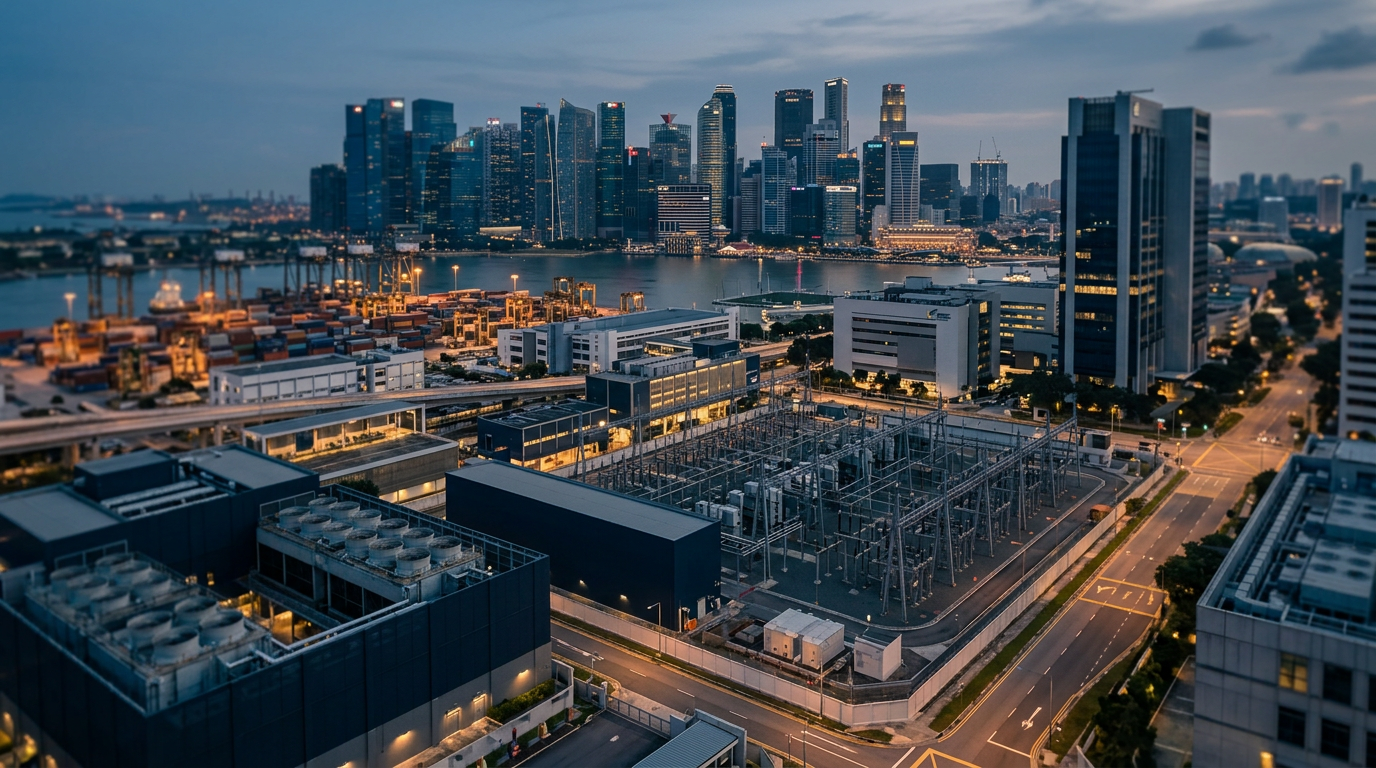
Singaporean households and businesses are seeking stability as global energy markets react to geopolitical tensions, including the ongoing conflict in the Middle East. In response, electricity retailers are expanding their offerings, with a notable increase in the availability of fixed-price plans. This trend, as reported by the Business Times, reflects a demand for predictability in an otherwise volatile global landscape. The market's ability to provide these options is a direct result of its underlying institutional framework.
Institutions and Market Design
Singapore's electricity market liberalization, which culminated in the full launch of the Open Electricity Market (OEM) in 2019, was a deliberate, multi-year effort to foster competition and provide choice. The market structure allows private retailers to compete for customers by offering a variety of plans, including fixed-rate, discount-off-tariff, and wholesale-price-pegged options. This design provides a buffer against the kind of wholesale price shocks that have destabilized other liberalized energy markets globally.
By allowing consumers to lock in prices, the market provides a mechanism to manage risk. For businesses, this translates to more predictable operating costs. For households, it offers peace of mind and budget certainty. This stands in contrast to markets where consumers are more directly and immediately exposed to wholesale price fluctuations. The current demand for fixed-price plans shows the system functioning as intended, providing a commercial solution to a market problem.
State Capacity and Reliability
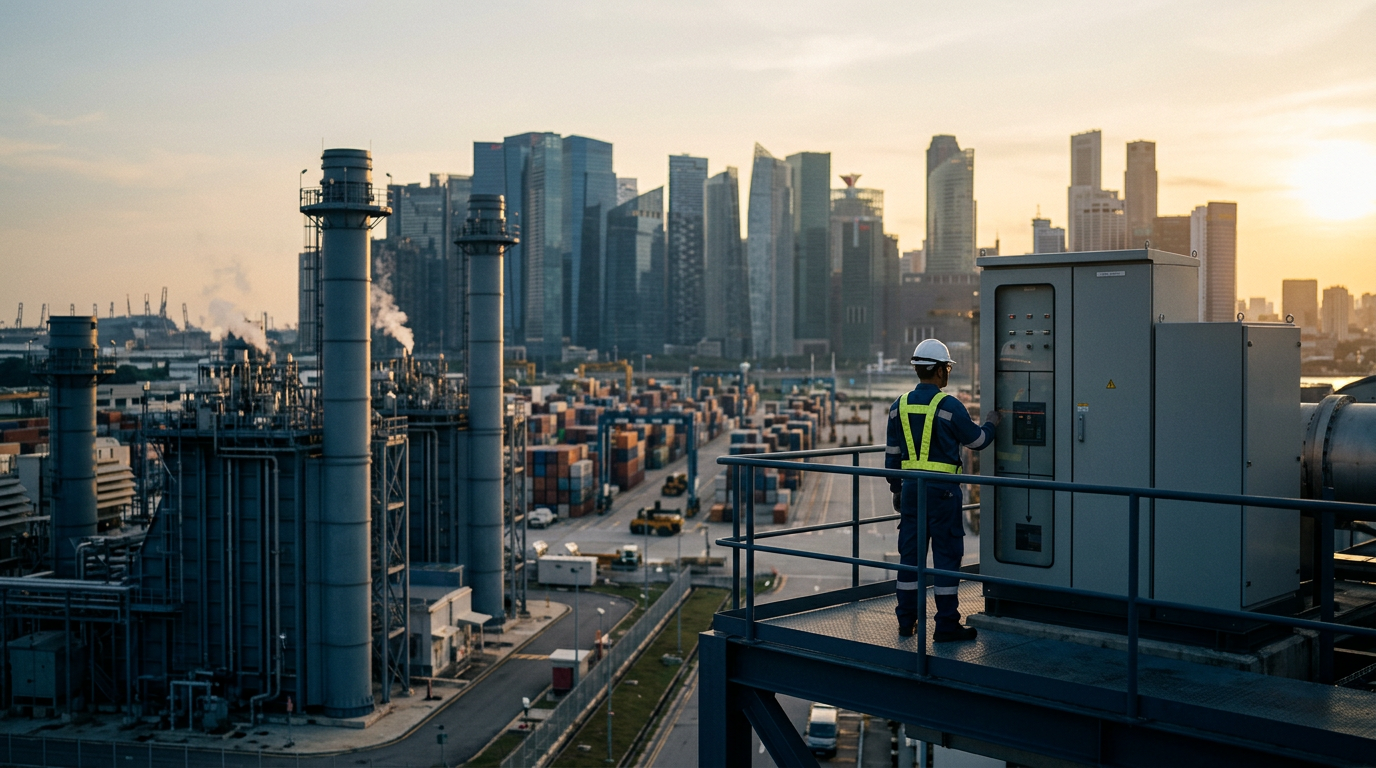
The effective operation of Singapore's power market is not an accident but a demonstration of state capacity. The Energy Market Authority (EMA) has established a clear and enforceable set of rules that govern market participants, from generation companies to retailers. This regulatory oversight ensures that retailers have the financial strength to honor their contracts and that the grid remains stable. As the book "ASEAN Rising" notes, this focus on execution is a form of competitive advantage. "Infrastructure that arrives on time signals more than infrastructure that is merely announced."
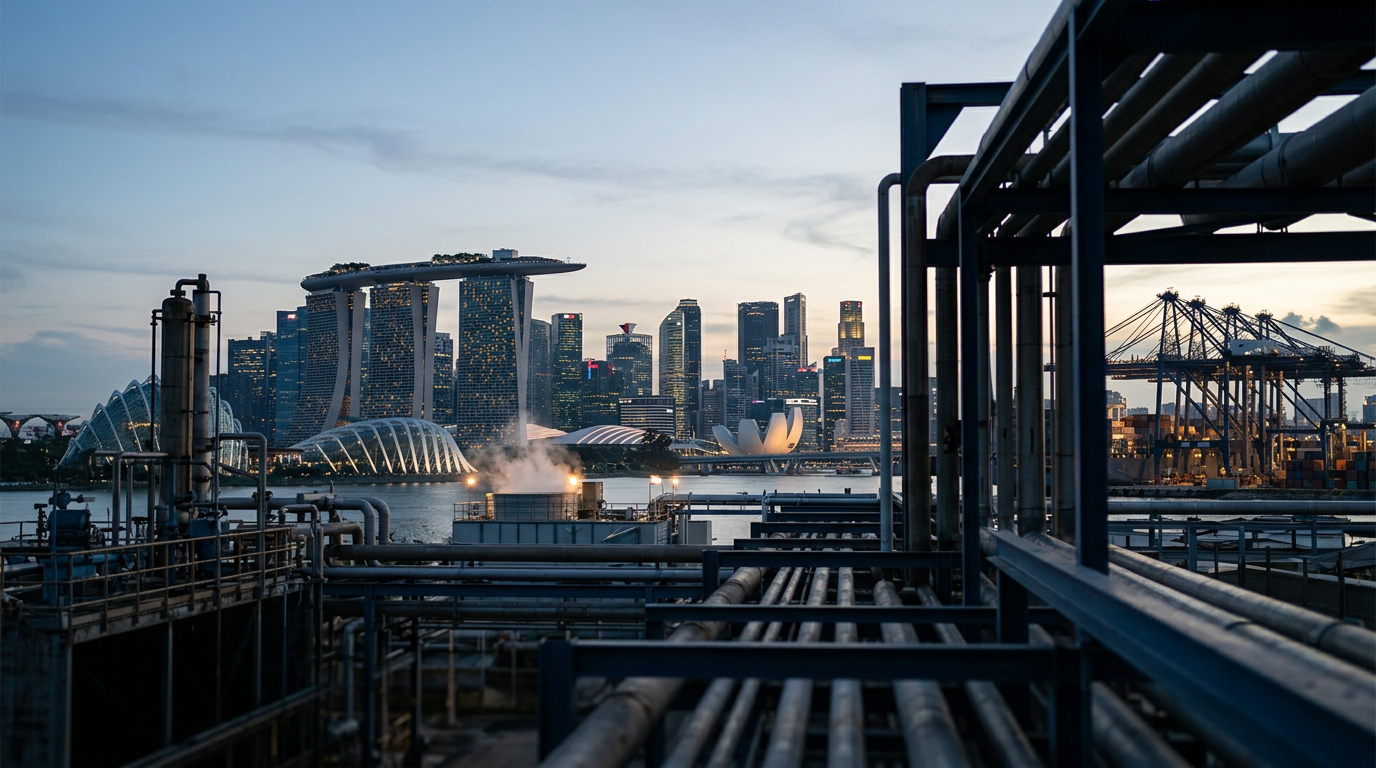
This reliability extends beyond the OEM. The underlying power generation and transmission infrastructure is a product of long-term, systematic planning. While Singapore remains dependent on imported natural gas for the majority of its electricity, the state has facilitated investments in a diversified energy mix, including solar and waste-to-energy, and is exploring regional power grids. The ability of retailers to offer fixed-price plans is built upon this foundation of reliable generation and a well-regulated market, which together lower the risk of supply disruptions or retailer collapse.
Capital and Competition
A competitive market requires willing participants and the flow of capital. The OEM has attracted a range of retailers, from the generation-backed incumbents to independent players. The current environment, however, has tested their resilience. In late 2021 and early 2022, a spike in wholesale gas prices led to the exit of several retailers who were unable to sustain their business models. The remaining players are those with more robust hedging strategies and financial backing.
The current turn towards fixed-price plans indicates that these retailers are confident in their ability to manage price risk over the medium term. This confidence is crucial for market stability. It signals to consumers that the market is mature and that the remaining participants are durable. This, in turn, reinforces trust in the liberalized system and encourages consumers to actively manage their energy choices, secure in the knowledge that their chosen provider is likely to remain in business.
What to watch
Watch for how Singapore's energy market authorities continue to adapt regulations to balance consumer protection with retailer viability, especially as the country pursues its long-term energy diversification goals. The evolution of contracts offered by retailers will be a key indicator of market sentiment regarding future energy price volatility and the progress of regional energy integration projects. The balance between fixed and variable pricing plans will reflect the market's collective judgment on risk and stability.