Singapore
's Power Market Delivers a Lesson in Stability
The recent volatility in global energy markets has shown how Singapore's market structure and institutional capacity give it a competitive edge.
Singapore's electricity retailers are seeing higher demand for fixed-price plans as households and businesses seek shelter from the volatility in global energy markets, according to a recent report in the Business Times. The conflict in the Middle East has introduced another element of uncertainty into energy prices, and consumers are responding by locking in rates. This shift highlights a core strength of Singapore's institutional framework: the ability to provide stability and predictability, even when external conditions are turbulent.
A Market Designed for Choice
Unlike many state-run power monopolies in the region, Singapore's electricity market is liberalized. The Open Electricity Market (OEM) allows consumers to choose from a dozen retailers, each offering different pricing models. These range from fixed-price plans to discount-off-tariff plans that track the regulated tariff set by the state-owned SP Group. This structure creates a competitive environment that encourages retailers to innovate and cater to consumer needs. When wholesale energy prices fluctuate, as they are now, the availability of fixed-price plans acts as a safety valve, allowing consumers to hedge against price swings. This consumer choice is a direct result of deliberate institutional design.
The Bedrock of State Capacity
The ability of this market to function effectively, especially under stress, rests on Singapore's state capacity. The Energy Market Authority (EMA) provides the regulatory oversight necessary to ensure that retailers are financially sound and that the marketplace operates transparently. The state's role is not to eliminate risk but to create a framework where risk can be managed effectively by both businesses and consumers. As the book "ASEAN Rising" notes, this focus on execution and reliability is a form of competitive advantage. The quiet functioning of the OEM during a period of global energy turmoil is a clear example of this principle in action. "Institutional reliability has become part of comparative advantage," and Singapore's power market is a case in point.
Infrastructure and Trust
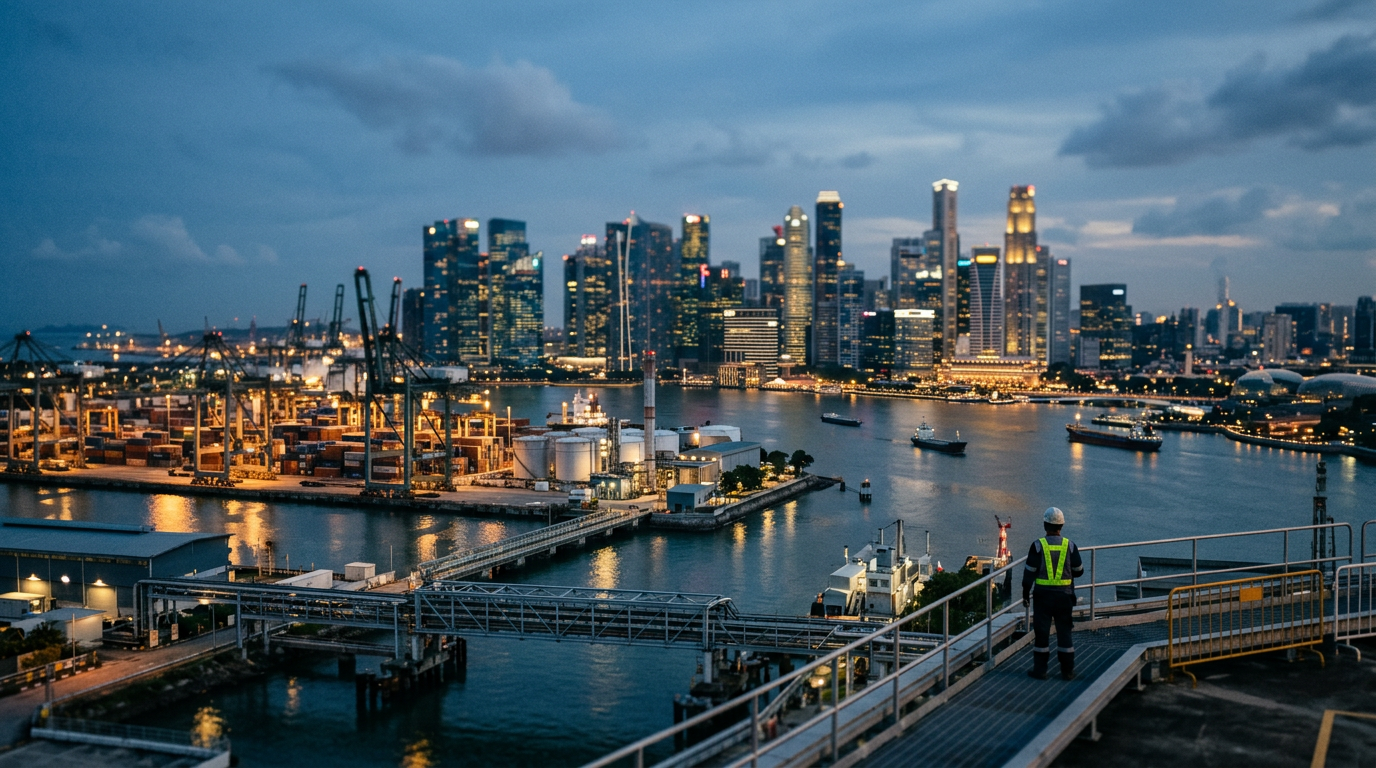
This market-based system is only possible because it is built on a foundation of world-class infrastructure and public trust. Singapore's power generation and transmission grid are famously reliable. Consumers trust that the lights will stay on, regardless of which retailer sends them a bill. They also trust in the regulatory framework established by the EMA to protect their interests. This deep-seated trust allows for a sophisticated market to thrive, where the primary focus is on pricing and service innovation, not on the basic reliability of the power supply. While other nations debate large-scale infrastructure projects, Singapore demonstrates the value that comes from a system that simply works as promised.
What to watch: The primary indicator to monitor is the price and availability of natural gas, which fuels the majority of Singapore's power generation. Sustained high prices could test the financial resilience of some electricity retailers and may prompt further regulatory adjustments by the EMA to maintain market stability. The level of consumer switching between retailers and plan types will also signal how households and businesses are reacting to long-term price expectations.