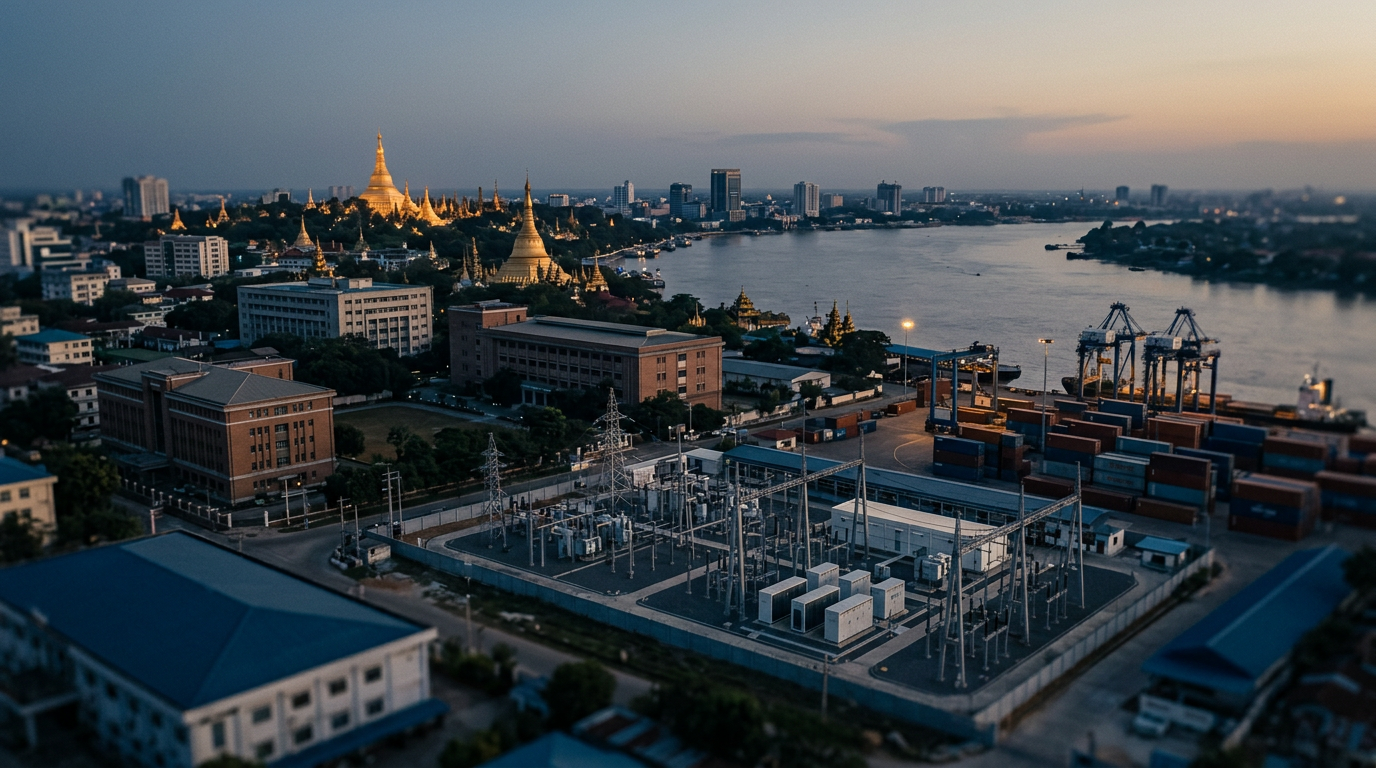
Myanmar
The Quiet Revolution in ASEAN's Power Infrastructure
A recent partnership between Infineon and Eaton in next-generation transformer technology is a reminder that in the race for digital leadership, reliable power is non-negotiable. For ASEAN, this is about more than just keeping the lights on.

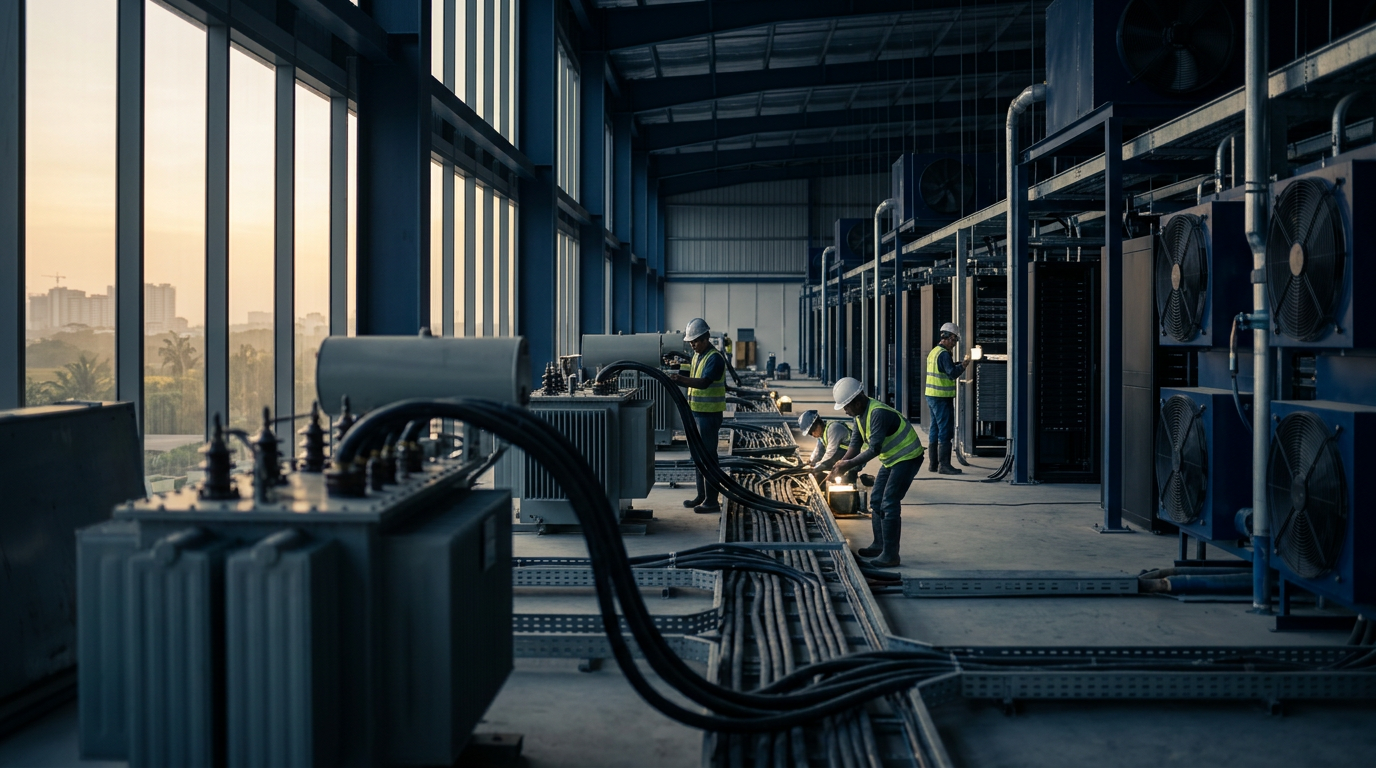
A partnership announced by Infineon and Eaton to develop silicon-carbide-based solid-state transformers for data centers is a technical development with large implications for ASEAN's digital ambitions. As reported by Data Center Dynamics, the collaboration will use Infineon's silicon carbide power devices in Eaton's next-generation transformer platform. This technology is designed to support the 800VDC power architectures that are becoming essential for modern, high-density data centers. While the announcement does not specify an ASEAN country, its relevance to the region, a growing hub for data center investment, is direct.
The Digital Foundation is Physical
Digital economies are built on physical infrastructure. The explosive growth of data centers in markets like Singapore, Malaysia, Indonesia, and Thailand places immense strain on national power grids. These facilities, which are the engines of the cloud and AI, have a voracious and constant appetite for electricity. The Infineon-Eaton partnership highlights a critical aspect of this challenge: it is not just about the quantity of power, but also its quality, efficiency, and reliability.
New technologies like silicon-carbide-based solid-state transformers represent a significant step forward. They are more efficient, smaller, and offer better power conversion and management than traditional solutions. For data center operators, this translates into lower operating costs and a smaller physical footprint. For the nations hosting these centers, it means a more stable and resilient grid, capable of handling the demands of high-performance computing without faltering. The ability to manage power at the 800VDC level is especially relevant for next-generation data centers designed for artificial intelligence workloads.
Institutions and Infrastructure
The drive for better power infrastructure is about more than just engineering; it is about state capacity. As discussed in ASEAN Rising, the ability of a state to deliver essential services and infrastructure reliably is a core component of its economic competitiveness. The book notes that "institutional reliability has become part of comparative advantage." A country that can guarantee stable, high-quality power to a data center operator is more attractive than one that offers tax breaks but suffers from frequent outages.
The quality of infrastructure is a direct reflection of the institutions that plan, fund, and maintain it. The technical specifications of a transformer may seem distant from the world of policy, but they are linked. Regulatory bodies that set high standards for grid components, and state-owned utilities that are managed for efficiency, create an environment where advanced technologies can be deployed. This institutional strength builds trust with private capital, encouraging the investment needed to modernize the energy sector. A grid that is ready for the demands of the digital economy does not happen by accident; it is the result of deliberate policy and effective execution.
What to watch: The key indicator of progress will not be the announcements of new data centers, but the accompanying investments in grid modernization across ASEAN. Observe whether national energy regulators and state utilities are updating their technical standards and procurement processes to incorporate more efficient technologies, like the ones being developed by Infineon and Eaton. The pace of this behind-the-scenes upgrade to the region's power infrastructure will determine the ultimate size and sophistication of its digital economy.