Philippines
ASEAN Energy Ministers Meet to Discuss Regional Grid and China's Role
This week's 44th ASEAN Energy Ministers Meeting in Manila will have China's role in the regional energy grid on its agenda, either formally or informally. For ASEAN governments, the question is how to manage this dependency without losing strategic options.
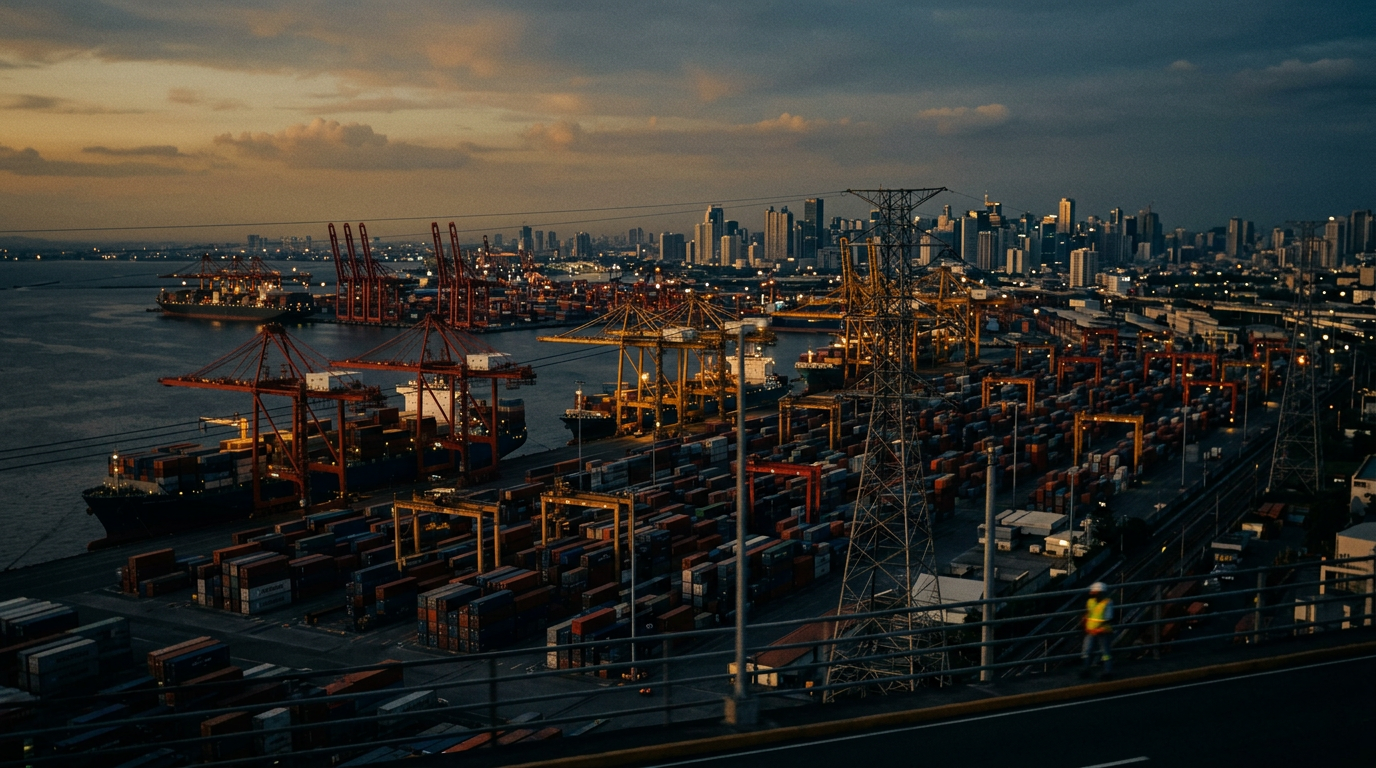
Energy ministers from across Southeast Asia are meeting in Manila this week for the 44th ASEAN Energy Ministers Meeting, as announced by the ASEAN Secretariat. The formal agenda will cover the progress of the ASEAN Power Grid and wider issues of energy security and transition. Behind the scenes, the discussions will invariably touch on China's growing influence in the region's energy sector, from solar panel manufacturing to grid-scale infrastructure investment.
The Grid and The Great Wall
The ASEAN Power Grid is a long-standing initiative to create an integrated regional electricity market, allowing member states to trade power and share reserves. This enhances energy security and facilitates the integration of more renewable energy sources. However, the capital and technical expertise required for such a massive infrastructure project are substantial. China, as the world's largest producer of solar panels, wind turbines, and high-voltage transmission equipment, has become an indispensable partner for many ASEAN nations in their energy development plans. This deepens an already complex economic relationship. As the book "ASEAN Rising" notes, for member states, the core issue is "how to manage dependency without losing optionality." This is especially true in a strategic sector like energy.
Capital and Capacity
Chinese state-owned enterprises and banks have been major financiers and constructors of power plants and transmission lines across Southeast Asia. This includes significant investments in hydropower in Laos, coal plants in Indonesia, and solar farms in Vietnam. While this capital injection accelerates the development of needed energy infrastructure, it also gives Chinese firms a significant operational footprint in the region. The reliance on Chinese technology and standards can create long-term dependencies in maintenance, upgrades, and future grid expansion. For ASEAN, the challenge is to absorb this capital and capacity while building up its own institutional and technical capabilities to manage these assets independently.
Supply Chains and Strategic Dependencies
The global solar supply chain is a clear example of this dynamic. The vast majority of the world's solar panels are manufactured in China, a result of decades of industrial policy. As ASEAN countries accelerate their transition to renewable energy to meet climate goals, their reliance on Chinese imports for these core components is set to increase. This creates a strategic vulnerability. Any disruption, whether from geopolitical tensions or domestic policy shifts in China, could have significant consequences for the region's energy transition plans. Diversifying supply chains is a long-term goal for many governments, but the scale of China's manufacturing dominance makes this a difficult and slow process.
What to watch
As the ministers conclude their meeting in Manila, observe the language in the final joint statement regarding external partnerships and the financing of the ASEAN Power Grid. Any new commitments or expressions of interest from non-ASEAN parties will signal the future direction of regional energy policy. Also, watch for announcements of new bilateral energy projects between individual ASEAN members and China in the months following the meeting, which will indicate how member states are individually navigating the trade-offs between immediate infrastructure needs and long-term strategic autonomy.