Thailand
 Turns to Infrastructure Reuse, Signaling a Shift in Industrial Strategy
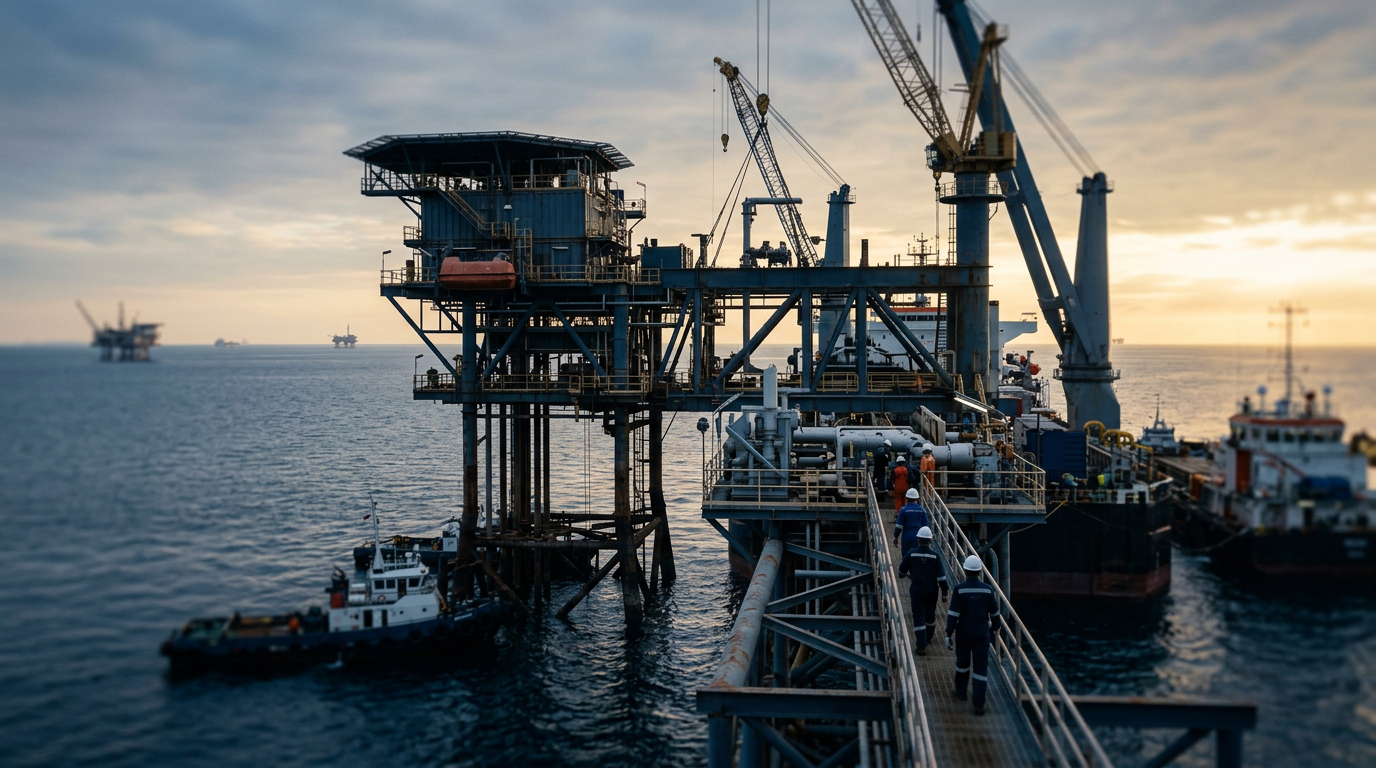
Chevron's recent award for its 'Total Wellhead Platform Reuse project' in Thailand is more than an engineering achievement. It points to a broader shift in how industrial infrastructure is perceived, from one-off capital expenditures to long-term, reusable assets.
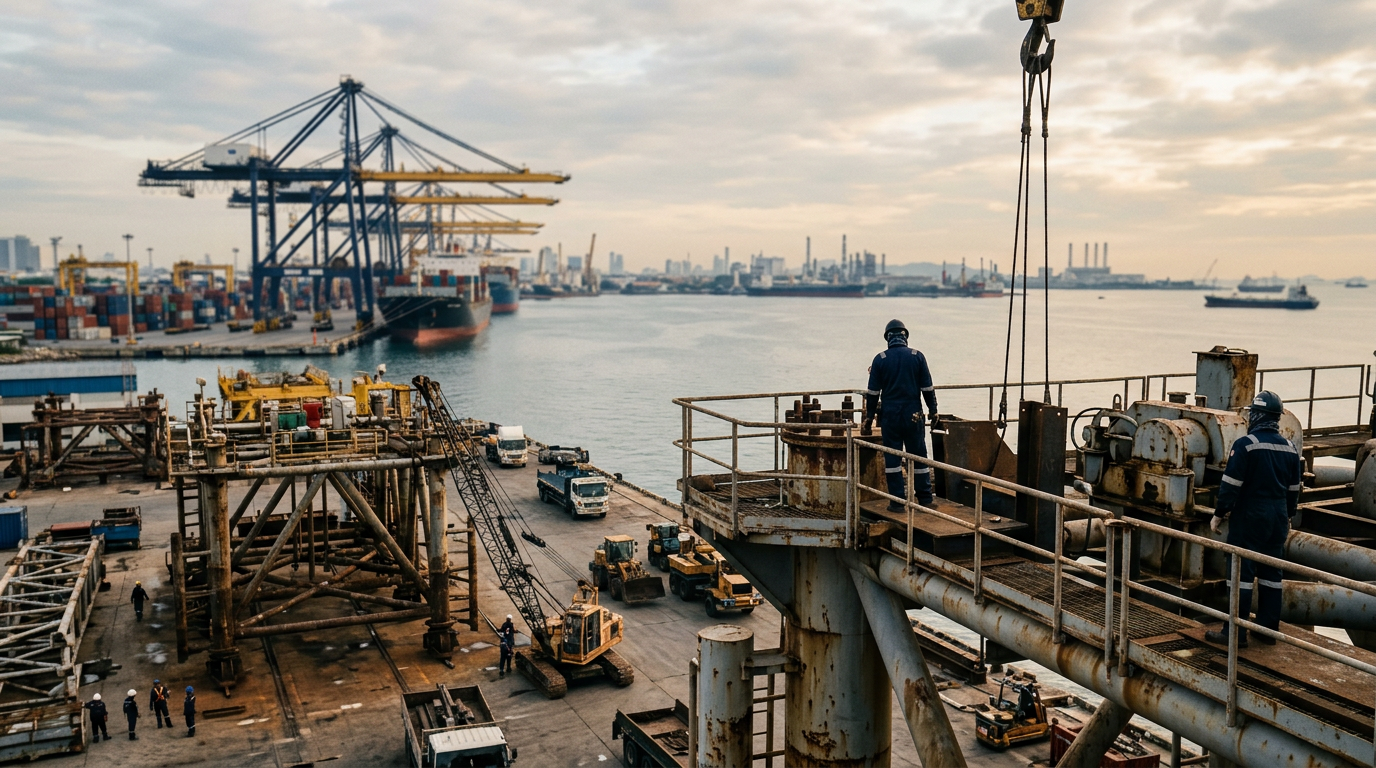
A recent award to Chevron for its "Total Wellhead Platform Reuse project" highlights a growing trend in Thailand's approach to industrial assets. As reported in the Bangkok Post, the initiative was recognized for its innovation in the petroleum exploration and production industry. This is not just an engineering story; it reflects a deeper, more strategic view of infrastructure that aligns with the need for efficiency and reliability in a competitive region.
From Extraction to Asset Stewardship
The traditional model of resource extraction involves building, operating, and eventually decommissioning large-scale infrastructure. This linear process is capital-intensive and leaves behind significant liabilities. The reuse of a total wellhead platform, however, suggests a move towards a circular economy model within the energy sector. Instead of abandoning or simply scrapping a platform once a field is depleted, the structure is repurposed for another location. This approach conserves capital, reduces waste, and shortens the timeline for bringing new fields online. It treats infrastructure not as a disposable cost but as a durable asset with a life beyond its initial purpose. This shift in mindset is a practical application of the idea that "institutional reliability has become part of comparative advantage." Efficiently reusing existing assets signals a mature and dependable industrial capacity.
State Capacity and Industrial Adaptation
Successfully executing a complex project like platform reuse requires more than just corporate ingenuity. It depends on a supportive regulatory and institutional environment. Permitting, safety standards, and environmental oversight must all adapt to accommodate such novel industrial processes. State capacity is demonstrated not just in the ability to approve new projects, but in the flexibility to regulate innovative methods for managing the entire lifecycle of industrial assets. As discussed in "ASEAN Rising," a state's ability to facilitate predictable and efficient operations is a core component of its economic strength. By enabling companies to redeploy major infrastructure, Thailand demonstrates a form of state capacity that is focused on execution and long-term value rather than just initial construction. This quiet competence is often more valuable for attracting and retaining investment than grand pronouncements of future projects.
What to watch: The key indicator to watch is whether this model of asset reuse extends to other sectors of Thailand's industrial economy, such as transportation and manufacturing. The degree to which government bodies and private firms can cooperate to standardize and scale up these practices will determine if this is a one-off success or the start of a broader, more sustainable industrial strategy. The development of specialized local firms that can support these reuse activities will also signal the depth of this industrial shift.