Philippines
The Philippines' Data Center Land Grab Needs More Than Just Power
A new venture between Meralco and PLDT aims to power data centers with renewable energy. The project's success will depend on a level of capital coordination that goes well beyond electricity.
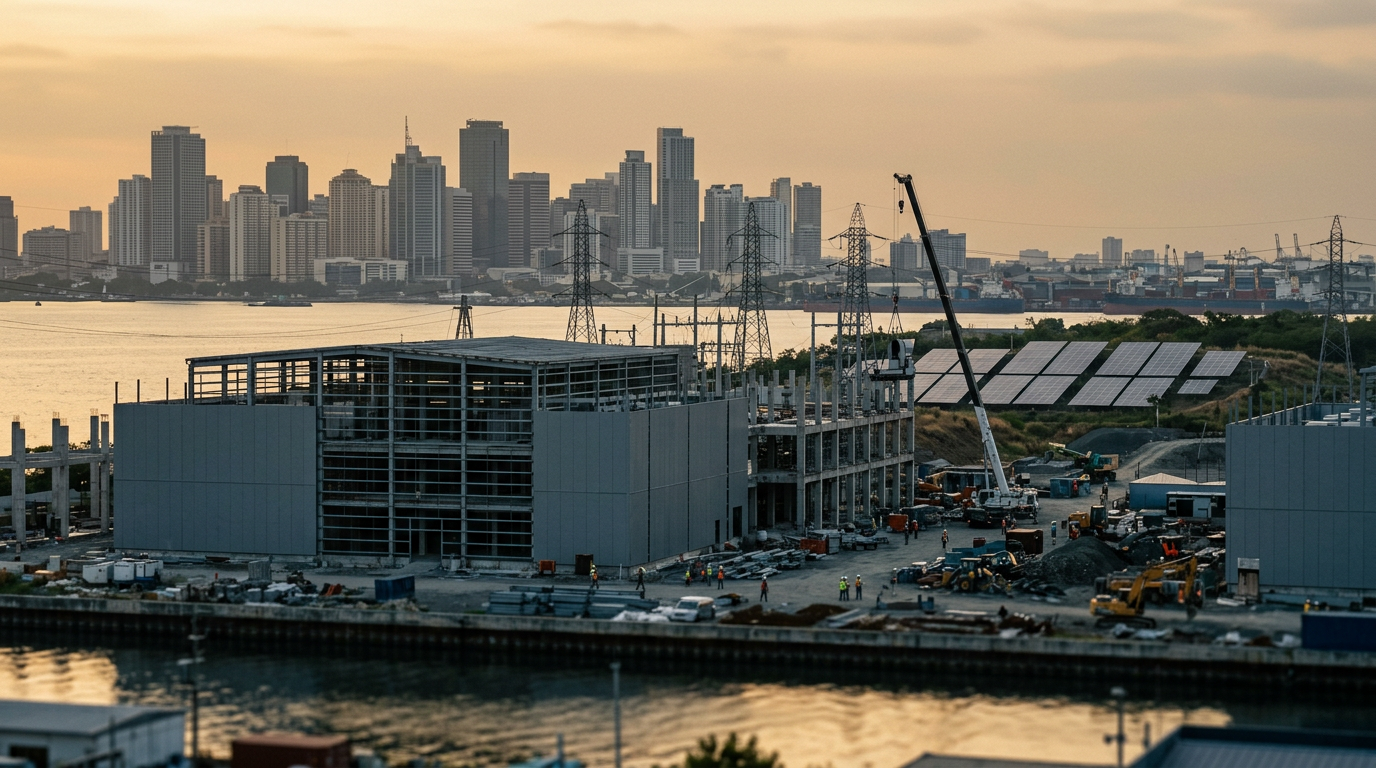
A recent partnership in the Philippines between Meralco PowerGen Corp. (MGEN) and PLDT's VITRO Inc. to build and operate renewable-powered data centers is a notable development in the country's digital infrastructure ambitions. As reported by philstar.com, the venture aims to supply 100 megawatts (MW) of renewable energy to VITRO's data centers, starting with a 12MW solar project for a new facility in Santa Rosa, Laguna.
This move directly addresses the intense energy consumption of data centers, a primary constraint on their growth globally. By integrating renewable energy from the start, the MGEN-VITRO partnership seeks to create a more sustainable and potentially cost-effective model for digital infrastructure. However, securing a green power source is only one part of a much larger and more complex equation.
The Coordination Imperative
Successful data center development is not just about volts and watts; it requires a sophisticated orchestration of multiple infrastructure and regulatory components. As examined in ASEAN Rising, Singapore's success as a premier data center hub is built on a foundation of coordinated planning that extends far beyond the power grid. The city-state's authorities work in concert to align land use, water for cooling, fiber optic cable access, and international network gateways. This synchronized approach ensures that all necessary inputs are available when and where they are needed.
For the Philippines to attract hyperscale investment, it must replicate this level of deep, cross-sectoral coordination. A reliable power source, even a green one, is insufficient if land zoning is uncertain, water rights are contested, or fiber connectivity is delayed. "Capital coordination is itself an industrial input," and its absence can derail a project even where electricity is abundant and affordable. The MGEN-VITRO venture is a positive step in vertical integration, but its success will ultimately depend on the broader ecosystem of public and private planning.
Talent and Trust
The physical infrastructure of a data center must be matched by human capital. Operating these complex facilities requires a specialized workforce with expertise in network engineering, cybersecurity, and facility management. The Philippines possesses a deep pool of talent in business process outsourcing and IT support, but the specific demands of hyperscale data center operations will require targeted training and skills development programs.
Furthermore, building trust with global technology giants is essential. These companies make location decisions with decade-long horizons. They look for predictable regulatory environments, stable policy, and a proven track record of execution. The government and its private sector partners must demonstrate a sustained commitment to creating a seamless and reliable operating environment. Consistency in policy and efficiency in execution are the building blocks of the trust required to secure long-term capital commitments from the world's largest technology firms.
What to watch: The progress of this MGEN-VITRO initiative will be a bellwether for the Philippines. Observers should monitor not only the completion of the solar and data center facilities but also the concurrent developments in surrounding infrastructure. The speed and efficiency of permitting, the installation of high-capacity fiber links, and the availability of skilled labor will reveal much about the country's readiness to compete for a larger share of the regional data center market.