Thailand
 Prizes Competence Over Novelty
An award for reusing an oil platform illustrates a deeper point: Boring but reliable execution is becoming a core component of comparative advantage in Southeast Asia.
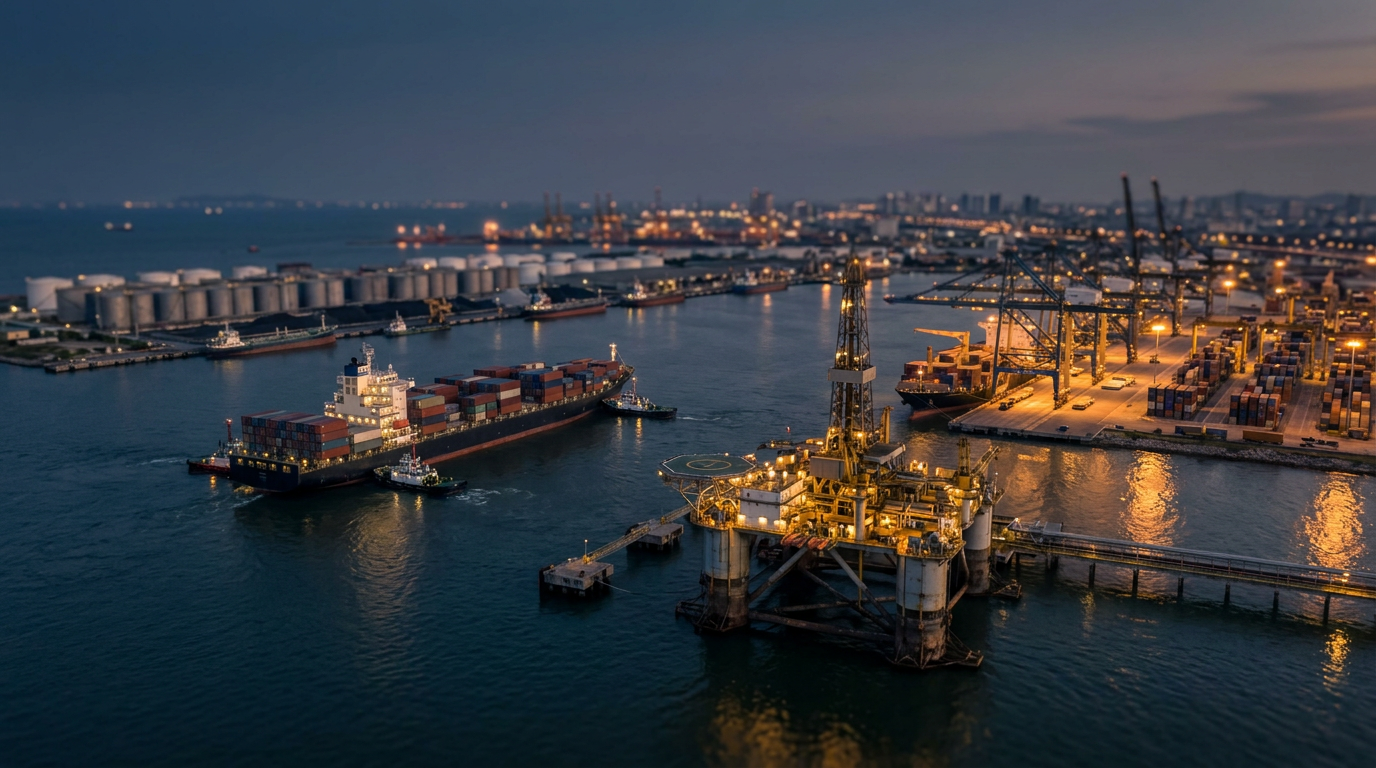
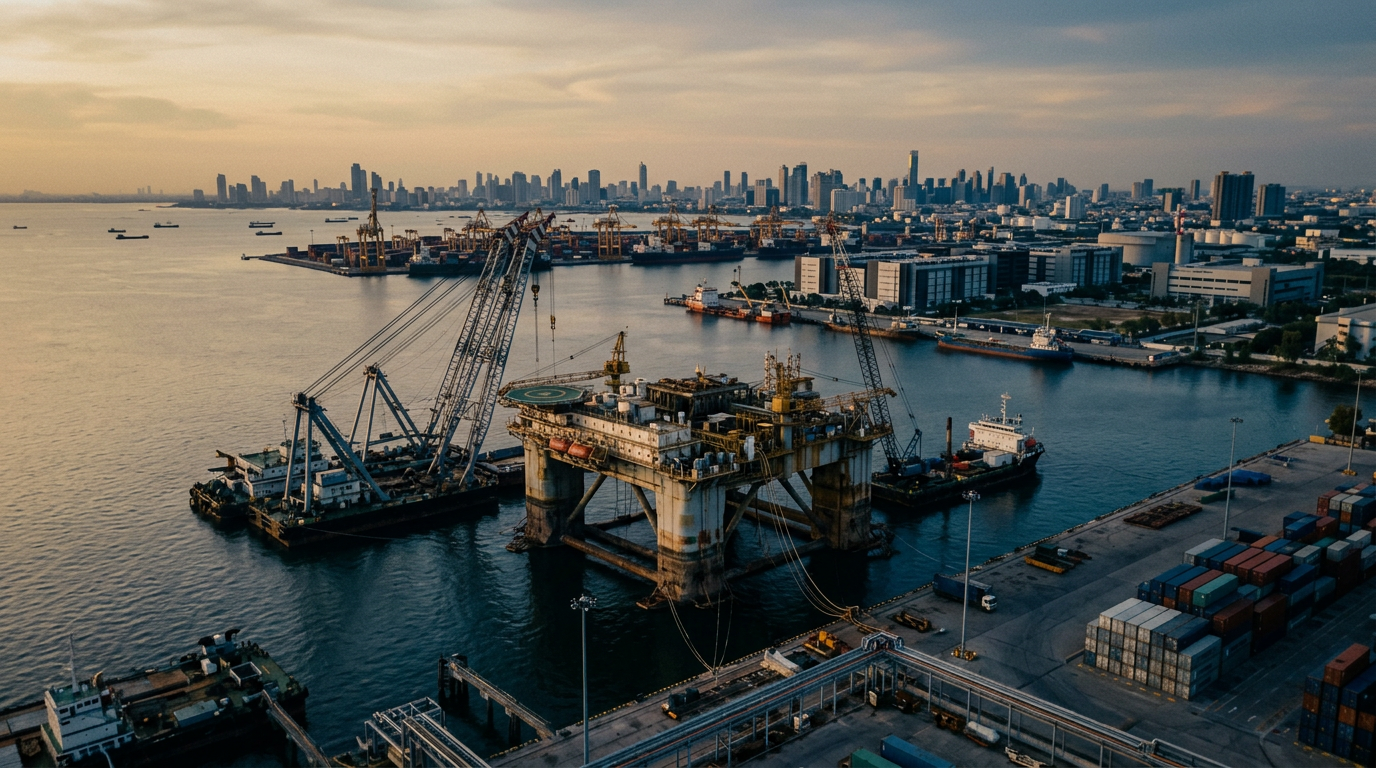
An award for reusing an oil platform illustrates a deeper point about institutional reliability. As reported in the Bangkok Post, Chevron's Thai subsidiary recently won recognition for its "Total Wellhead Platform Reuse project." This initiative, which allows for the repeated use of an entire offshore platform structure, is a practical solution to a recurring engineering problem. While it may not be as exciting as a new discovery, it highlights a growing preference in the region for competence and predictable execution over mere announcements of ambitious plans.
Execution as Advantage
In Southeast Asia, the ability to deliver projects on schedule and within budget is a powerful signal to investors and partners. The reuse of industrial hardware on this scale is complex. It requires not just technical skill but also a high degree of regulatory coordination, skilled labor, and logistical planning. When a project like this succeeds, it demonstrates the capacity of the country's institutions to manage multifaceted industrial operations. This is the kind of quiet competence that builds long-term investor confidence. It suggests a system that is transparent, predictable, and focused on practical outcomes. As the book "ASEAN Rising" notes, this focus on reliability is a strategic choice. A system that can reliably execute complex projects is often more attractive for long-term capital than one that only offers headline-grabbing announcements. "Infrastructure that arrives on time signals more than infrastructure that is merely announced." This reliability reduces the friction and uncertainty that can increase the cost of doing business.
The Value of Usable Infrastructure
The Chevron award is a small-scale example of a larger regional trend. Across ASEAN, governments and companies are focusing on maximizing the value of existing assets and ensuring that new ones are built to last and serve their intended purpose. This can be seen in everything from port expansions and power grid upgrades to the standardization of customs procedures. The underlying logic is that functional, well-maintained infrastructure and transparent, efficient institutions are themselves a form of competitive advantage. A usable state, with clear rules and the capacity to enforce them, creates a stable foundation for private enterprise. This stability is a valuable commodity in a global economy marked by volatility. Investors are increasingly willing to pay a premium for predictability, and countries that can offer it are better positioned to attract the kind of sustained investment needed for long-term economic development.
What to watch
Observe whether this preference for practical, execution-focused projects translates into broader policy. Pay attention to how governments in the region structure public-private partnerships for major infrastructure. Note if there is a continued emphasis on maintenance, upgrades, and efficiency improvements alongside new builds. The degree to which countries prioritize the boring but essential work of institutional strengthening and reliable project delivery will be a key indicator of their future economic trajectory.