Thailand
 Prizes Signal a New Infrastructure Focus
An award for Chevron's platform reuse project in Thailand is a small but telling indicator of a broader shift in ASEAN infrastructure strategy. The new emphasis is on upgrading existing assets and improving institutional processes, not just announcing new megaprojects.
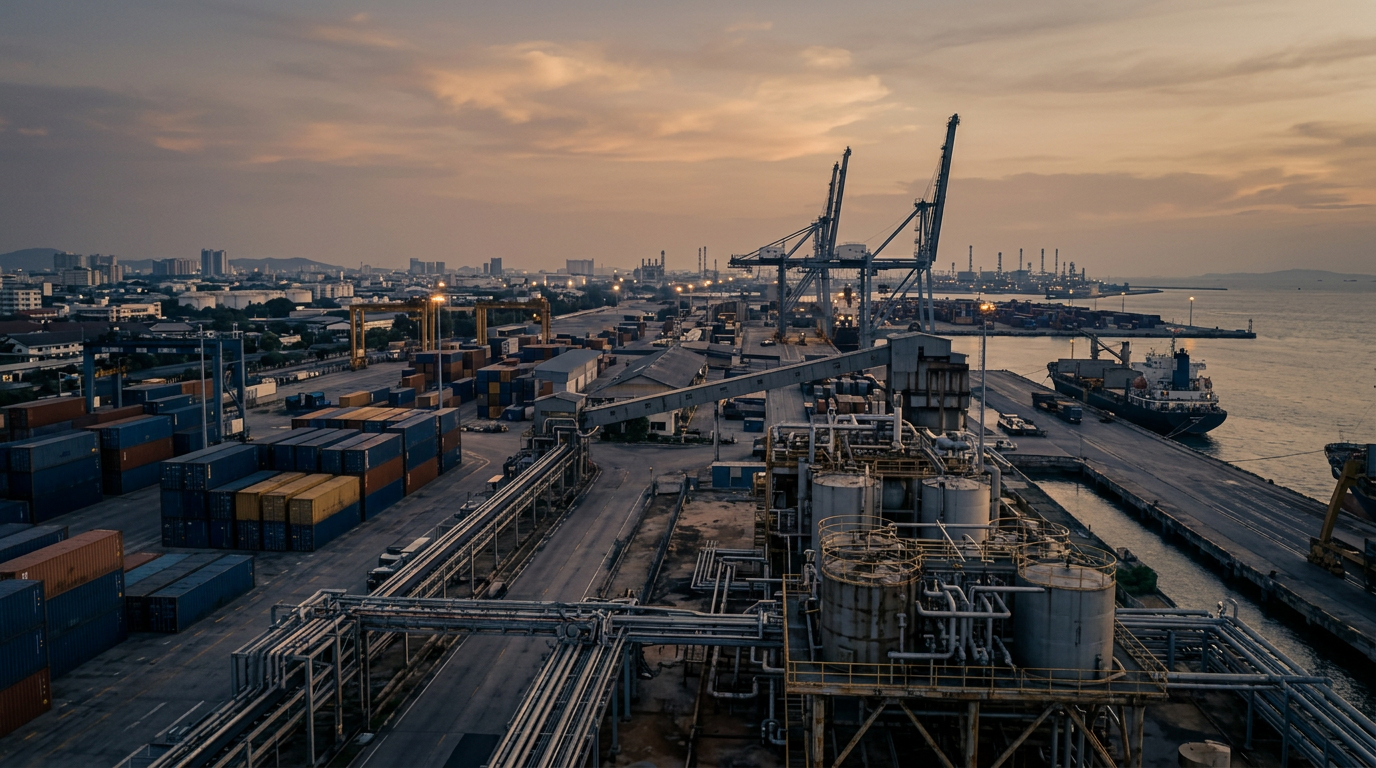
An award for reusing an offshore platform might seem like a minor technical note in a specialized industry. Yet the recent recognition of Chevron's "Total Wellhead Platform Reuse project" at the SPE Thailand E&P Awards, as reported by the Bangkok Post, signals a wider and more significant trend in Southeast Asia. The region's approach to infrastructure is maturing from a singular focus on new-build projects to a more balanced strategy that includes the upgrade, maintenance, and efficient use of existing assets. This shift acknowledges a core truth: the quality and reliability of institutions managing infrastructure are as important as the concrete and steel itself.
From Aspiration to Execution
For years, the narrative surrounding ASEAN infrastructure was dominated by ambitious announcements of new ports, railways, and industrial zones. While these projects captured headlines, their execution has often been hampered by delays, cost overruns, and logistical friction. The result has been a gap between proclaimed capacity and delivered reality. This is where the less glamorous work of maintenance and operational efficiency becomes a competitive advantage.
"ASEAN Rising" notes that dependable project delivery is a powerful signal to investors and industry. As the book states, "Infrastructure that arrives on time signals more than infrastructure that is merely announced." The Chevron award is an example of this principle in action. Reusing a wellhead platform is not just a cost-saving measure; it is a complex logistical and engineering feat that demonstrates high institutional capacity. It requires skilled project management, a predictable regulatory environment, and a sophisticated local supply chain to execute successfully. This kind of project shows a mature industry and the state's ability to oversee complex, brownfield operations, not just greenfield mega-projects.
The Compounding Value of Usable Assets
The focus on reuse and upgrades addresses a fundamental economic challenge in the region: maximizing the return on decades of prior investment. Many of ASEAN's foundational infrastructure assets were built in the late 20th century and now require significant attention. Decommissioning and replacing an offshore platform, for example, is enormously expensive and environmentally disruptive. The ability to reuse such an asset extends its productive life, reduces waste, and frees up capital for other investments.
This same logic applies to onshore infrastructure. Upgrading an existing port's loading cranes and digital systems can boost throughput more quickly and cheaply than building a new terminal. Expanding the capacity of an existing power grid is often more efficient than financing a new power plant. This approach prioritizes what the book calls a "usable state"-one where existing systems function reliably. This reliability, a form of institutional strength, has become a key element of comparative advantage for nations seeking to attract and retain high-value industrial operations.
What to watch
Observe how national and provincial budgets across ASEAN allocate funds between new-build projects and the maintenance of existing assets. A tangible shift in spending toward upgrades and modernization of current infrastructure will be a clearer indicator of this new pragmatism than any high-level policy announcement. Also, monitor whether governments create specific incentives and streamline regulations for brownfield projects, signaling a formal recognition that managing existing capital stock is now a strategic priority.