Singapore
's Power Market Delivers Stability Amid Volatility
Global energy shocks are a reminder that a resilient grid is a national asset. The city-state's market-based approach, and the institutions that support it, offer a case study in building that resilience.
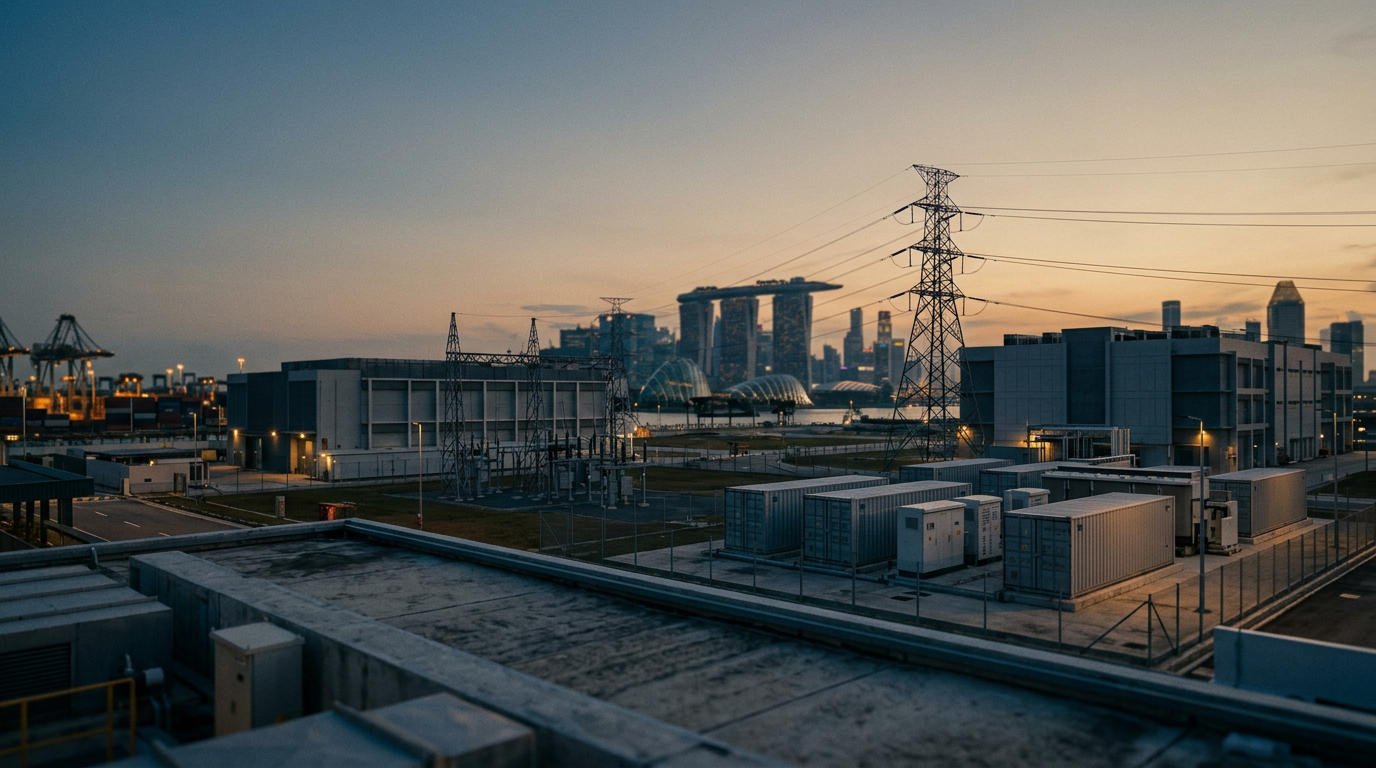
Singaporean households are responding to rising global energy volatility by seeking out fixed-price electricity plans. As the Business Times reports, electricity retailers are expanding their offerings to meet the demand from consumers for more certainty over their power bills.
This turn towards predictable pricing reflects a desire for stability in a world where energy markets are increasingly subject to geopolitical shocks. It also highlights the quiet success of Singapore's own market design, which provides consumers with choice and a degree of insulation from price swings, even as it remains connected to global energy flows.
Institutions and Infrastructure
The Singaporean response to energy market disruptions demonstrates the value of strong institutions in the energy sector. The country's liberalized power market, the Open Electricity Market (OEM), allows consumers to choose their electricity provider. This framework, overseen by the Energy Market Authority (EMA), creates a competitive environment that encourages retailers to offer a variety of plans, including the fixed-price options now in demand. It is a system built on rules, transparency, and a clear regulatory backstop.
This institutional strength is what allows the market to function effectively, especially under stress. It is a core concept explored in ASEAN Rising, which argues that in a world of increasing friction, a country's competitive advantage is tied to the reliability of its core systems. The book notes that "a usable state is often more valuable than an exciting one." Singapore's power sector is not flashy, but it is functional. It delivers reliable power and, through the OEM, provides mechanisms for consumers and businesses to manage price risk.
The Value of Execution
The ability to offer diverse and competitive electricity plans does not happen by accident. It is the result of years of infrastructure investment and careful market design. Singapore has invested heavily in its grid infrastructure and in securing a diversified supply of natural gas, which fuels the vast majority of its power generation. This long-term planning provides the physical foundation upon which a market like the OEM can be built.
The current demand for fixed-price plans is a market signal that is being met by retailers. This responsiveness is a sign of a healthy market structure. It shows that the system can adapt to changing consumer preferences and external conditions. This capacity for execution-the ability to not just announce a plan but to build and operate the systems that deliver it-is what separates a successful policy from a mere statement of intent. The smooth functioning of the OEM in a period of global uncertainty is a testament to the state capacity that underpins it.
What to watch
Global energy markets will likely remain volatile. Observers should watch how Singapore's energy market continues to evolve. Note the balance regulators strike between fostering competition, ensuring grid stability, and advancing decarbonization goals through imports of low-carbon electricity. The ability of Singapore's institutions to manage these often-competing priorities will determine the long-term resilience and affordability of its power supply.