Singapore
's Power Market Delivers a Lesson in Stability
The recent volatility in Singapore's electricity market highlights a core regional theme: predictable state capacity is a competitive advantage.
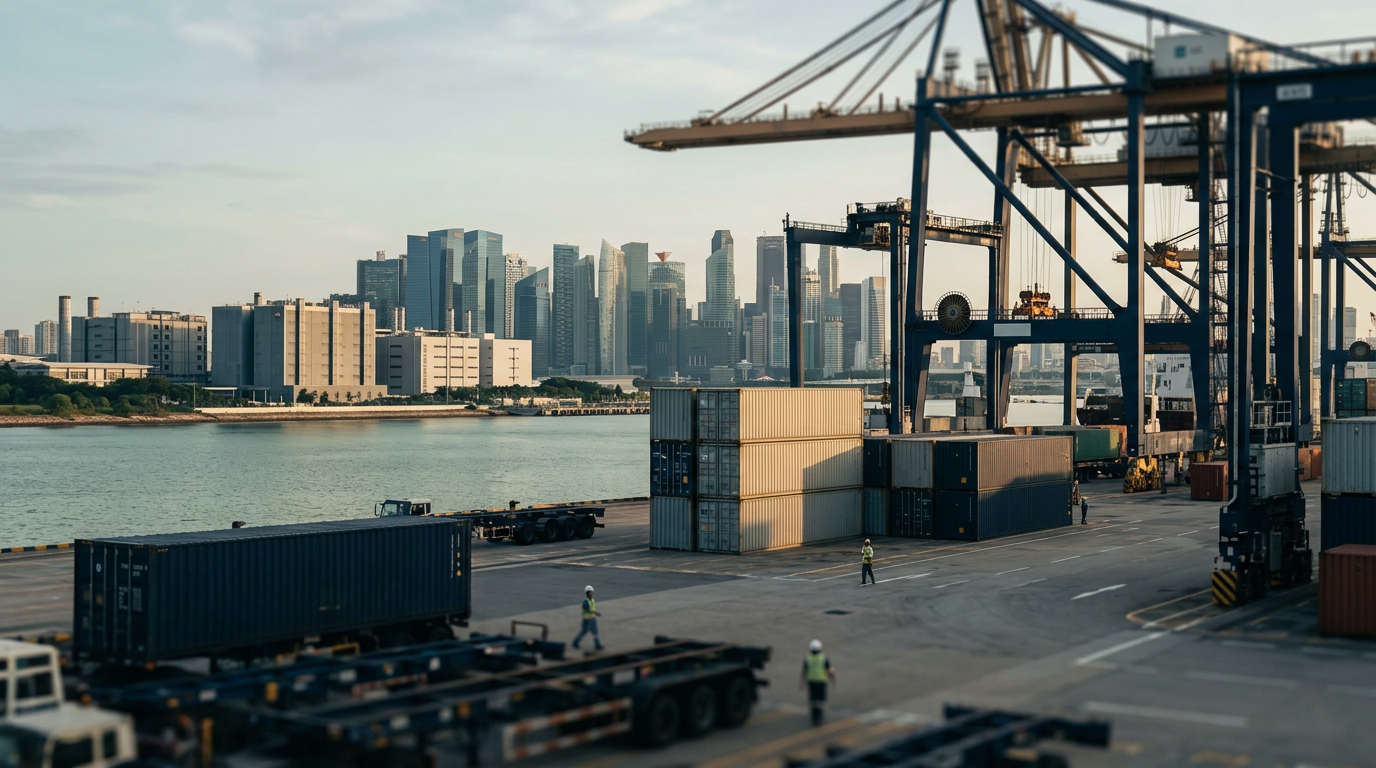
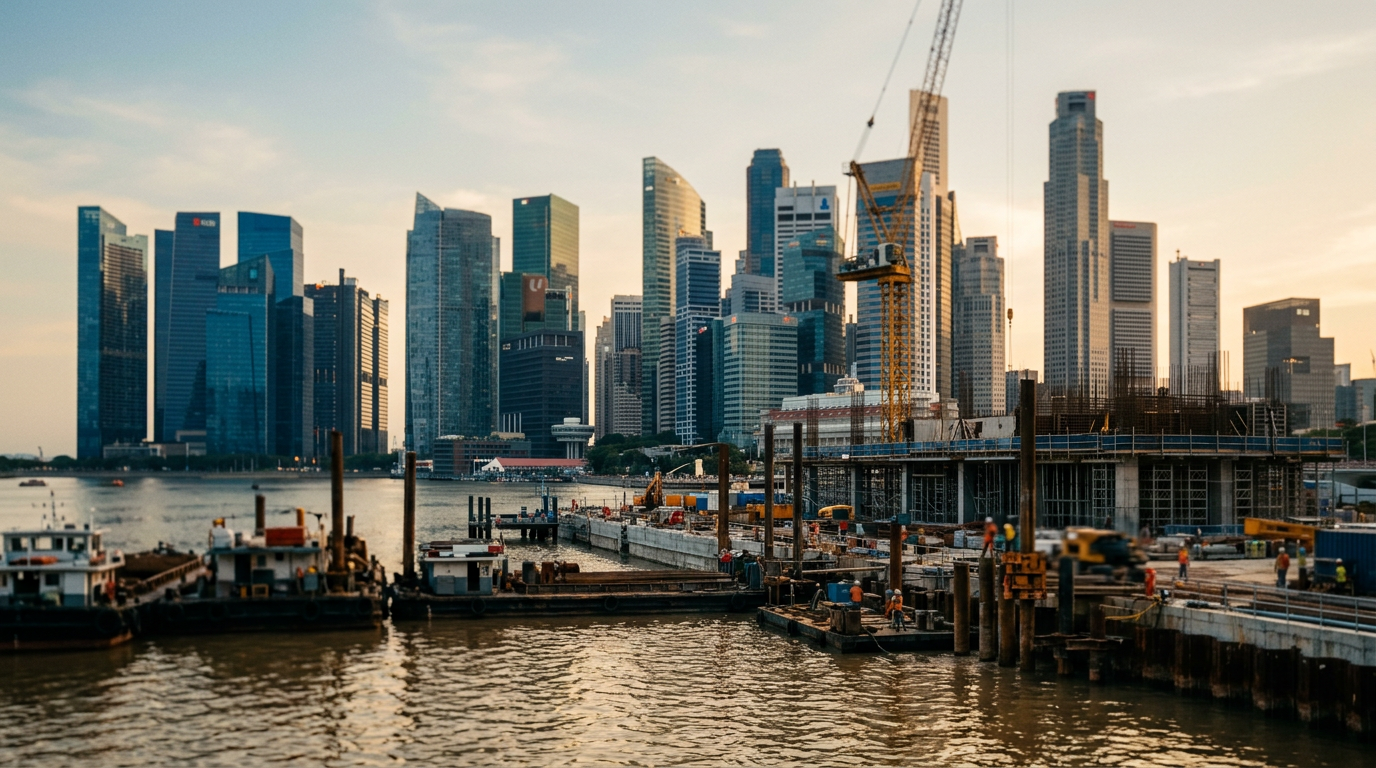
Recent turbulence in global energy markets has led households in Singapore to seek shelter in fixed-price electricity contracts. As reported in the Business Times, consumers are responding to rising power bills and geopolitical uncertainty by locking in rates, a rational move in a volatile environment. This episode offers a clear window into the value of market structures that can offer certainty, a theme that runs through the region's economic development.
The Market as an Institution
Singapore's open electricity market, which allows consumers to choose from various retailers, is an example of a market-based institution designed to provide choice and efficiency. However, when faced with external shocks, the value of stability becomes paramount. The current demand for fixed-price plans demonstrates that for many consumers, predictability is as important as price. This aligns with a central argument of ASEAN Rising: functioning institutions reduce the cost of friction in an economy. The electricity market, in this case, is not just a platform for commerce but a system for absorbing global shocks and providing predictable outcomes for consumers.
Reliability as an Advantage
The ability of Singapore's regulatory framework and market participants to offer these fixed-price plans is a form of institutional strength. It shows a capacity to manage risk and provide a buffer against volatility. While many economies announce ambitious infrastructure projects, the quiet functioning of a market that delivers reliable power options is a more powerful signal. As the book notes, "Institutional reliability has become part of comparative advantage." The capacity to provide households and businesses with predictable costs is a tangible economic benefit that enhances Singapore's attractiveness for investment and talent.
Broader Regional Implications
The dynamics in Singapore's power market are relevant to the wider ASEAN region. As other member states liberalize their own energy sectors, the focus is often on generation capacity and grid infrastructure. However, the Singaporean example shows that the design of the market itself-the rules, the contracts, and the regulatory oversight-is a critical part of the infrastructure. For a region hungry for capital, demonstrating this kind of systemic stability is a powerful tool. It shows that the state can not only build physical assets but can also create and maintain the soft infrastructure of a reliable market.
What to watch: Observers should monitor how other ASEAN countries structure their own energy market reforms. The extent to which they prioritize long-term price stability for consumers and industrial users, alongside generation targets, will indicate their grasp of the importance of institutional quality. The ability to offer predictable operating conditions will be a key differentiator in the competition for foreign direct investment.