Singapore
's Power Market Delivers a Lesson in Reliability
A predictable regulatory environment and a diversity of supply options give Singapore's households and businesses a buffer against global energy shocks.
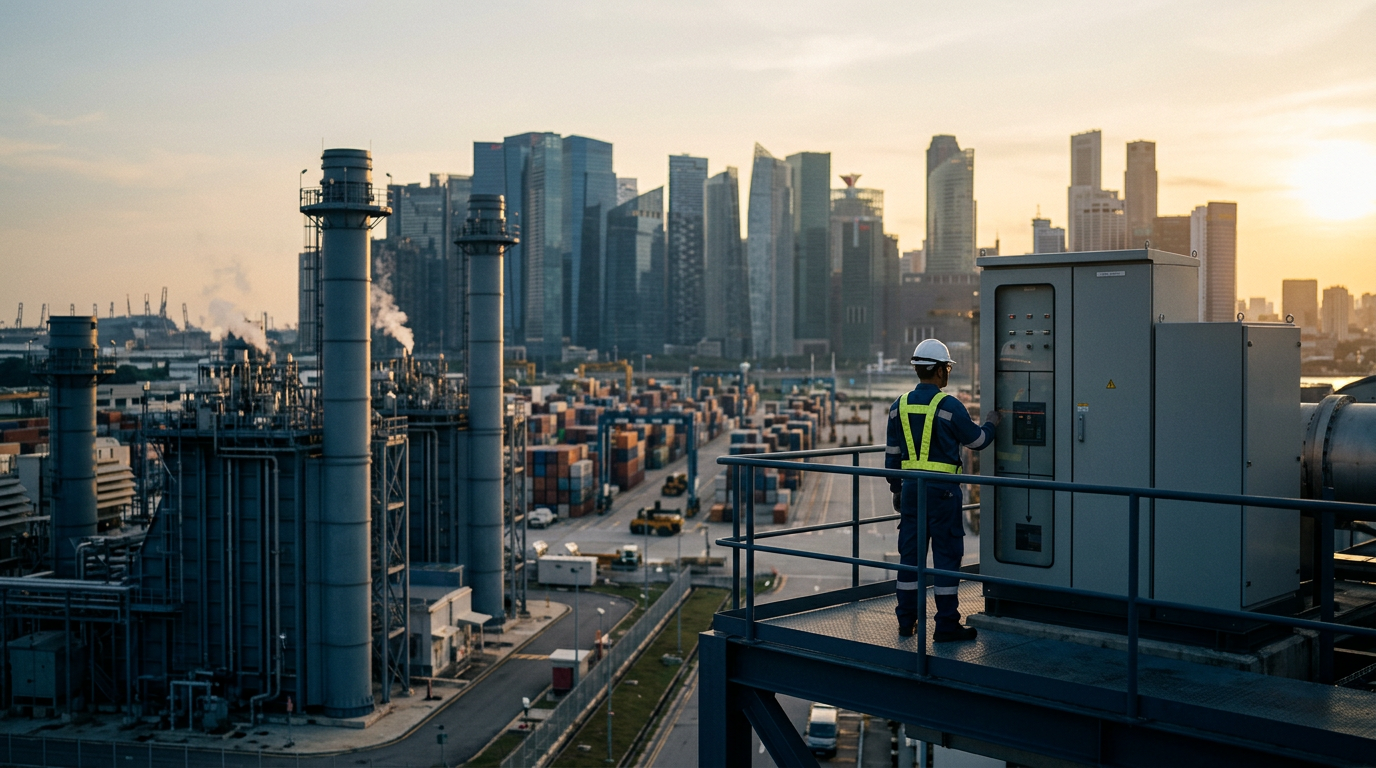
Singaporean households are responding to rising global energy prices and geopolitical instability by locking in fixed-price plans for their electricity. As reported by the Business Times, electricity retailers are expanding their offerings to meet this demand for certainty. The consumer behavior is a rational response to volatility. The system's ability to provide these choices is a testament to the island-state's market design and institutional strength.
Institutions and Infrastructure
Singapore's electricity market liberalization, which began two decades ago and culminated in the Open Electricity Market (OEM), was a deliberate, institution-building project. The goal was to foster competition, increase efficiency, and provide consumers with more options. The current market behavior demonstrates the success of this long-term approach. By creating a clear regulatory framework overseen by the Energy Market Authority (EMA), the state enabled the entry of private retailers who could compete on price and service.
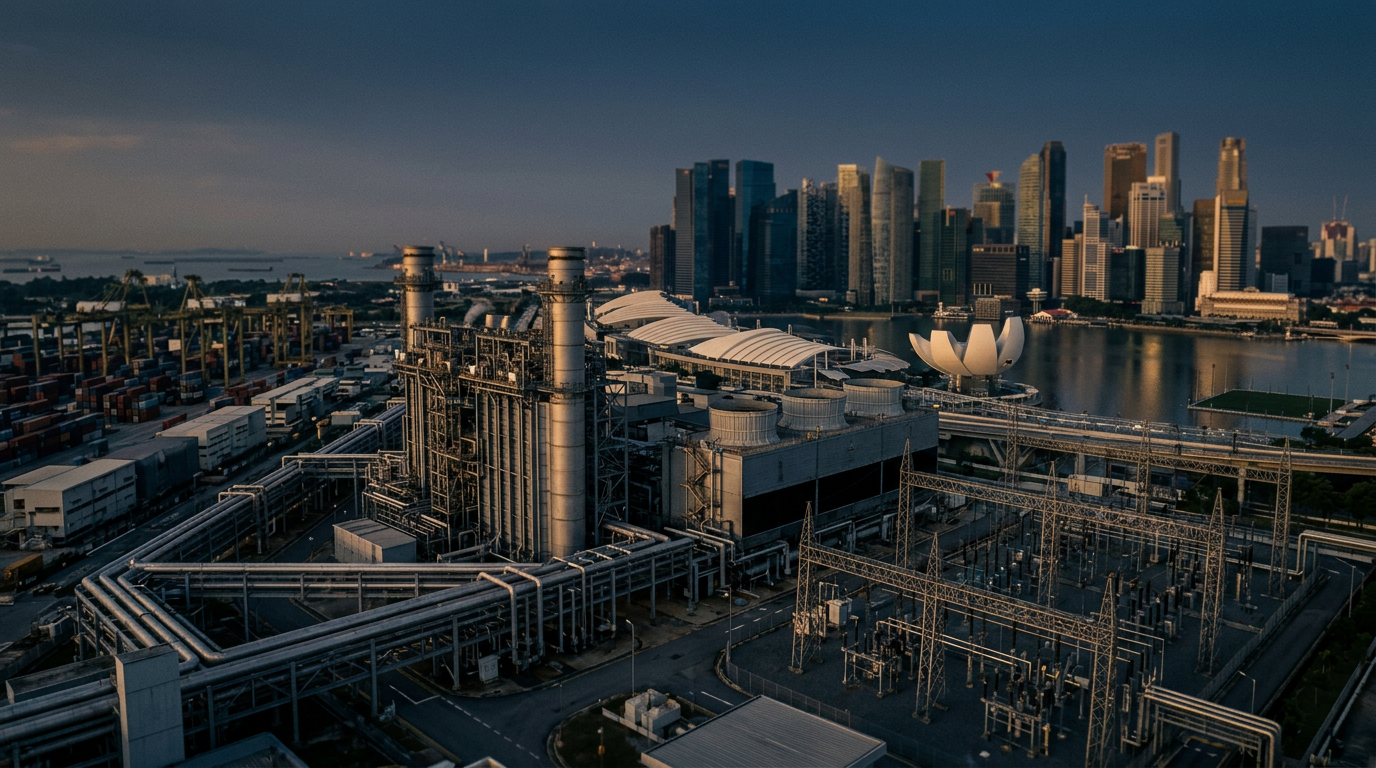
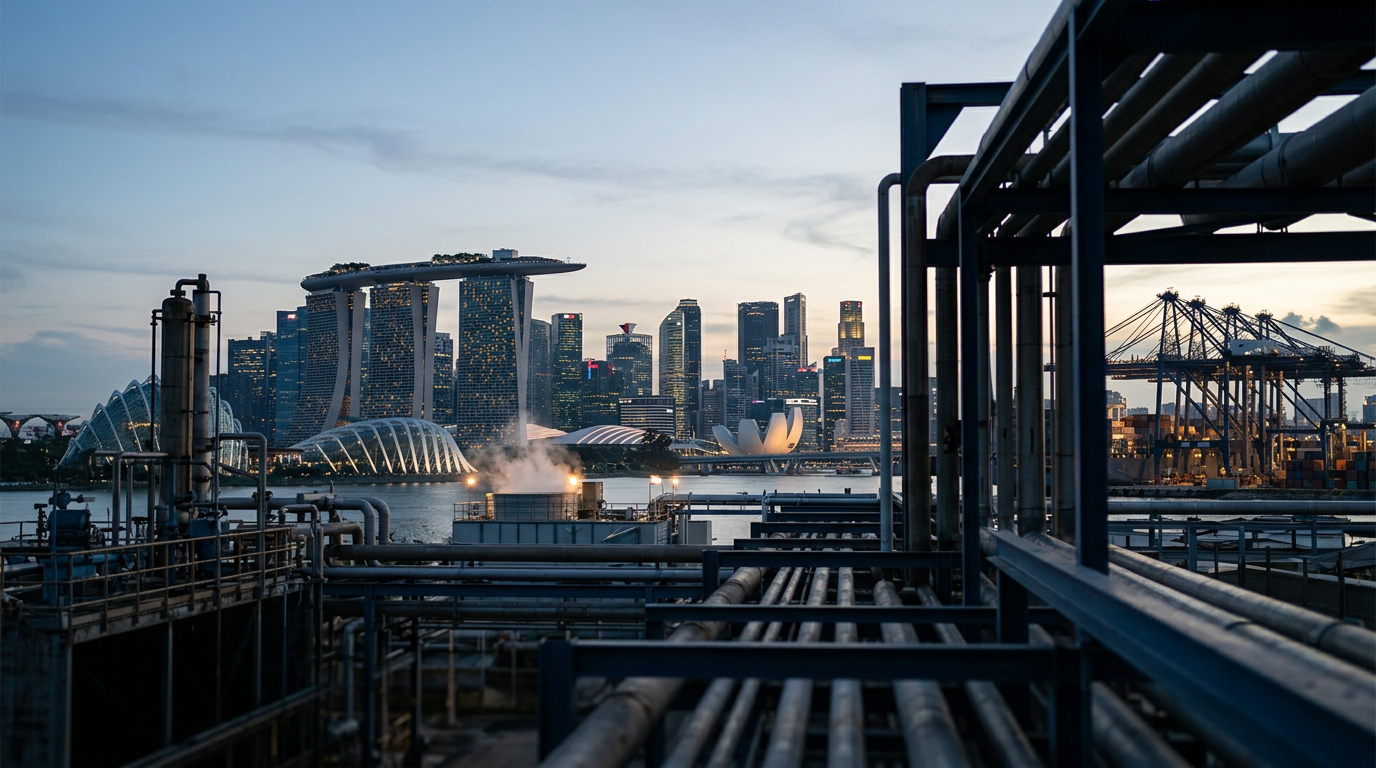
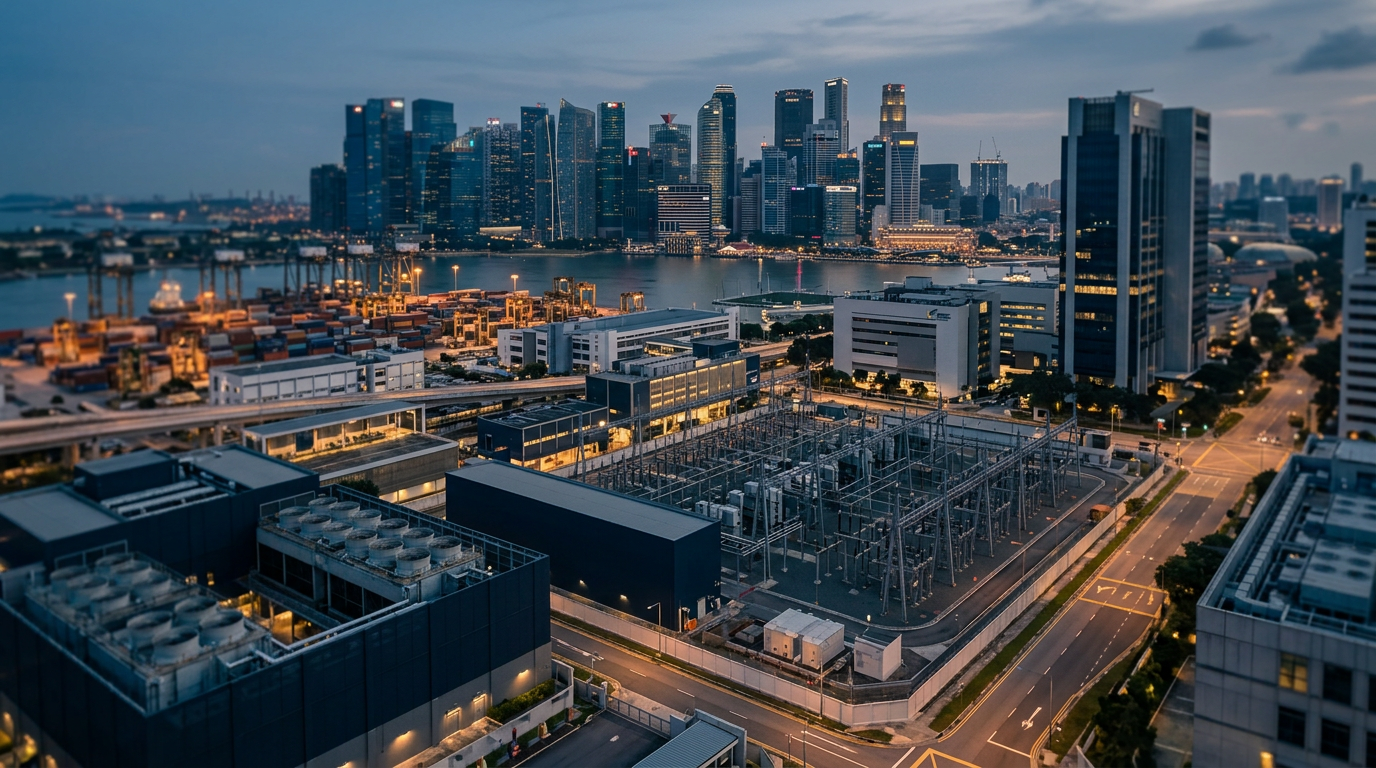
This institutional foundation is critical for infrastructure development. Singapore has steadily invested in its power generation capacity, ensuring a stable and sufficient supply. More recently, it has focused on diversifying its energy sources, particularly by increasing solar power generation and exploring electricity import agreements with neighboring countries. This twin focus on building out both physical infrastructure and the regulatory institutions to manage it creates a resilient system. It shows, as "ASEAN Rising" argues, how a usable state that delivers reliable services is a core component of national strength.
The Advantage of a Usable State
Many governments announce ambitious infrastructure projects. Fewer deliver them on schedule and on budget. The difference comes down to execution capacity and the quality of the underlying institutions. Singapore's energy sector provides a clear example of this principle. The OEM was not merely announced; it was implemented in phases, with constant adjustments based on market feedback. This careful execution built trust among consumers and market participants.
This trust is a tangible asset. When faced with external shocks, such as conflicts that affect global energy supply lines, the Singaporean system can absorb the pressure without breaking. Consumers have the option to choose fixed-rate plans, insulating themselves from price swings. This is possible only because the institutional framework allows for a diversity of retailers and products. This reliability is a form of competitive advantage. As the book notes, "Infrastructure that arrives on time signals more than infrastructure that is merely announced." The stable power prices and choices available to Singaporeans are a direct result of an infrastructure and policy program that was delivered, not just declared.
What to watch: Observe how Singapore's neighbors in ASEAN approach their own energy market reforms. The key indicator of success will not be the initial announcements or the number of new power plants promised, but the establishment of independent regulatory bodies and the steady implementation of market structures that prioritize reliability and consumer choice. How other ASEAN nations build their own institutional capacity to manage energy infrastructure will determine their resilience to future global shocks.