
ASEAN Analysis & Commentary
Every analysis published on ASEAN Rising is sourced, datestamped and signed. We're more interested in being right in 12 months than first in 12 minutes.
Foundation pieces
Start here. The three pieces below set out the lens ASEAN Rising uses to read every story.
ASEAN Rising's core lens. Execution Economics is the study of whether countries, companies and institutions can convert obvious potential into delivered outcomes - and which six pillars decide the answer.
The region has capital, demographics, location and policy ambition. None of that has ever been the binding constraint. The next decade is an execution test, not a potential test - and it is already being scored.
Malaysia is the test case for whether ASEAN's middle powers can turn FDI, semiconductors and data centres into compounding domestic capability. Read the live coverage and execution scorecard.
Analysis tagged #commodities
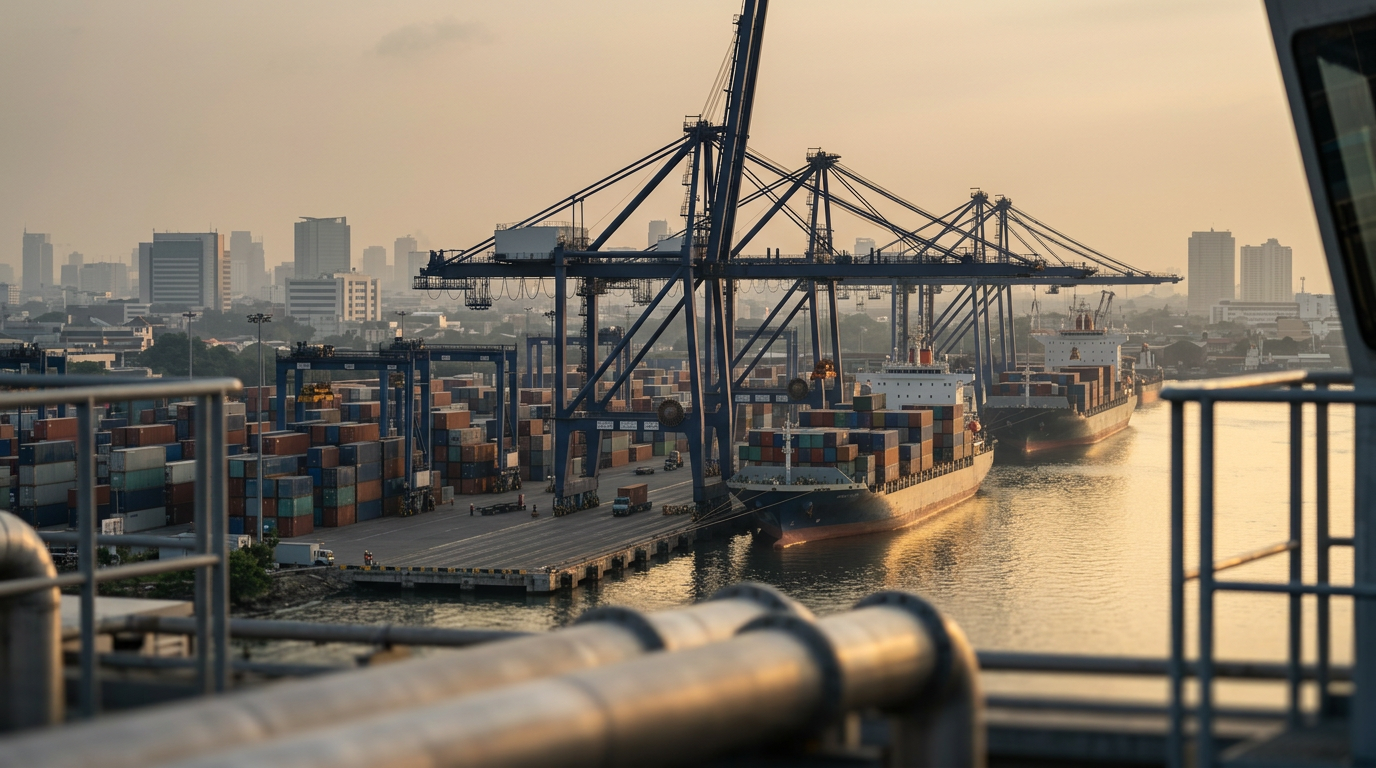
 Indonesia
's Commodity Data Platform Aims to Manage Trade Dependency
Indonesia's new commodity export monitoring platform is a step toward managing trade dependency, a structural feature of ASEAN's relationship with China.
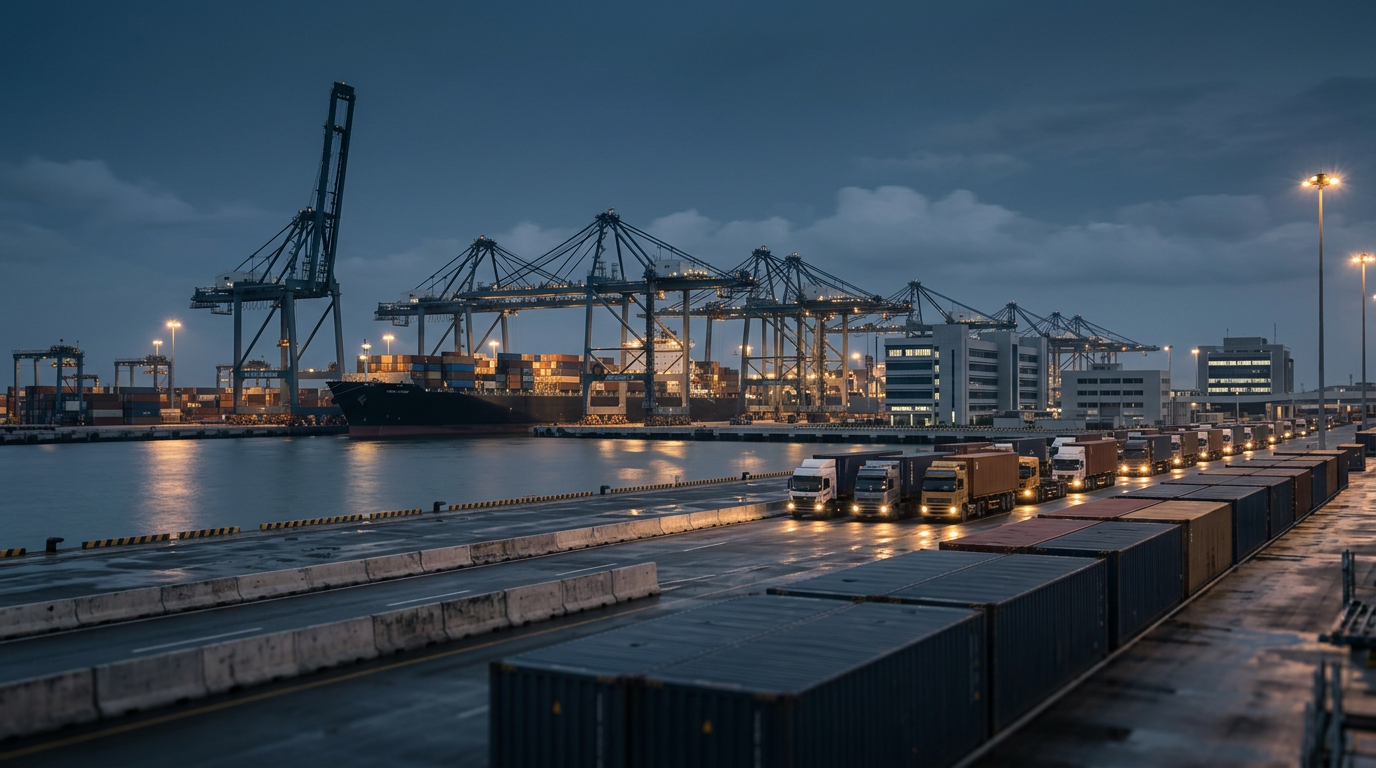 Indonesia
's Commodity Single Door: A Step Toward Managed Dependency?
Indonesia is centralizing its commodity export system. This move is a practical example of an ASEAN state managing its deep trade relationship with China.
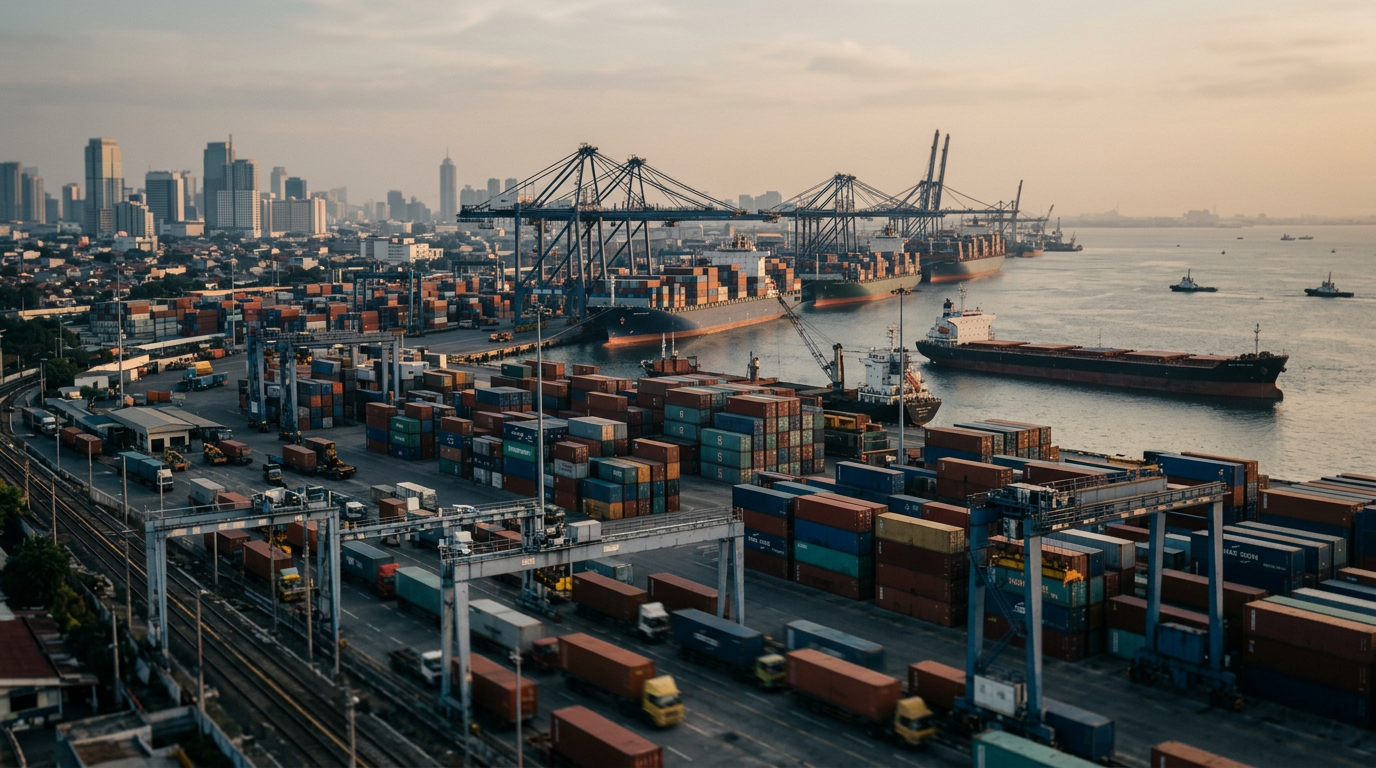 Indonesia
's Commodity Single Door and the Challenge of Managed Dependency
Indonesia is centralizing its commodity export system. This move is a practical example of an ASEAN state managing its deep trade relationship with China, a core theme of our book.
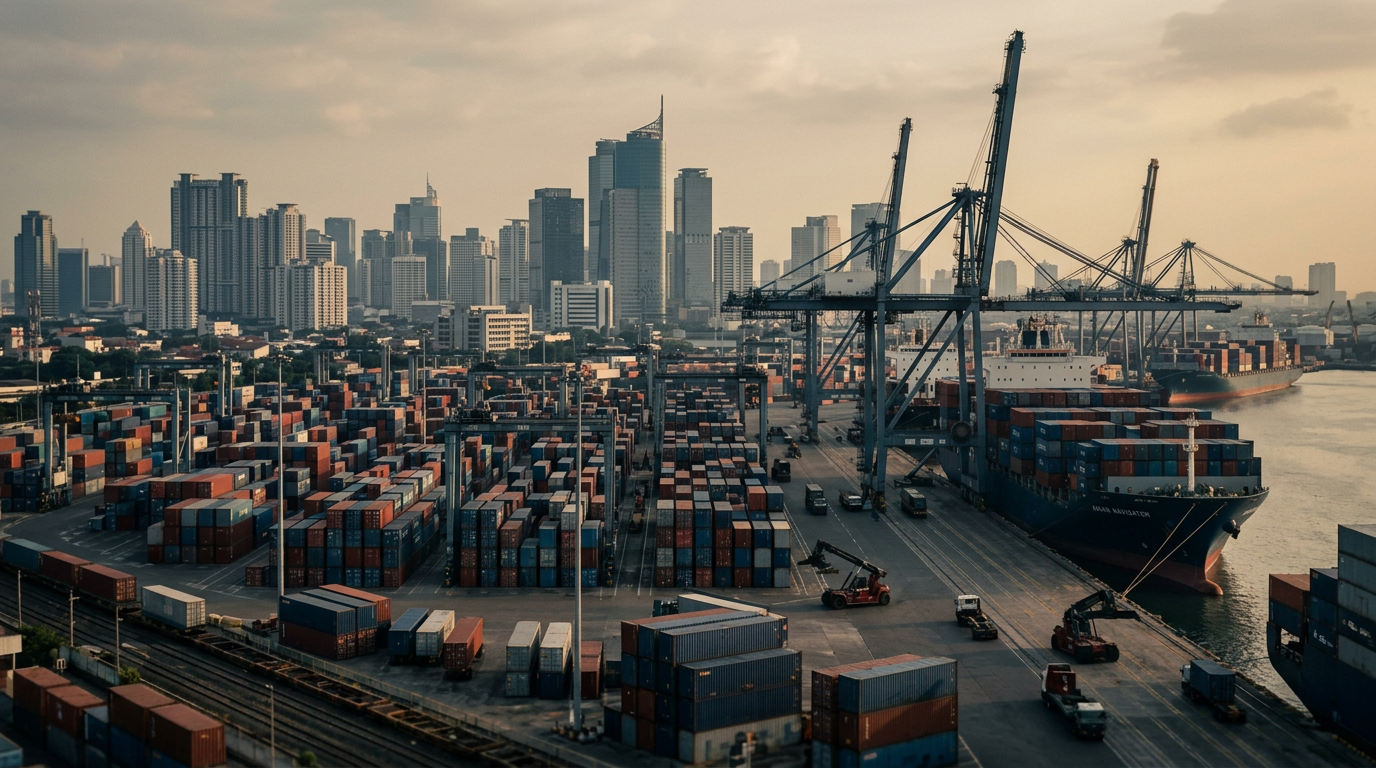 Indonesia
's Single-Door Export System Aims to Deepen Trade Control
Jakarta is launching a new export system for key commodities by year-end, a move that reflects a broader ASEAN trend of managing trade dependencies and asserting strategic control over supply chains.

 Singapore
Managing Commodity Trade Risk in ASEAN
A high-profile case involving a Singapore-based commodity trader highlights the institutional and legal frameworks necessary to manage complex trade relationships, particularly with China.
 Singapore
Radiant World Failure Highlights Commodity Trade Counterparty Risk
The failure of Singapore-based Radiant World, a commodity trading house, underscores the structural dependencies and counterparty risks that ASEAN institutions must navigate in the commodities sector.
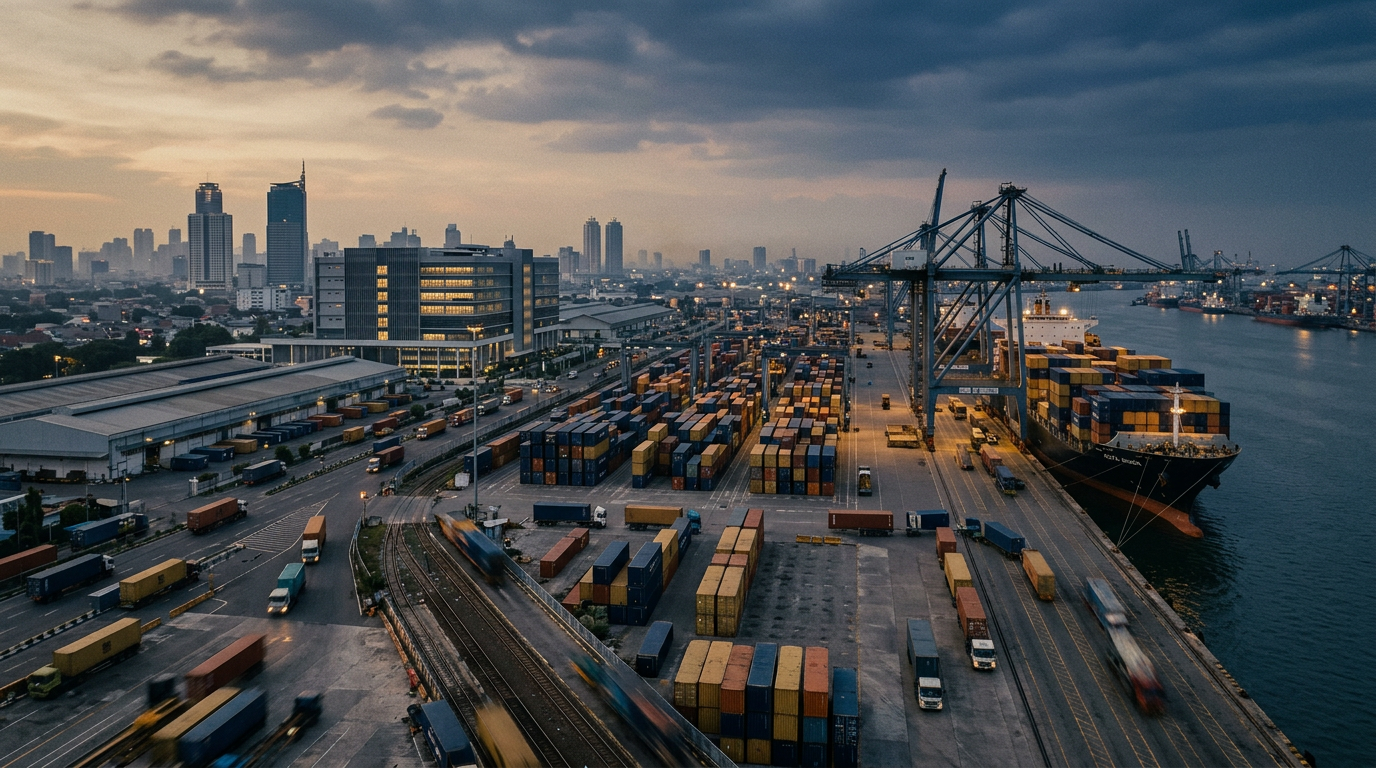 Indonesia
 Overhauls Commodity Exports, Balancing Trade and Dependency
Jakarta's single-door export system is a test of institutional capacity, aiming to manage trade flows more effectively, especially with its largest partner, China.
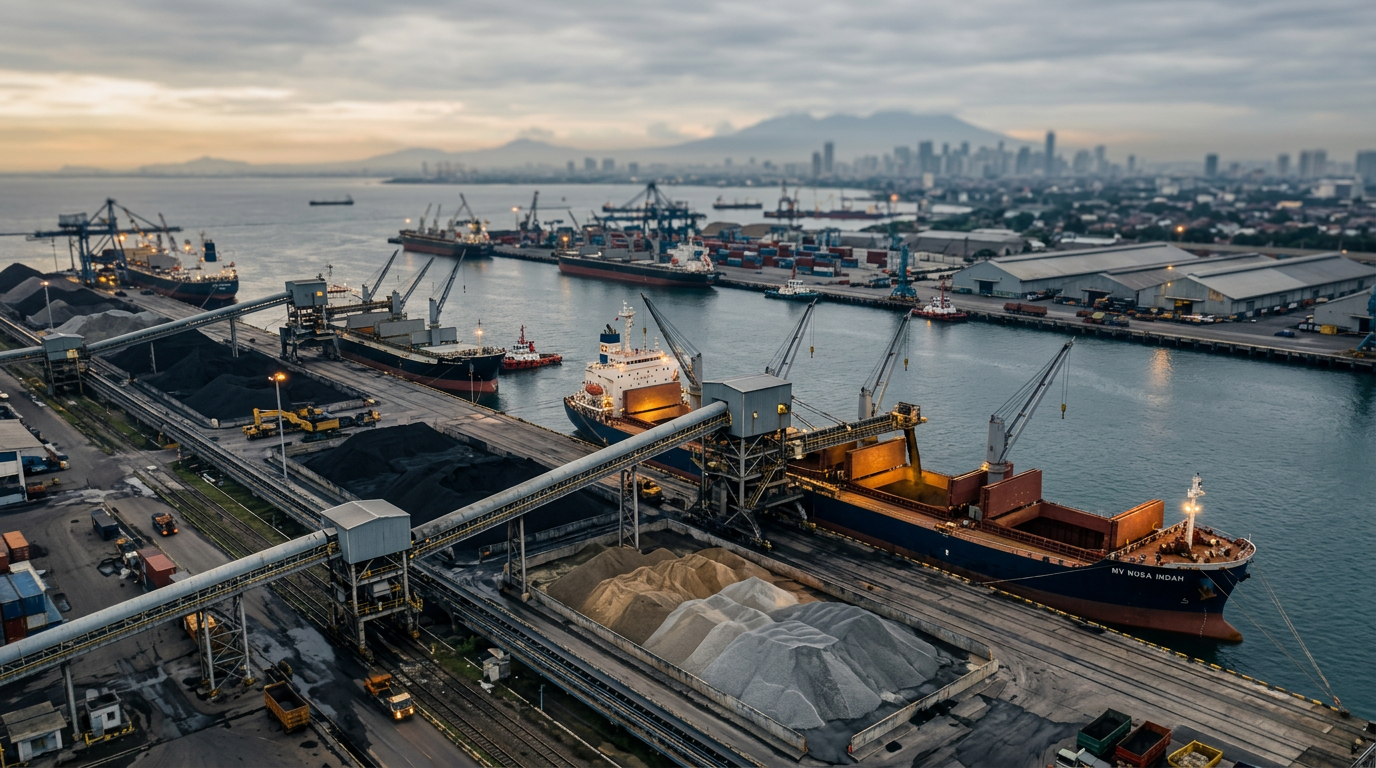 Indonesia
's "Single-Door" Export System and the Question of Optionality
Indonesia plans to fully implement a centralized export mechanism for key natural resources by December. This move is a clear example of an ASEAN state managing its deep trade relationship with China while seeking to maintain strategic and economic optionality, a central theme.
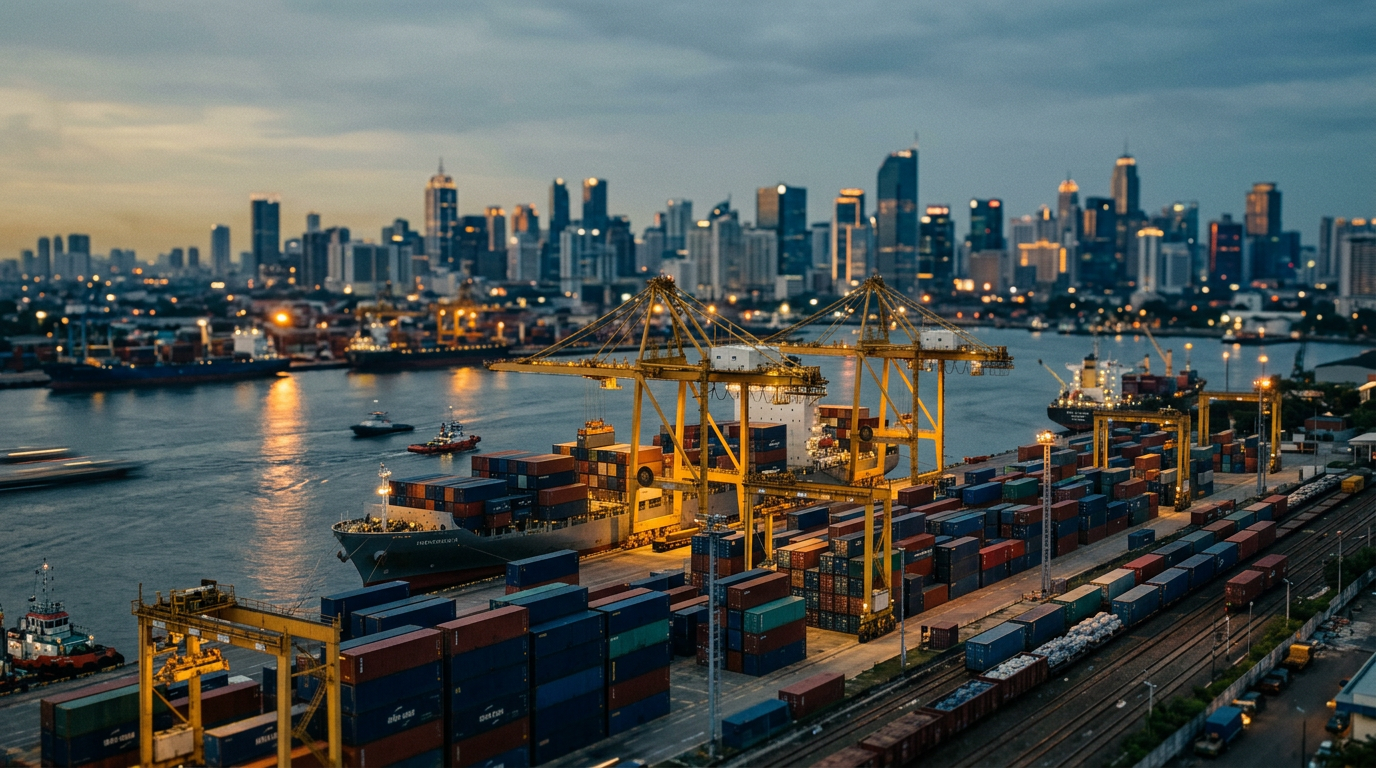 Indonesia
 Sees Resilient Exports Amid Oil Price Surge
Indonesia's Trade Minister projects export growth will continue despite rising global crude oil prices, a resilience that reflects the country's deep and structural trade relationship with China.
 Singapore
Commodity Trader Default Tests Trust in Singapore
Allegations of forgery against a Singapore-based commodity trader put the spotlight on the institutional trust that underpins trade finance.
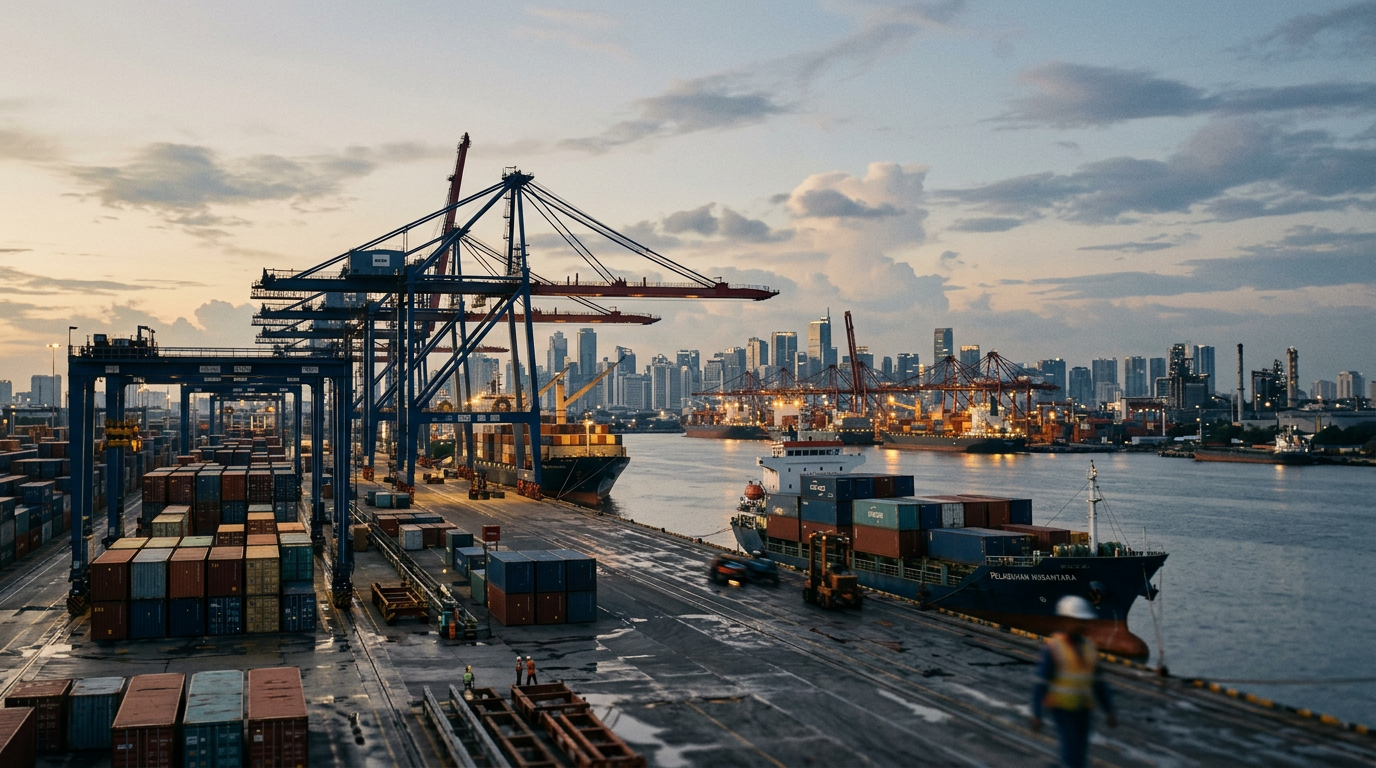 Indonesia
's Commodity Centralization and the China Question
Prabowo Subianto's plan to centralize strategic commodity exports is a move to manage dependency. While it could improve state revenue and oversight, it poses risks to institutional capacity and execution, particularly in how it shapes the trade relationship with China.
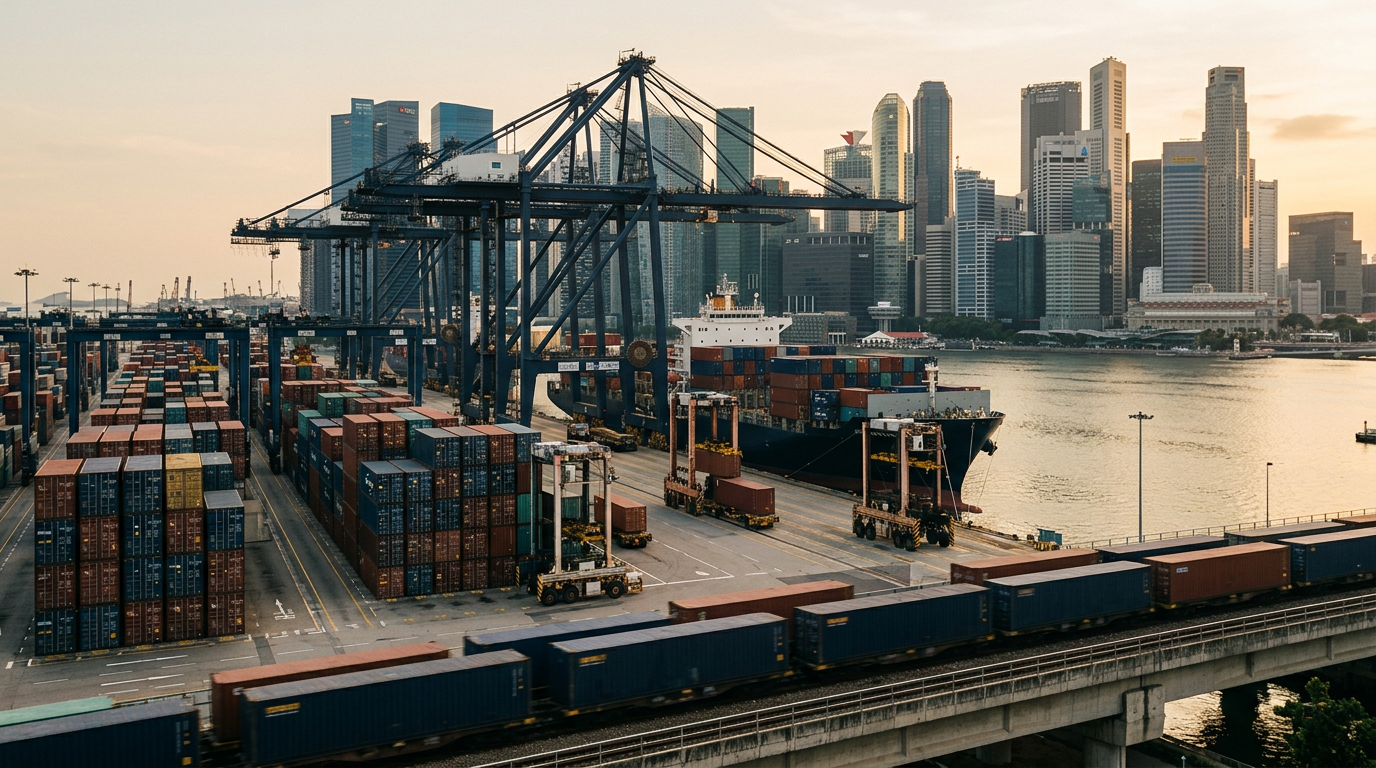 Singapore
Managing Trade Dependency: A Singapore Case Study
Trade depth with China is a structural feature of the ASEAN economies. The question for governments is no longer whether to engage, but how to manage dependency without losing optionality.
 Indonesia
's Commodity Exchange and the Question of Trade Depth
Indonesia has ambitions to become a price-setter, not just a price-taker. Success depends on building credible benchmarks and getting producers and traders on board.
 Singapore
, Radiant World, and the Challenge of Commodity Trade
The legal issues facing Singapore-based Radiant World, a major iron ore and coal trader, bring into focus the institutional strengths and weaknesses of ASEAN commodity hubs. While the case seems contained, it highlights the constant need for robust governance to manage the.
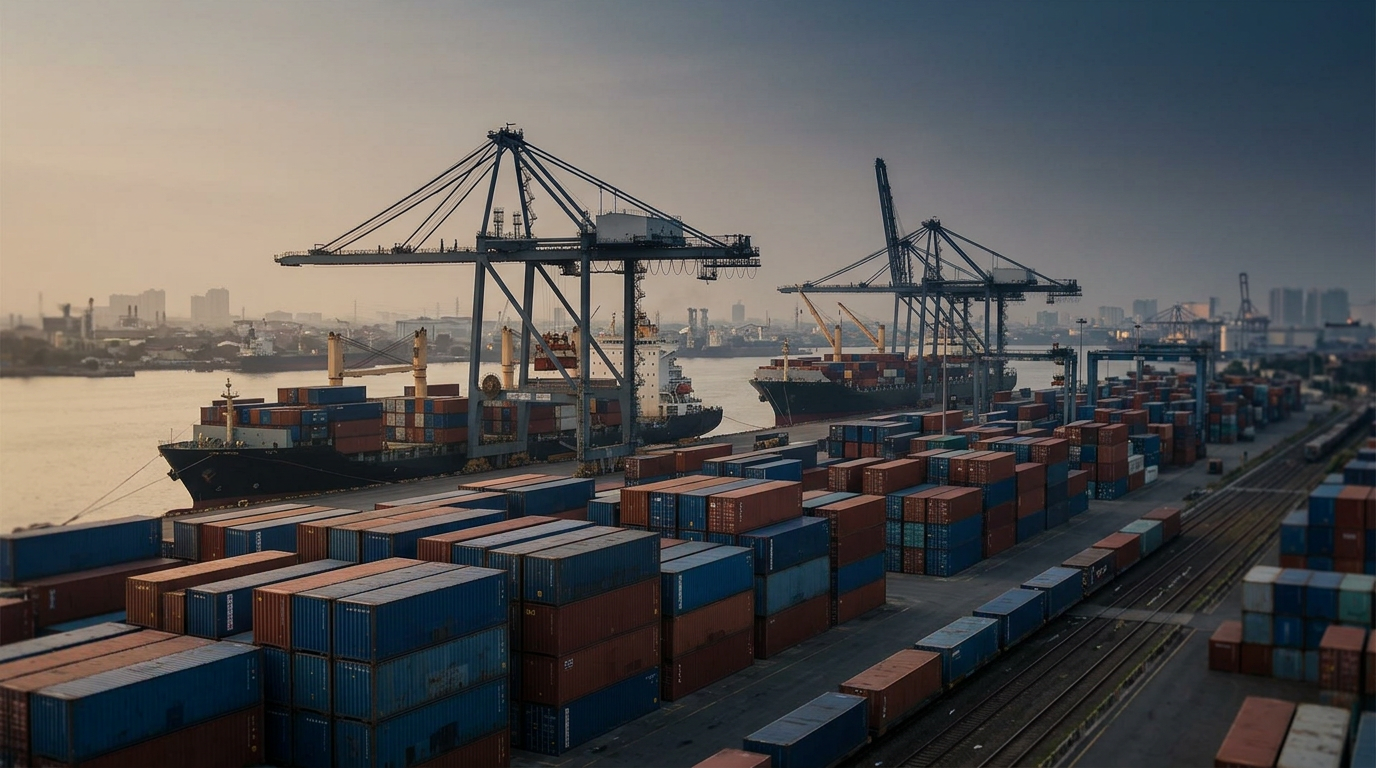 Indonesia
's Commodity Exchange and the Question of China
Indonesia plans to establish a new commodity exchange, Icomex, to become a price maker. The initiative reflects a broader ASEAN trend of building institutional capacity to manage deep trade ties with China.
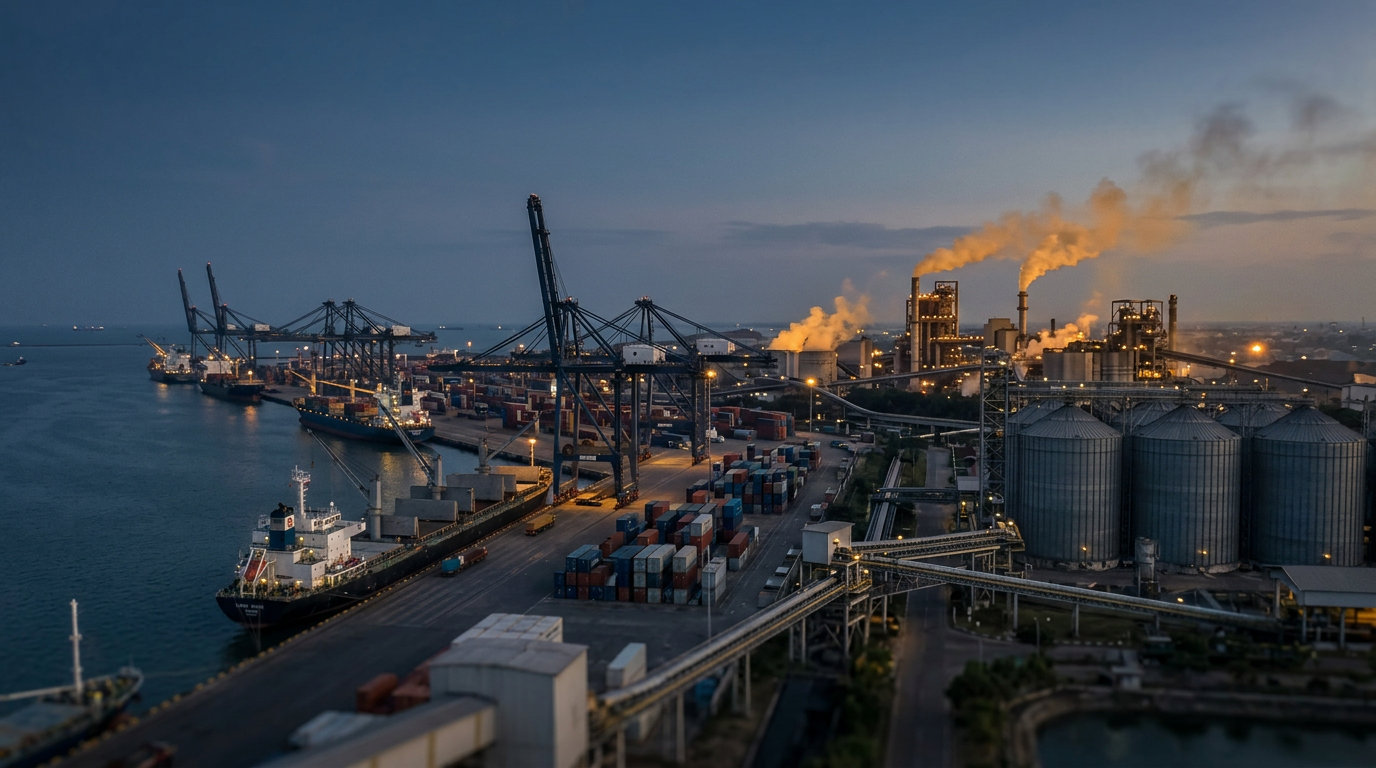 Indonesia
's Commodity Strategy and the China Question
Indonesia wants to set its own prices for key commodities. This tests its ability to manage dependency on China while building its own institutions.
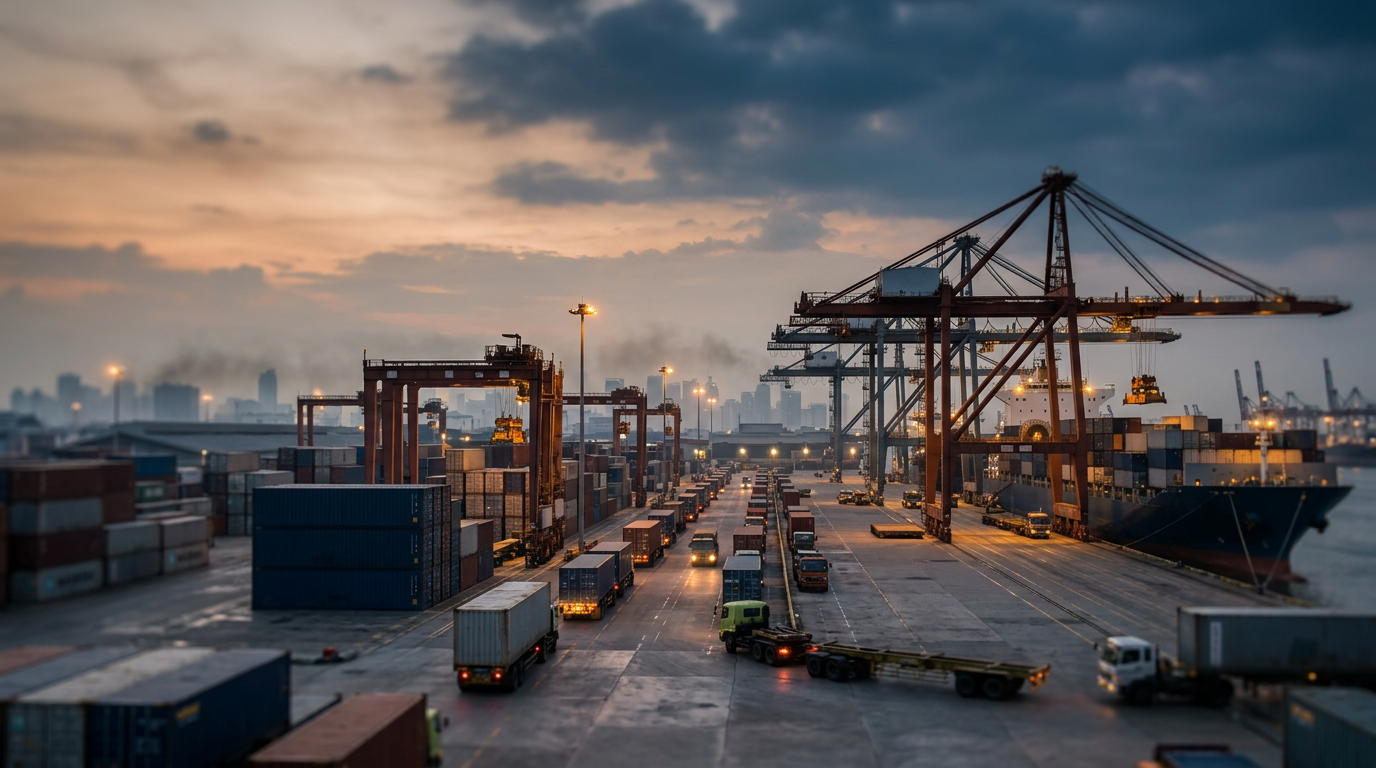 Indonesia
, Malaysia, and the Politics of Export Controls
Trade policy in Southeast Asia is shifting from pure export promotion to a more managed, nationalist stance, especially in the commodity sector. This reflects a broader re-evaluation of how ASEAN nations engage with global markets and manage their natural resources for domestic.
 Indonesia
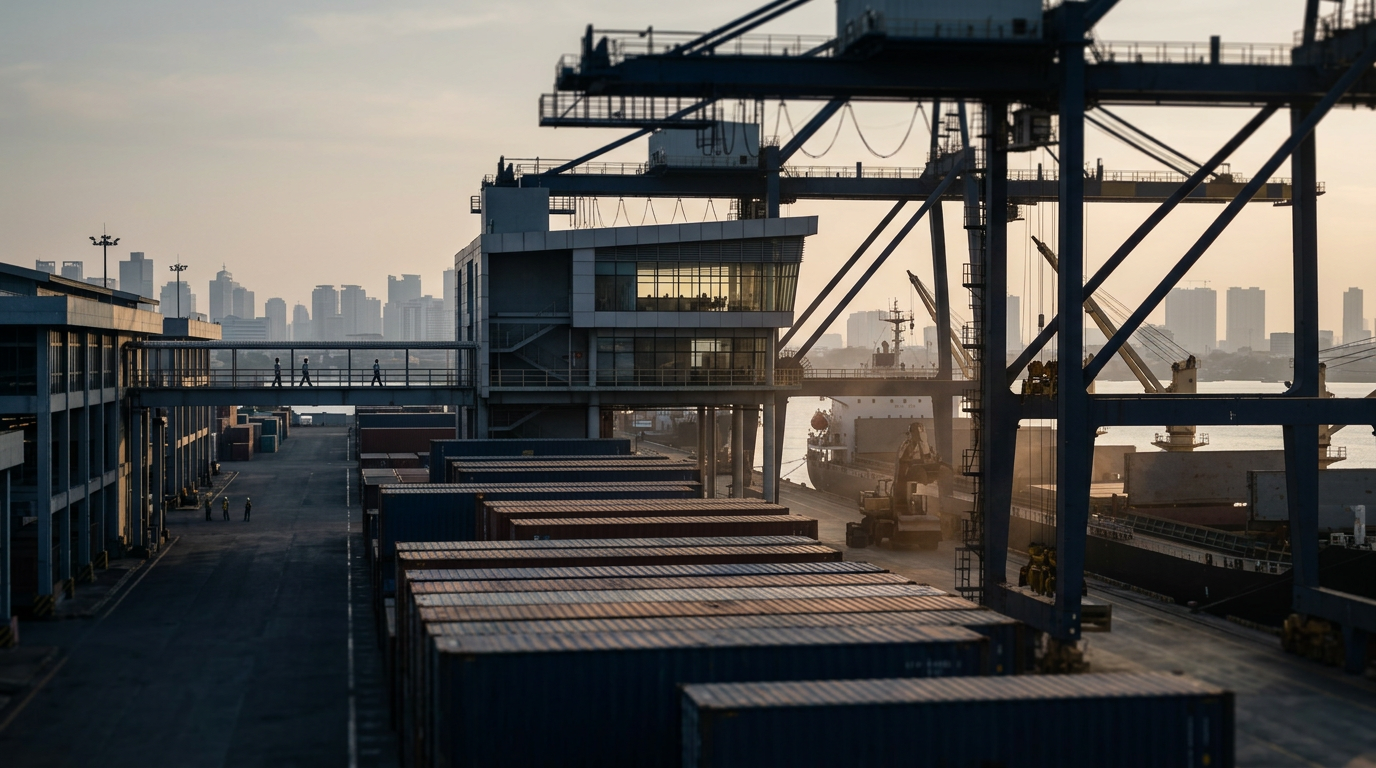
's Commodity Trade Monitoring: A New Tool for an Old Problem
Indonesia's new Danantara platform for monitoring commodity exports is a significant step, but it also highlights the delicate balance ASEAN nations must strike in managing their deep trade relationships, particularly with China.
 Indonesia
's Commodity Exchange and the Challenge of Managed Dependency
Jakarta's plan for a new commodity exchange for strategic minerals is a national initiative, but it raises regional questions about how to manage deepening trade links with China.
 Indonesia
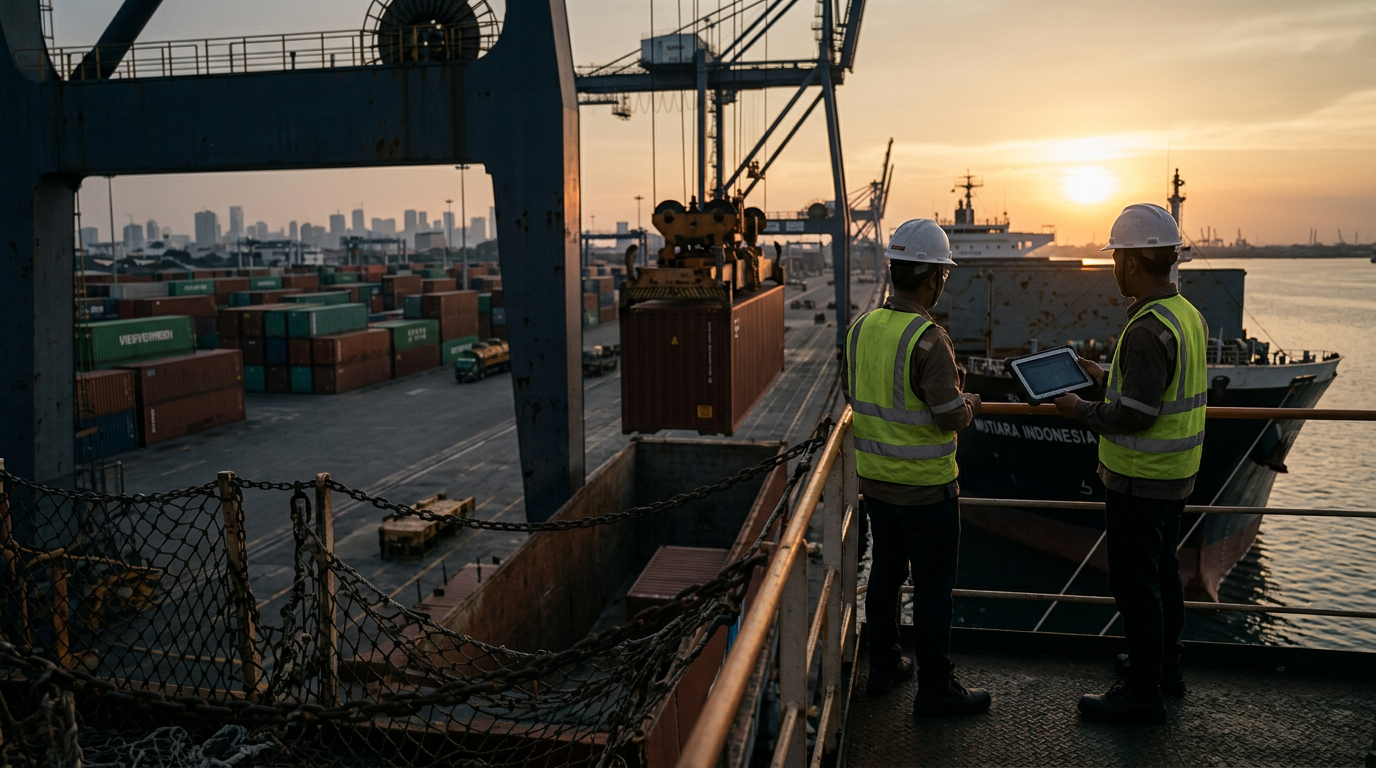
's Danantara: A Test of Institutional Capacity
The launch of PT Danantara Sumber Daya Indonesia (DSI) to track commodity exports is a case study in institution-building. Its success will depend on a clear mandate and the capacity to execute.
 Indonesia
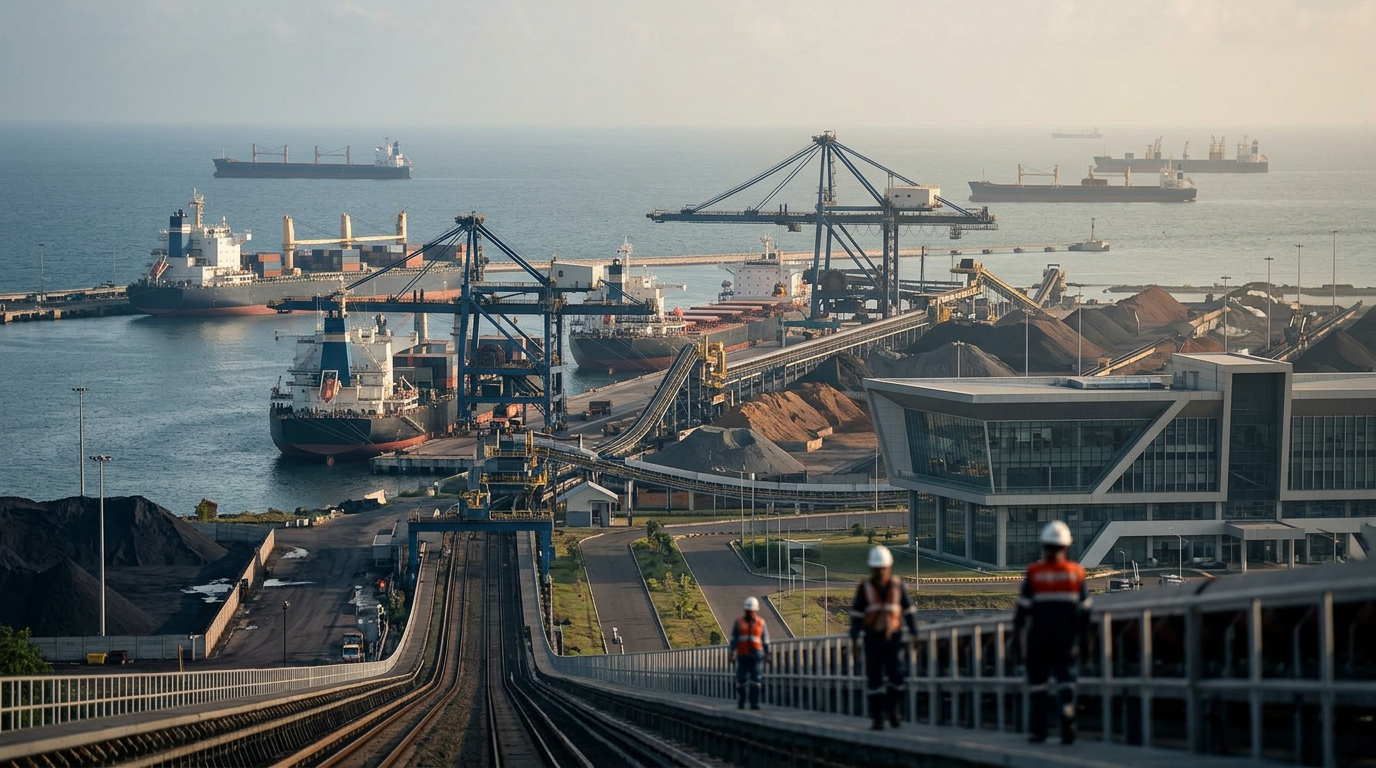
's Commodity Trade: A New Institution for a Structural Reality
Indonesia has created a new commodity export overseer, Danantara Sumberdaya. The move reflects a structural shift in trade, particularly with China, that requires new institutions to manage economic dependency while preserving strategic options.
 Indonesia
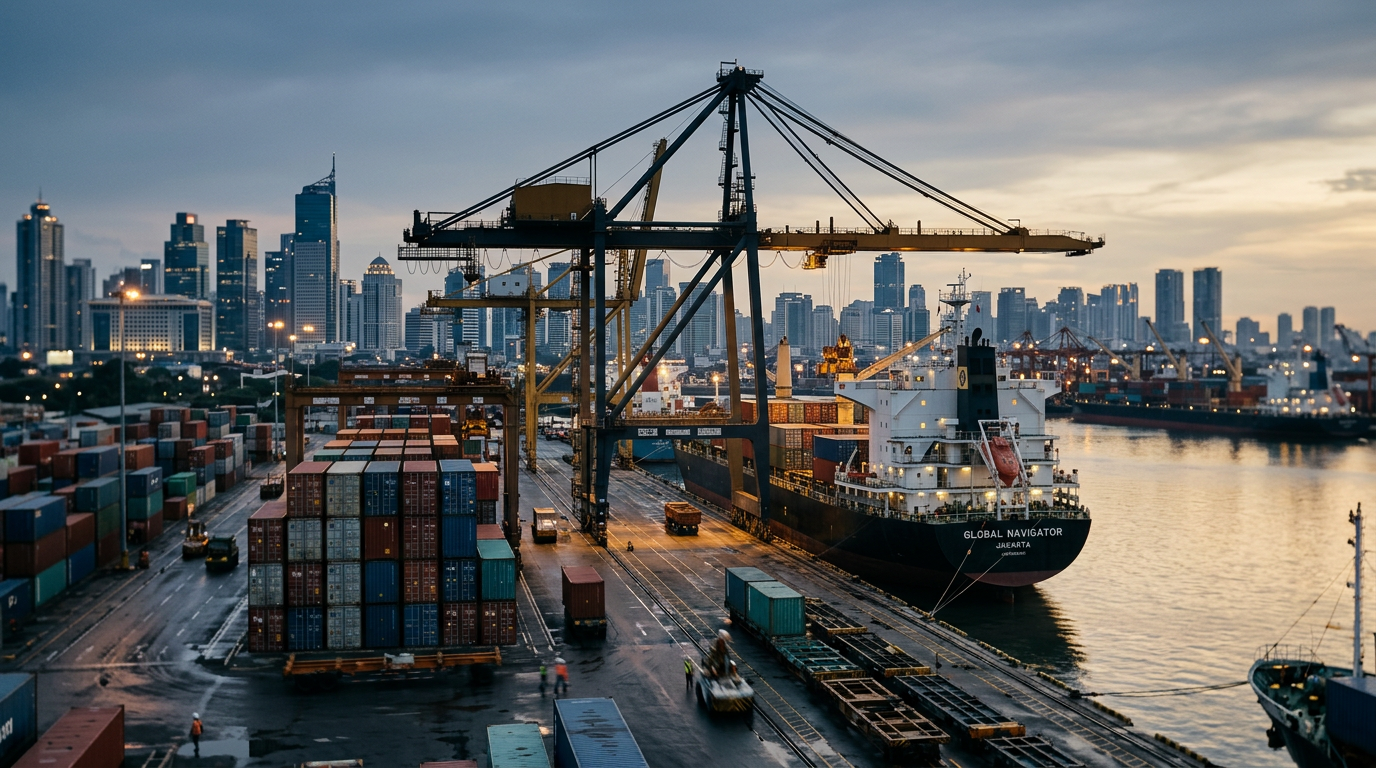
's Commodity Oversight Plan Highlights a Regional Balancing Act
A new Indonesian plan to track commodity shipments underscores a region-wide effort to manage deep trade relationships with China while maintaining strategic independence.
 Indonesia
, Commodities, and the Question of Optionality
Indonesia is working to increase its commodity market credibility. This move reflects a broader ASEAN trend: managing economic dependency, particularly on China, without sacrificing strategic choice.
 Indonesia
's Commodity Centralization and the Question of Control
Indonesia is considering an expansion of its centralized commodity export system. This move reflects a deeper trend across ASEAN: the need to professionalize state institutions to manage trade relationships, especially with China.
 Singapore
, Trust, and Trade with China
The recent police investigation into one of the world's largest iron traders in Singapore casts a harsh light on the complexities of regional trade, particularly with China. As the book ASEAN Rising notes, the depth of trade with China is now a structural feature for the region.
 Indonesia
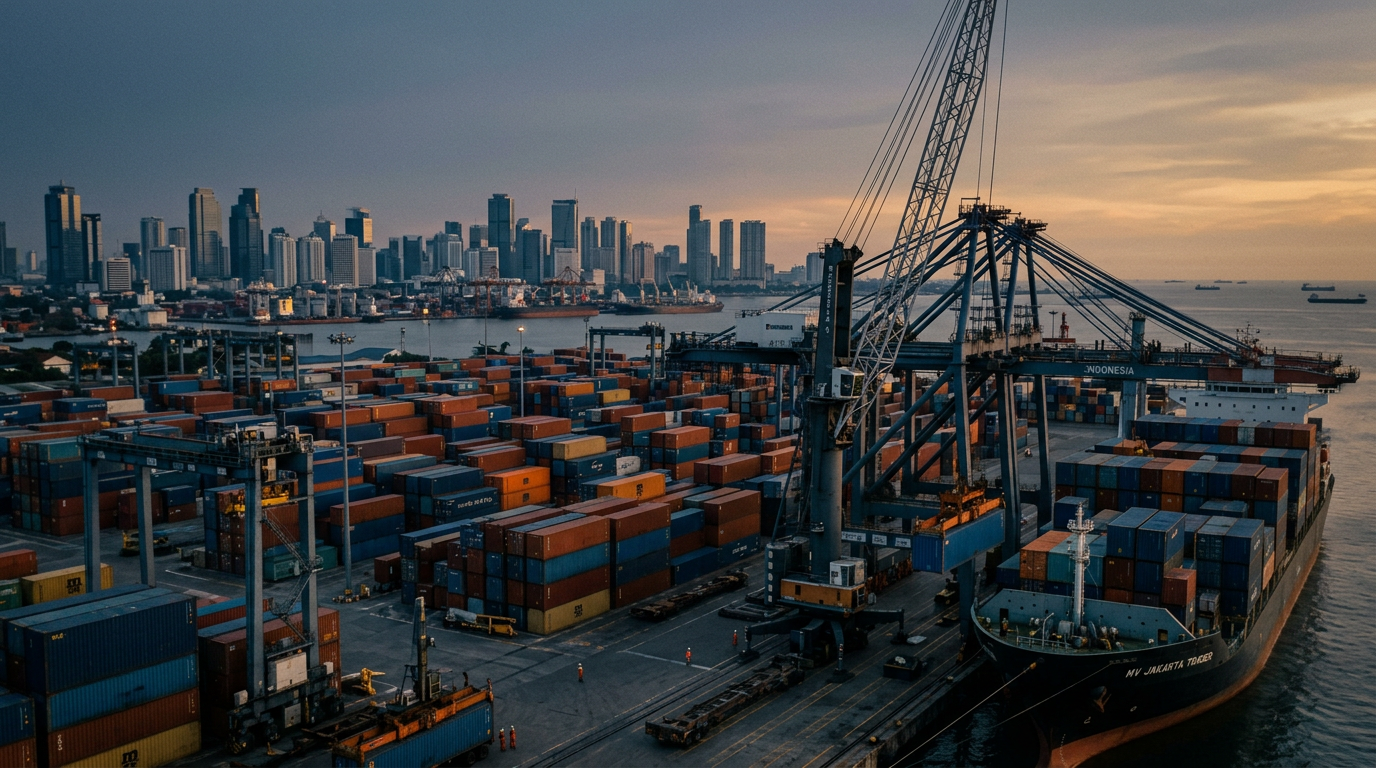
-China Trade: A Commodity Snapshot of a Structural Reality
Indonesia's latest commodity exports to China are a small but significant indicator of a larger structural reality for ASEAN. The region's trade depth with China requires a sophisticated approach to managing dependency while preserving strategic options.
 Indonesia
's Digital Overhaul of Commodity Exports
Indonesia is launching a new digital system to manage commodity exports, a move that reflects a broader ASEAN trend of using institutional and digital infrastructure to manage trade relationships, particularly with China.
 Indonesia
's Commodity Exchange and the Search for Price Control
Indonesia plans a new national commodity exchange to gain more control over the pricing of its key exports like palm oil and nickel, a move that reflects a broader ASEAN trend of managing dependency in global trade.
 Indonesia
's Commodity Centralisation: A New Model for Managing China Trade?
Indonesia plans a new state firm to centralise commodity export monitoring. This move reflects a regional trend: as trade with China deepens, ASEAN governments are building new institutions to manage the risks of dependency.
 Indonesia
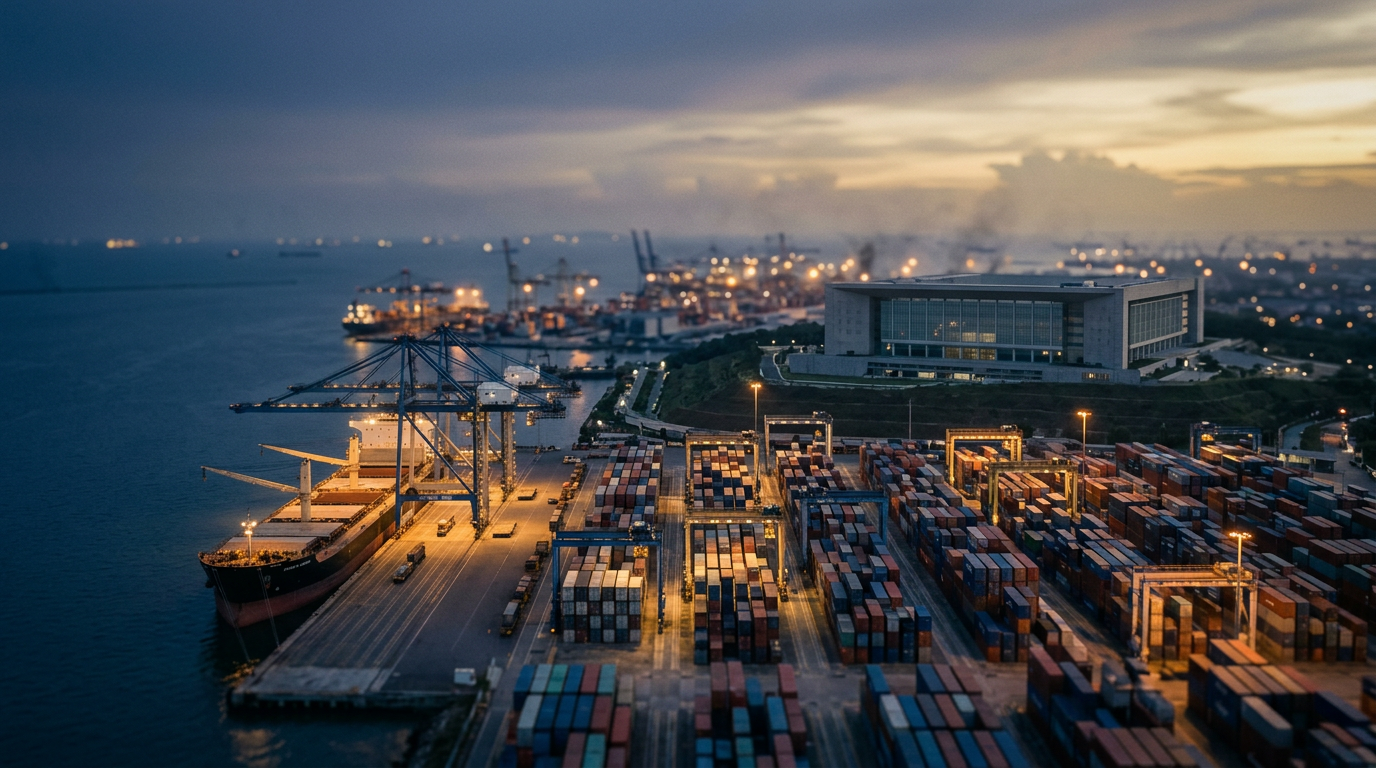
's Commodity Bourse Tests Its China Dependency
Indonesia's plan for a new commodity bourse is a test of its institutional capacity to manage its deep trade relationship with China. Success will depend on credible governance and execution, not just on market rules.
 Indonesia
 Rethinks Commodity Strategy
Indonesia is re-evaluating its commodity export strategy, a move that highlights a core ASEAN dilemma: how to manage economic dependency on China while building downstream industries.
 Indonesia
's Commodity Exchange: A Test of Institutional Capacity
Indonesia plans to launch its Strategic Mineral and Commodities Exchange in early 2027. This move is a direct attempt to gain more control over the pricing and export of its strategic minerals, particularly nickel, a key component in electric vehicle batteries. The initiative.
 Indonesia
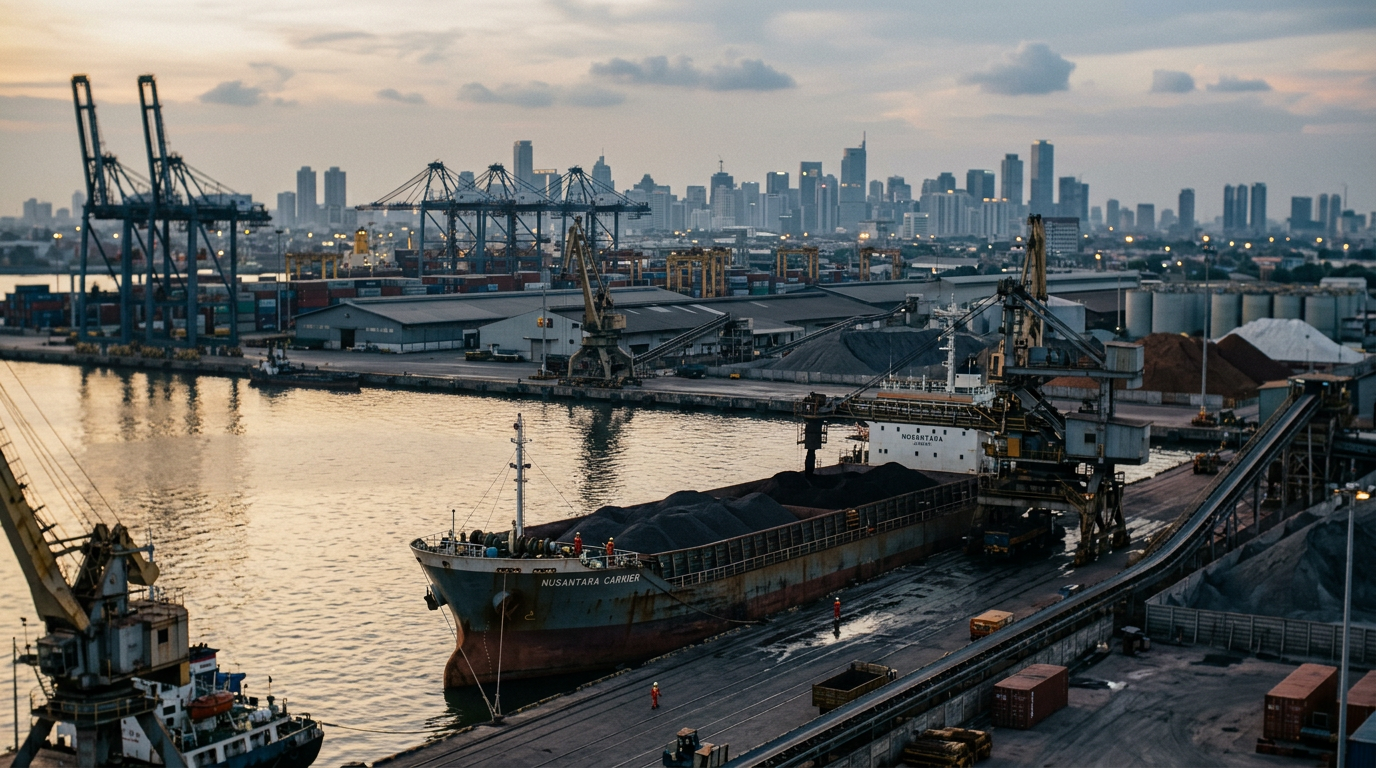
's Commodity Plan and the China Question
Indonesia is taking steps to control its commodity exports. While the immediate motivation is domestic value addition, the execution of this plan will necessarily recalibrate its trade relationship with China.
 Indonesia
's Commodity Overhaul and the Question of ASEAN's Dependency
Indonesia's plan to rebuild its commodity oversight body is a local solution to a regional problem: how to manage trade dependency while strengthening its position in global supply chains.
 Indonesia
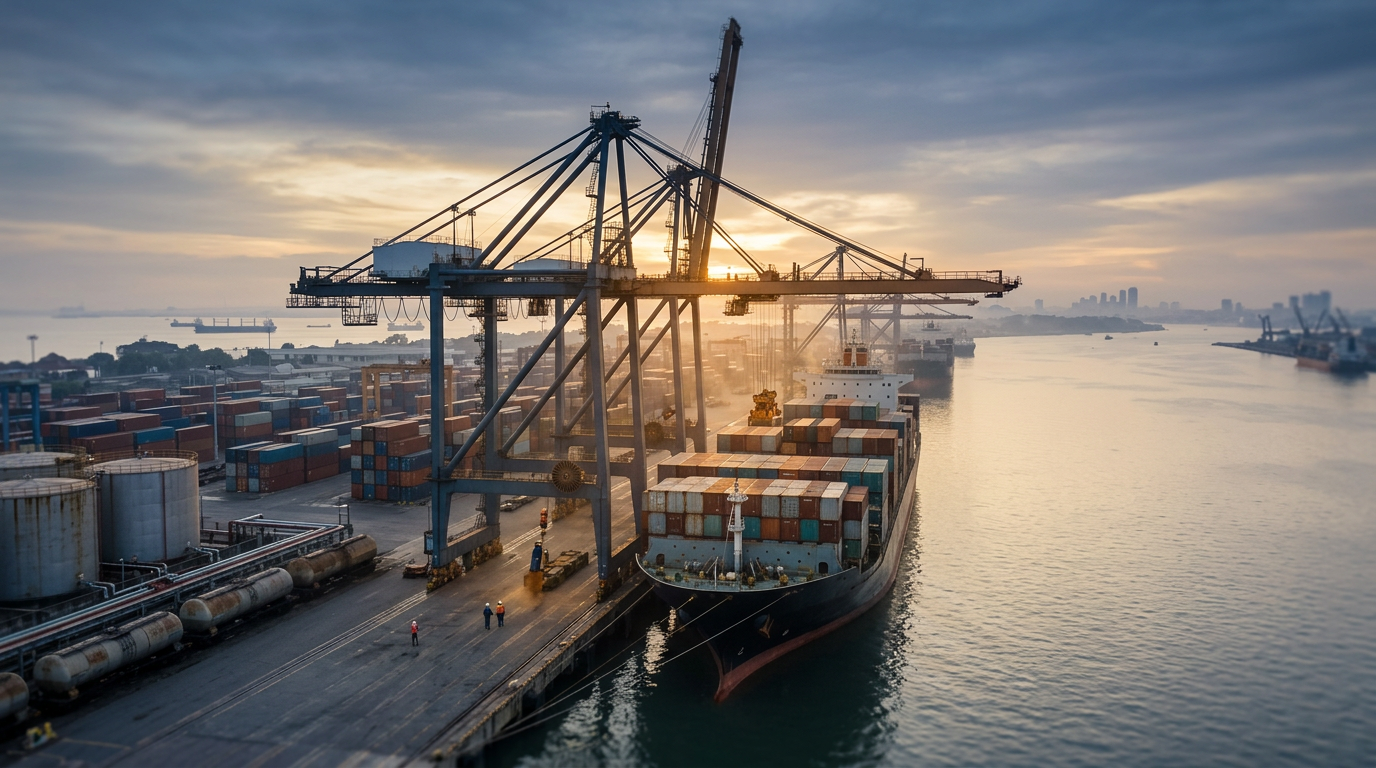
's Palm Oil Price and the China Equation
Indonesia adjusts its palm oil export pricing, a tactical move that highlights the structural reality of its deep trade ties with China and the ongoing effort to manage this complex dependency.
 Indonesia
's Palm Oil Strategy and the Challenge of Managed Dependency
Indonesia's push to export more processed palm oil products is a case study in how ASEAN nations are navigating their deep economic ties with China, seeking to add value at home and gain strategic flexibility.
 Indonesia
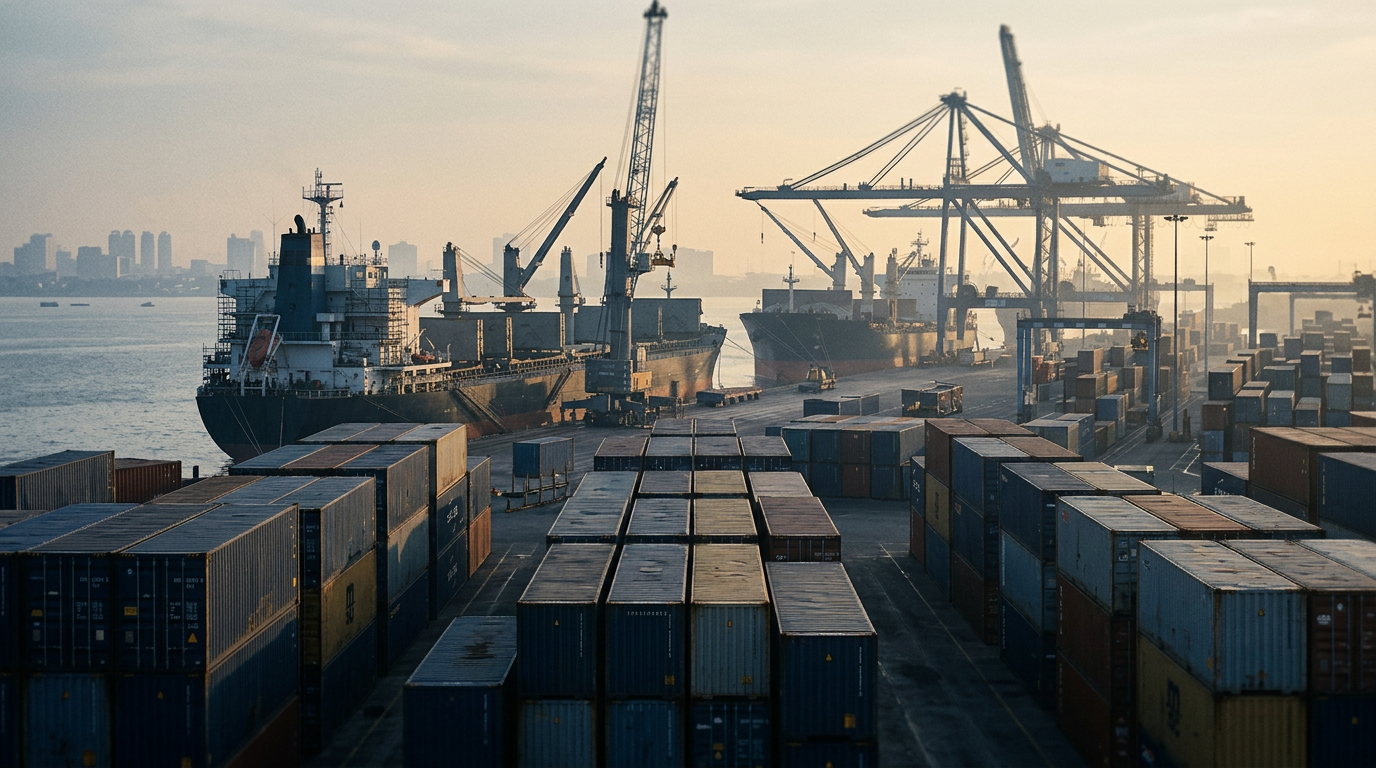
's Commodity Export Rethink: A Lesson in Managed Dependency
Jakarta's course correction on centralizing commodity exports is a pragmatic response to market feedback, illustrating the challenge for ASEAN governments in managing economic dependency while retaining strategic flexibility.
 Indonesia
's Rare Earth Export Checks Test a China-Centric Trade Strategy
New export checks on Indonesian metal products are more than a bureaucratic hurdle. They represent a strategic effort to map and control valuable rare earth elements, testing the country's ability to manage its deep trade dependency on China.
 Indonesia
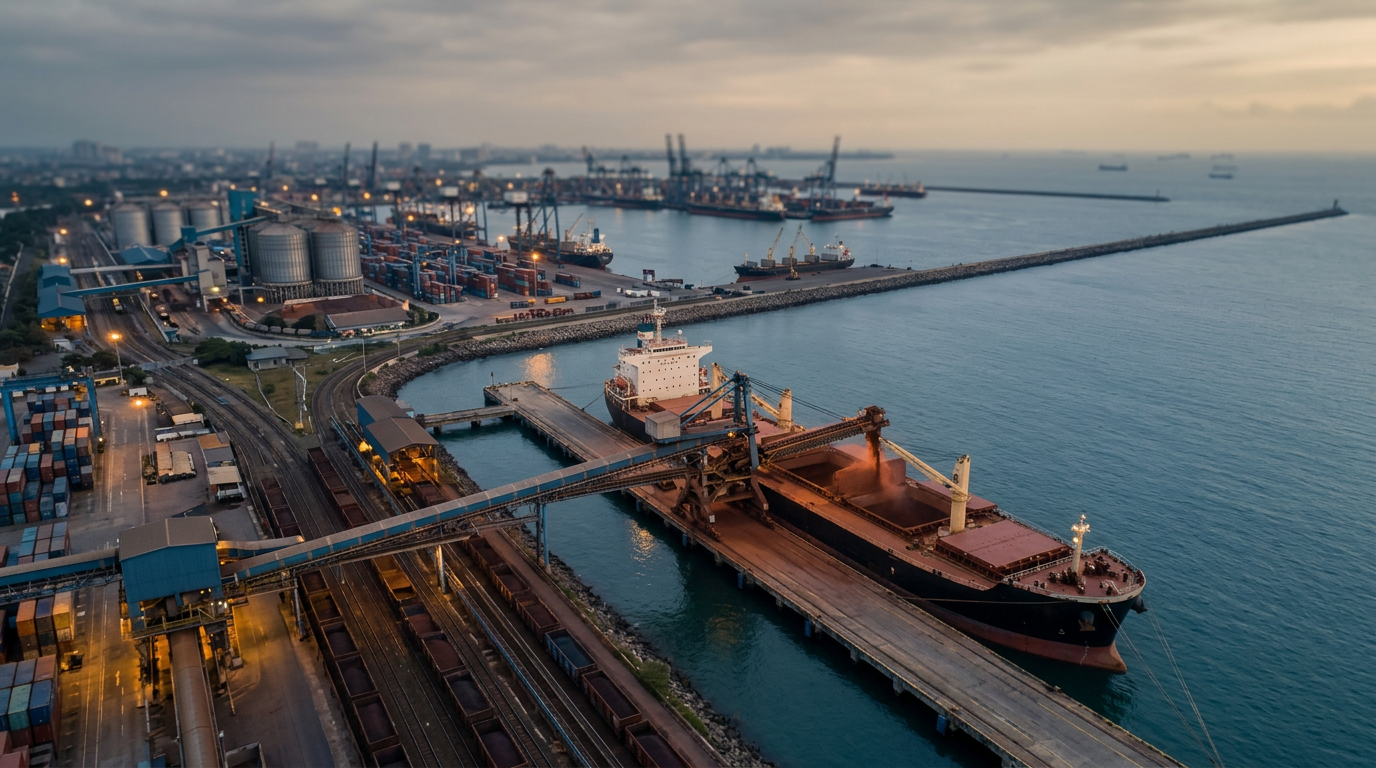
's Commodity Centralization Tests China Trade Relationship
Jakarta's move to funnel strategic commodity exports through a state enterprise is a practical test of managing economic dependency on China, a core theme of regional trade policy.
 Indonesia
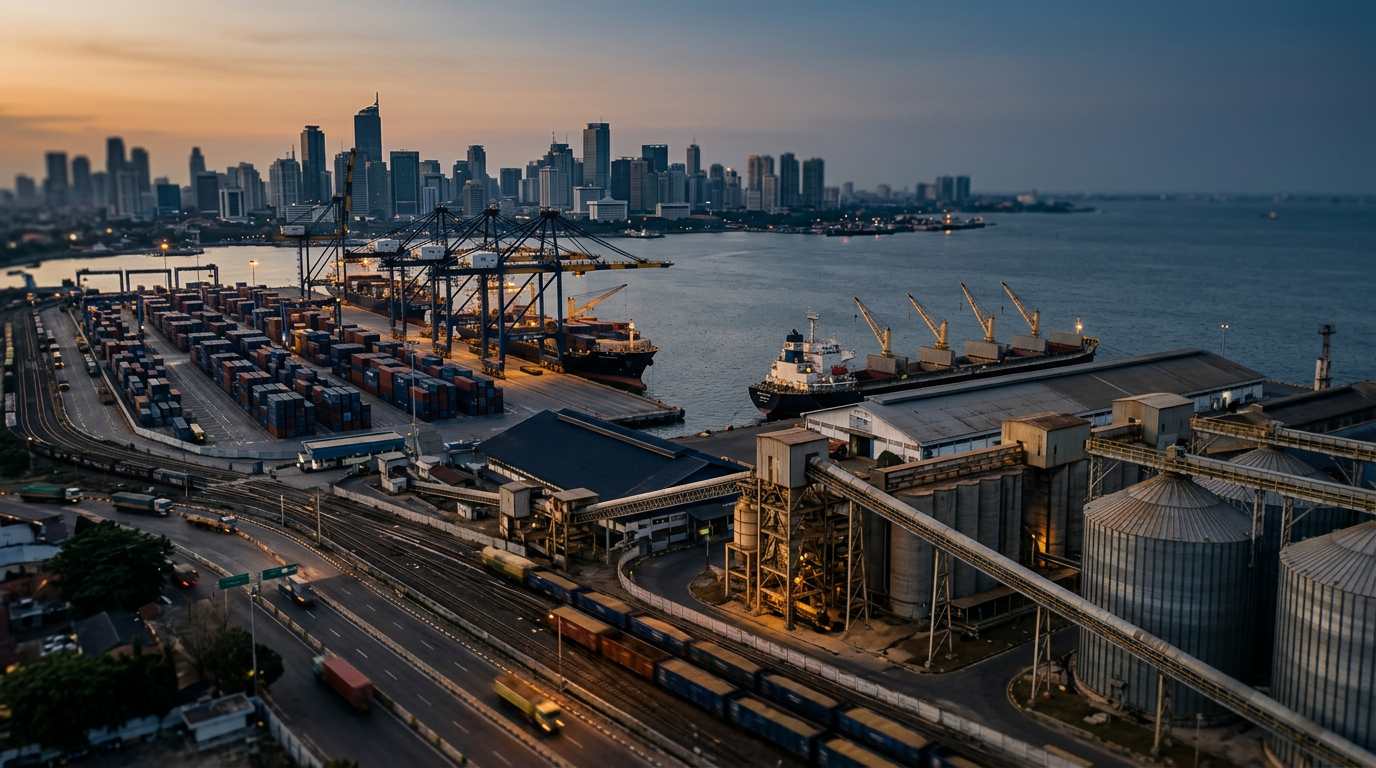
's Commodity Centralization and the Challenge of Managed Dependency
Jakarta's plan to create a state-run commodity exchange is not just a trade policy; it is a test of institutional capacity and a strategic effort to rebalance its deep economic ties with China.
 Indonesia
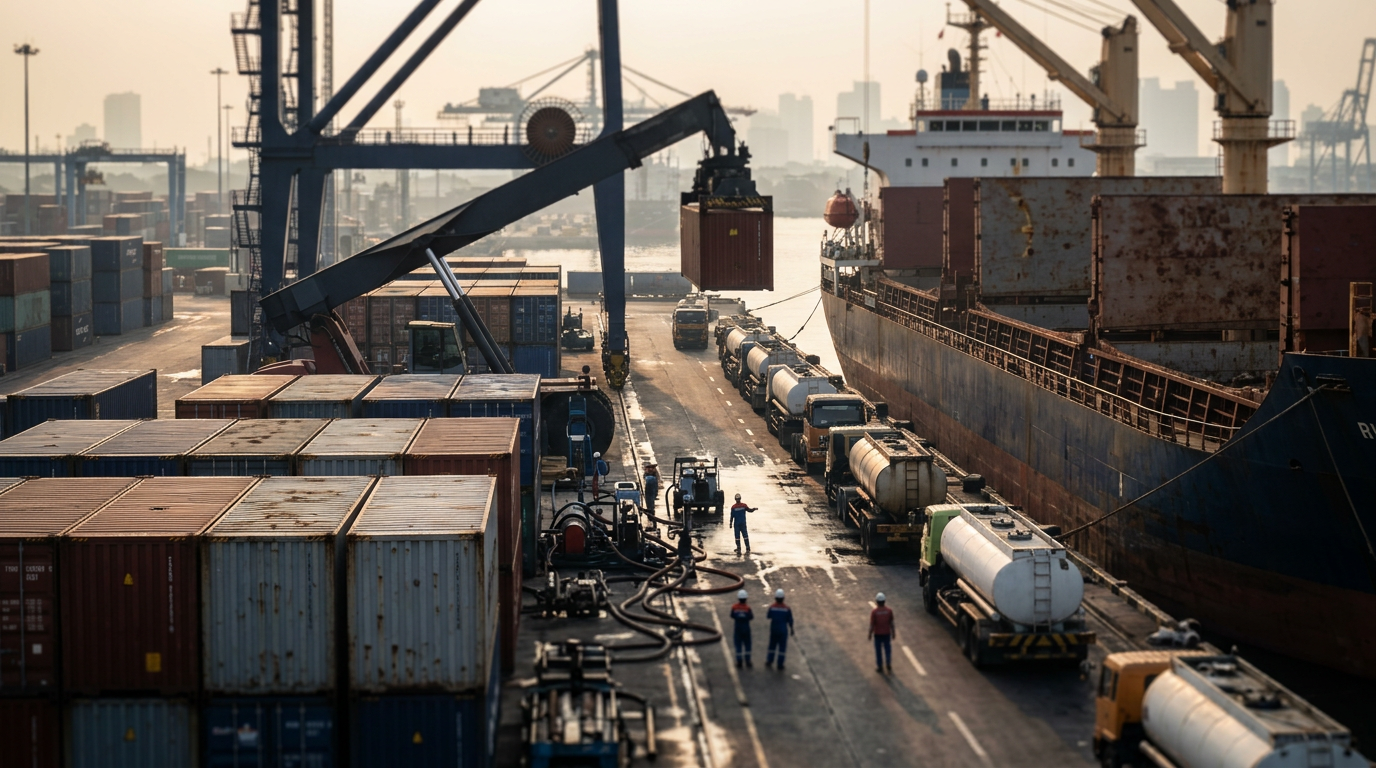
, Palm Oil, and the Dilemma of Managed Trade
Indonesia's new controls on palm oil exports reflect a wider ASEAN trend: managing dependency on strategic commodities and key trade partners, a challenge detailed in "ASEAN Rising".
 Indonesia
, China, and the Challenge of Managed Trade
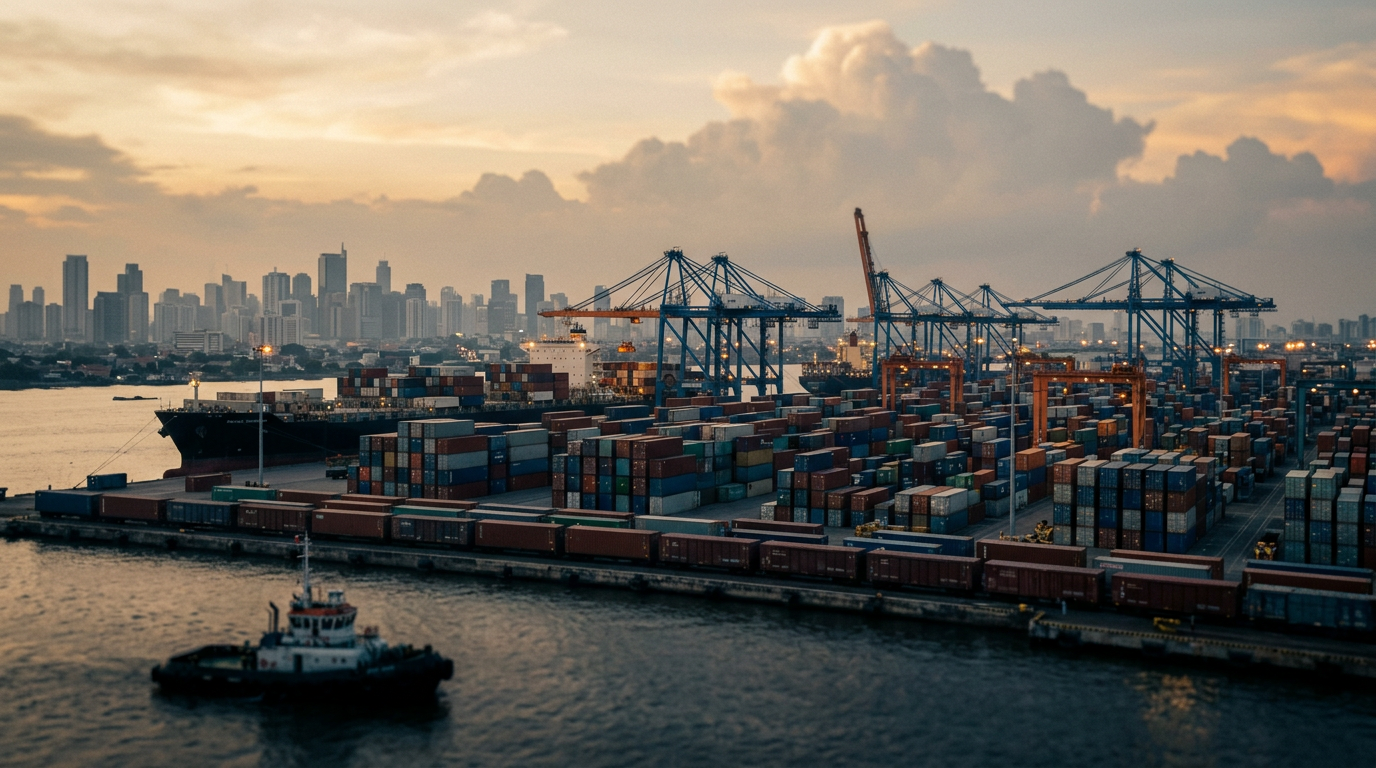
Indonesia's new state-backed commodity trader, Danantara Sumberdaya Indonesia (DSI), is an attempt to manage trade dependency, but its success will depend on execution against entrenched market forces.
 Indonesia
's New Agency and the Test of Trade Management
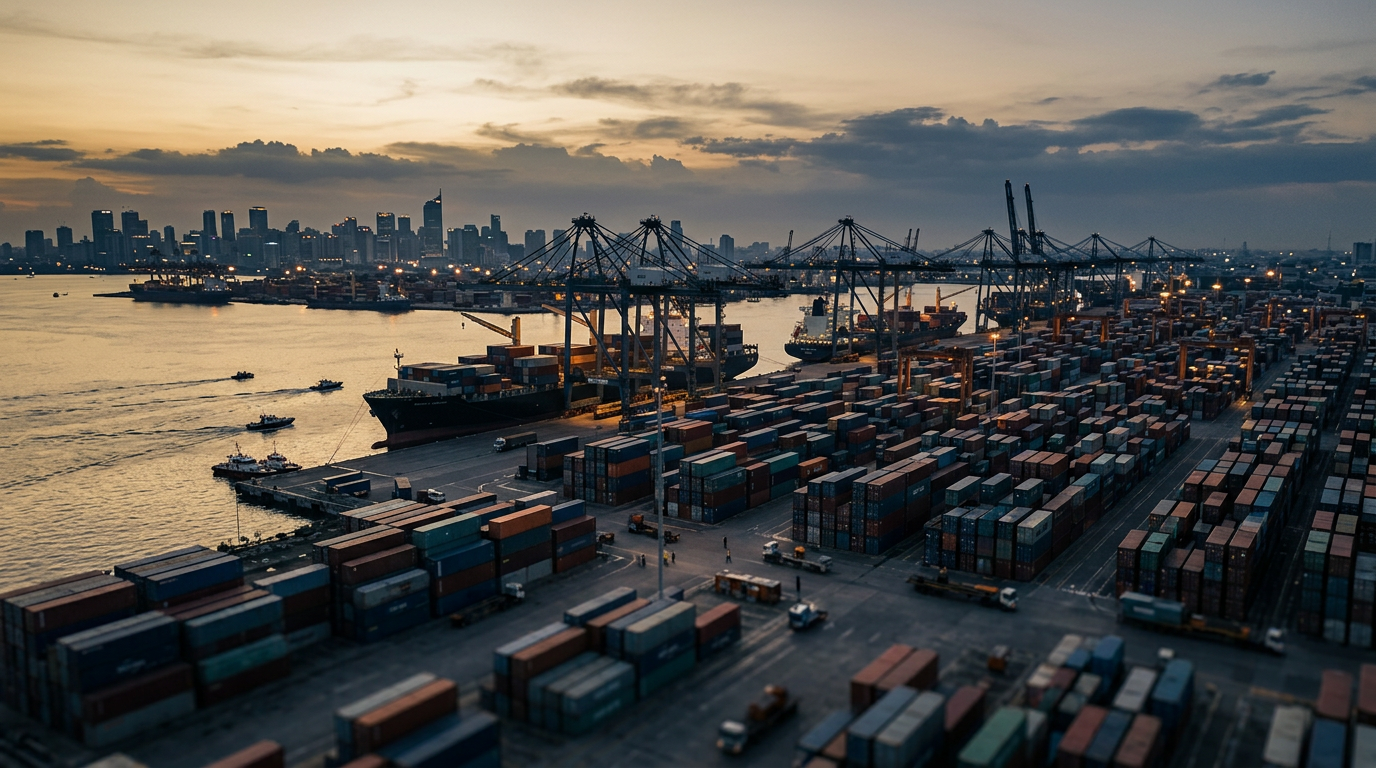
Indonesia's new commodity export agency, DSI, processed $10.5 billion in its first six weeks, signaling a significant institutional reform. This move can be understood as a strategic tool for Jakarta to manage its deep and complex trade relationship with China.
 Indonesia
's Export Overhaul: A Test of Strategic Trade Management
A new Indonesian export plan is more than a bureaucratic shuffle; it's a case study in how ASEAN governments are attempting to manage trade for strategic gain.
 Indonesia
Danantara: Indonesia Refines its Commodity Trade Strategy
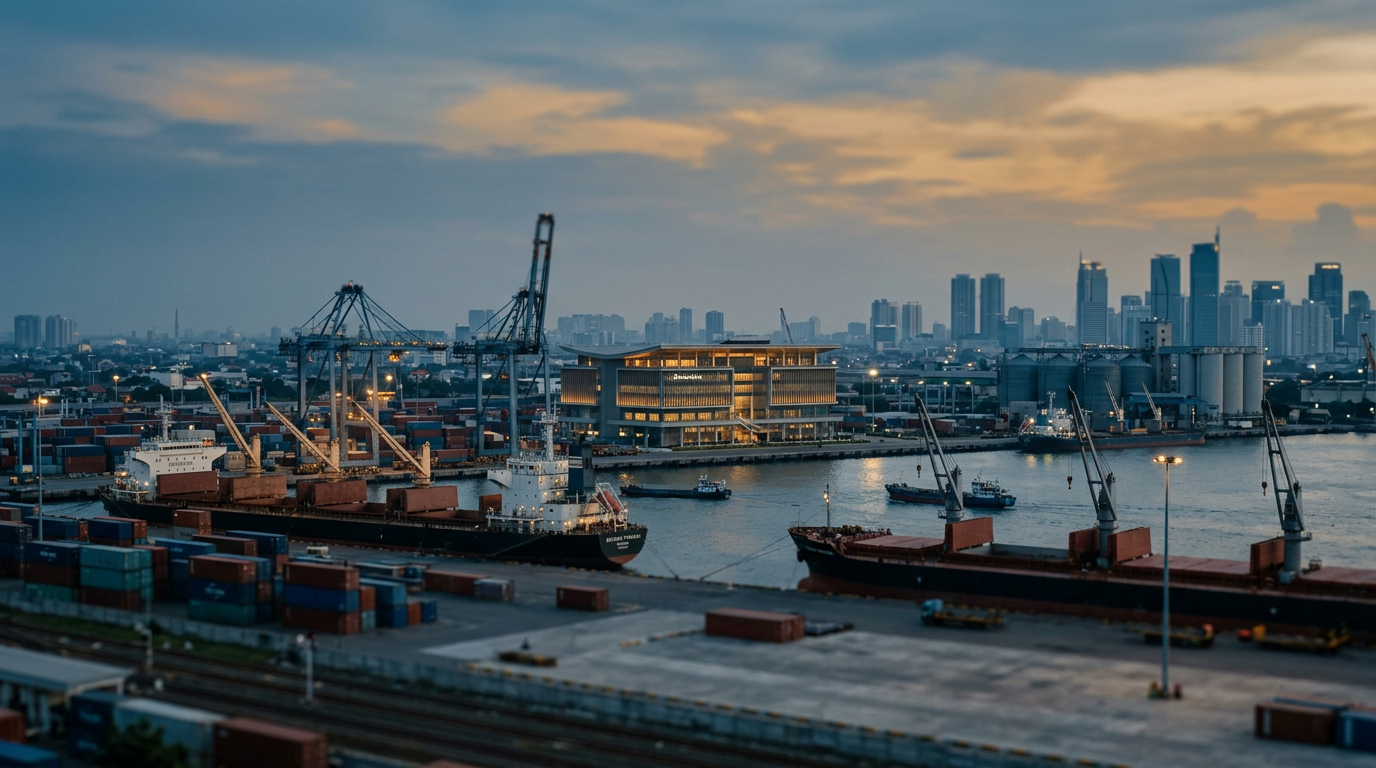
Indonesia's new export agency, Danantara, signals a strategic shift from direct intervention to information-led market management. This move reflects a broader regional effort to manage structural trade dependencies more effectively.
 Indonesia
's Commodity Play: A Bet on Centralised Control
Indonesia's plan to centralise commodity exports is a significant move to boost state revenue, reflecting a broader regional dynamic of managing economic dependency and seeking greater strategic optionality.
 Indonesia
's State Export Body: A New Tool for Managing Trade Dependency
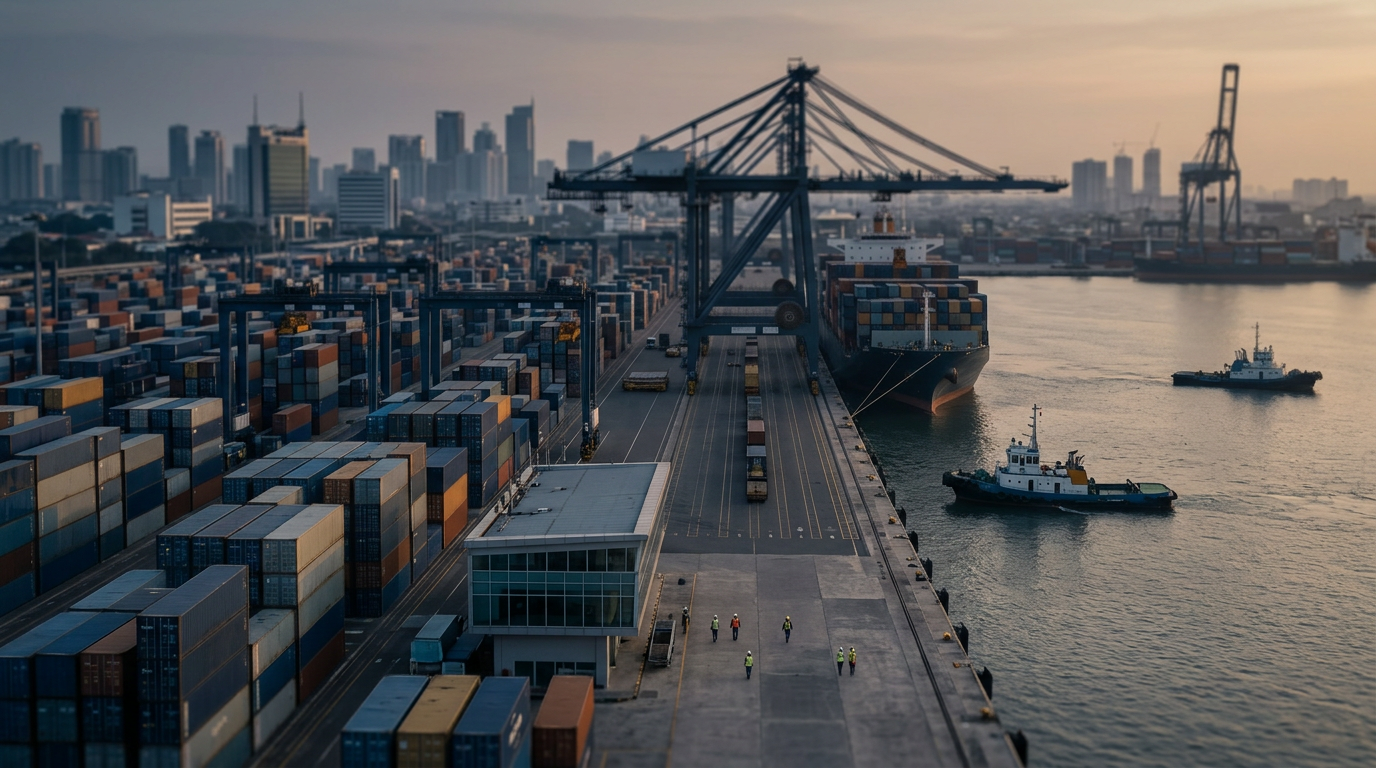
Jakarta's plan to create a state export entity for key commodities is a clear move towards more active management of its trade relationships, reflecting a broader regional trend in balancing dependency and strategic autonomy.