Indonesia
Indonesia's Palm Oil Price and the China Equation
Indonesia adjusts its palm oil export pricing, a tactical move that highlights the structural reality of its deep trade ties with China and the ongoing effort to manage this complex dependency.
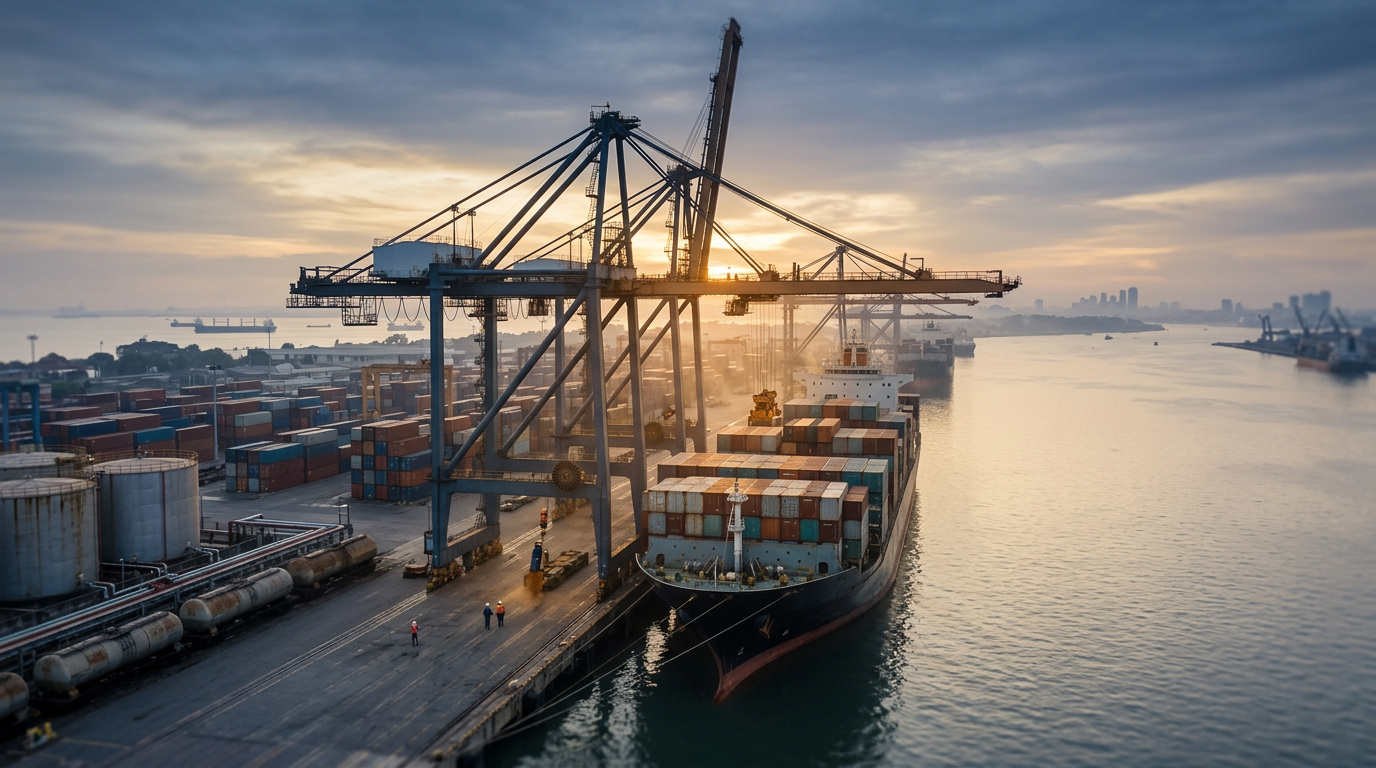
Indonesia has adjusted its crude palm oil (CPO) reference price for August, a move that will lower export duties on its most significant agricultural commodity. According to a report from the Jakarta Globe, the new reference price of $996.52 per ton is a decrease from the previous month. This technical adjustment is not just a routine administrative act; it is a direct policy lever that demonstrates how ASEAN governments navigate the powerful economic currents emanating from their largest trading partner, China.
Institutions and Trade Depth
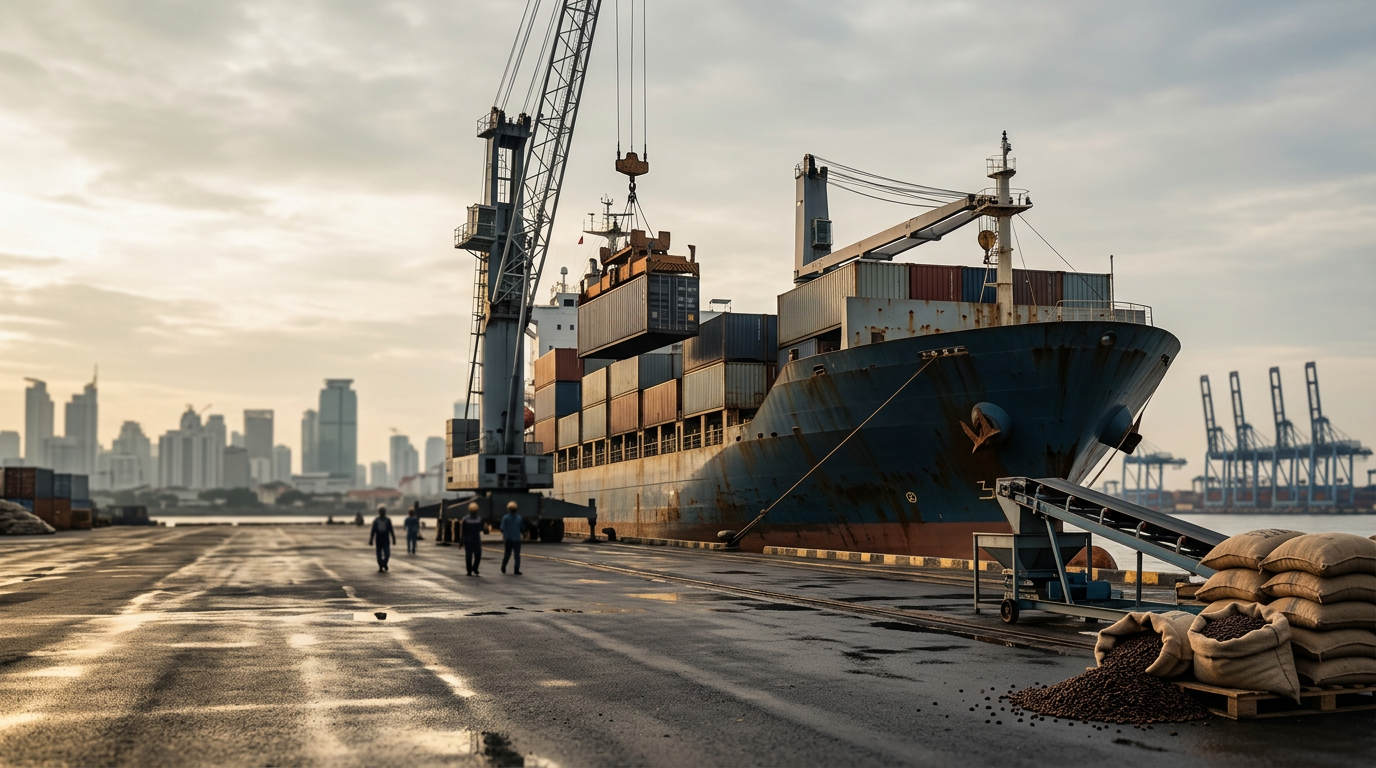
Indonesia's system of reference prices, export duties, and levies is an institutional framework designed to manage the domestic market, fund subsidy programs like replanting and biodiesel, and control the flow of CPO to the global market. The decision to lower the export duty indicates a response to global price fluctuations and a desire to maintain the competitiveness of Indonesian palm oil. A significant portion of this oil is destined for China, which remains a primary consumer of ASEAN commodities.
The dynamic illustrates a core theme of regional economic strategy. As the book ASEAN Rising notes, deep trade integration with China is a permanent reality for the bloc's members. "Trade depth with China is now a structural feature, not a cyclical one," and this requires a shift in perspective. The primary task for governments is no longer about choosing whether to trade with China, but about developing the sophisticated institutional capacity to manage the inherent dependency that comes with such a large-scale relationship.
Execution of a Downstream Strategy
Beyond the immediate pricing mechanics, Indonesia's actions are part of a broader national strategy focused on "hilirisasi," or downstreaming. The government's stated goal is to move from being a mere exporter of raw CPO to a producer of higher-value processed goods, from cooking oil and oleochemicals to biofuels. This requires more than just policy pronouncements; it demands flawless execution.
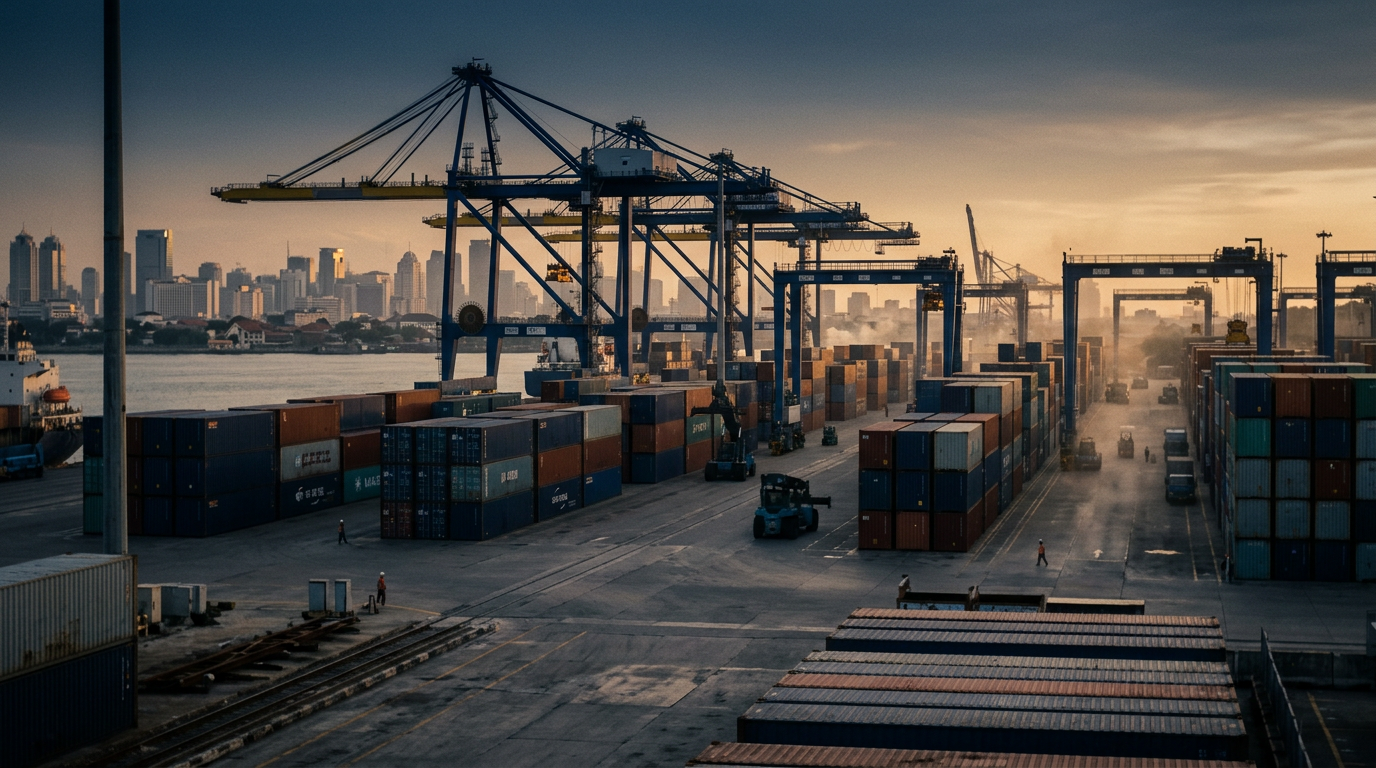
Capital is flowing into the construction of new refineries and processing plants. This industrial build-out is a tangible manifestation of the strategy. However, its success hinges on supporting infrastructure. Reliable ports, efficient logistics, and stable power grids are essential to connect the upstream plantations with the new downstream facilities and then get the finished products to market. The monthly CPO price setting is one tool, but the long-term success of the downstreaming ambition depends on the coordinated execution of these complex capital and infrastructure projects. It is a test of the state's ability to translate a vision into a functioning industrial ecosystem.
Talent and Trust
The push to develop a domestic processing industry also brings the issues of talent and trust to the forefront. Running sophisticated refineries requires a skilled workforce, from technicians to plant managers, which puts pressure on Indonesia's education and vocational training systems. The country must cultivate the human capital needed to operate these new assets effectively and to innovate further up the value chain.
Simultaneously, managing the relationship with China requires trust and careful diplomacy. As Indonesia develops its own industries, it will inevitably alter the nature of its trade with China, shifting from raw materials to finished goods. This transition must be managed to avoid friction. It requires building trust not just at the diplomatic level but also between the commercial entities involved. Predictable policies, transparent regulations, and consistent enforcement are fundamental to maintaining the confidence of trade partners and investors, ensuring that the management of dependency does not lead to a loss of economic or strategic flexibility.
What to watch
Looking ahead, observers should monitor the pace of Indonesia's downstream refinery development and whether the necessary infrastructure and talent can keep up. The composition of Indonesia's palm oil exports to China will be a key indicator of the downstreaming policy's success. Also, watch how other commodity-dependent ASEAN nations observe and potentially adapt Indonesia's institutional approach to managing the enduring economic influence of their largest neighbor.