Indonesia
Indonesia's Commodity Plan and the China Question
Indonesia is taking steps to control its commodity exports. While the immediate motivation is domestic value addition, the execution of this plan will necessarily recalibrate its trade relationship with China.
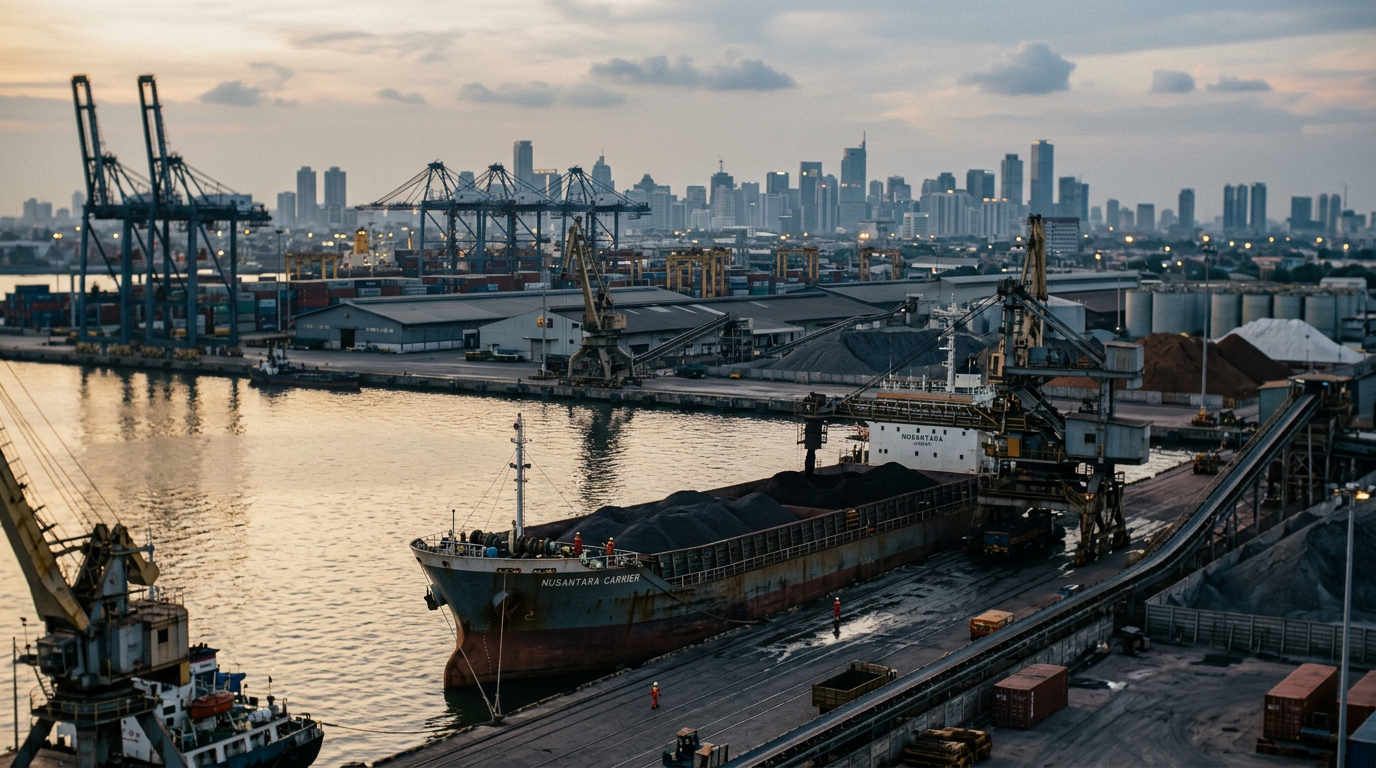
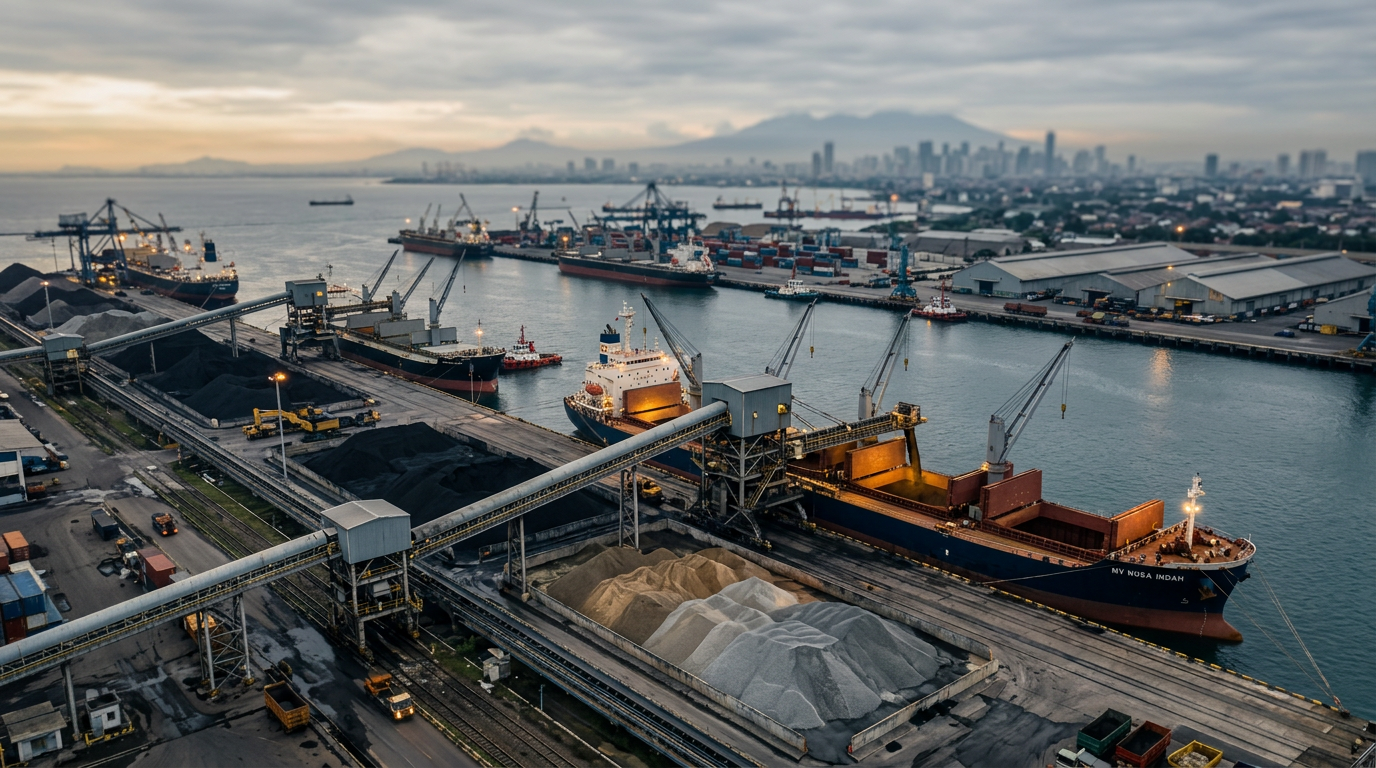
Indonesia is moving forward with a plan to assert greater state control over its key commodity exports, a policy championed by President Prabowo Subianto. A recent report from Bloomberg highlights the internal debates within the new National Commodity Body (BKN) over how to execute this vision. The discussions inside the agency reveal two competing approaches: one favoring a consolidated state-owned enterprise to manage exports, and another advocating for a more flexible system of export permits and taxes. While the policy's primary goal is to increase domestic processing and capture more value within Indonesia, its implementation will have significant consequences for the country's trade partners, most notably China.
The Downstream Imperative
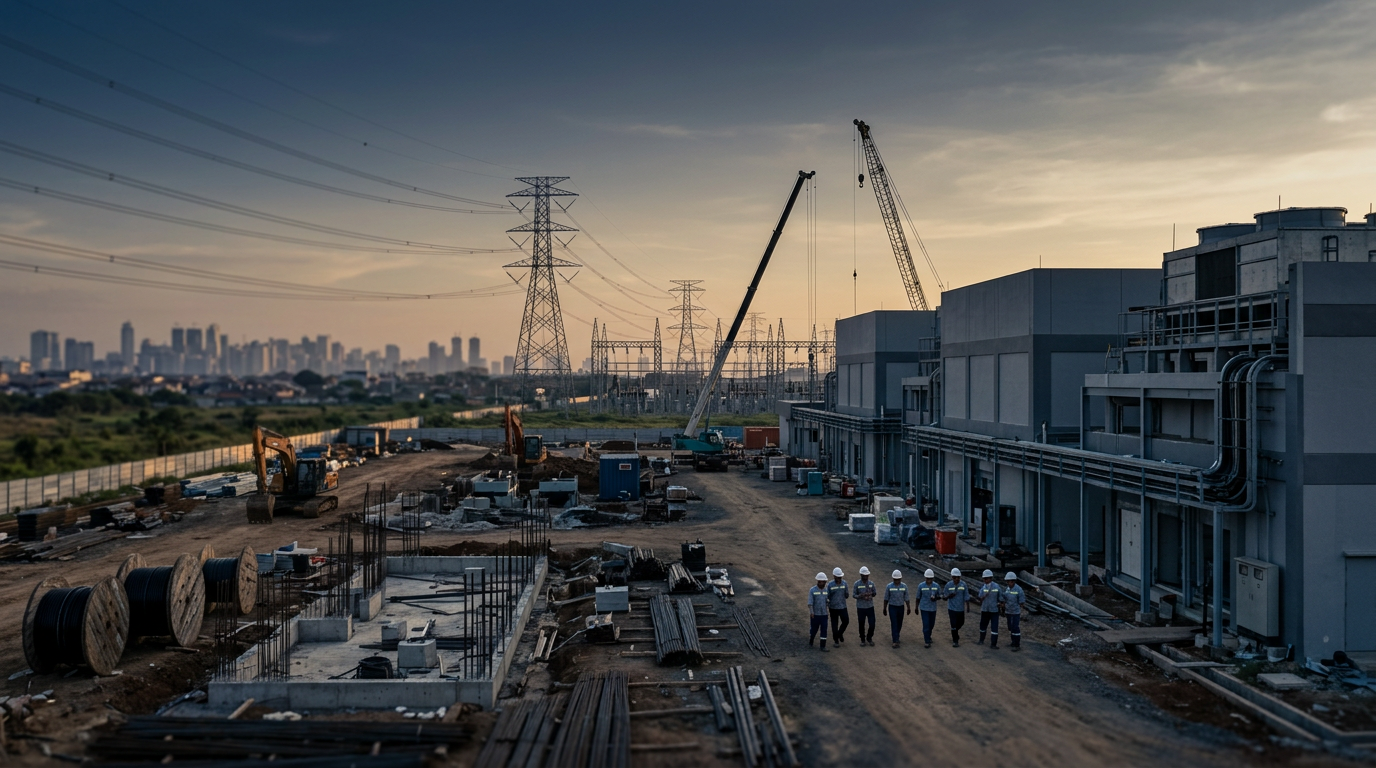
The push for "downstream-ization," or developing domestic industries to process raw materials, is a cornerstone of President Prabowo's economic strategy. The objective is to transform Indonesia from a mere supplier of raw commodities like nickel, palm oil, and coal into a producer of higher-value finished or semi-finished goods. This requires immense capital for infrastructure such as smelters and refineries, as well as the institutional capacity to regulate complex new industrial ecosystems.
The formation of the BKN is the first step in creating this institutional framework. Its decisions on how to structure the export-control mechanism will shape the investment landscape. A state-led monopoly might channel investment into government-selected projects, while a permit-based system could offer more flexibility for private sector capital, both domestic and foreign. Each path carries different implications for execution and for the types of foreign partners Indonesia will attract. The success of this industrial policy rests on building the physical and regulatory infrastructure needed to support a new generation of Indonesian manufacturing.
Navigating Dependency on China
Indonesia's commodity strategy does not exist in a vacuum. It directly intersects with its deep trade relationship with China, which is the largest buyer of many of these raw materials. The book "ASEAN Rising" observes that for Southeast Asian nations, "Trade depth with China is now a structural feature, not a cyclical one." The challenge is to manage this economic reality without sacrificing strategic autonomy. Indonesia's policy is a clear attempt to do just that.
By restricting raw material exports, Jakarta is compelling its largest customers to engage on different terms. Chinese firms have already invested heavily in Indonesian nickel processing, a direct result of earlier export-ban policies. The new, broader commodity controls will likely accelerate this trend, pulling more Chinese capital and technology into Indonesia's developing industrial zones. This deepens the economic integration but also concentrates risk. The Indonesian government must build the institutional strength to oversee these massive inflows of capital and ensure that the benefits, from jobs to tax revenue, are realized domestically. It is a calculated gamble to rebalance a trade dependency into a more sophisticated, co-dependent industrial partnership.
What to watch
The immediate focus should be on the final form of the BKN's export control mechanism. The choice between a state-owned enterprise model and a licensing framework will determine how capital is allocated and how much control the state exerts over the commodity sector. Observers should also monitor the reaction from China and other major trading partners, looking for signs of new investment commitments in Indonesian downstream projects or, conversely, trade disputes. The ability of Indonesian institutions to execute this complex policy and manage the resulting capital inflows will be a measure of its capacity for economic transformation.