Indonesia
Indonesia's Commodity Bourse Tests Its China Dependency
Indonesia's plan for a new commodity bourse is a test of its institutional capacity to manage its deep trade relationship with China. Success will depend on credible governance and execution, not just on market rules.
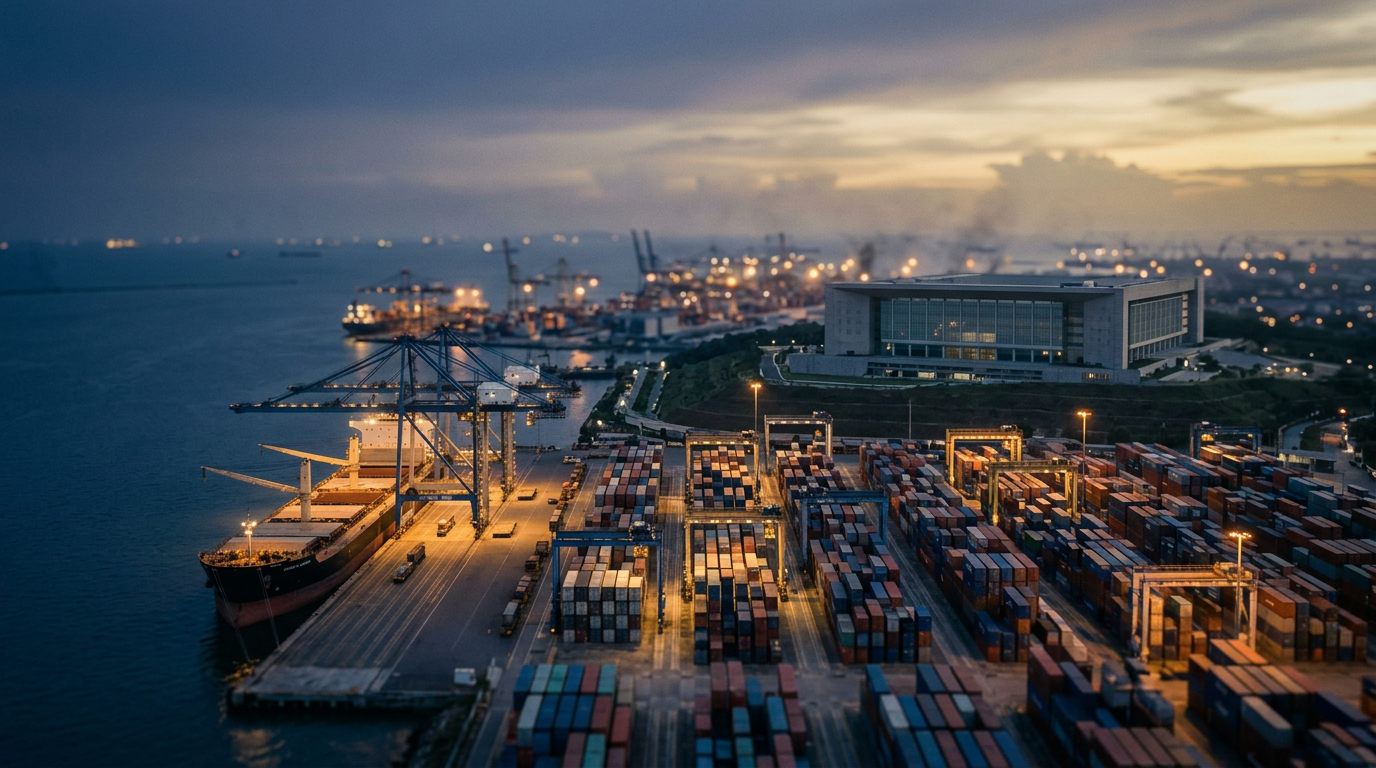
Indonesia is moving to establish a national commodity bourse, a move reported by the Jakarta Globe that aims to create local benchmarks for its key raw materials exports, including nickel and tin. The bourse will initially operate a spot market. This initiative is a direct response to a structural reality: Indonesia's deep and growing commodity trade with China. While Jakarta seeks greater control over pricing and to capture more value onshore, the bourse's success will ultimately test the country's ability to manage its economic relationship with its largest trading partner.
Institutions and Trust
The bourse represents an attempt to build a national institution that can provide a credible alternative to pricing mechanisms set in London and Shanghai. For this to work, the exchange needs to earn the trust of global market participants. This requires more than just a regulatory framework from the financial watchdog; it demands transparent governance, consistent contract enforcement, and reliable market data. The core objective is to create a market that is not only accessible but is also perceived as fair and free from intervention. Without this institutional trust, the bourse will struggle to attract the liquidity needed to establish meaningful benchmark prices, leaving Indonesia still subject to price discovery elsewhere.
Managing Dependency
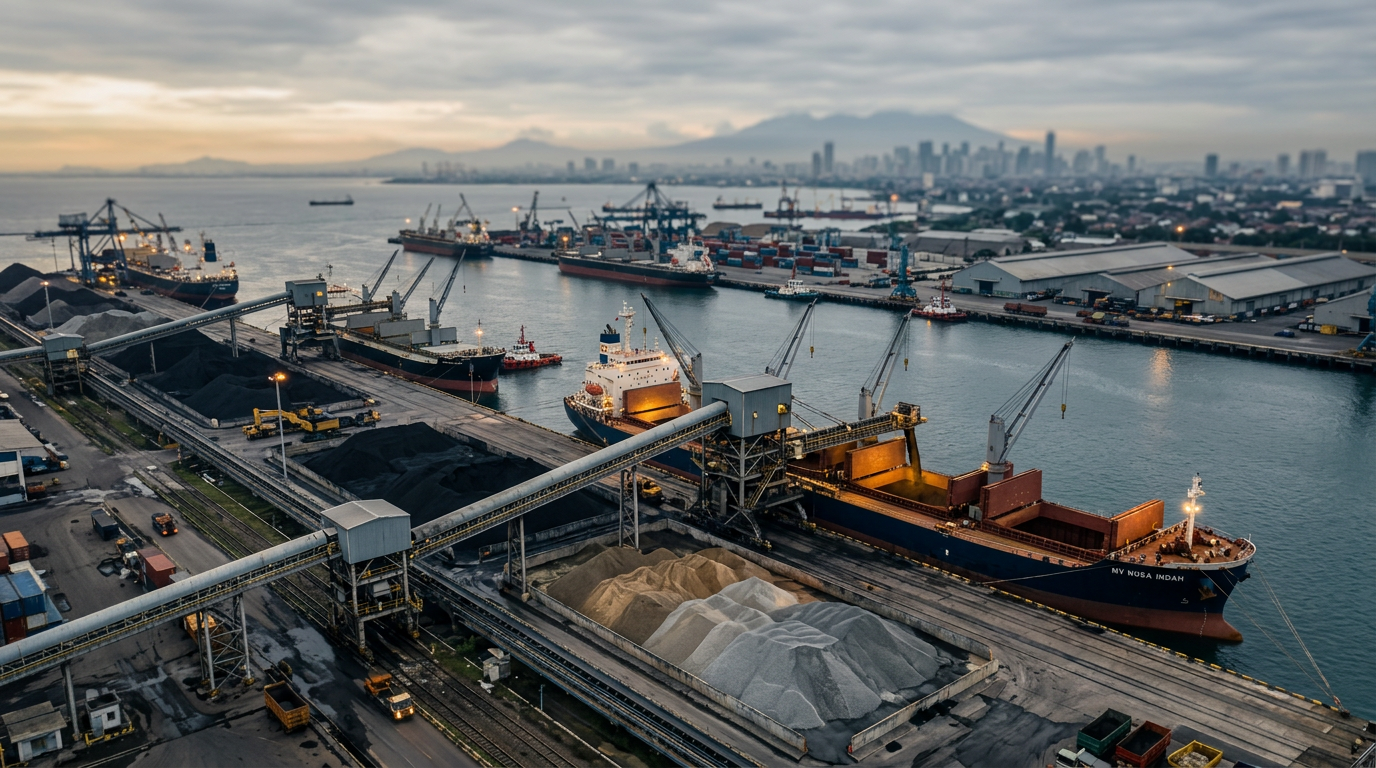
The deeper story is one of managed dependency. China is the dominant buyer of Indonesian nickel, a critical component for electric vehicle batteries. This has brought significant investment into Indonesia's downstream processing industries, but it has also created a concentrated reliance on a single market. As the book "ASEAN Rising" notes, the issue for governments is how to handle this dependency while retaining strategic options. The commodity bourse is one such option. By creating a local price benchmark, Indonesia hopes to gain more negotiating leverage and reduce its vulnerability to price fluctuations dictated by Chinese market conditions. The initiative is a clear signal that Jakarta understands that "trade depth with China is now a structural feature, not a cyclical one" and is building tools to manage that reality.
Capital and Execution
Launching a successful exchange is a capital-intensive exercise in execution. It requires sophisticated trading and clearing infrastructure, which must be both robust and secure. Attracting domestic and international financial institutions as members is just as important. These firms provide the trading volume and capital that make a market liquid. The Indonesian government's execution of this plan will be watched closely. A phased approach, starting with a spot market before considering futures contracts, is a pragmatic way to build confidence and refine operations. The government's ability to deliver on the technical and regulatory details will determine whether the bourse becomes a cornerstone of its commodity strategy or a missed opportunity.
What to watch
The key indicator to watch will be the bourse's ability to attract and sustain trading liquidity after its launch. Observers should monitor the trading volumes for key commodities like nickel and see whether the prices established on the Indonesian exchange are referenced in international contracts. The participation of major global trading houses and financial institutions will be a measure of its credibility. Ultimately, the bourse's influence on actual nickel supply contracts with Chinese and other international buyers will reveal whether Indonesia has successfully created a new center of gravity in global commodity pricing.