Indonesia
Indonesia, Palm Oil, and the Dilemma of Managed Trade
Indonesia's new controls on palm oil exports reflect a wider ASEAN trend: managing dependency on strategic commodities and key trade partners, a challenge detailed in "ASEAN Rising".
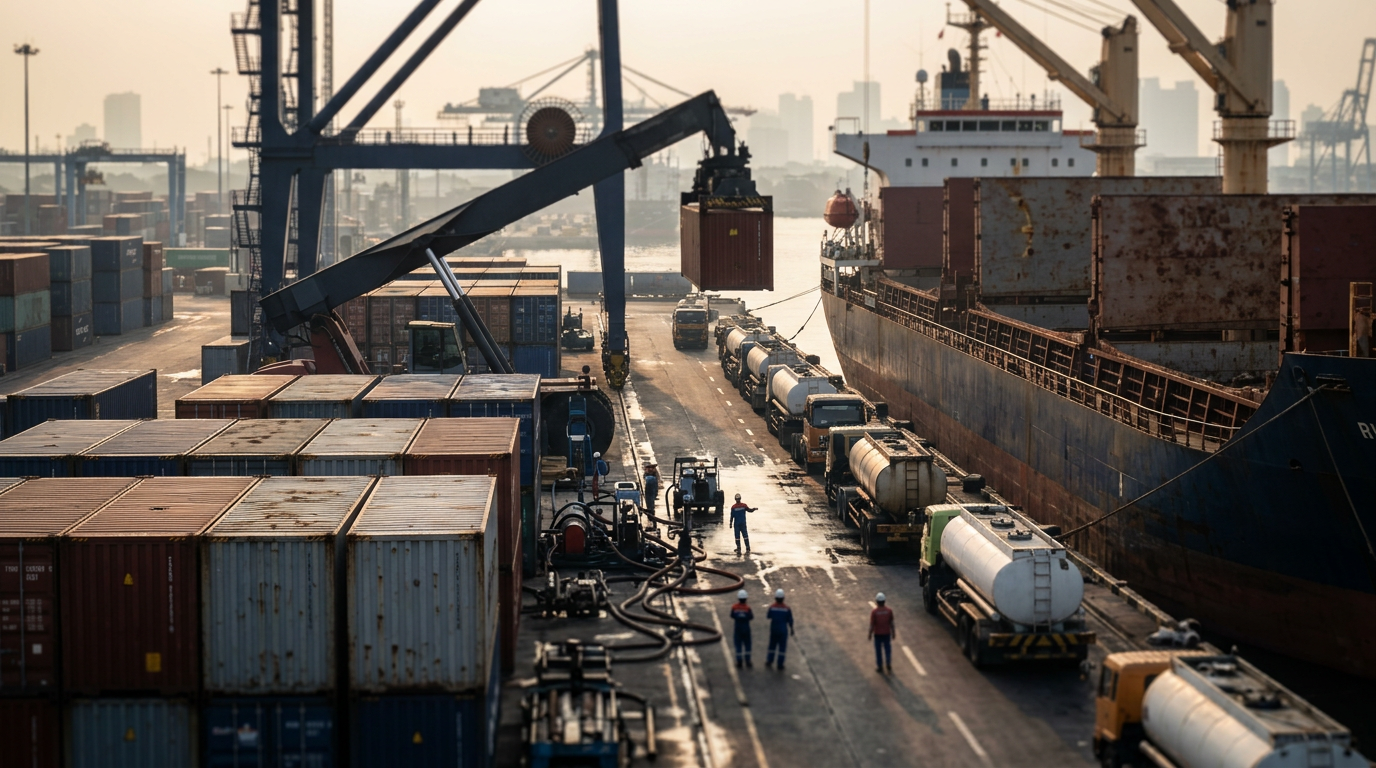
A new plan by Indonesia to tighten oversight of its commodity exports is causing concern in Malaysia and among global traders. As reported by Malay Mail, the policy, centered on a state-linked monitoring framework, is particularly focused on palm oil, a pillar of the Indonesian economy and a commodity with a complex history of market volatility and international pressure.
While Jakarta frames the move as a way to improve governance and ensure domestic supply, it creates friction with its closest trading partners. The episode highlights a fundamental tension for all ten members of the Association of Southeast Asian Nations: how to balance national economic sovereignty with the bloc's collective ambitions for a more integrated regional market. This action is not taking place in a vacuum; it is part of a larger pattern of resource nationalism and a desire for greater state control over economic destiny.
Institutions and Execution
Indonesia's policy introduces a new layer of institutional oversight. The government aims to create a more predictable and controlled export environment, moving away from the ad-hoc bans that have previously shocked global markets. The stated goal is to manage domestic pricing, particularly for cooking oil, and to ensure that the benefits of the country's natural resources are more fully realized at home. The success of this initiative will depend entirely on the quality of its execution.
Establishing a new monitoring body is one thing; ensuring it is efficient, transparent, and free from corruption is another. For international traders and partner countries like Malaysia, the key concerns are uncertainty and the potential for new non-tariff barriers. If the new system adds significant delays, costs, or opacity to the export process, it could damage Indonesia's reputation as a reliable supplier. This is a direct test of institutional capacity. Can the Indonesian state build a system that achieves its domestic goals without disrupting a multi-billion dollar export industry? The answer will have consequences for the global supply chain and for the country's own economic well-being.
The Dependency Dilemma
This move can be seen through the lens of managed dependency, a concept explored in the book ASEAN Rising. While the book applies this frame primarily to the bloc's relationship with China, the logic is also relevant to intra-ASEAN dynamics. For decades, ASEAN economies have become more intertwined. Malaysia and Indonesia dominate the global palm oil market, but they are also competitors. Indonesia's policy is an assertion of its own interests, potentially at Malaysia's expense.
The broader context is that deep economic integration, whether with a neighbor or a global superpower, creates vulnerabilities. The book notes that for ASEAN governments, the main question is "how to manage dependency without losing optionality." Indonesia is attempting to recalibrate its trade relationships to retain more control. This impulse is understandable, especially for a commodity as politically sensitive as palm oil. However, it complicates the narrative of a seamless ASEAN Economic Community. It suggests that when core national interests are at stake, member states will prioritize domestic concerns over regional ones. This creates a more complex and fragmented economic environment, where trust between member states can be tested.
The relationship with China offers a parallel. The book observes that "trade depth with China is now a structural feature, not a cyclical one." ASEAN nations cannot simply decouple from China's economy; they must instead learn to manage the relationship. Similarly, Indonesia cannot extract itself from the global commodity market. It is, instead, trying to set new terms of engagement. This is a strategy that requires significant state capacity and a deft hand in managing the expectations of both domestic and international stakeholders.
What to watch
How Malaysia and other major importers like India and China respond to Indonesia's new framework will be telling. Watch for any retaliatory trade measures or a formal challenge through ASEAN or WTO channels. The execution of the policy itself is the most significant element to monitor. If the new system is perceived as a bureaucratic obstacle rather than a legitimate tool of governance, expect traders to seek alternatives, potentially impacting investment in Indonesia's downstream processing industries. This move could also inspire similar policies in other countries and for other commodities, from nickel to rice, reshaping the region's trade architecture around national interests rather than collective ones.