Indonesia
Indonesia's Commodity Centralization and the Challenge of Managed Dependency
Jakarta's plan to create a state-run commodity exchange is not just a trade policy; it is a test of institutional capacity and a strategic effort to rebalance its deep economic ties with China.
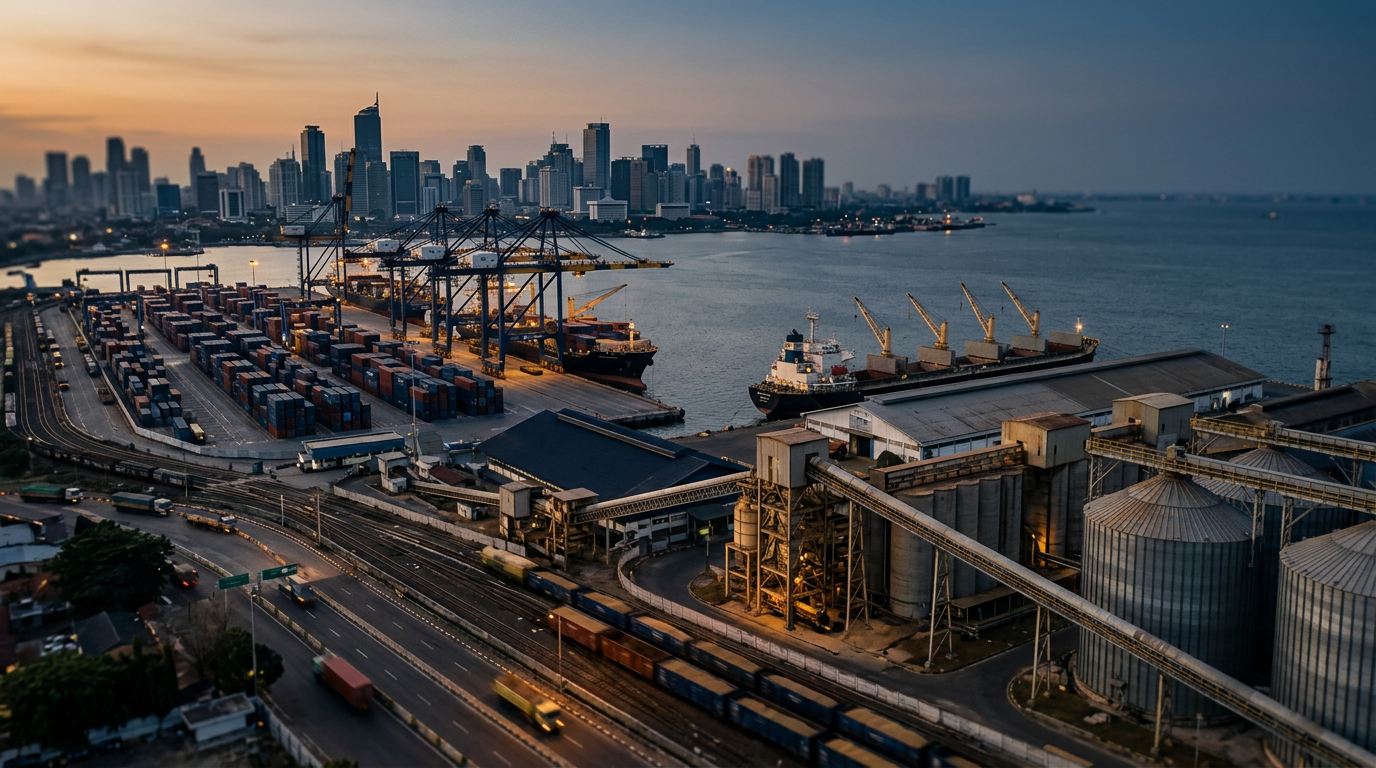
A recent report in the Straits Times highlights growing concern among businesses and investors over Indonesia's plan to centralize its strategic commodity exports. The proposed policy would channel key commodities, likely including nickel, tin, and crude palm oil, through a new state-controlled system, giving the government unprecedented control over the flow and pricing of its most valuable natural resources. While the stated aim is to improve price discovery and increase state revenue, the move represents a significant strategic pivot, carrying both substantial rewards and considerable risks.
The State as Strategic Gatekeeper
The Indonesian government's proposal is a profound exercise in institution-building. By creating a single point of export, Jakarta is attempting to consolidate its market power and move beyond being a passive price-taker in the global commodities market. This reflects a wider trend among resource-rich nations to capture more value from their endowments. The logic is that by controlling the supply, or at least the official gateway for that supply, the state can exert more influence on terms of trade, ensure compliance with domestic processing requirements (like the nickel export ban), and create more transparent benchmarks for its resources.
However, the success of such a centralized institution hinges entirely on its execution. The concerns from the business community are not unfounded. State-run enterprises can be subject to governance challenges, inefficiency, and a lack of commercial agility. Building a robust digital and physical infrastructure to handle the immense volume of trade is a formidable task. For this institution to function effectively, it will require a high degree of transparency, a clear and predictable regulatory framework, and the talent to manage complex trading operations. Without these elements, the new system could become a bottleneck, deterring investment and ultimately undermining the country's economic competitiveness.
Rebalancing Dependency on China
This policy cannot be viewed in isolation from the broader geopolitical context, particularly Indonesia's deep trade relationship with China. As detailed in ASEAN Rising, the depth of trade with China is now a structural feature of Southeast Asian economies. For a major commodity producer like Indonesia, whose nickel and other raw materials are fundamental inputs for Chinese industry, this trade is both lucrative and a source of strategic vulnerability. Jakarta's move to gatekeep exports can be interpreted as a direct attempt to "manage dependency without losing optionality."
By controlling the spigot, Indonesia may be seeking to increase its negotiating leverage with its largest trading partner. It gives the government a tool to enforce its policy of domestic value-add, pushing partners like China to invest further in downstream processing facilities within Indonesia. It is a strategic assertion of economic sovereignty, signaling that access to its resources will come with stricter conditions. This represents a delicate balancing act. The policy could secure a greater share of the value chain for Indonesia, but if implemented clumsily, it could also prompt major buyers to diversify their sources, treating Indonesia as a less reliable supplier and eroding the trust that underpins long-term trade relationships.
What to watch
As the Indonesian government moves to finalize and implement this policy, the key indicators to watch will be the detailed design of the new state trading institution and the response from its major trading partners and foreign investors. Attention should be paid to the safeguards put in place to ensure transparency and efficiency, and whether the government can build market trust in its ability to execute this complex vision. How China reacts to this more assertive stance from a key supplier in its industrial supply chain will also be a telling indicator of the shifting dynamics between capital, institutions, and strategic trade in the region.