Indonesia
Indonesia's Commodity Overhaul and the Question of ASEAN's Dependency
Indonesia's plan to rebuild its commodity oversight body is a local solution to a regional problem: how to manage trade dependency while strengthening its position in global supply chains.
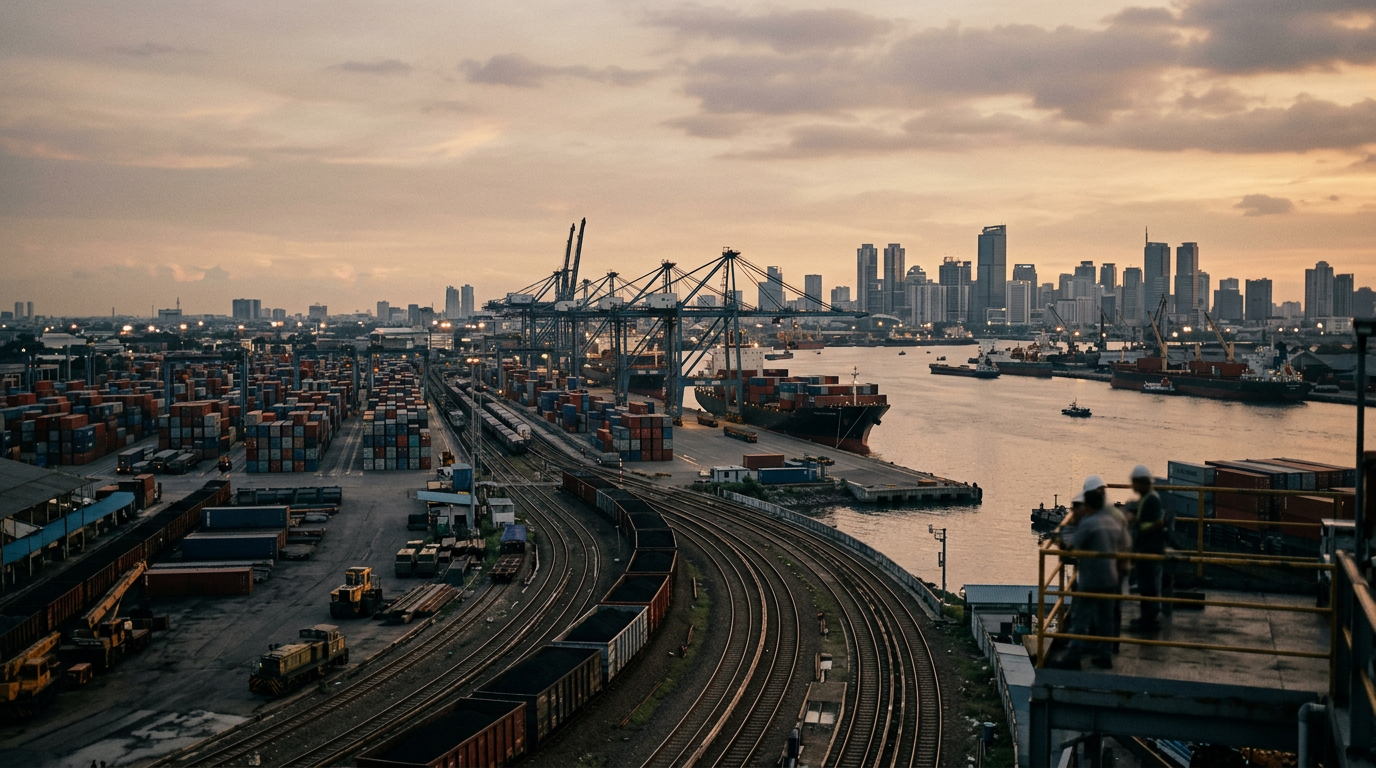
A recent initiative by Indonesian President Prabowo Subianto's administration aims to re-establish a comprehensive commodity oversight body, an effort to reduce revenue leakage and improve the country's standing in global supply chains, as reported by The Diplomat. The move highlights a fundamental issue facing not just Indonesia but many of its neighbors: how to build the institutional strength required to manage deep-seated economic relationships, particularly with China.
Institutions and Execution
The Indonesian proposal directly addresses what the news report calls "fragmented oversight," a condition that has historically allowed for inefficiencies and lost revenue in the archipelago's vast commodity sector. Creating a single, powerful oversight body is a direct attempt to improve institutional capacity. For a major exporter of nickel, palm oil, and coal, the lack of a centralized authority to monitor production, pricing, and exports represents a significant structural weakness.
Stronger institutions are the bedrock of effective execution. By consolidating control, the government seeks to create a more transparent and predictable environment. This is not merely an administrative reshuffle; it is a foundational step toward capturing the full value of its natural resources. A well-functioning oversight body can better enforce contracts, verify export data, and ensure that state revenues are collected, providing the government with the capital and authority to execute its economic strategy.
Managing Dependency
This domestic reform has significant international implications. Indonesia's deep trade links with China, the primary destination for many of its commodities, exemplify a region-wide dynamic. The book ASEAN Rising notes that such trade depth is a structural feature of the modern regional economy. The operative question for governments is no longer about whether to engage with their largest trading partner, but how to do so from a position of strength.
Effective domestic governance is the first step toward achieving this. By creating a more robust regulatory framework for its most valuable exports, Indonesia can better "manage dependency without losing optionality." When a nation has firm control over its own resources, it is better equipped to negotiate prices, attract diversified investment, and resist external pressures that do not align with its national interest. It transforms its resource wealth from a source of passive income into an active lever of economic statecraft.
Trust and Capital
Ultimately, the success of this institutional reform will hinge on its ability to build trust-both domestically and internationally. A transparent and consistently regulated commodity market reduces risks for foreign partners and investors. This renewed trust can attract the kind of long-term capital needed to move Indonesia up the value chain, for example by developing more domestic processing and refinement facilities.
Such a move would signal to global markets that Indonesia is a reliable and serious player. By addressing leakage and improving governance, the government is not just securing revenue; it is enhancing the country's strategic weight. A nation that can effectively manage its economic base is a more credible partner and a more resilient actor in a complex geopolitical landscape. This allows it to build a more diversified and sophisticated economy, less reliant on the simple extraction and export of raw materials.
What to watch
What to watch is the execution. The political will to announce a new oversight body is different from the sustained effort required to make it effective. Observers should monitor the legislative process, the scope of the body's authority, and its initial enforcement actions. The success or failure of this initiative in Indonesia will be instructive for other ASEAN commodity exporters facing similar challenges in managing their own trade relationships and seeking greater economic autonomy.