Indonesia
Indonesia's Rare Earth Export Checks Test a China-Centric Trade Strategy
New export checks on Indonesian metal products are more than a bureaucratic hurdle. They represent a strategic effort to map and control valuable rare earth elements, testing the country's ability to manage its deep trade dependency on China.

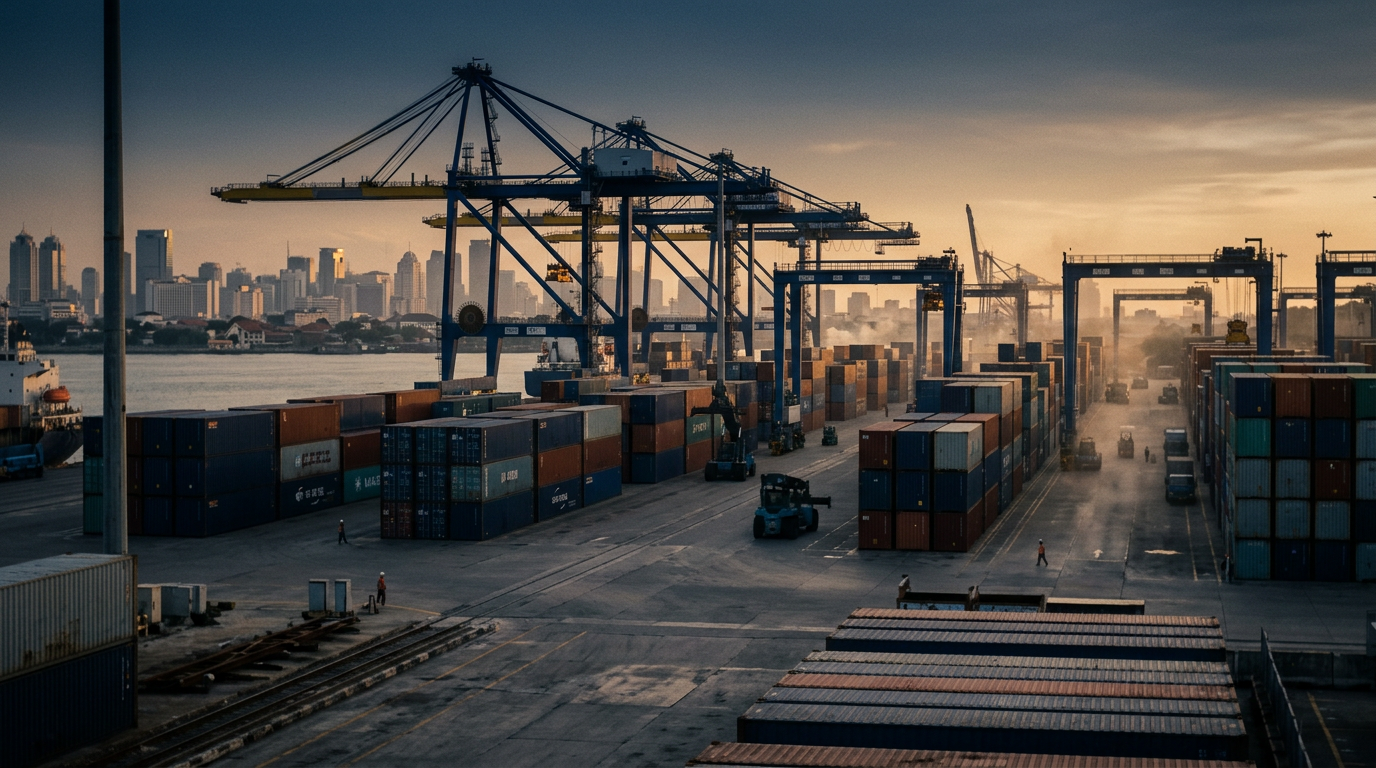
Exports of metal products from Indonesia are facing delays following the implementation of new government checks for rare earth elements and radioactive materials. According to a report from Bloomberg, the new regulations have disrupted shipments from the major commodities producer. While on the surface this appears to be a logistical issue, the policy points to a deeper strategic calculation within the Indonesian government about the nature of its resource wealth and its place in a global supply chain dominated by China.
The Institutional Test
This is not the first time Indonesia has used policy to exert greater control over its mineral exports. The well-documented ban on unprocessed nickel ore exports was a forceful, if controversial, move designed to push smelting and other value-added activities onshore. These new checks on metal shipments for traces of rare earths can be viewed as an extension of that industrial strategy. It represents a government building the institutional muscle to audit and control its resource base.
The immediate question is one of execution. The current delays highlight the difficulty in implementing such a sweeping change without disrupting established trade flows. For the policy to be effective, the government must demonstrate that its agencies can execute these checks efficiently and transparently. Failure to do so risks damaging Indonesia's reputation as a reliable supplier, potentially undermining the very economic strength the policy is meant to enhance. This is a direct test of the state's administrative capacity to translate strategic goals into effective action on the ground.
Dependency and Optionality
The subtext of this policy is the powerful role of China in global mineral processing. China maintains a dominant position in the rare earths supply chain, and any nation seeking to understand its own resource endowment in this area must contend with that reality. The Indonesian checks are a foundational step in building a national strategy for strategic minerals. Before any industrial policy for domestic processing can be formed, a government must first know what it has.
The situation reflects a core dilemma for many Southeast Asian nations. As detailed in ASEAN Rising, deep trade integration with China is a structural economic feature. The primary concern is no longer about whether to trade with China, but, in the book's words, "how to manage dependency without losing optionality." Indonesia's move is a clear attempt to build that optionality. By identifying and quantifying the rare earths leaving its shores within other metal exports, Jakarta is gathering the data needed to make future strategic choices. These could include developing domestic processing capabilities, seeking alternative partners, or simply using the information as a point of leverage in trade negotiations.
Capital, Infrastructure, and Trust
A full-fledged strategy for rare earths requires more than just data; it demands enormous investment in capital and infrastructure. Processing rare earth elements is a technologically complex and capital-intensive undertaking. If Indonesia aims to move downstream, it will need to attract billions of dollars to build the necessary refineries and processing plants. This, in turn, requires specialized infrastructure to support such facilities.
Attracting that capital presents its own set of challenges. China is a potential source for such investment, which creates a paradox: Indonesia might need to deepen its engagement with China in order to build the industrial base that could eventually lessen its dependency. To avoid this, Jakarta would need to successfully court investors from other countries, who would need to be convinced of the long-term stability of Indonesia's regulatory framework. Policies that create export friction, like the current checks, can erode the trust that is essential for long-term, large-scale investment. The government must balance its desire for strategic control with the need to remain an attractive destination for foreign capital and expertise.
What to watch
Observers should monitor the duration of the current export disruptions and the government's response. A swift resolution would suggest a temporary execution issue, but prolonged delays could signal deeper institutional problems. The key indicator will be what policy actions follow this data-gathering exercise. Any serious moves by Jakarta to promote investment in domestic rare earth processing, and the source of that capital, will reveal the true direction of Indonesia's strategy for managing its strategic resources in a complex geopolitical environment.