Indonesia
Indonesia, China, and the Challenge of Managed Trade
Indonesia's new state-backed commodity trader, Danantara Sumberdaya Indonesia (DSI), is an attempt to manage trade dependency, but its success will depend on execution against entrenched market forces.
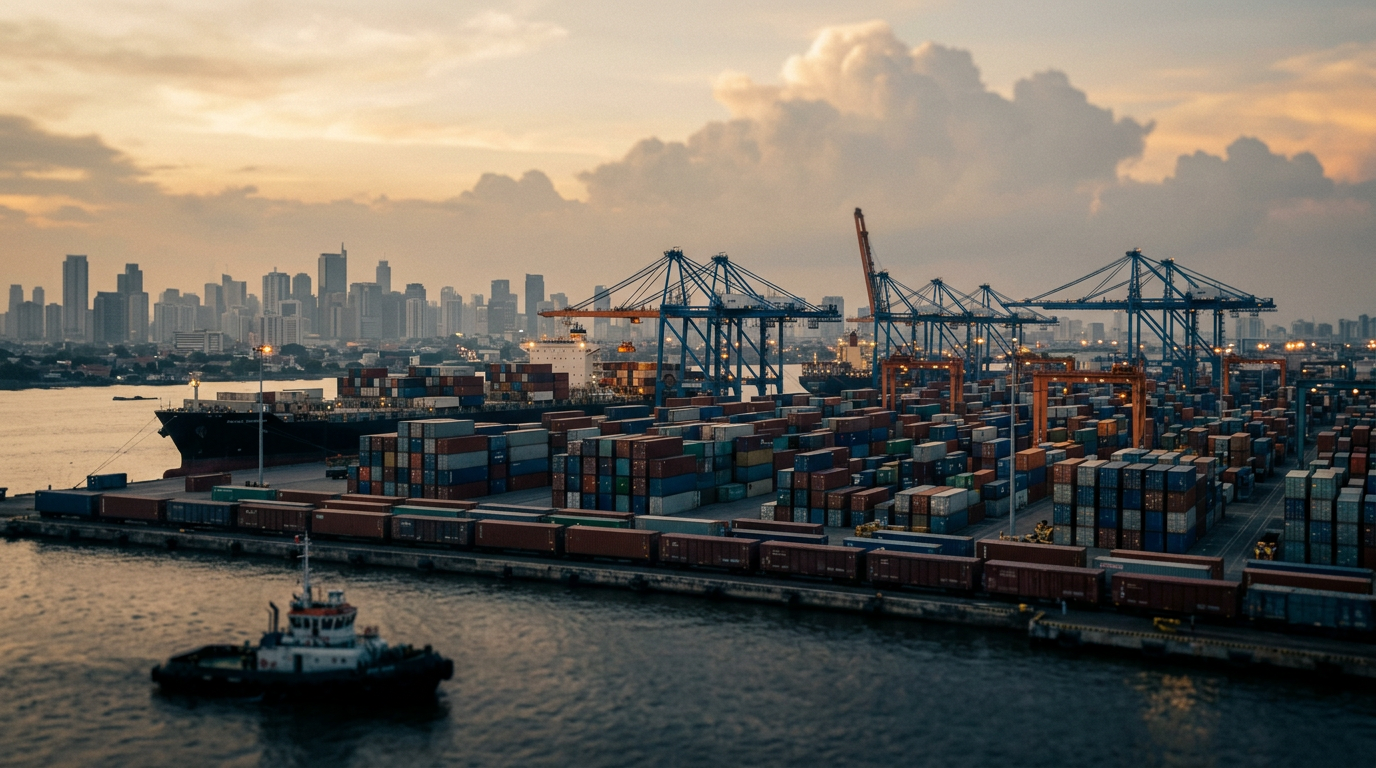
A recent report from RHB IB, covered by Bernama, projects that Indonesia's new export entity, Danantara Sumberdaya Indonesia (DSI), will likely have a limited short-term impact on the country's economy and its vast commodity export market. While the immediate economic effect may be contained, the formation of DSI is a significant policy signal. It represents a state-led attempt to gain more control over the national patrimony, a move that reflects a wider regional balancing act between economic integration and strategic autonomy.
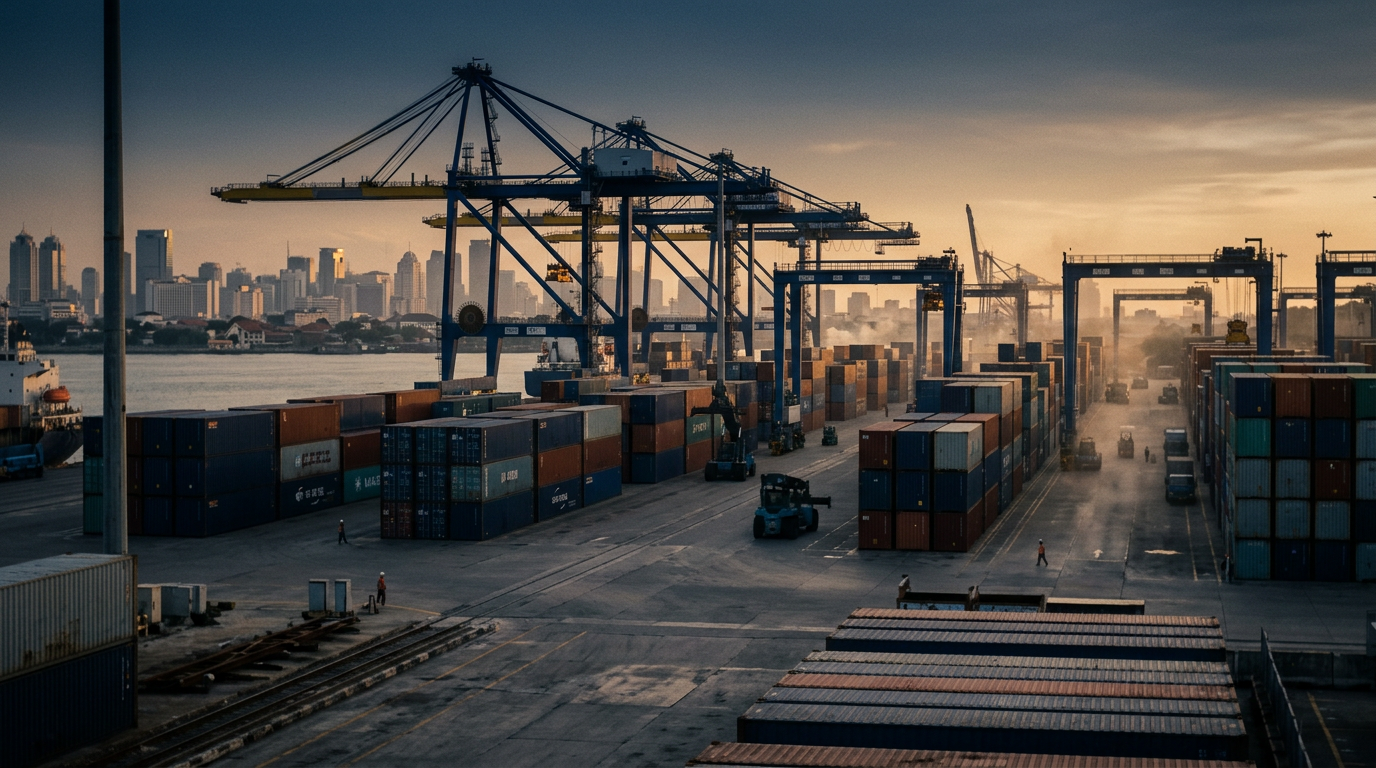
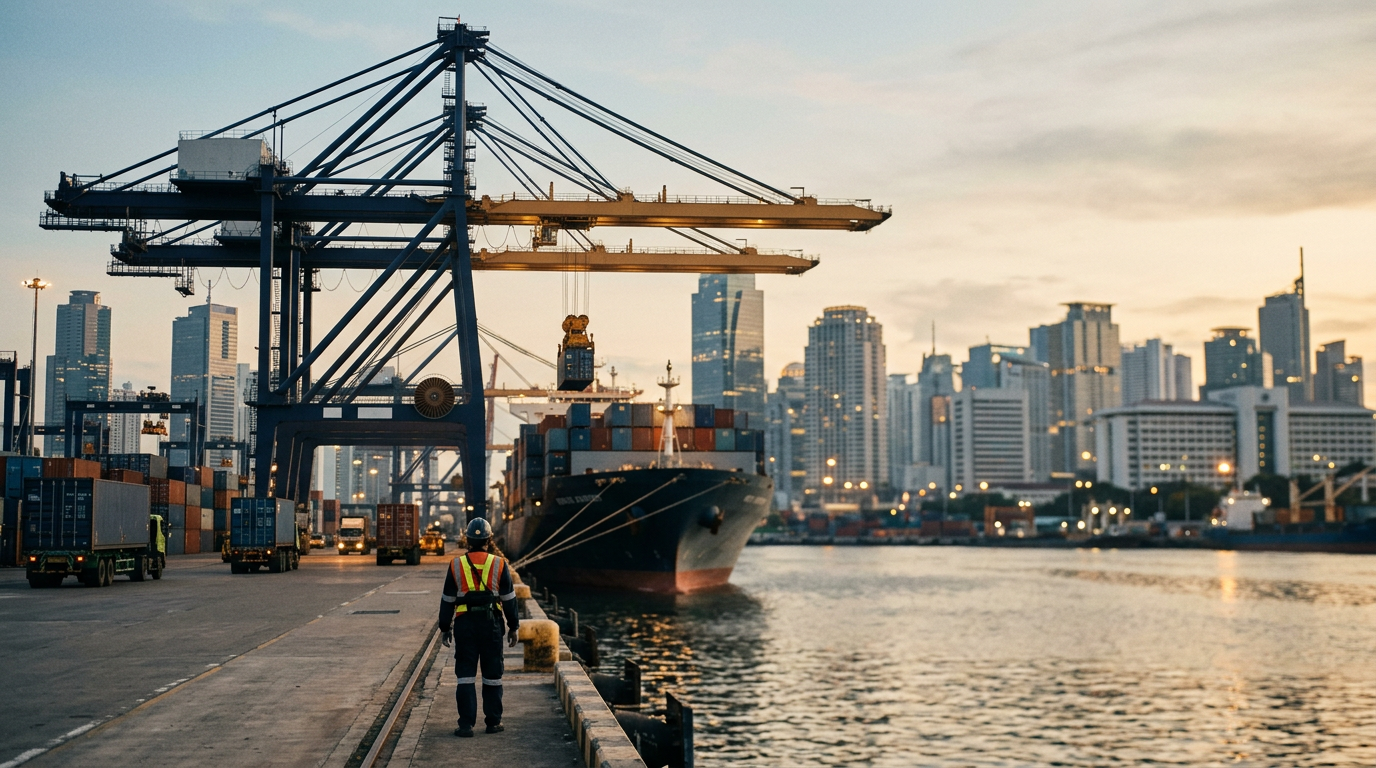
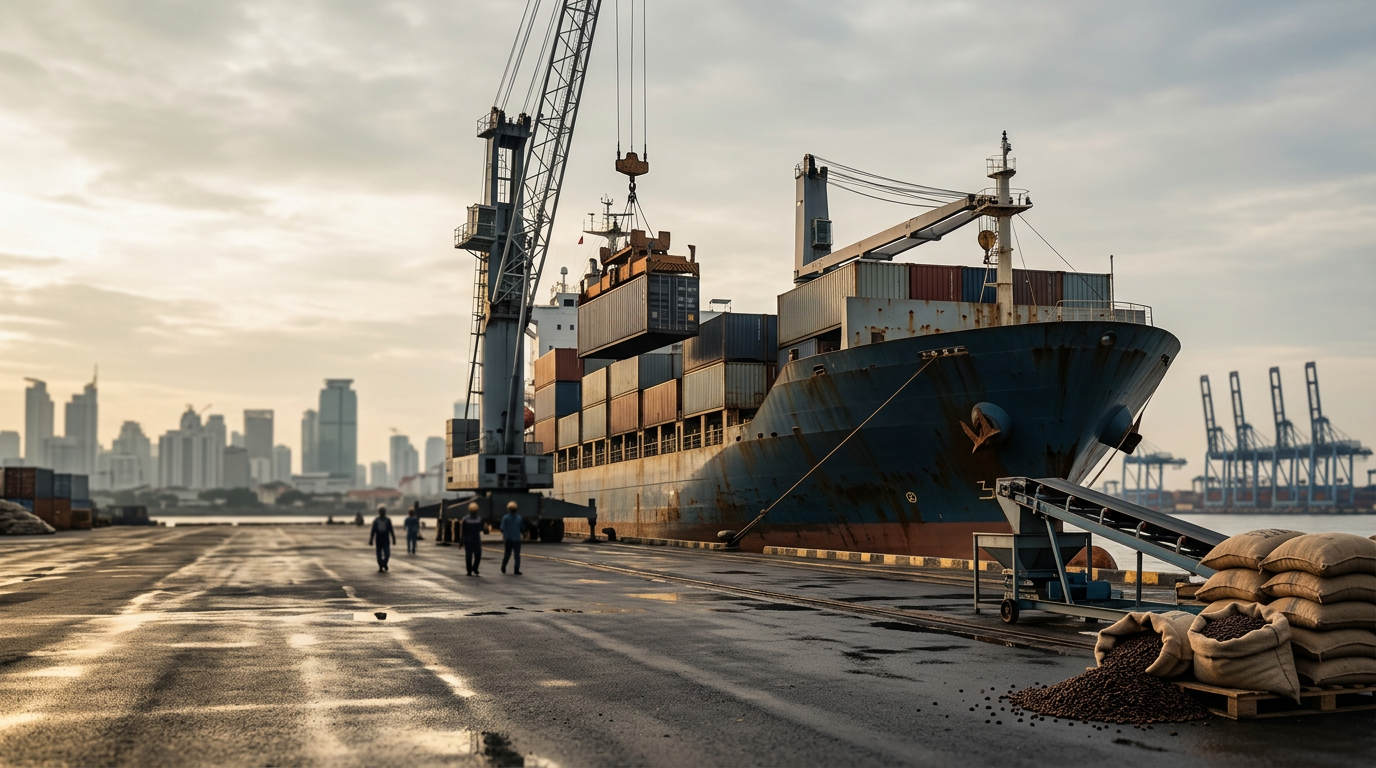
The establishment of a state trading house is an institutional response to a long-standing challenge for many resource-rich nations: how to capture more value from their own commodities. Indonesia is a global powerhouse in nickel, palm oil, coal, and other raw materials. Yet, much of the trading, financing, and shipping of these goods is handled by established international firms headquartered outside the country. A body like DSI is, in principle, designed to centralize some of this activity, giving the state a direct hand in the market to stabilize prices, secure better terms, and potentially build a downstream industry. The initiative is a clear exercise in building a new institution to pursue national objectives.
Dependency and Optionality
The strategic context for DSI's creation is the deep economic interconnection between Southeast Asia and its largest trading partner, China. This trade relationship is a fundamental aspect of the regional economy. As the book ASEAN Rising notes, this integration is a structural reality. For governments in the region, including Indonesia, the operative question is no longer about whether to engage with China, but about how to construct the relationship. The goal is to find ways "to manage dependency without losing optionality."
Viewed through this lens, DSI is an instrument of managed dependency. It is an assertion of sovereign interest in a globalized market where supply chains are often opaque and pricing power is concentrated. By creating a national champion for commodity trading, Jakarta is signaling its intent to be more than a passive supplier of raw materials. The aim is to have a tool to directly engage with large buyers and influence the terms of trade, rather than simply accepting prices set elsewhere. This move is part of a broader industrial policy aimed at developing more economic complexity and resilience.
The Execution Challenge
The skepticism from market analysts like RHB IB is grounded in the immense practical difficulties of executing such a vision. The global commodity trading business is notoriously competitive, capital-intensive, and reliant on specialized talent and infrastructure. Established players have decades of experience, deep liquidity pools, sophisticated risk management systems, and global logistics networks.
A new state-owned entity like DSI faces the challenge of building all of this from the ground up. It must secure substantial capital to handle large transactions. It needs to attract and retain expert traders and analysts who can compete with the private sector. Most importantly, it has to build trust with both domestic producers, who need reliable offtake for their products, and international buyers, who demand consistent supply and professional contract execution. Without these elements, a state trader risks becoming an inefficient and costly bureaucracy rather than a nimble market player. The gap between announcing a new institution and making it effective is where policy often fails.
What to watch
What to watch is how Indonesia addresses the formidable execution requirements. The initial capitalization of DSI, its governance structure, and its ability to attract top-tier talent will be early indicators of its potential. The entity's success will also be measured by its capacity to gain the trust of market participants, both at home and abroad. For other ASEAN nations that are also major commodity exporters, Indonesia's experience with DSI will serve as a valuable case study in the ongoing effort to balance national economic control with global market realities.