Indonesia
Indonesia's Commodity Play: A Bet on Centralised Control
Indonesia's plan to centralise commodity exports is a significant move to boost state revenue, reflecting a broader regional dynamic of managing economic dependency and seeking greater strategic optionality.
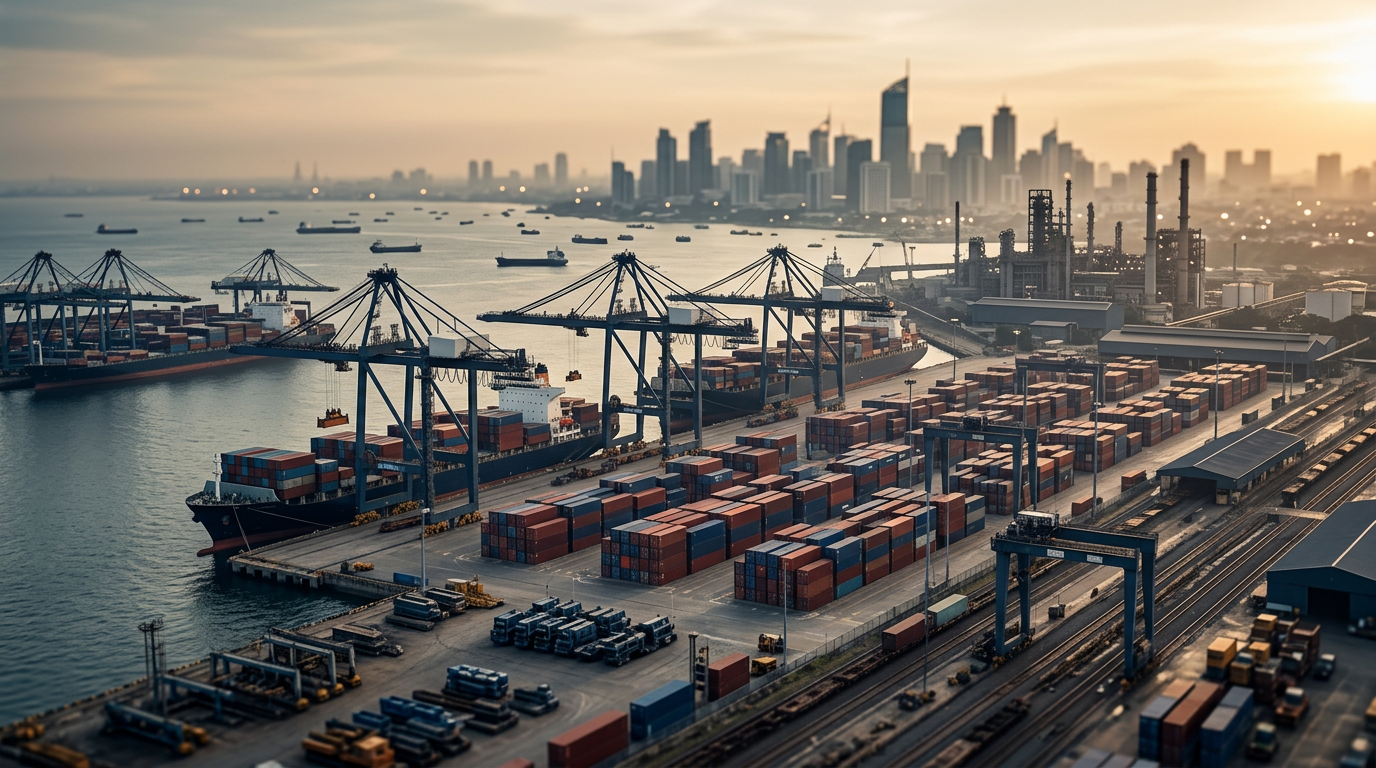
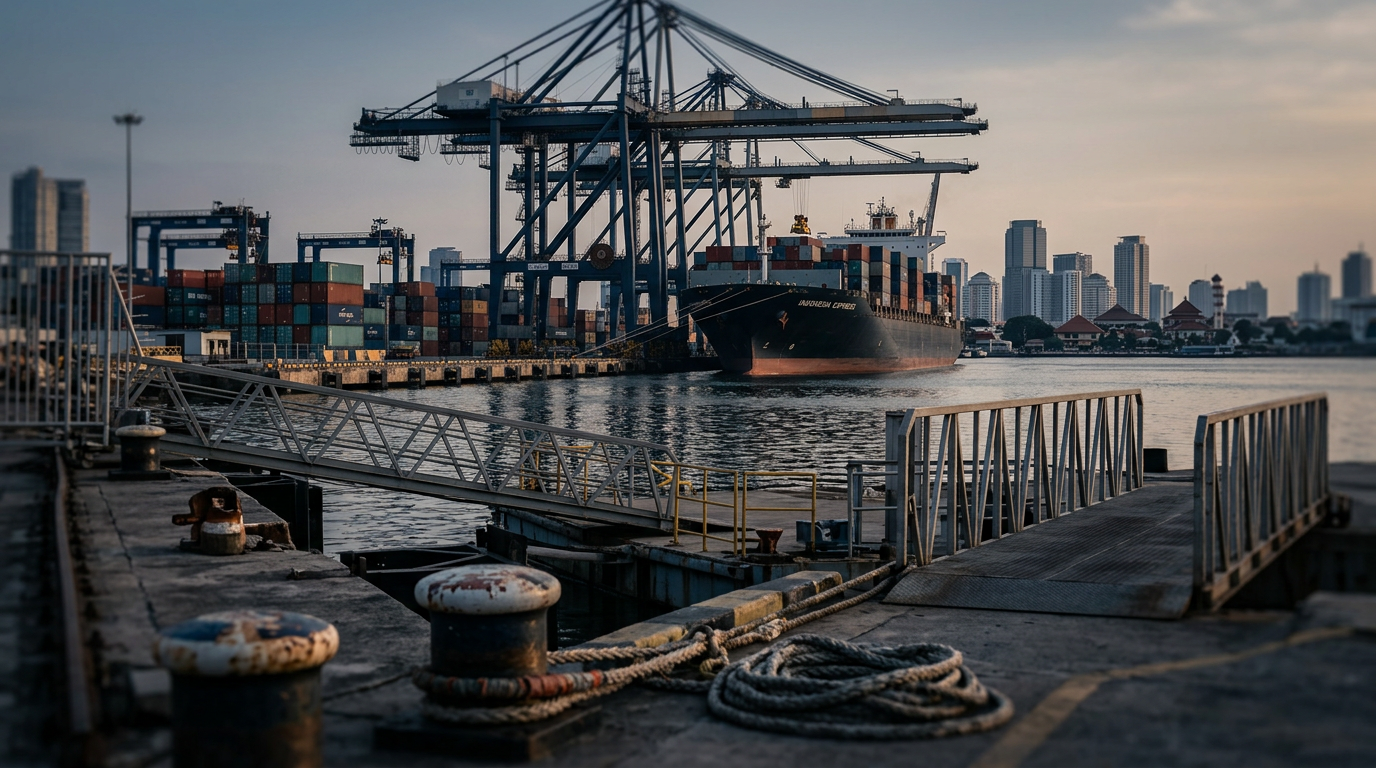
Indonesia has unveiled a plan to centralise exports of key commodities like palm oil and coal through a new state agency, a move aimed at boosting government revenue. The proposal, reported by Reuters, would represent a major shift in how the country manages its vast natural resources. By channeling these critical exports through a single government-controlled entity, Jakarta aims to improve price discovery, streamline royalty and tax collection, and exert greater control over its economic destiny. This is a direct attempt to alter the terms of trade for commodities that are fundamental to the national economy and global supply chains.
The Sovereignty calculus
Indonesia's proposal is a clear example of a government trying to answer the core question of economic statecraft in the region. As detailed in the book ASEAN Rising, deep trade integration, particularly with economic heavyweights like China, is now a permanent structural feature of the region's economy. For governments, the focus has shifted toward "how to manage dependency without losing optionality." The creation of a state-run commodity export authority is a textbook illustration of this principle in action. It is an assertion of sovereign control over the levers of the economy.
By consolidating export flows, the state can potentially negotiate from a position of greater strength with large-scale buyers. It also allows for a more direct implementation of national policy, whether that involves environmental standards, domestic market obligations, or resource conservation measures. The plan reflects a growing sentiment across ASEAN that simply being a passive producer of raw materials is no longer a viable long-term strategy for national development.
Execution and Trust
While the strategic logic is clear, the success of such an ambitious undertaking rests entirely on the government's capacity for execution and the trust it can build. Establishing a new state-owned enterprise with a monopoly on vital exports is fraught with risk. The institution would need to be insulated from political interference and managed with a high degree of commercial acumen and transparency to avoid becoming a bottleneck or a source of corruption. Indonesia has a mixed record with state-owned enterprises, and the business community, both domestic and international, will be watching closely.
Building trust with market participants is paramount. Commodity markets are famously sensitive to policy shifts, and the introduction of a new state intermediary could be perceived as increasing sovereign risk. To be effective, the agency must demonstrate that it can operate with efficiency, predictability, and fairness. Failure to do so could lead to capital flight, reduced investment in upstream production, and the rerouting of global trade flows to competing suppliers, undermining the very goals the policy seeks to achieve.
What to watch
Observers should monitor the legislative progress of this proposal through Indonesia's parliament and the specific design of the new agency. The reaction from major commodity trading houses and key import markets, such as China and India, will be a telling indicator of the plan's market acceptance. Finally, it will be important to see if other resource-rich nations in the region are emboldened to consider similar models of state-led commodity management.