Indonesia
Indonesia's Commodity Centralization Tests China Trade Relationship
Jakarta's move to funnel strategic commodity exports through a state enterprise is a practical test of managing economic dependency on China, a core theme of regional trade policy.
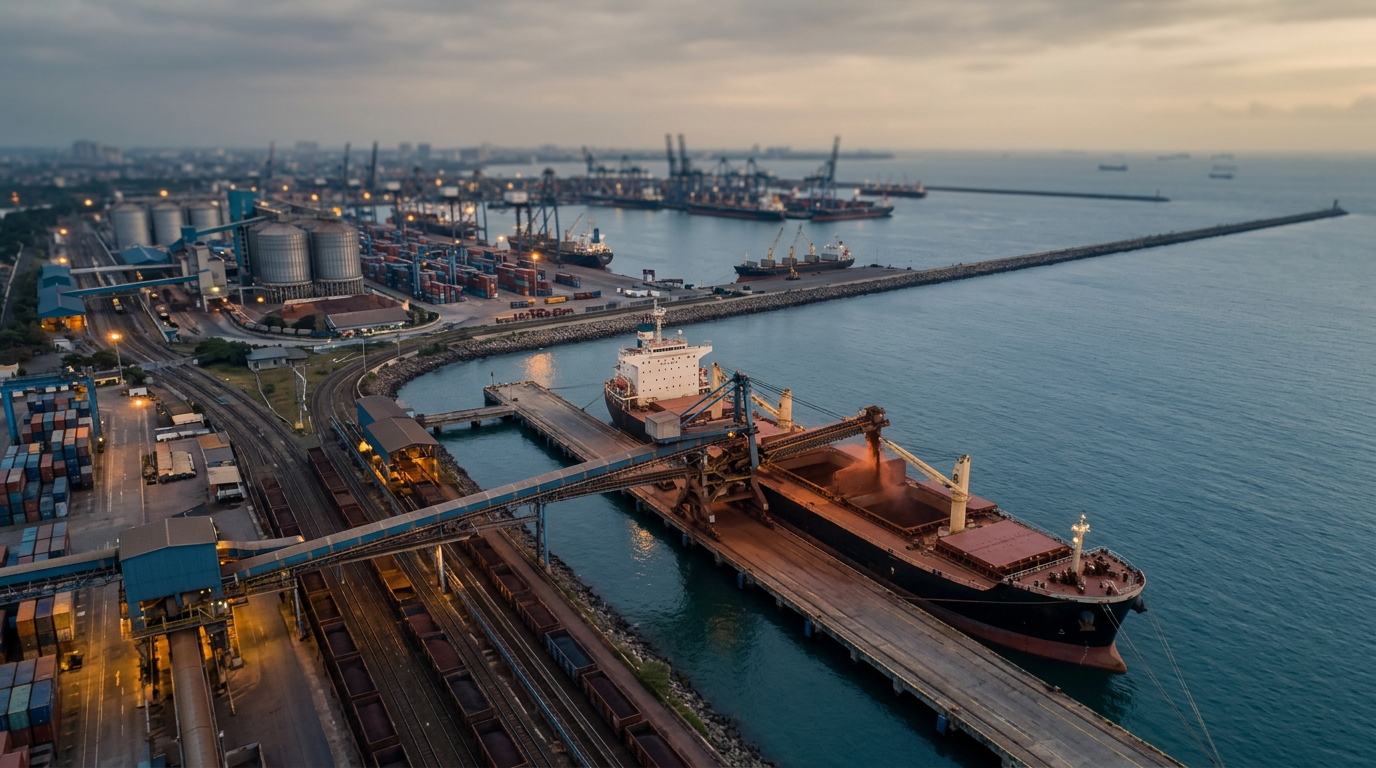
A recent statement from China's Ambassador to Indonesia has put a fine point on the delicate balance ASEAN nations must strike in their most significant trading relationship. According to a report from Antara News, Ambassador Wang Lutong noted that Beijing respects Jakarta's decision to centralize strategic commodity exports through a state-owned enterprise, DSI, but also explicitly urged for policy stability. The comment highlights the core tension for resource-rich ASEAN economies: how to exert greater control over their economic destiny without disrupting the deep-seated trade connections that power their growth.
Jakarta's Strategic Shift
Indonesia's policy intent is to gain a firmer hand in the trade of its vast natural resources. By mandating that strategic commodities--which are expected to include key industrial inputs like nickel, tin, and bauxite--be exported through a single state-controlled entity, Jakarta aims to improve price discovery, consolidate negotiating power, and ensure that a greater share of the value remains within the country. The government envisions DSI acting as a market maker, providing a transparent and unified channel for international buyers.
This is not a novel idea, but its implementation in the current geopolitical and economic context is significant. It represents a move away from a fragmented market of private exporters toward a model of sovereign consolidation. The primary goal is to translate raw resource wealth into more durable economic and industrial strength, potentially by directing these resources toward domestic processing and downstream industries. The success of this strategy hinges on the state's ability to build an institution that is efficient, transparent, and commercially astute.
Beijing's Signal for Stability
The Chinese ambassador's measured response is telling. The statement of "respect" for Indonesia's sovereign decision-making is standard diplomatic language. The substantive message is in the call for "policy stability." China is the world's largest consumer of most commodities and the primary destination for many of Indonesia's raw material exports. Its industrial economy relies on a predictable, high-volume flow of these inputs.
Policy shifts in a major supplier like Indonesia create uncertainty for Chinese importers and industrial planners. The request for stability is a signal that while Beijing is prepared to engage with the new state-led structure, it wants assurance that the rules will be clear, consistent, and commercially viable. It is a subtle reminder of the deep-seated interdependency between the two economies. China needs Indonesia's resources, but Indonesia needs China's market. The statement underscores Beijing's interest in a reliable trade architecture, even if the negotiating partner is a more formidable state-backed entity.
Managing a Structural Reality
This policy experiment in Jakarta is a direct confrontation with a central theme of regional commerce explored in the book ASEAN Rising. The uncomfortable reality for policymakers is that deep trade integration with China is now a permanent, structural feature of the economic landscape. The defining question for governments is "how to manage dependency without losing optionality."
Indonesia's formation of DSI is an institutional attempt to answer that question. It is a tool designed to enhance Jakarta's "optionality"-its ability to set terms, choose its partners, and direct its resources. By creating a single, powerful commercial intermediary, the government is betting that it can rebalance the terms of its dependency on foreign markets. The challenge lies in execution. The capacity of the new state enterprise to perform this role without succumbing to inefficiency or corruption will determine whether the policy strengthens Indonesia's hand or simply introduces a new layer of bureaucracy.
What to watch
Observers should monitor the details of the forthcoming presidential decree that will legally empower the new export regime. The operational effectiveness of DSI upon its launch will be the most important factor in the policy's success. Its ability to manage logistics, negotiate contracts, and maintain the confidence of global markets will be tested immediately. The reactions of other major commodity buyers, such as Japan, South Korea, and European nations, will also indicate whether Indonesia's move is seen as a legitimate exercise in sovereign economic management or a barrier to trade. The outcome in Indonesia will serve as a powerful case study for other ASEAN states reliant on commodity exports.