
ASEAN Analysis & Commentary
Every analysis published on ASEAN Rising is sourced, datestamped and signed. We're more interested in being right in 12 months than first in 12 minutes.
Foundation pieces
Start here. The three pieces below set out the lens ASEAN Rising uses to read every story.
ASEAN Rising's core lens. Execution Economics is the study of whether countries, companies and institutions can convert obvious potential into delivered outcomes - and which six pillars decide the answer.
The region has capital, demographics, location and policy ambition. None of that has ever been the binding constraint. The next decade is an execution test, not a potential test - and it is already being scored.
Malaysia is the test case for whether ASEAN's middle powers can turn FDI, semiconductors and data centres into compounding domestic capability. Read the live coverage and execution scorecard.
Analysis tagged #vietnam
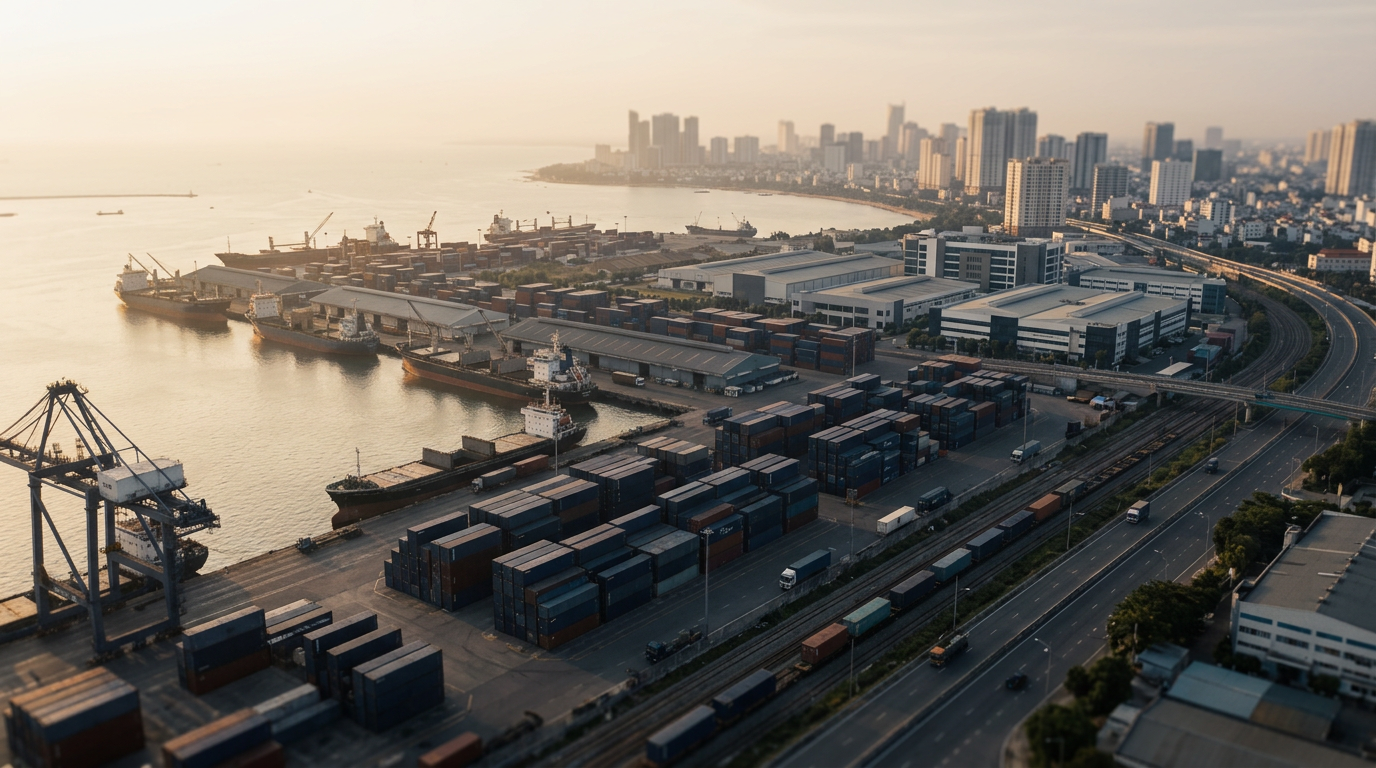
 Vietnam
's quiet industrial rise
Vietnam is leveraging its manufacturing expertise to build and export industrial ecosystems, moving up the value chain from components to integrated systems.
 Vietnam
, Ghana, and the Machinery of Economic Independence
Vietnam's industrial capabilities, once focused on simple processing, are now a source of sophisticated capital goods for other developing nations, a model for managing dependency and building economic sovereignty.
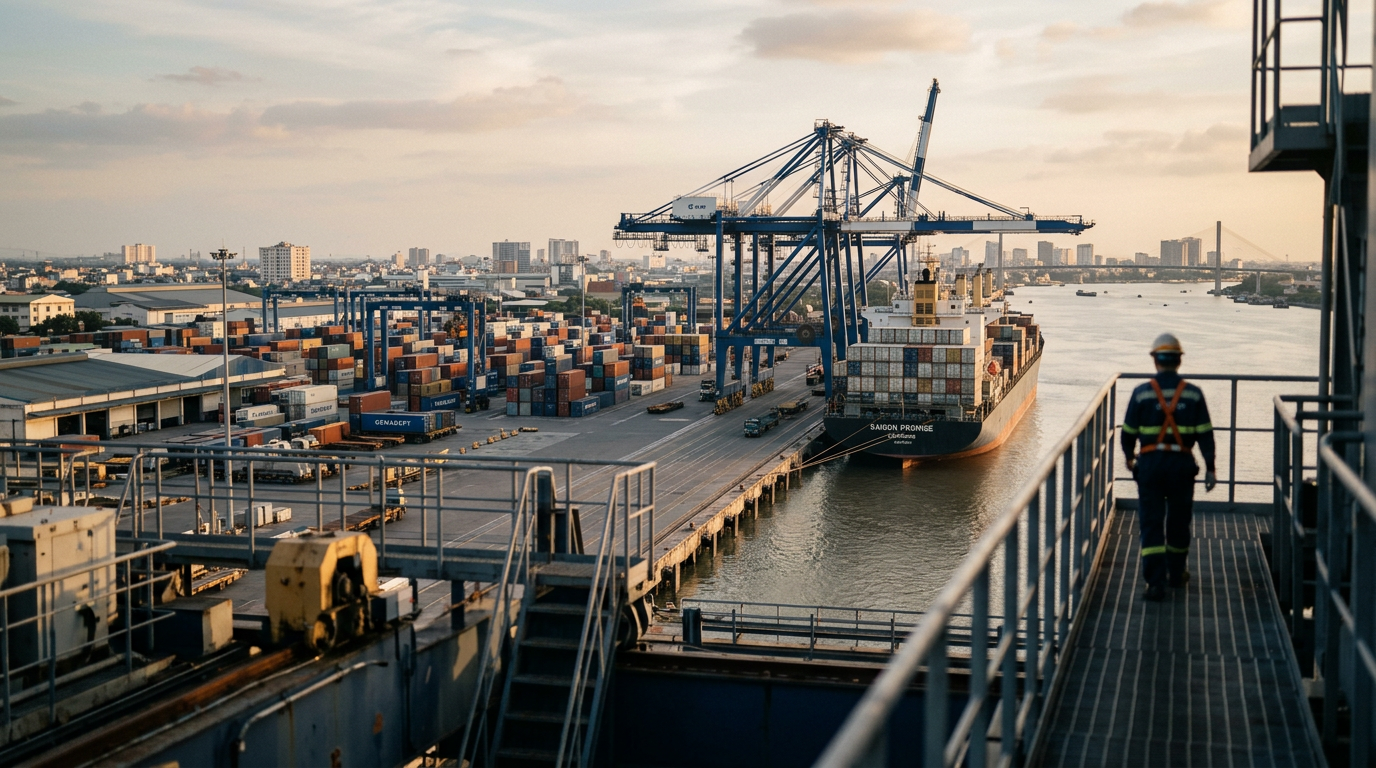 Vietnam
's Value Chain Ascent
Vietnam's industrial capabilities are moving up the value chain, attracting partners from outside the region and offering a model for managing economic concentration.
 Vietnam
A Ghana-Vietnam cashew processing partnership is about more than just trade. It
 Vietnam
 cashews, Ghanaian interest, and the China trade
A recent visit by a Ghanaian delegation to a Vietnamese cashew machinery firm illustrates a broader pattern of industrial deepening and managed trade dependency with China.
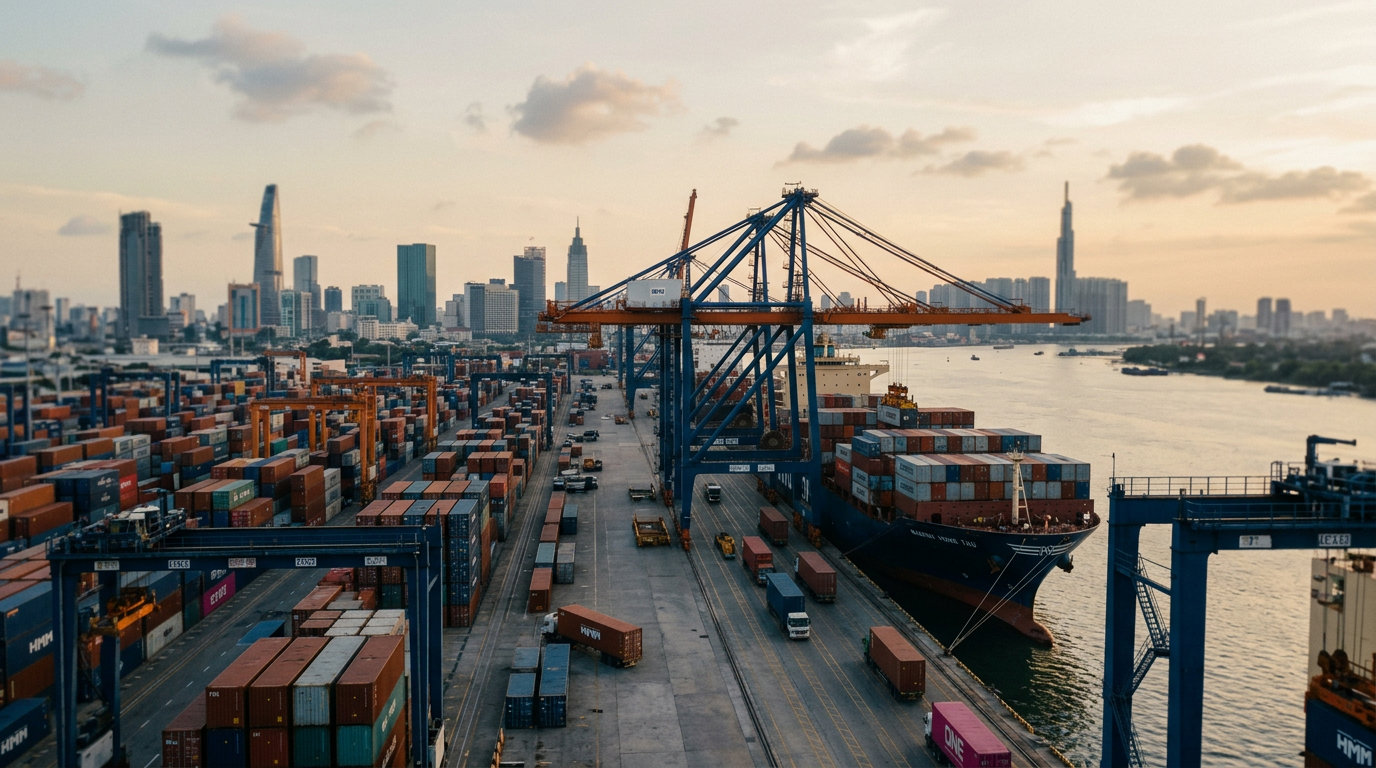 Vietnam
's quiet export substitution model
Vietnam's model of shifting from primary agricultural exports to higher value-added goods offers a template for other developing nations looking to move up the value chain.
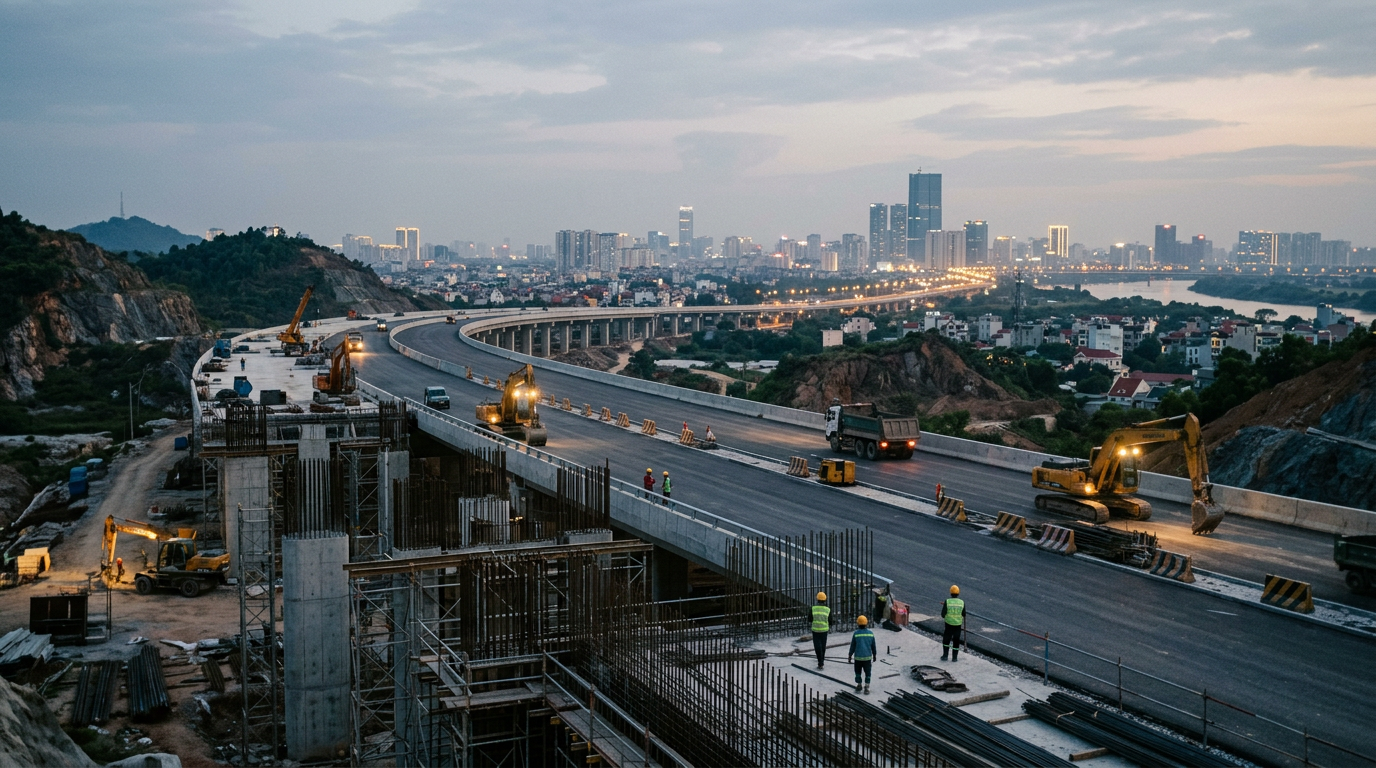 Vietnam
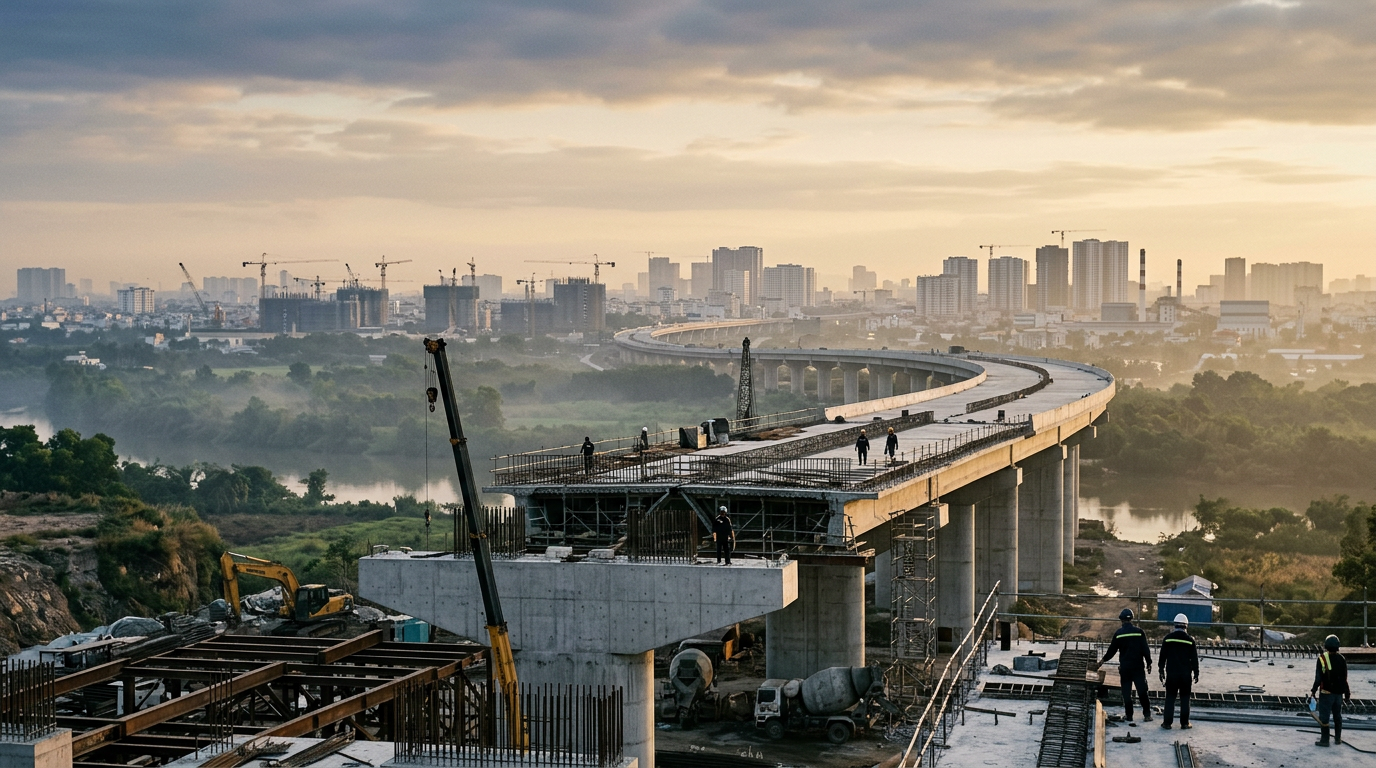
's Infrastructure Push Tests State Capacity
Hanoi is looking for new ways to fund its ambitious expressway buildout. Execution will be a test of institutional reliability.
 Vietnam
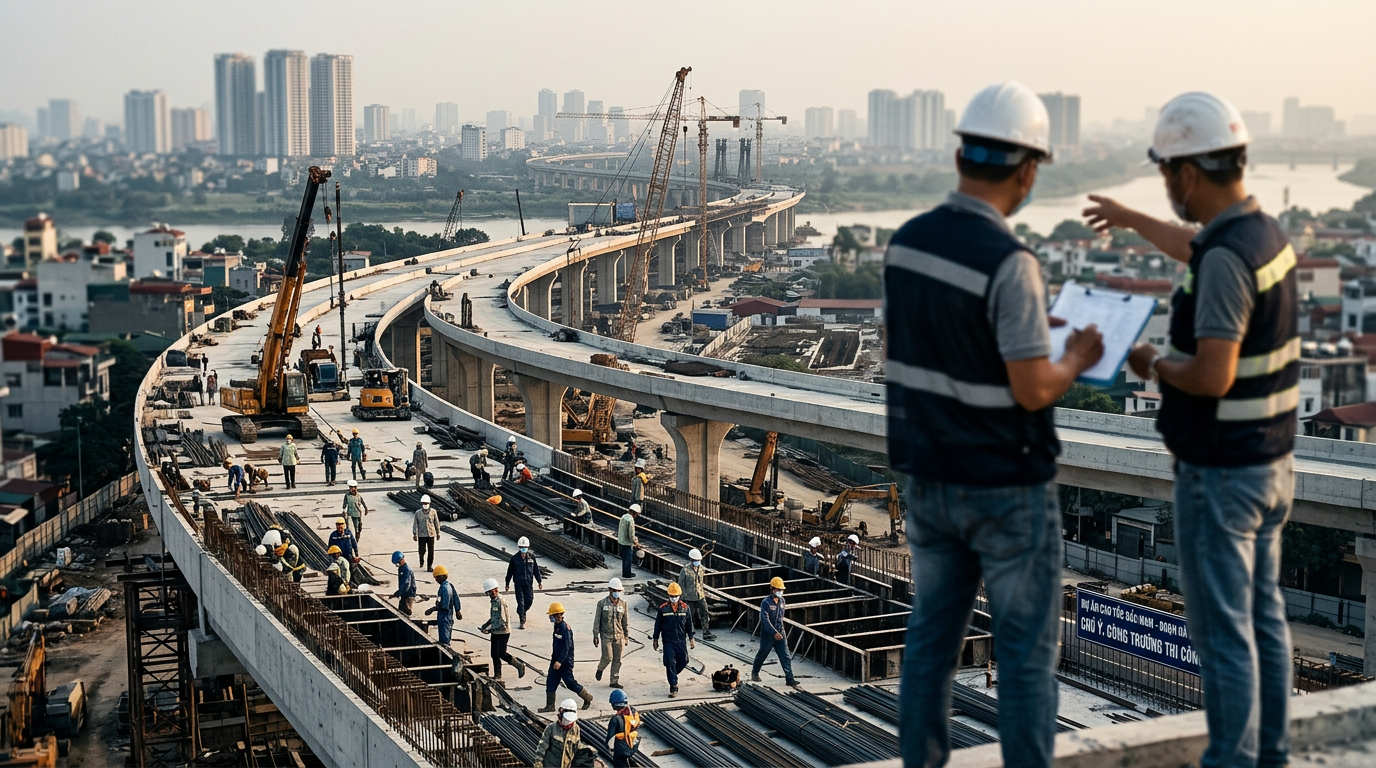
's Expressway Push Tests its State Capacity
Hanoi wants to double the length of its expressway network by 2030, but mobilizing private capital is proving a hard test of institutional reliability.
 Vietnam
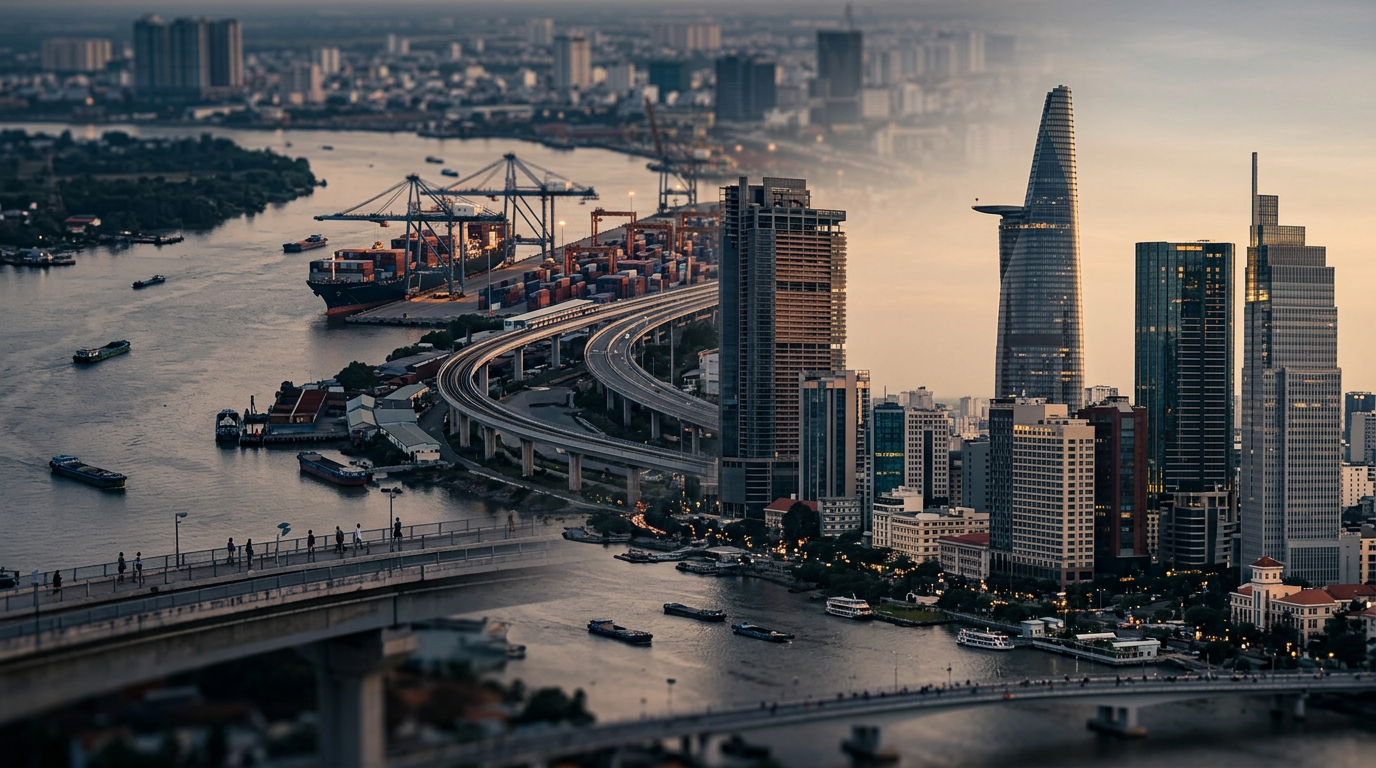
's Infrastructure Push Tests its Institutions
Hanoi is trying to bring more private capital into its ambitious expressway buildout. The real test is not in the announcement, but in the execution and the reliability of the institutions that oversee these complex projects.
 Vietnam
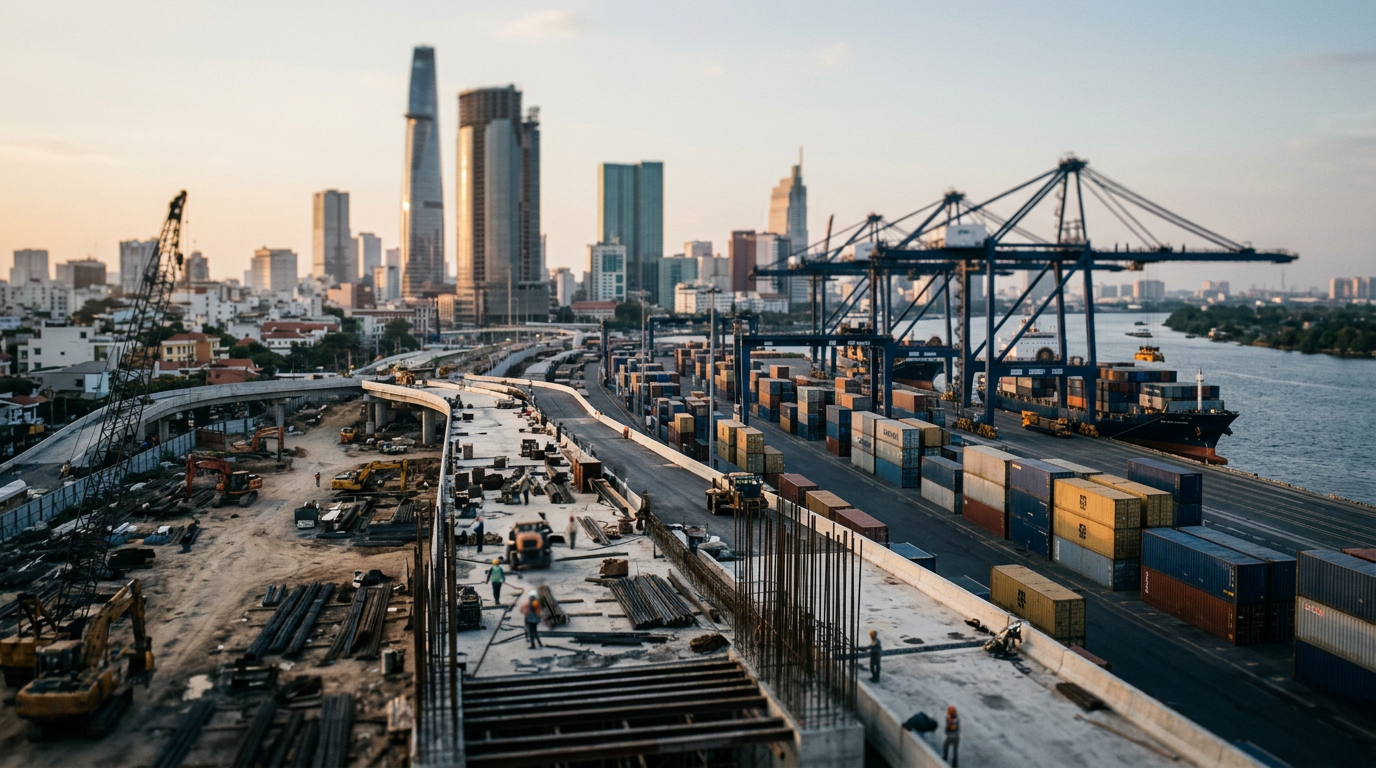
 Seeks Private Capital for Expressway Expansion
Vietnam is seeking approximately VND846 trillion in private capital for 29 priority projects to expand its expressway network. This highlights a broader ASEAN theme: the push for reliable infrastructure development as a core component of economic competitiveness.
 Vietnam
's Growing Wealth and the Test of Institutions
While Vietnam's rising number of wealthy individuals is a sign of economic dynamism, the country's ability to translate this wealth into broad-based, sustainable development will depend on the strength of its institutions.
 Vietnam
's Growing Wealth and the Test of Institutions
A rising number of ultra-high-net-worth individuals in Vietnam is a positive signal, but sustained economic development depends on translating capital into tangible infrastructure and broad-based opportunities.
 Vietnam
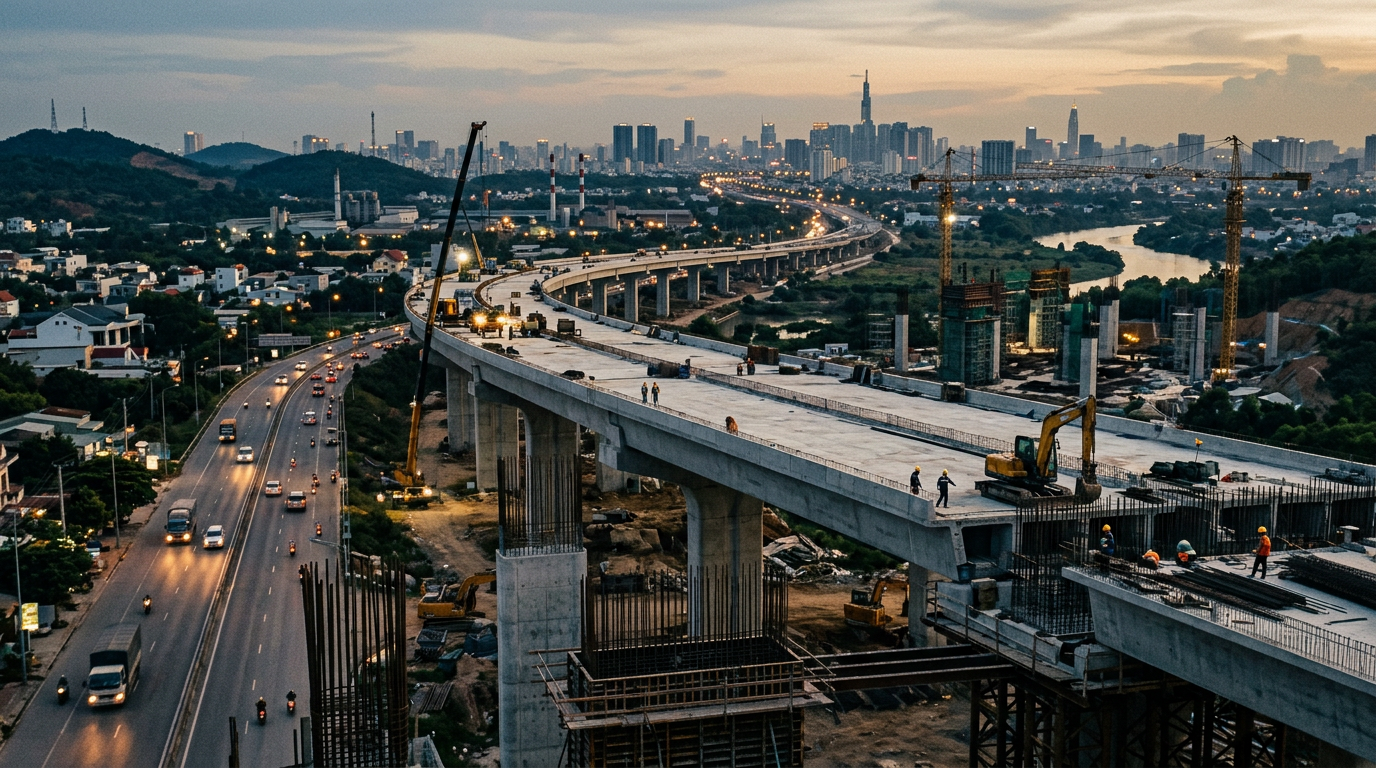
Vietnam is seeking private capital for its ambitious expressway expansion. Success will depend on more than just announcements; it will require demonstrating institutional reliability to secure the necessary investment.
 Vietnam
's Growing Wealth and the Test for Institutions
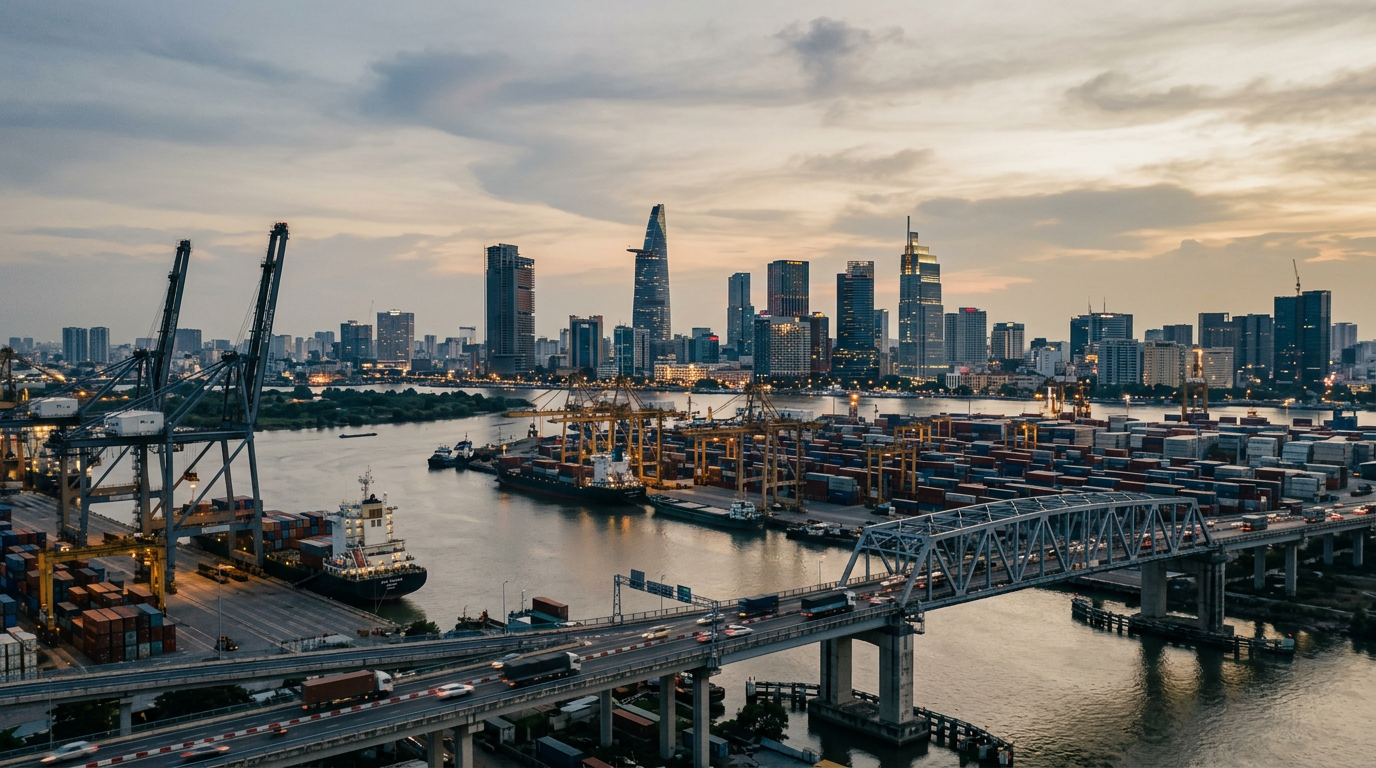
The rapid rise in Vietnam's ultra-high-net-worth population is a signal of its economic dynamism. Yet, this growth story will depend on whether its economic and governance institutions can effectively translate this new capital into broad, sustainable development.
 Vietnam
's Growing Wealth and the Test of Institutions
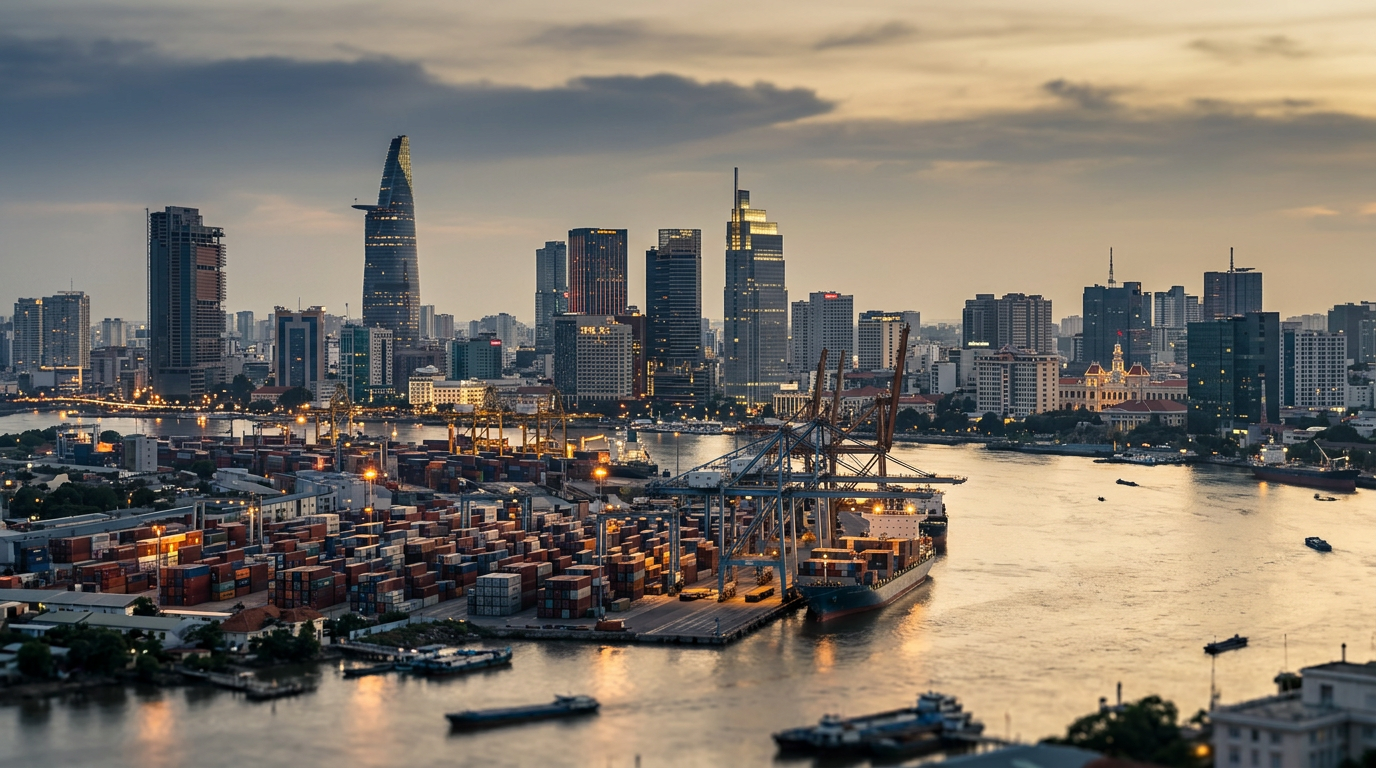
Vietnam's fast-growing number of ultra-rich individuals is a positive economic signal, but translating this wealth into broad-based, sustainable development depends on the strength of its underlying institutions.
 Vietnam
Beyond the Headlines: Translating Vietnam's Wealth Growth into FDI
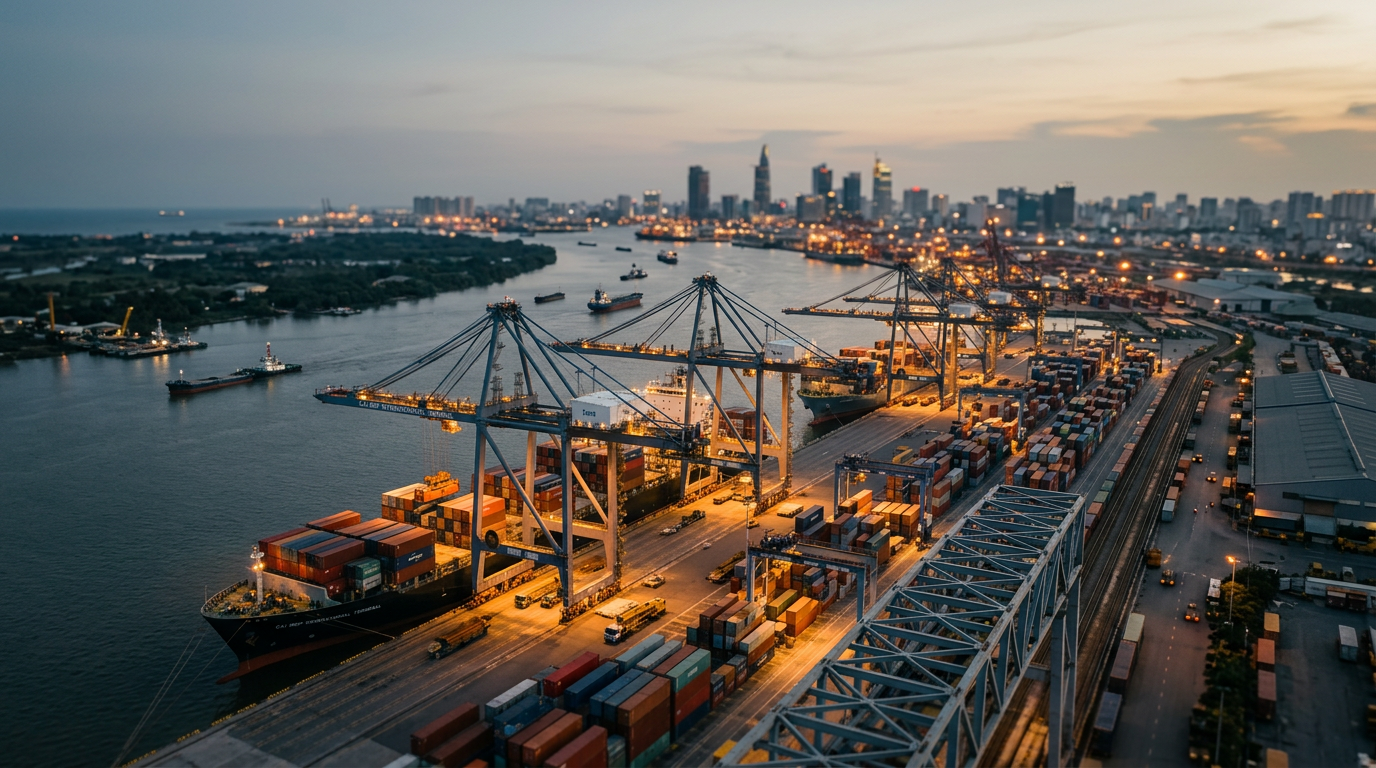
Vietnam's fast-growing cohort of ultra-rich individuals is a positive signal, but sustained foreign direct investment will depend on the country's ability to build out its institutional and physical infrastructure.
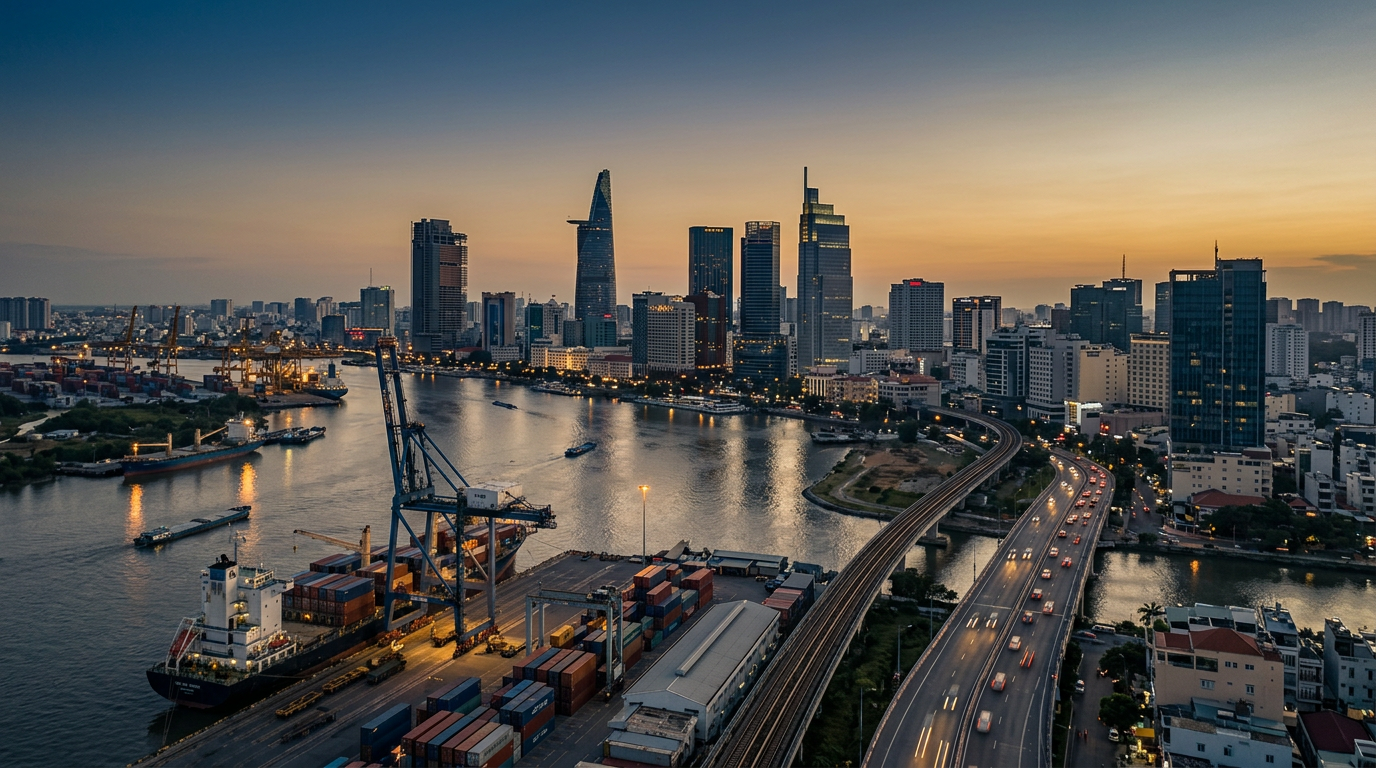 Vietnam
's Growing Wealth: From Affluence to Institutions
Vietnam's rising number of ultra-rich individuals is a marker of economic dynamism. The next step is to translate this affluence into durable, broad-based economic strength through institutional reform.
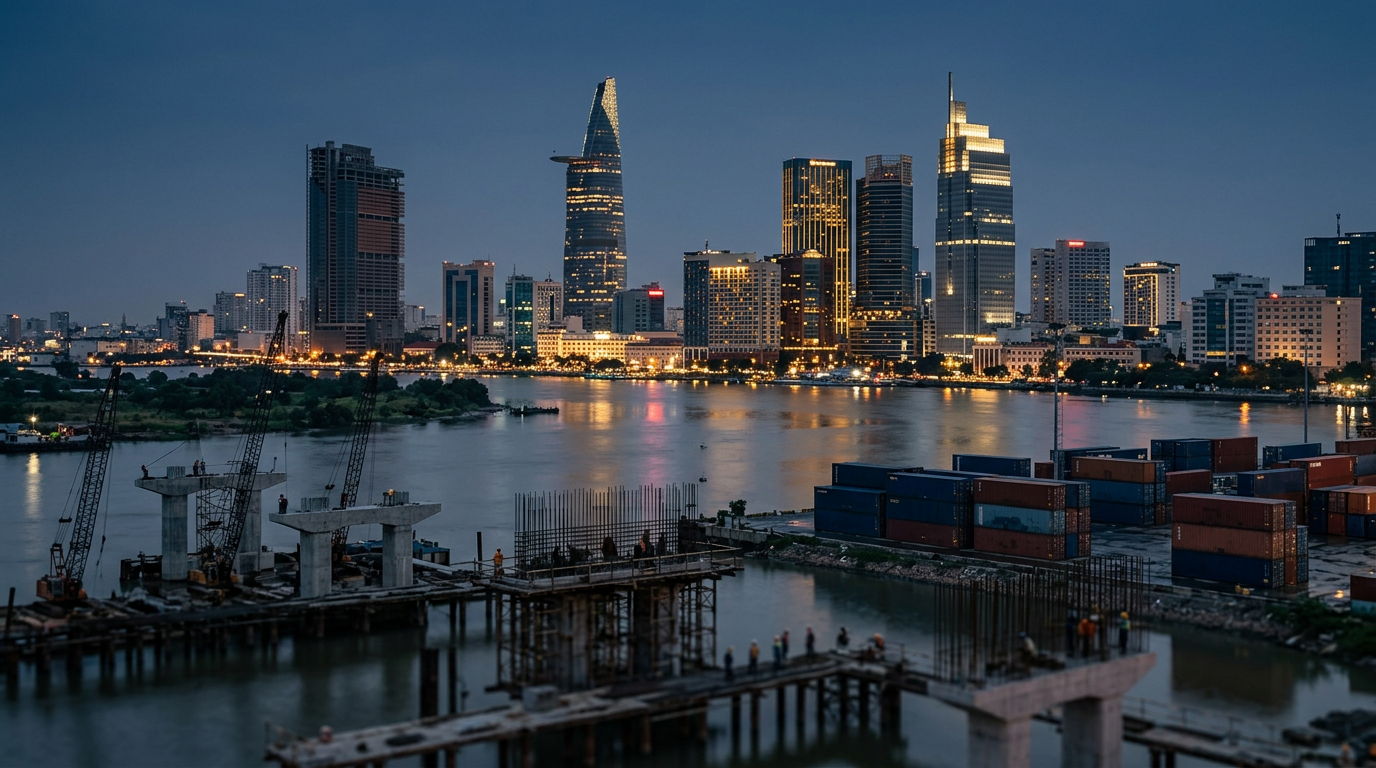 Vietnam
's Growing Wealth and the Test of Institutions
A rising count of ultra-rich individuals in Vietnam is a positive signal, but the country's next phase of growth depends on translating this wealth into broad-based economic capacity.
 Vietnam
's Growing Wealth: From High Net Worth to Investable Depth
A recent report highlights the rapid growth of Vietnam's ultra-high-net-worth population. While a sign of economic dynamism, this growth in private wealth must be channeled into productive, long-term investment to sustain the country's development trajectory.
 Vietnam
Capital in Vietnam: From Wealth to Investable Depth
Vietnam's expanding class of ultra-rich individuals is a sign of economic dynamism. The next step is translating that capital into broad, investable economic depth through institutional reform.
 Vietnam
's Private Capital Surge Tests Institutional Capacity
A rapid rise in private wealth is a positive indicator for Vietnam, but channeling this new capital into productive, long-term national assets requires robust institutional and regulatory frameworks.
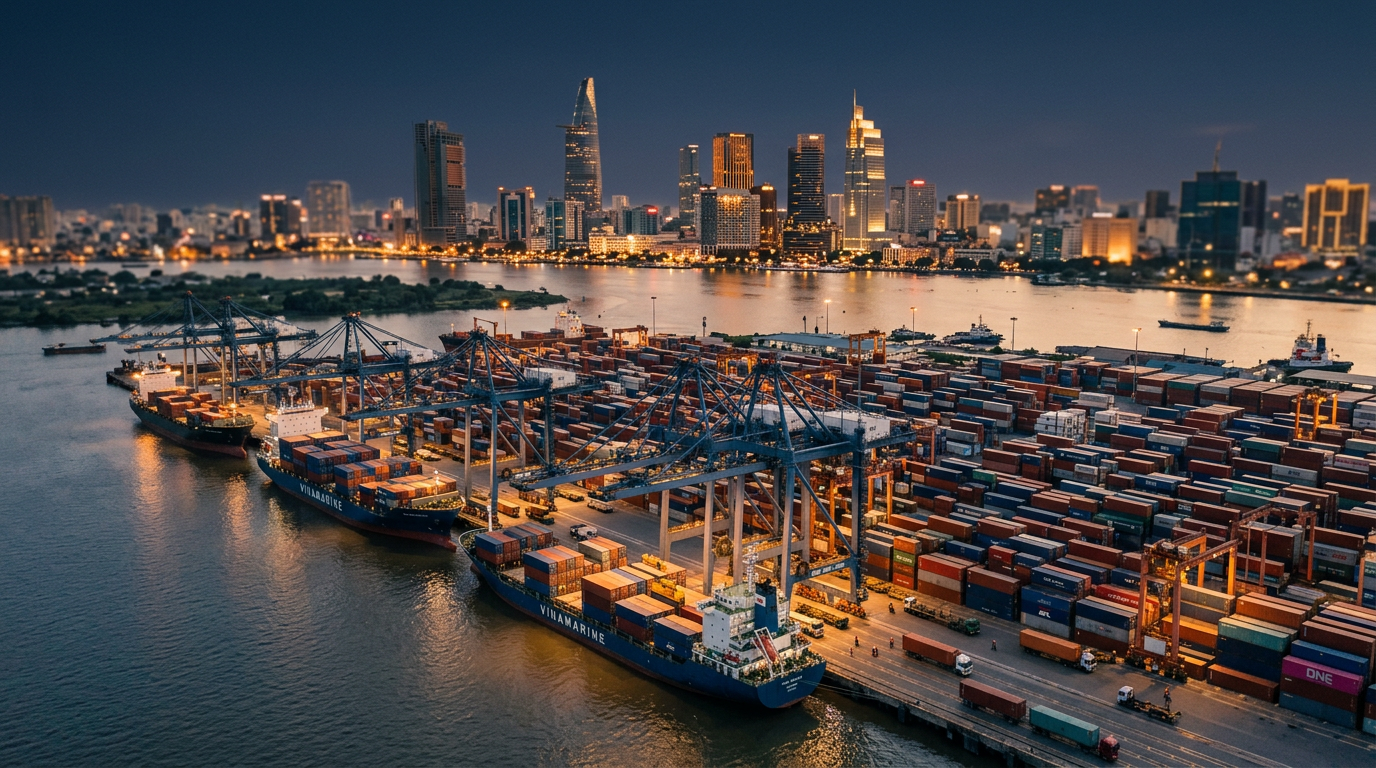 Vietnam
Capital and Institutions in Vietnam
Vietnam's fast-growing cohort of wealthy individuals is a sign of economic dynamism, but converting this domestic capital into durable national assets requires stronger institutional frameworks.
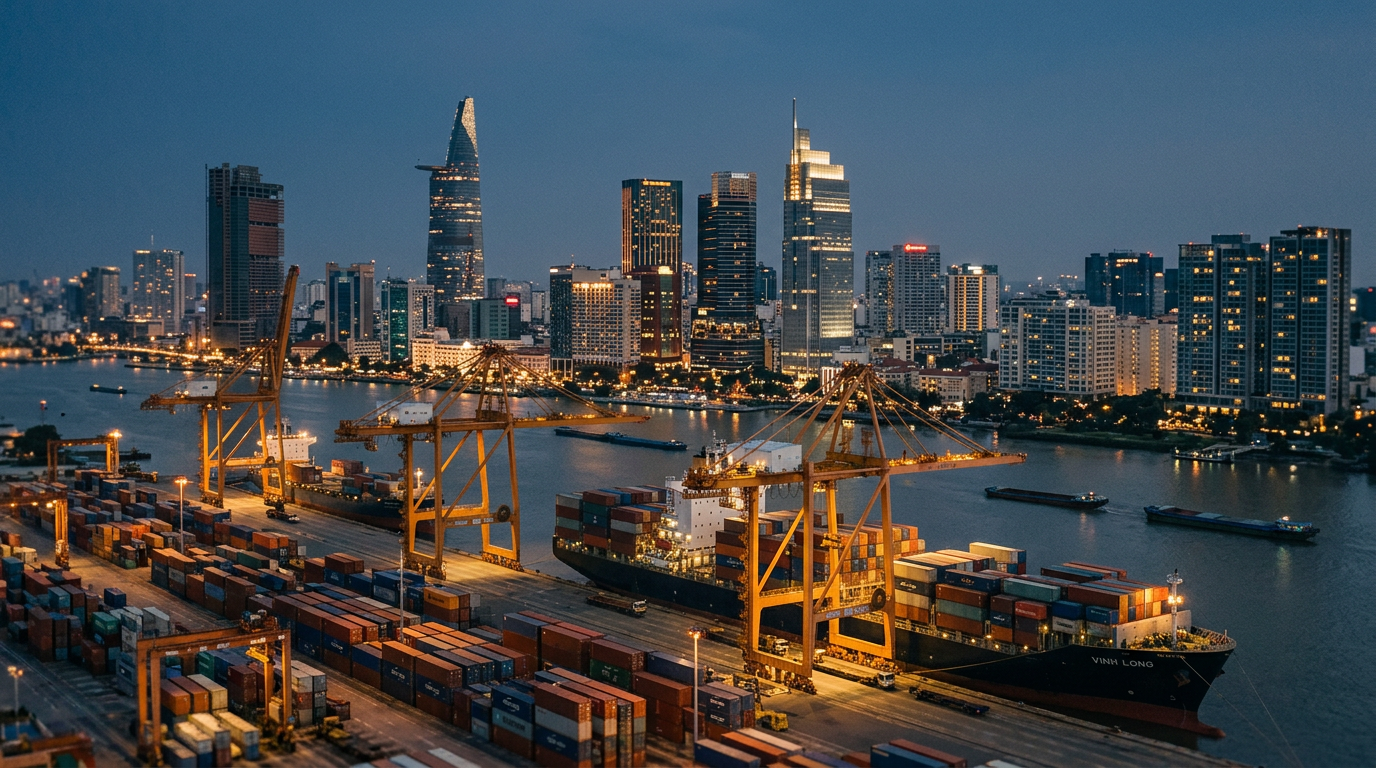 Vietnam
's Growing Wealth: From Affluence to Investment
The rapid growth in Vietnam's ultra-rich population is a notable headline, but translating this domestic capital into productive, long-term investment requires institutional strengthening and a focus on execution.
 Vietnam
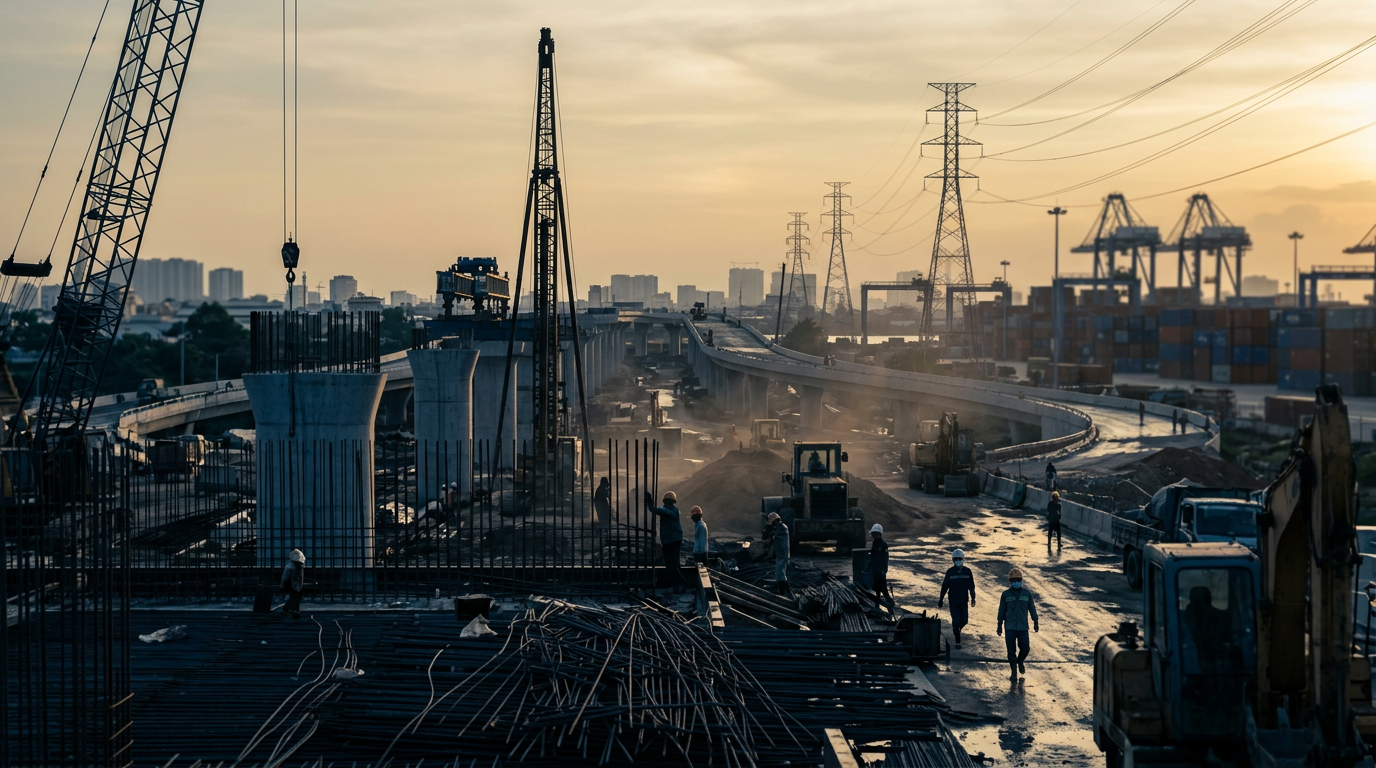
's Expressway Push Tests State Capacity
Vietnam aims to mobilize VND846 trillion in private capital for expressways. Success will depend on institutional quality and the state's ability to manage complex infrastructure projects.
 Vietnam
Vietnam is seeking approximately VND846 trillion in private capital for 29 priority projects to expand its expressway network to over 5,000 km by 2030, enhancing efforts to attract private investment.
 Vietnam
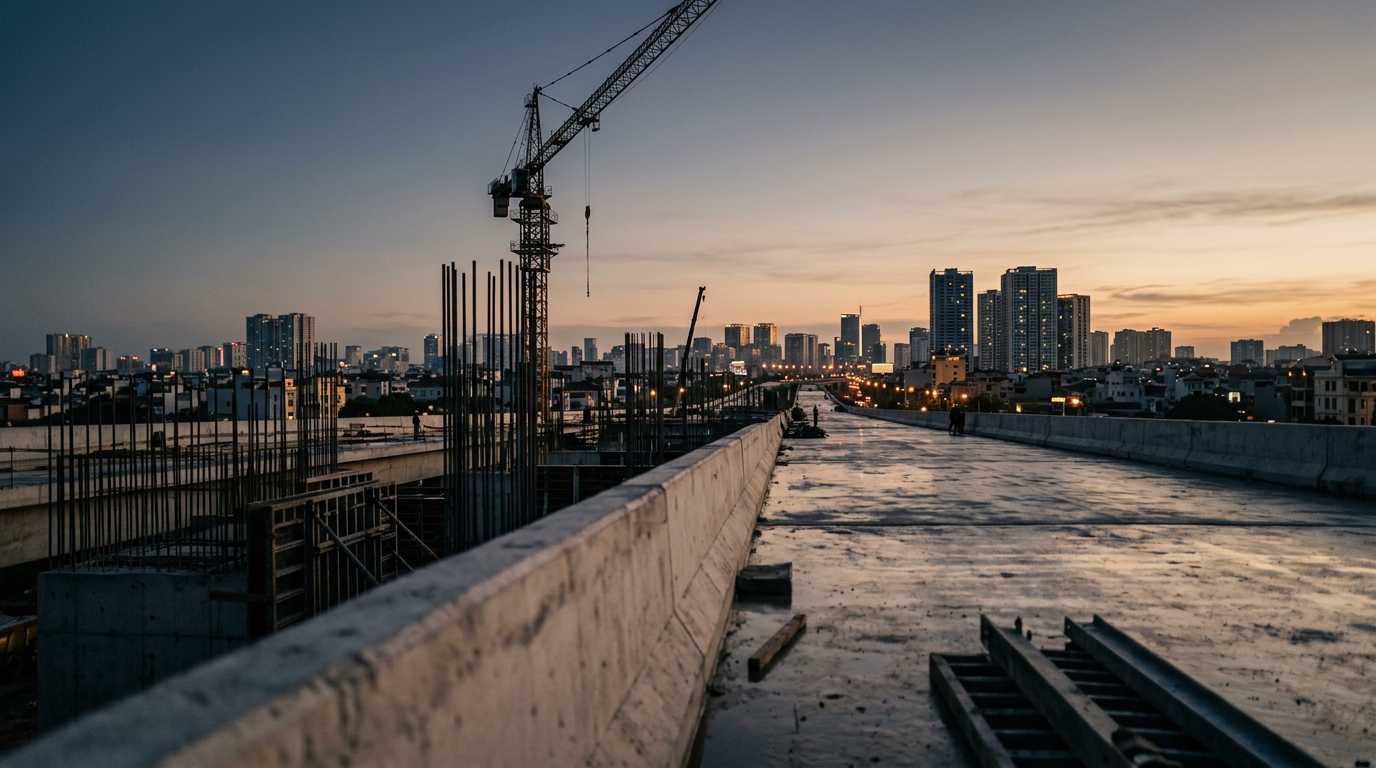
's Infrastructure Execution Test
Hanoi has an ambitious plan to expand its national expressway network, but a multi-billion-dollar funding gap puts the focus on its ability to execute. For foreign investors, infrastructure that arrives on time is a powerful signal of a state's capacity.
 Vietnam
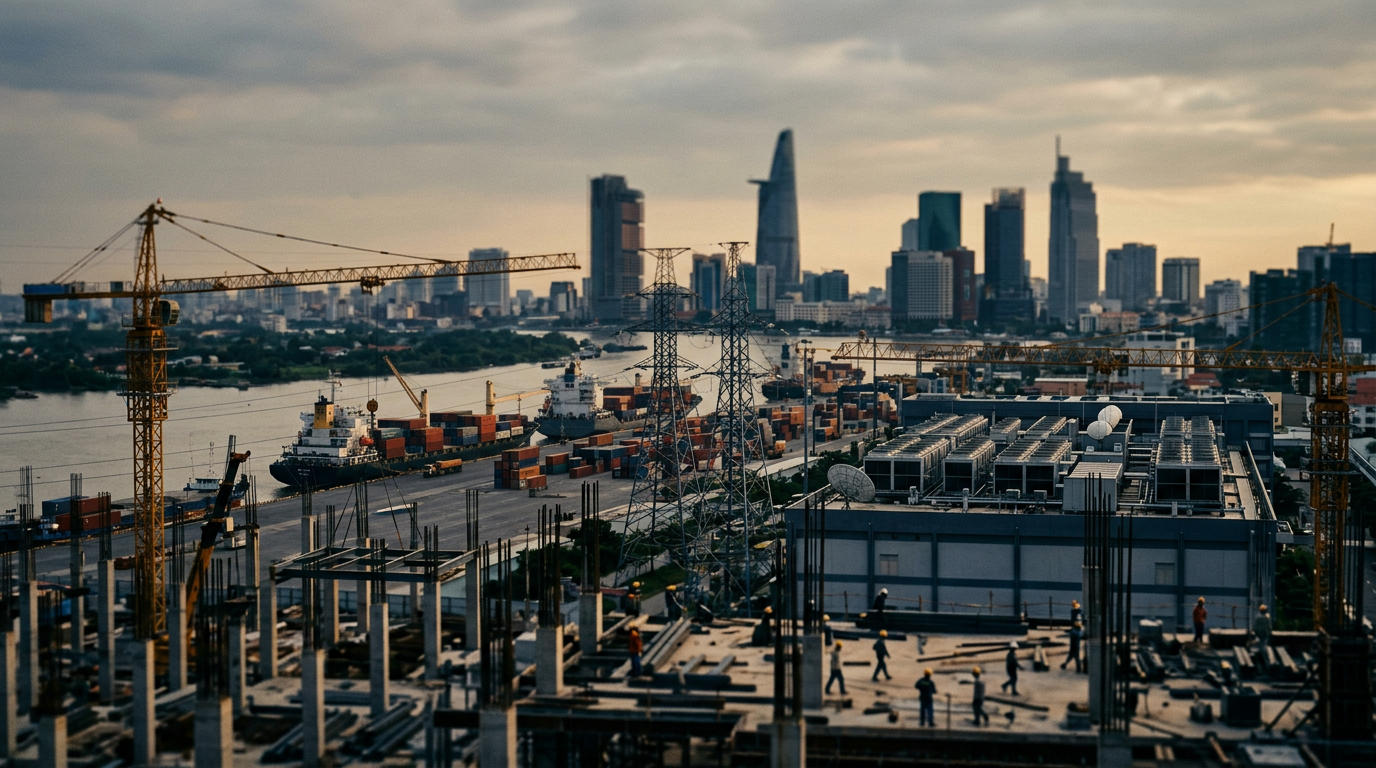
's Tech Ambitions Test Its Talent and Infrastructure
Vietnam is attracting significant interest from technology investors. However, turning this interest into realised investment will depend on developing a skilled workforce and improving infrastructure.
 Vietnam
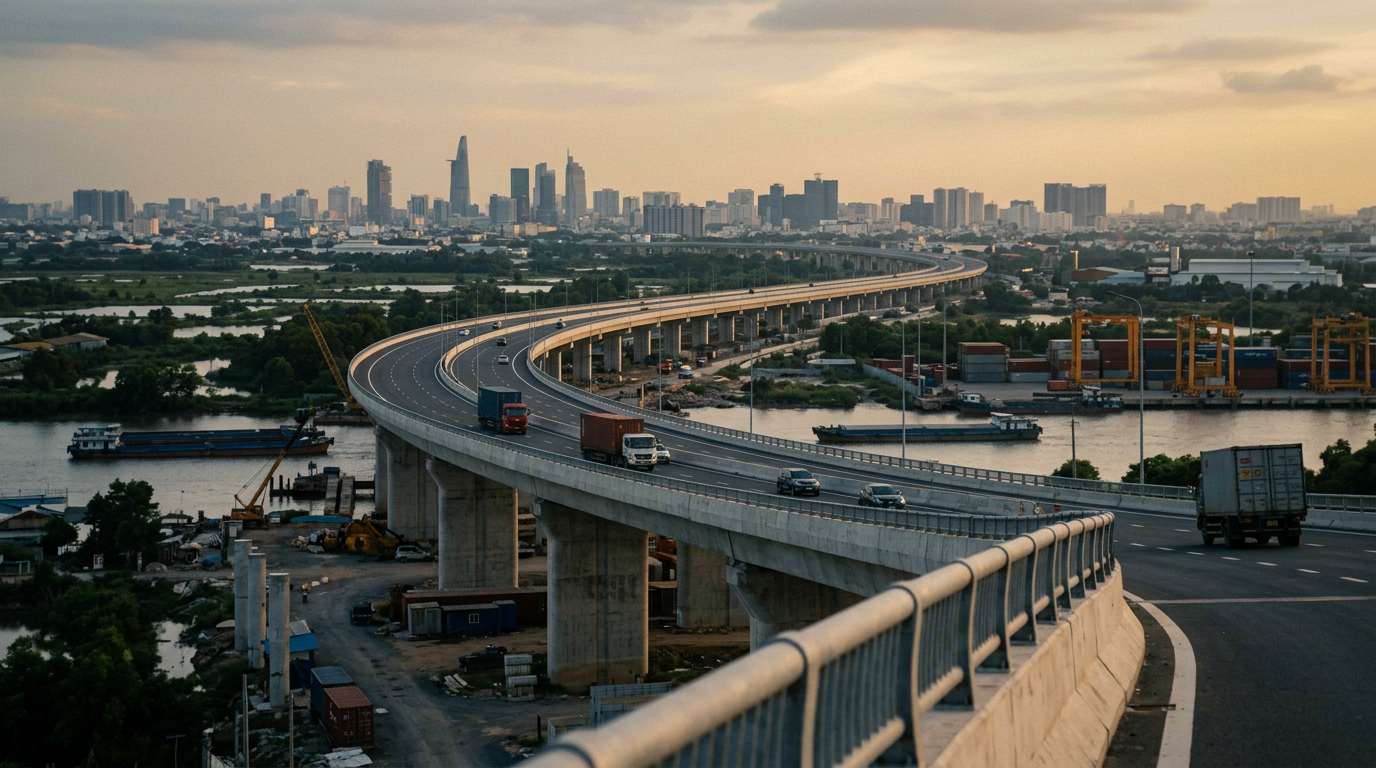
 Bets on Infrastructure to Reduce the Cost of Friction
A new expressway connecting the Mekong Delta to Long Thanh International Airport is a tangible sign of Vietnam's focus on institutional reliability.
 Vietnam
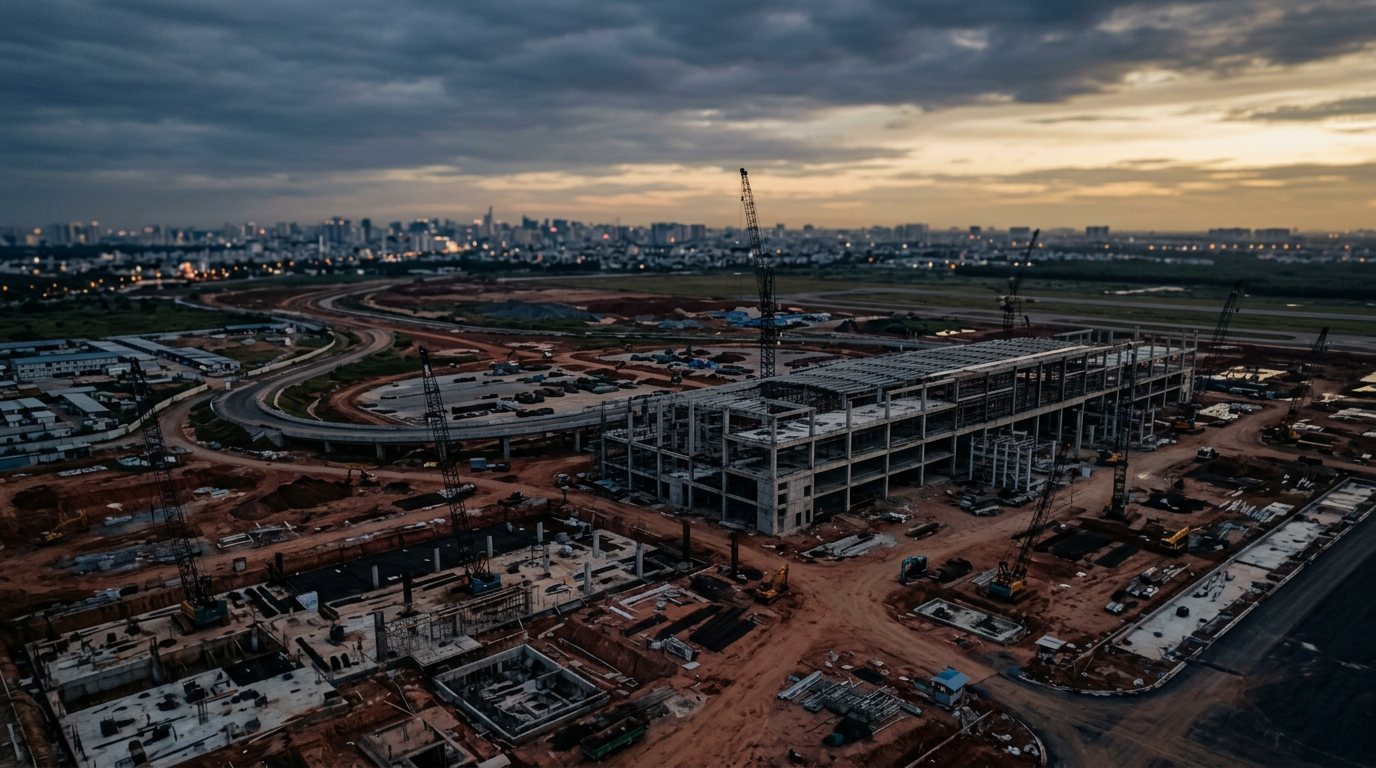
The Price of Hesitation in Airport Development
Vietnam's decision to delay the Long Thanh airport opening to 2026 highlights the tension between ambitious infrastructure goals and the practical challenges of execution, a key theme in regional development.
 Vietnam
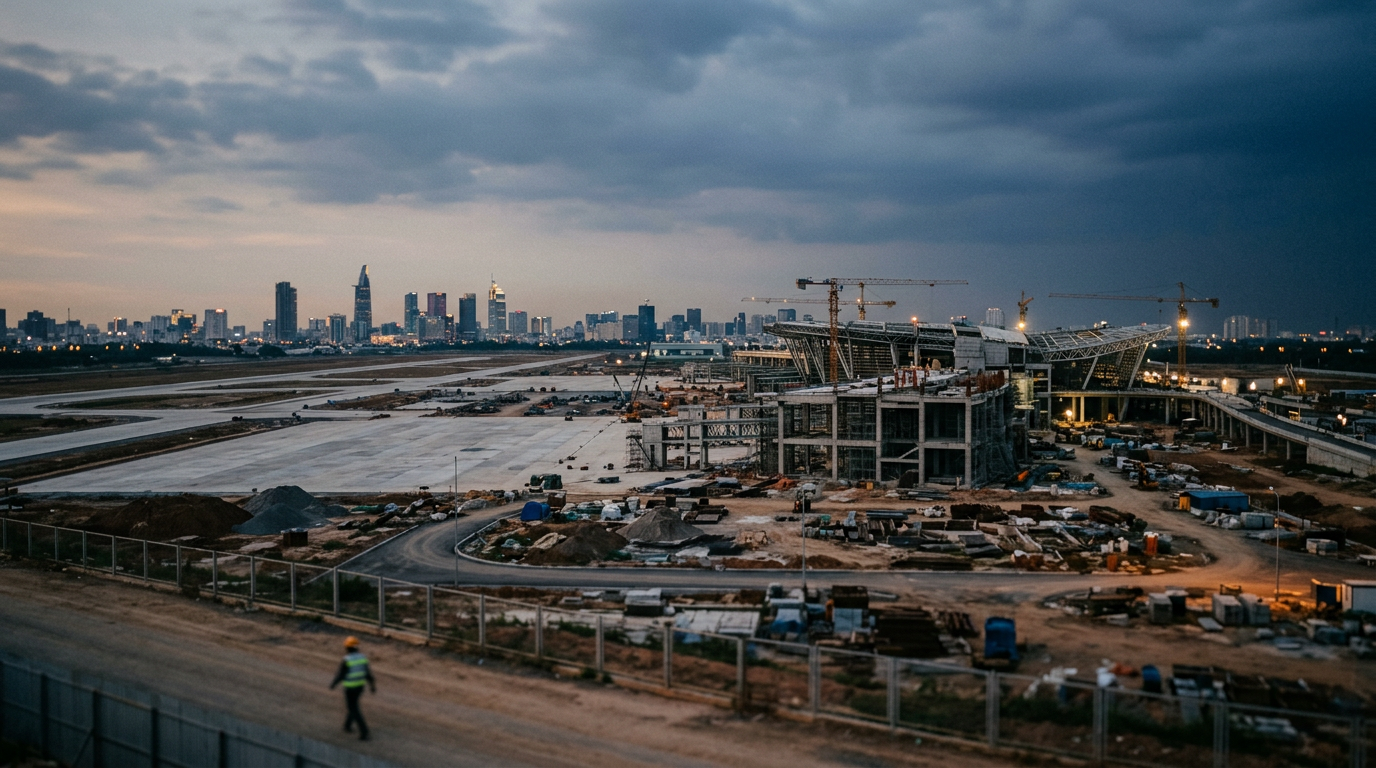
's Delayed Airport is a Costly Lesson in State Capacity
The new international airport in Ho Chi Minh City is a needed infrastructure upgrade, but its delays highlight a deeper challenge for Vietnam: the institutional capacity to deliver complex projects on time.
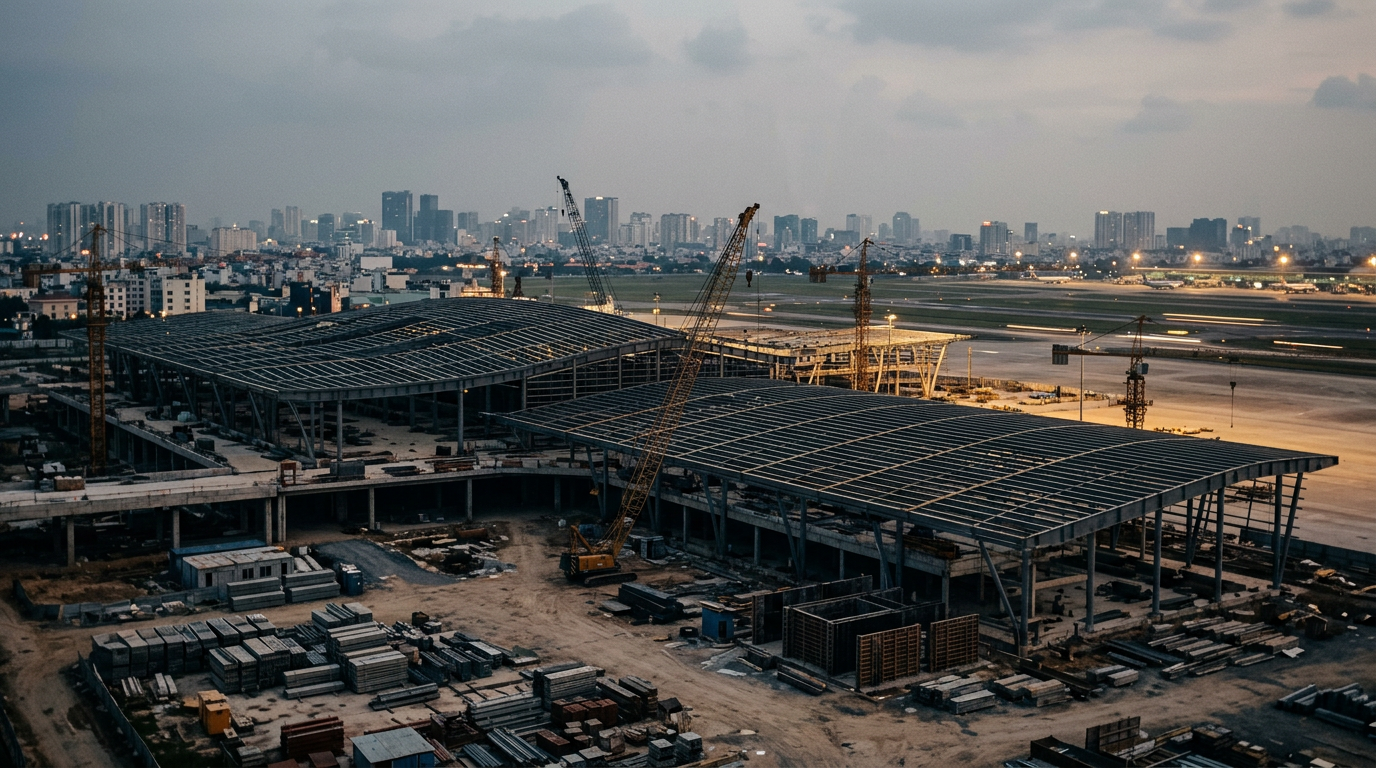 Vietnam
's Airport Delays and the Quiet Cost of Friction
Delayed infrastructure projects like airports highlight the growing importance of institutional reliability for national competitive advantage.
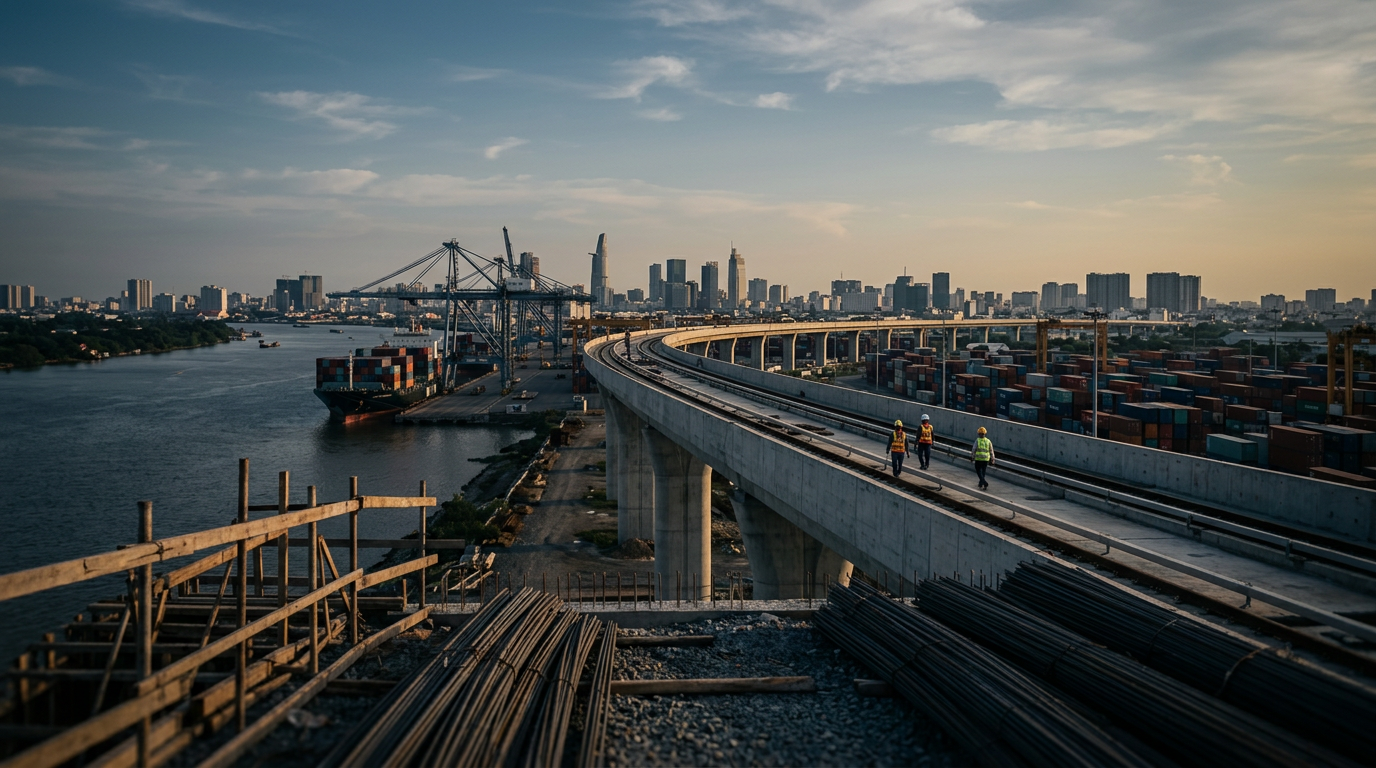 Vietnam
 Delays Long Thanh Airport, Exposing Institutional Friction
Vietnam's decision to delay the first phase of Long Thanh International Airport to 2026 highlights the immense difficulty of executing large-scale infrastructure projects, a theme central to ASEAN's growth story.
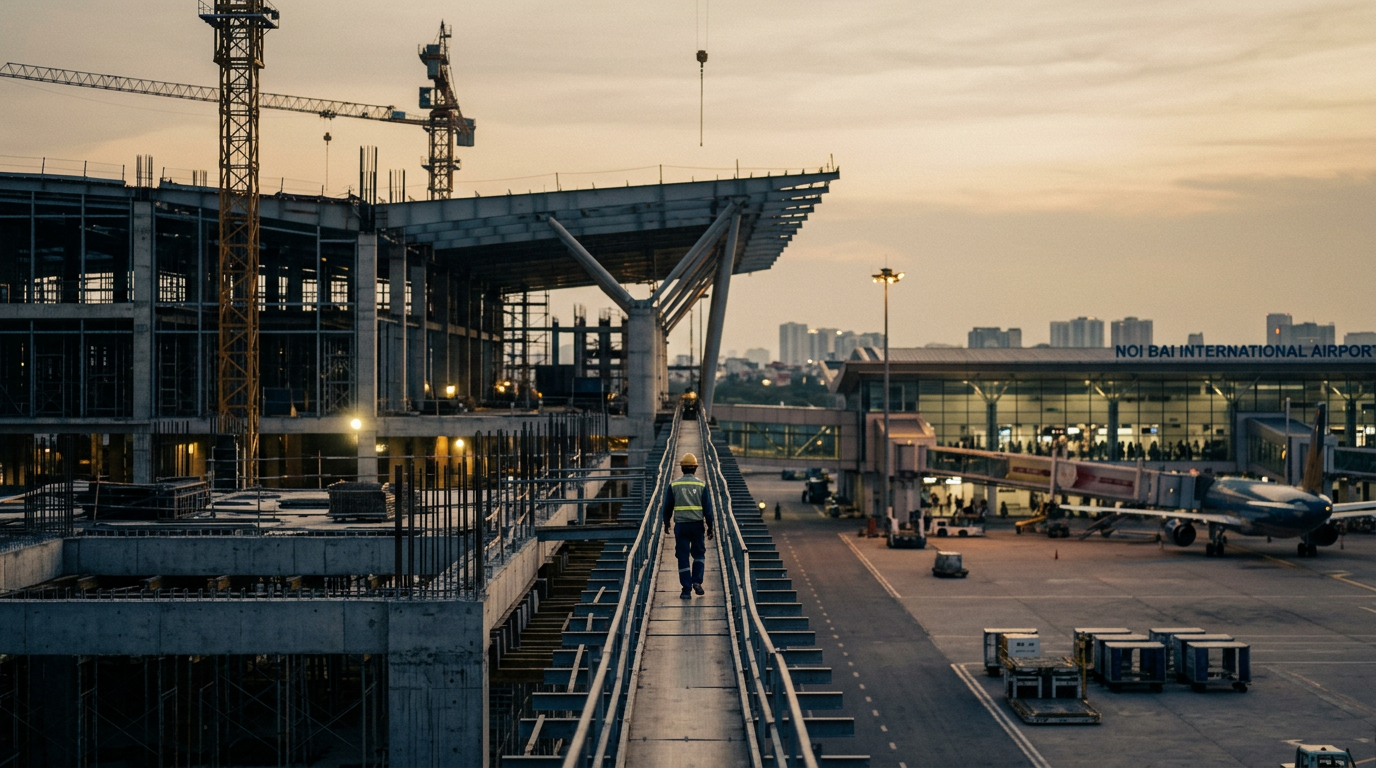 Vietnam
's Airport Delays and the High Cost of Friction
Delayed infrastructure projects, such as airport expansions, impose significant economic costs. For Vietnam, completing these projects is not just about adding capacity, but about demonstrating institutional reliability.
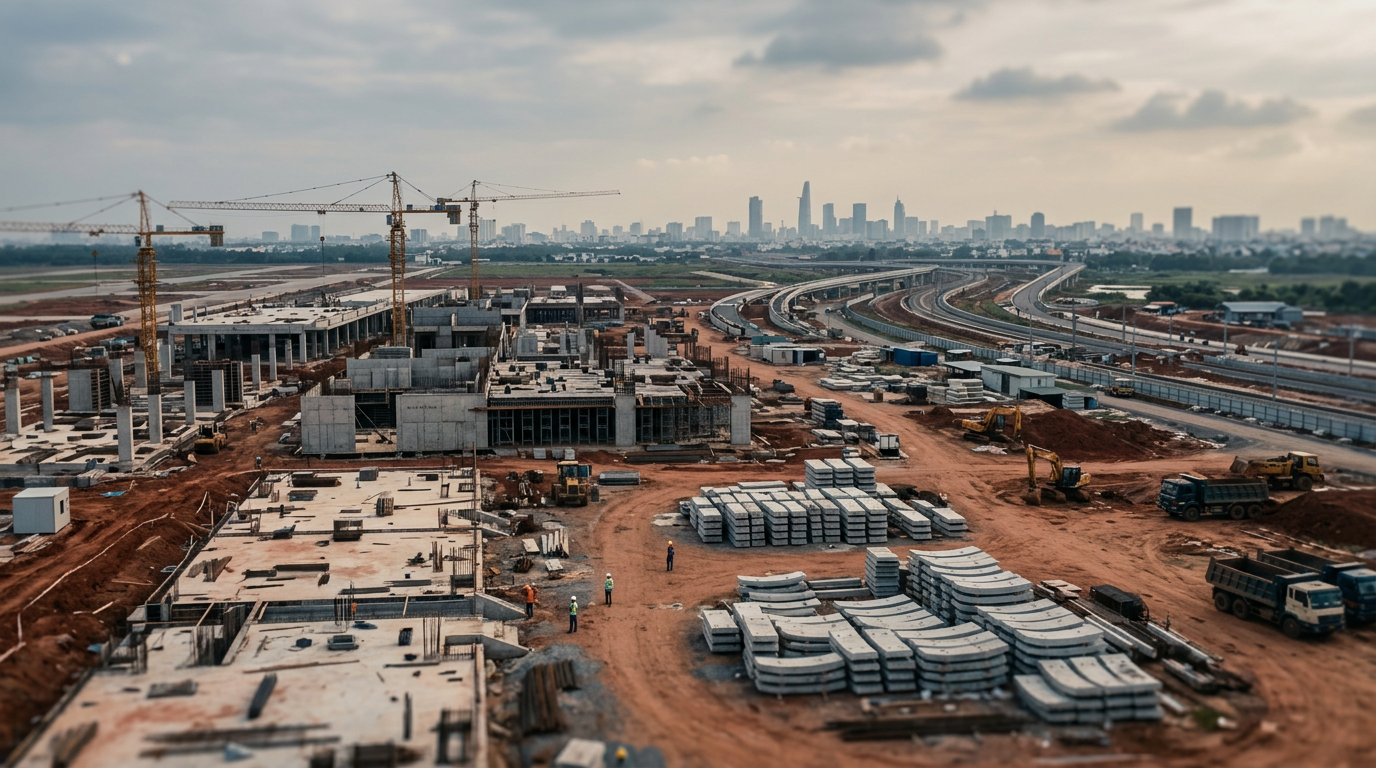 Vietnam
 Delays Long Thanh Airport, Exposing Institutional Friction
Delayed infrastructure projects like Long Thanh International Airport highlight a core challenge in ASEAN: the gap between ambition and execution, and the high cost of institutional friction.
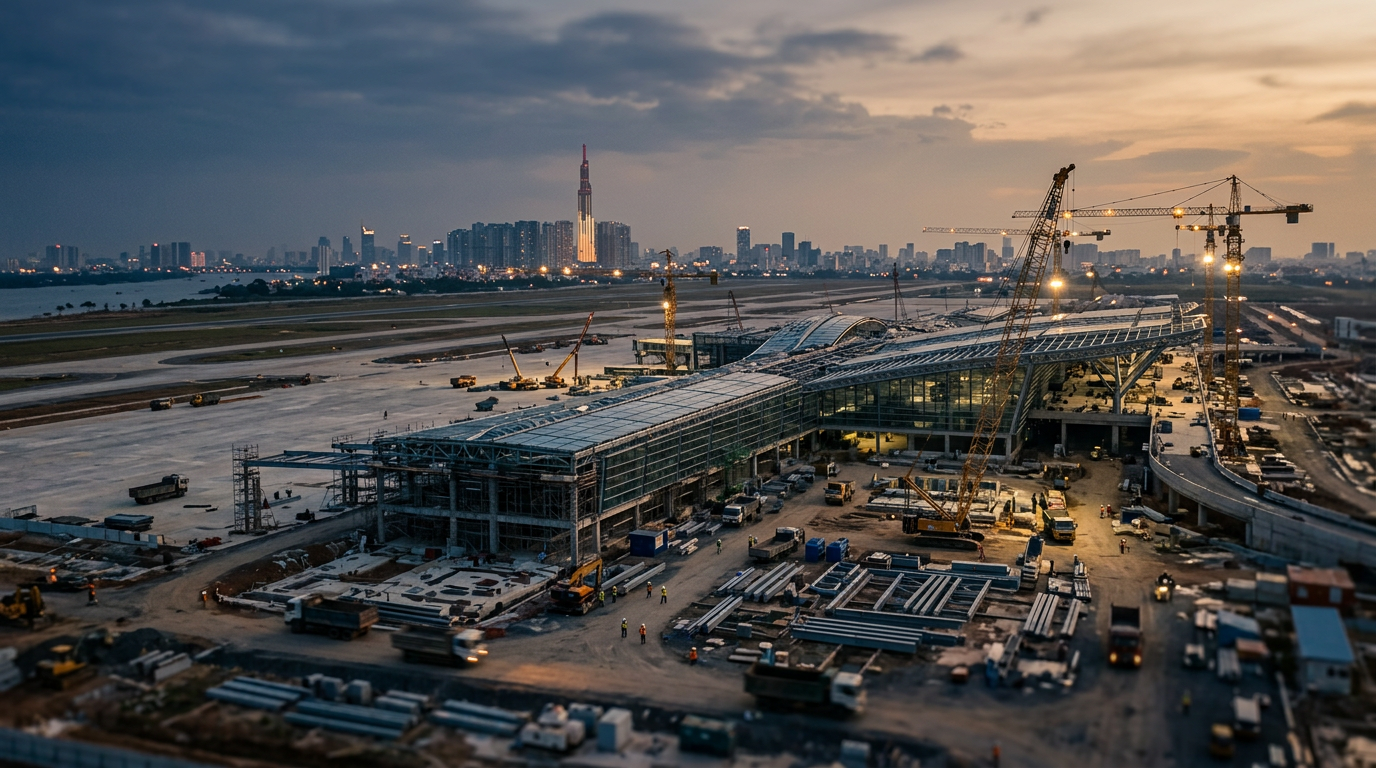 Vietnam
's Long-Term Bets on Airport Infrastructure
Vietnam's decision to persist with the Long Thanh International Airport project, despite current global economic uncertainties, is a calculated move to enhance its long-term institutional and infrastructural capacity.
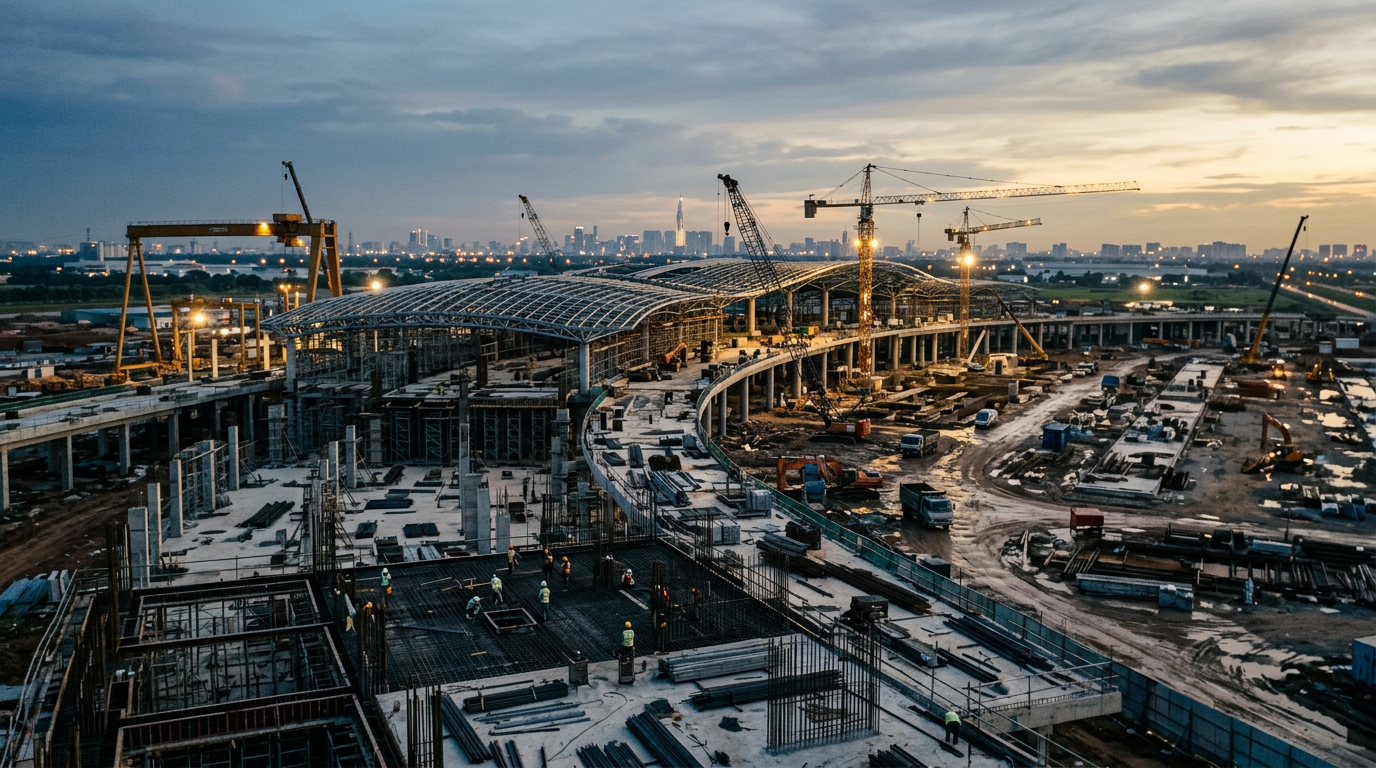 Vietnam
 Delays Long Thanh Airport, Exposing a Regional Weakness
The delay of Long Thanh International Airport's first phase to 2026 highlights a recurring issue in ASEAN: the gap between ambitious infrastructure plans and the institutional capacity to execute them.
 Vietnam
's High-Tech FDI Ambitions Meet a Talent Bottleneck
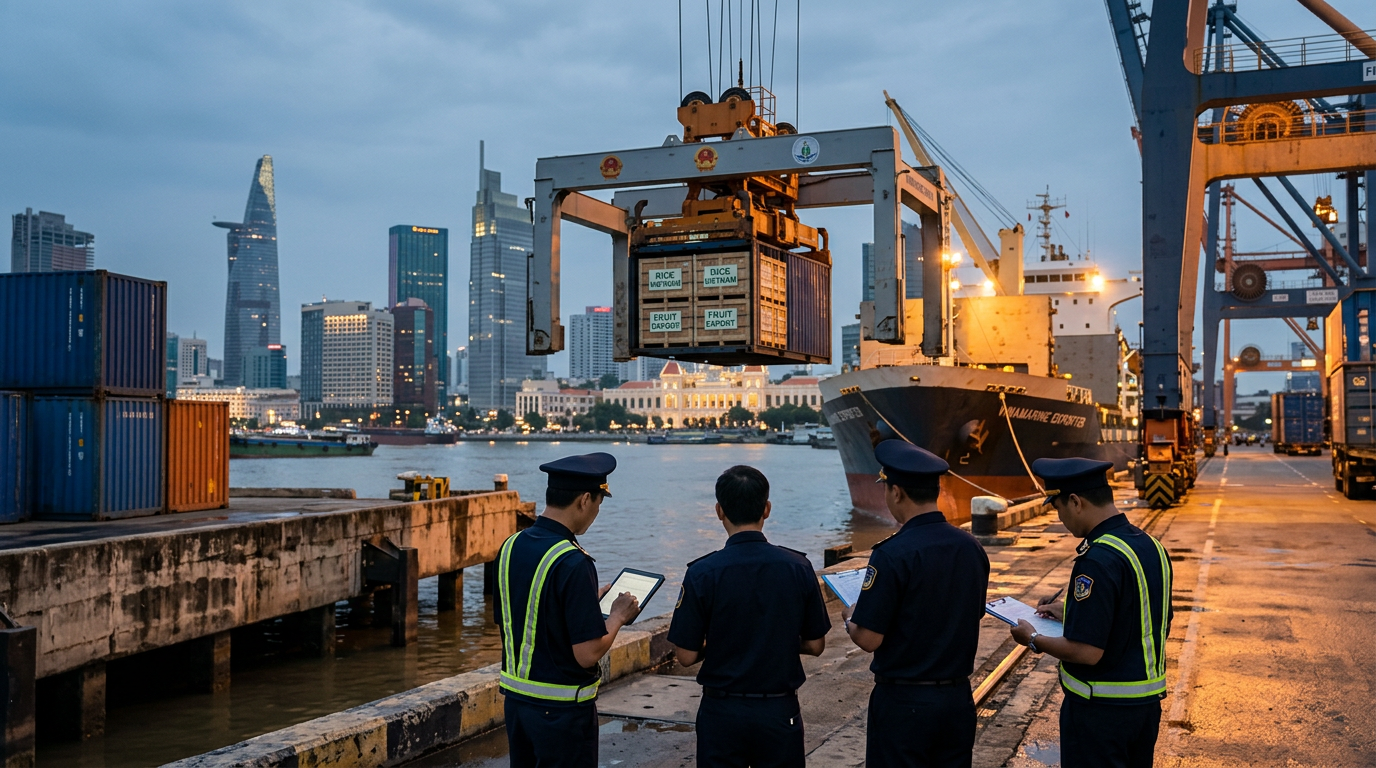
FDI announcements travel quickly. Realised flows depend on the slower work of land, permits, power and talent reaching the ground. For Vietnam, the talent gap is now the primary constraint on its high-tech ambitions.
 Vietnam
's Agri-Export Ambitions Depend on Institutional Depth
Vietnam's ambitious agricultural export targets for the end of 2026 highlight the critical link between investment announcements and the on-the-ground reality of institutional execution.
 Vietnam
's Tax Plan Tests Its Institutional Capacity
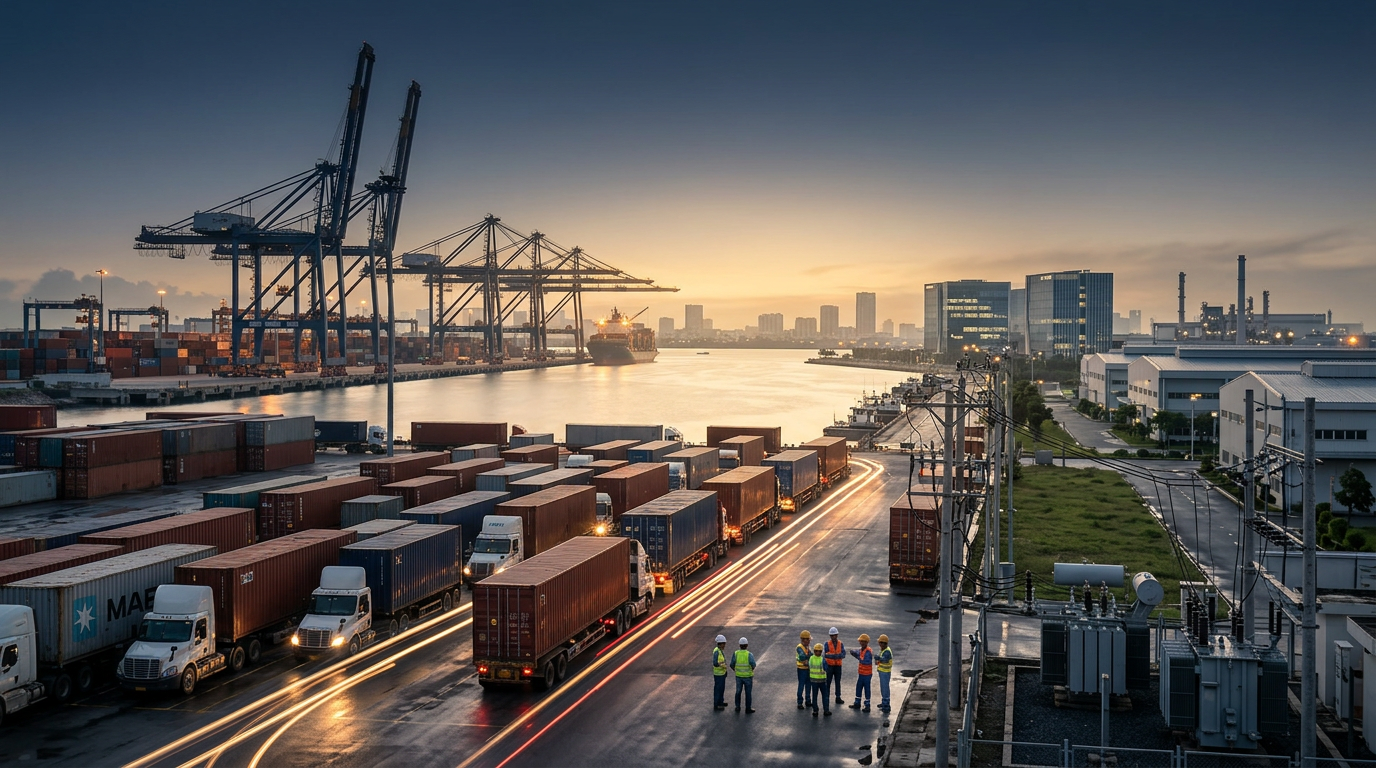
Vietnam is considering a tax overhaul to shift investment towards technology and R&D. While this is a positive signal for upgrading its economy, the real test lies in the execution and the capacity of its institutions to translate policy into tangible outcomes for local firms.
 Vietnam
 Weighs Tax Changes To Deepen Its Supply Chain Role
Vietnam is considering a tax overhaul to help local firms integrate into global supply chains. Realised FDI flows depend on the slower work of turning policy into permits, power, and talent on the ground.
 Vietnam
's Data Center Ambitions Meet Reality
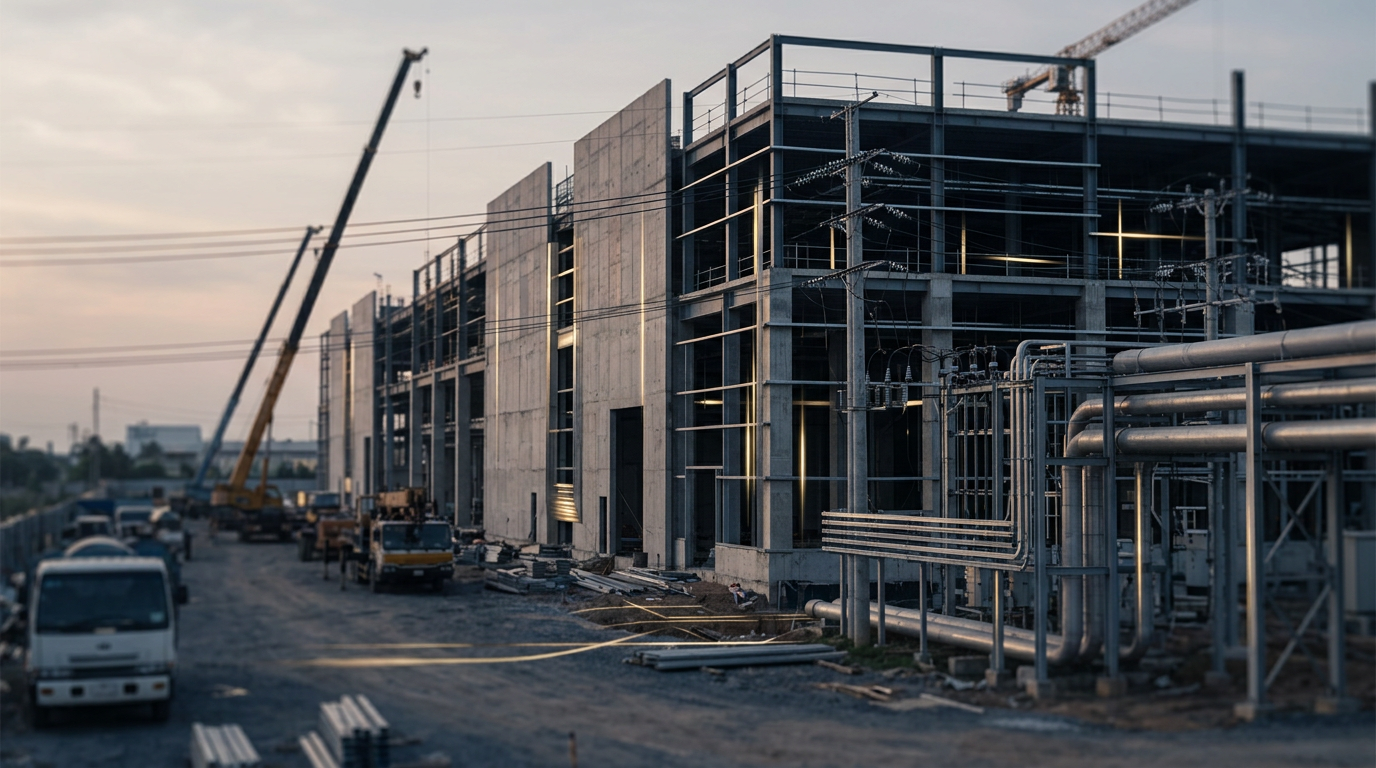
Vietnam's data center boom is hitting constraints. Power, site, and tariff issues are creating a reality check for investors, echoing the book's core theme: "Capital coordination is itself an industrial input."
 Vietnam
's data center ambitions meet the institutional test
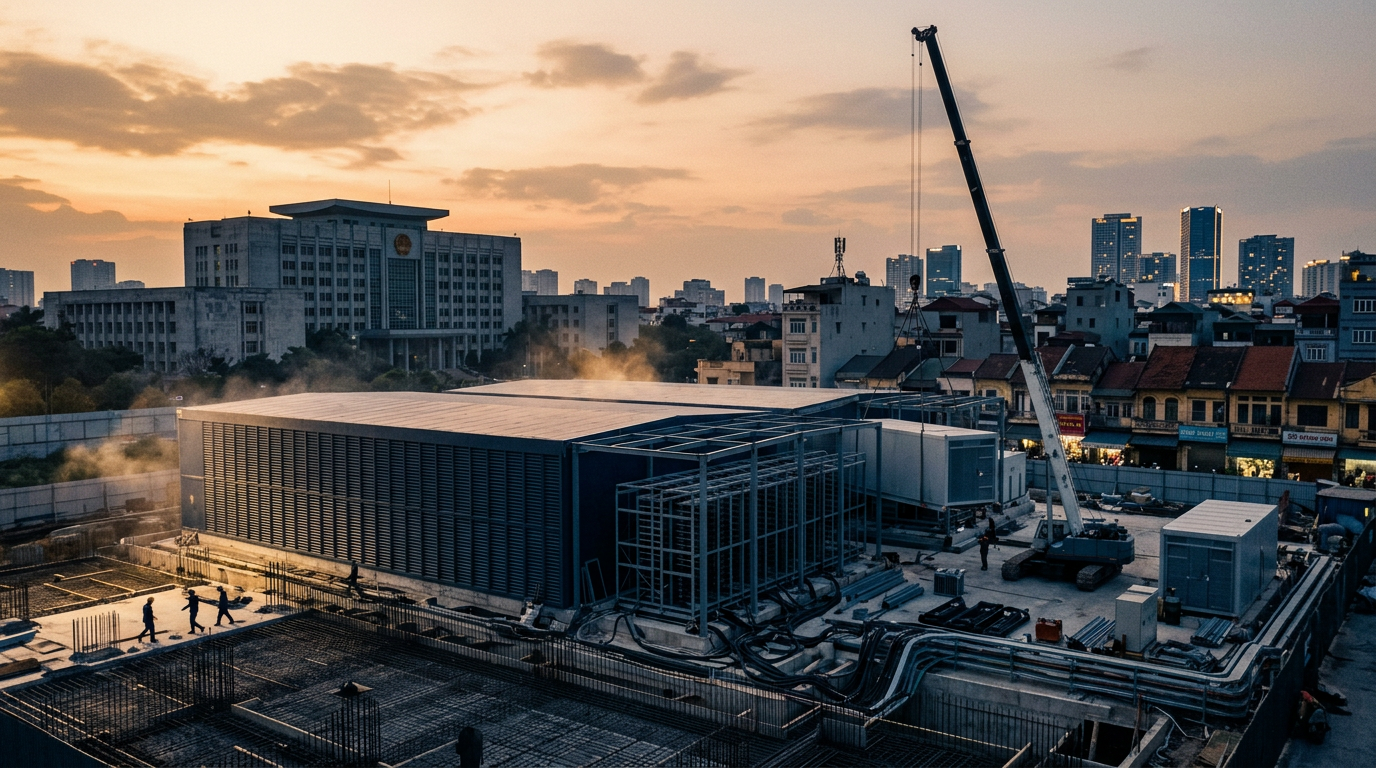
Foreign investors are noticing Vietnam's potential as a data center hub. Turning that interest into reality will require a concerted effort to align institutions, infrastructure, and talent.
 Vietnam
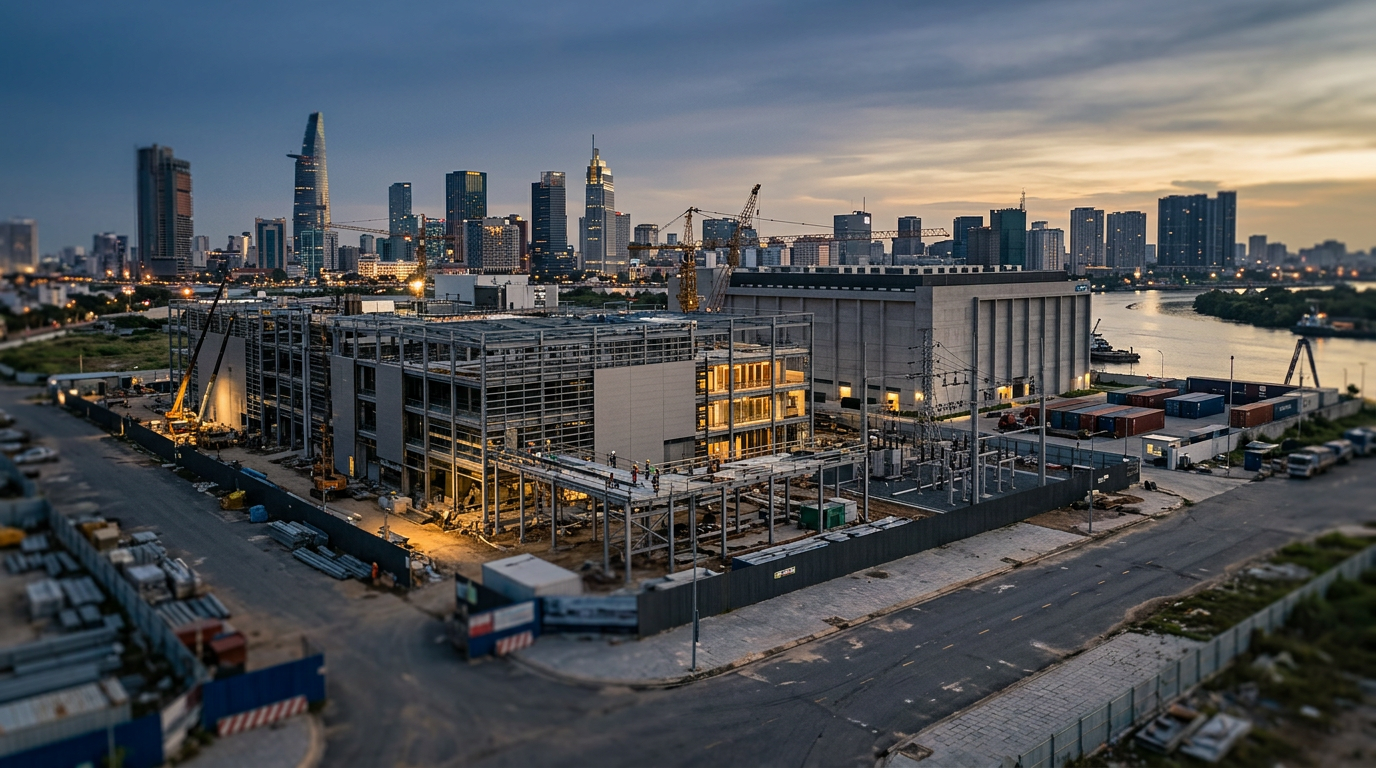
's Data Center Boom: From Ambition to Reality
A development pipeline for hyperscale data centers shows rising demand for digital infrastructure in Vietnam, but turning announcements into operational assets requires institutional focus.
 Vietnam
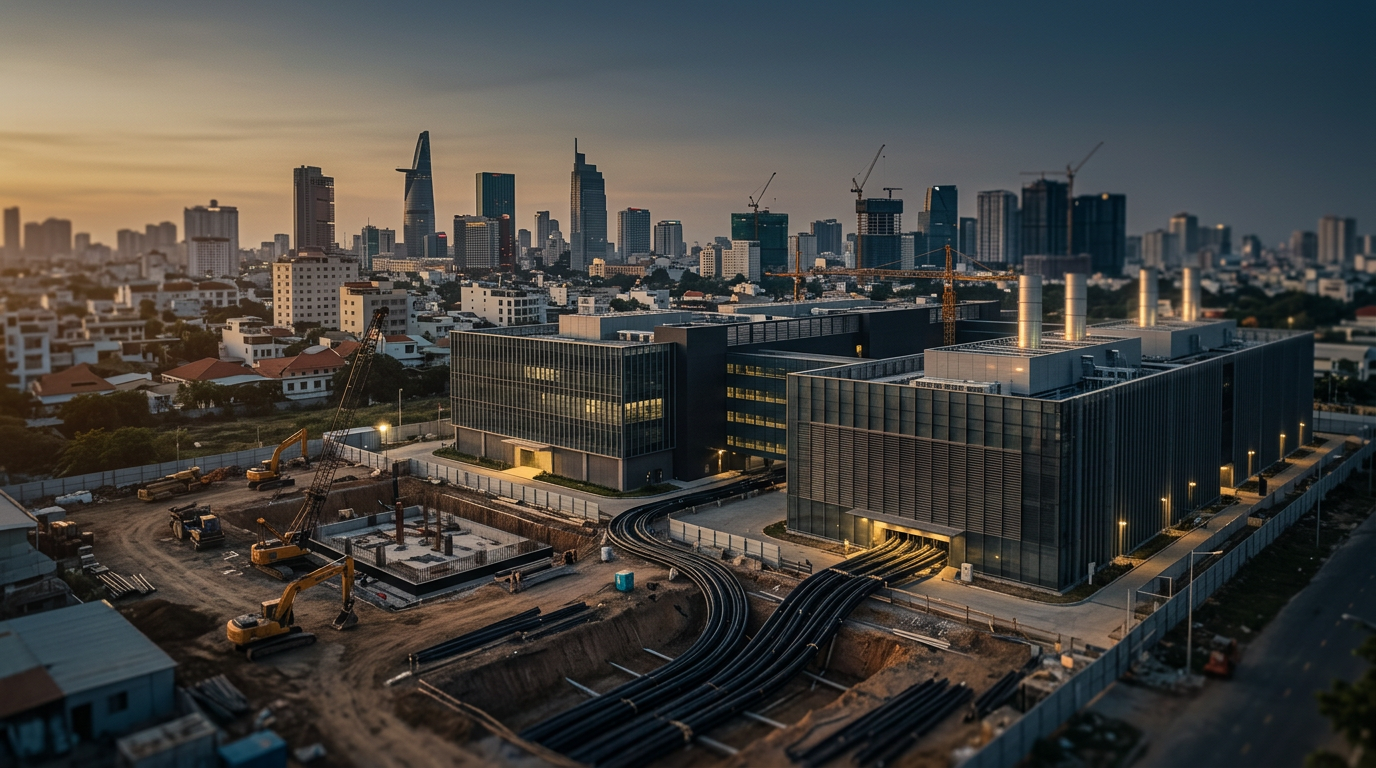
's data center boom tests institutional readiness
Cushman & Wakefield is tapping into Vietnam's growing hyperscale data center market, noting the country is underserved while a development pipeline indicates rising demand for digital infrastructure.
 Vietnam
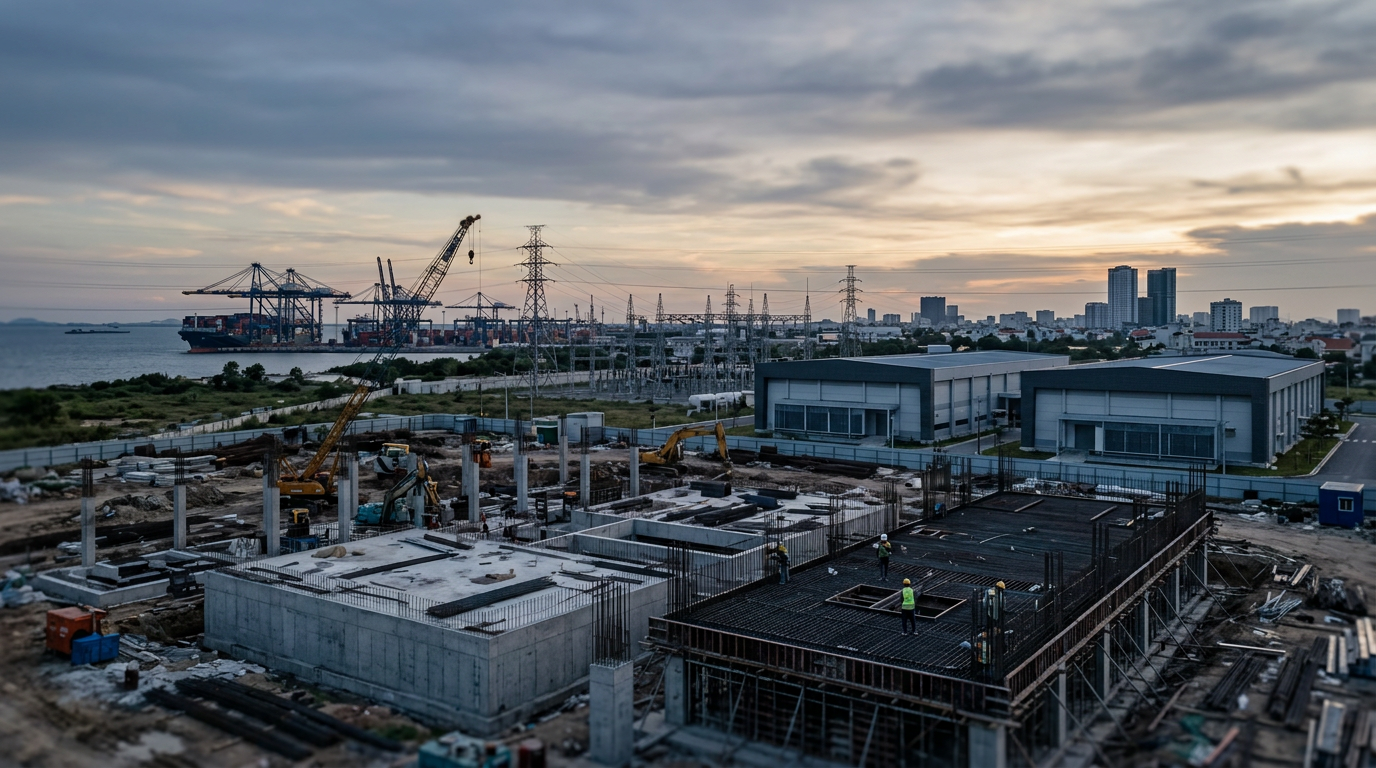
's data center ambitions depend on more than capital
FDI announcements travel quickly. Realised flows depend on the slower work of land, permits, power and talent reaching the ground.
 Vietnam
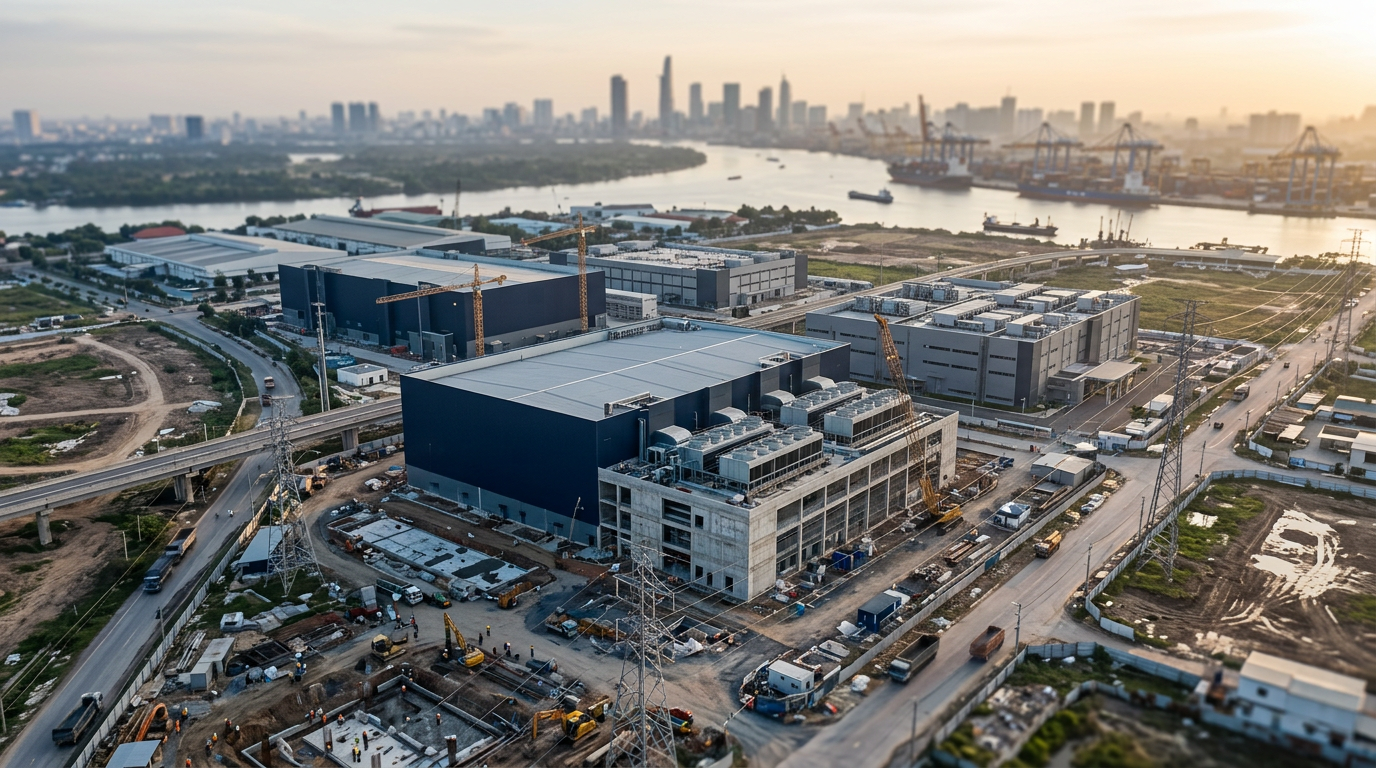
Data Centers Test Vietnam's Investment Framework
Vietnam's digital economy is attracting investor interest in hyperscale data centers. The test is whether institutions can deliver the power, land, and talent needed to realize these multi-billion dollar projects.
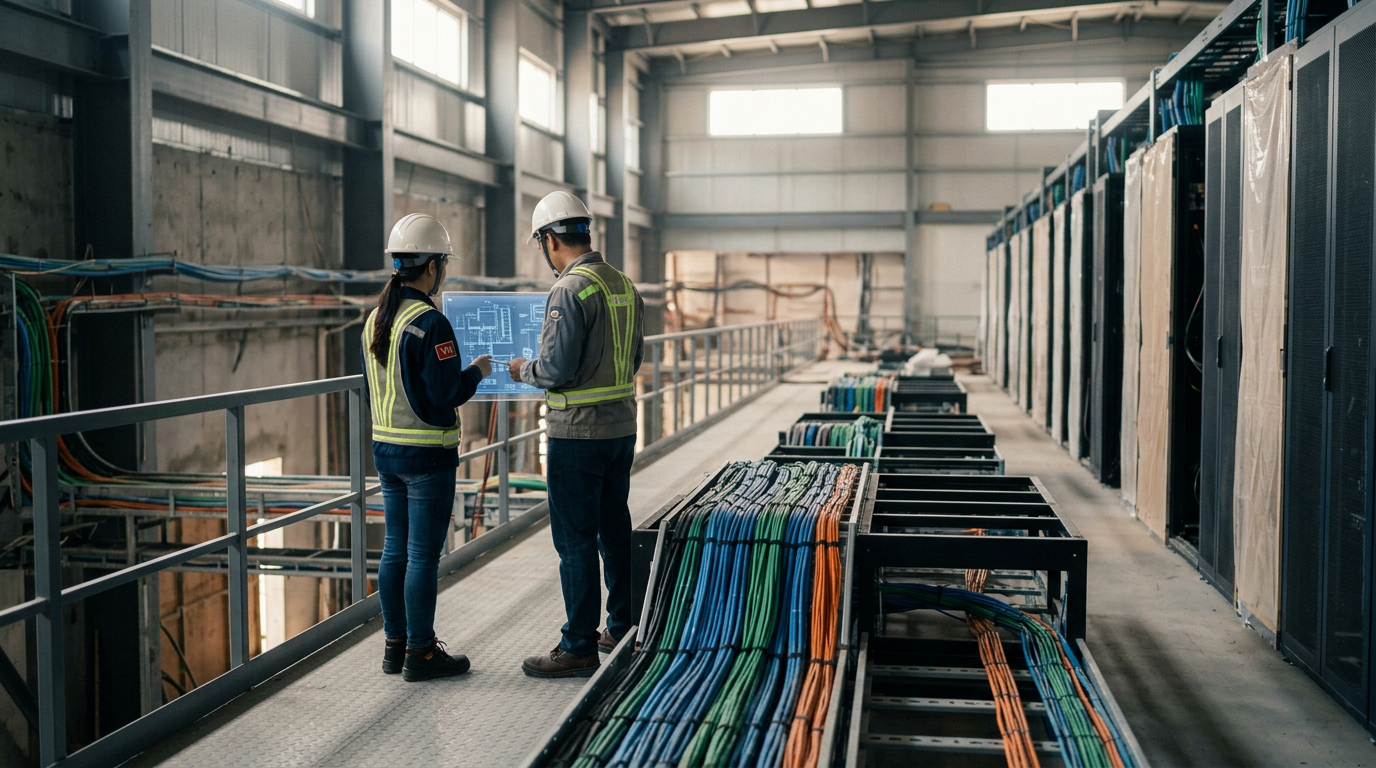 Vietnam
's data center ambitions depend on execution
Vietnam's pipeline of hyperscale data centers is a test of its institutional capacity. FDI announcements travel quickly. Realised flows depend on the slower work of land, permits, power and talent.
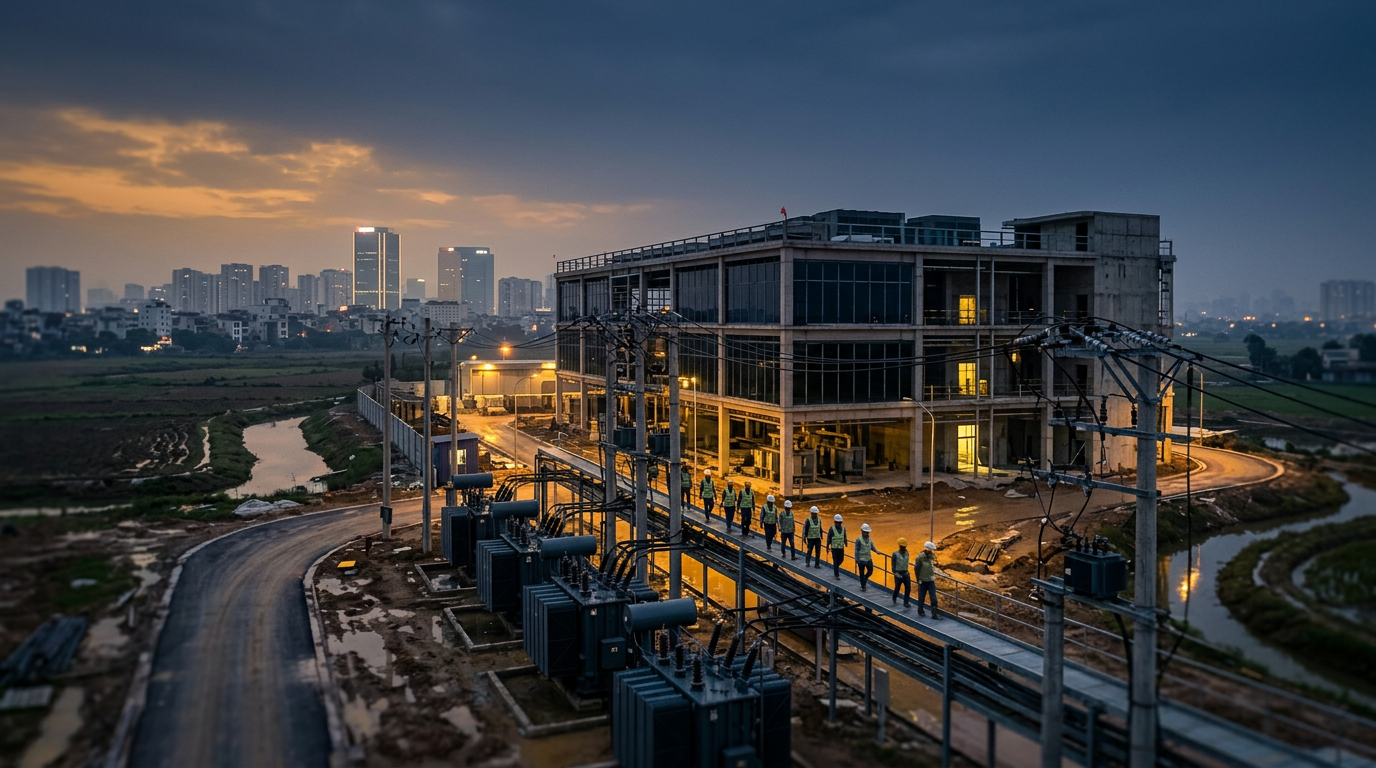 Vietnam
's Data Center Ambitions Test Its Institutions
Vietnam's digital economy is attracting investor interest in hyperscale data centers, but realising this ambition requires more than just scale. It is a test of institutional capacity to deliver the land, power, and talent needed for complex digital infrastructure projects.
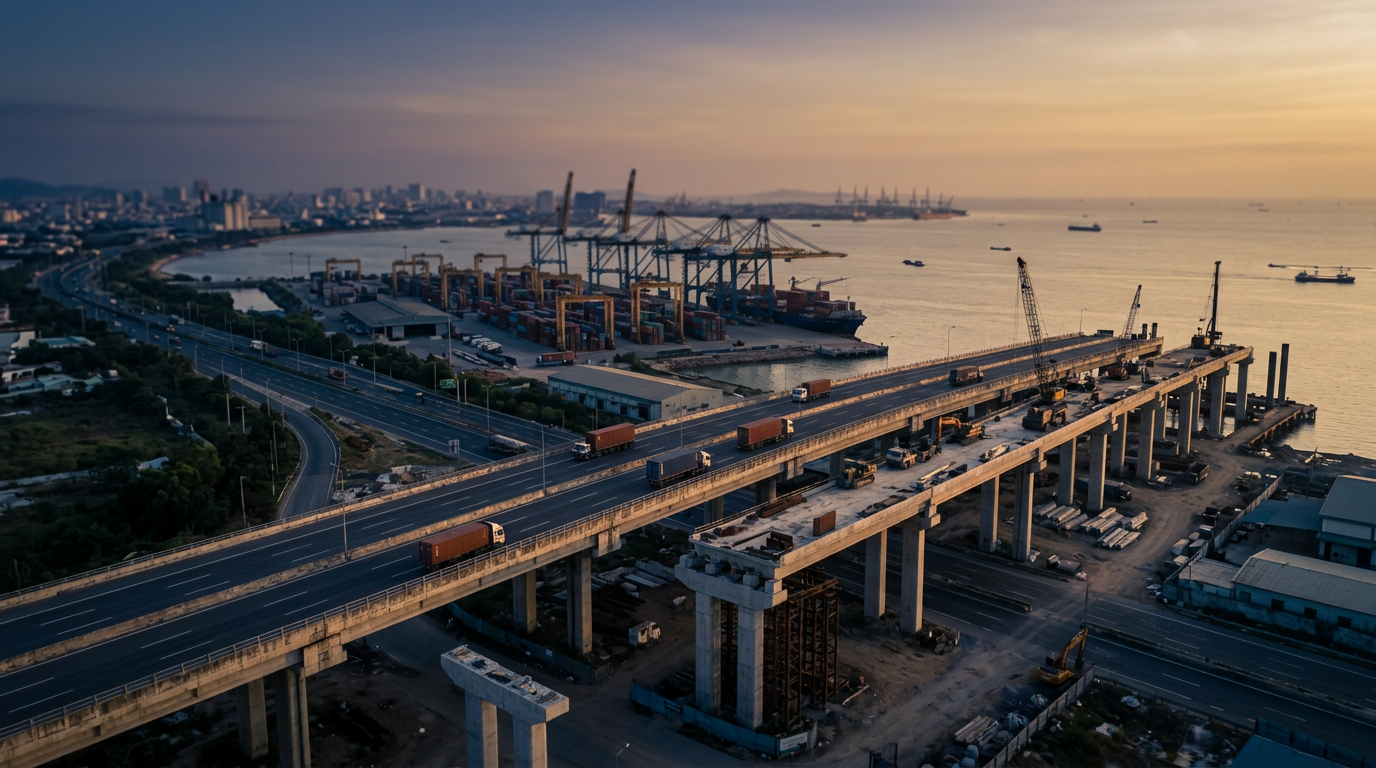 Vietnam
Vietnam's North-South Expressway is a test case for a usable state versus an exciting one. The choice to expand existing infrastructure instead of starting new projects from scratch highlights a focus on execution and institutional reliability. For investors, infrastructure.
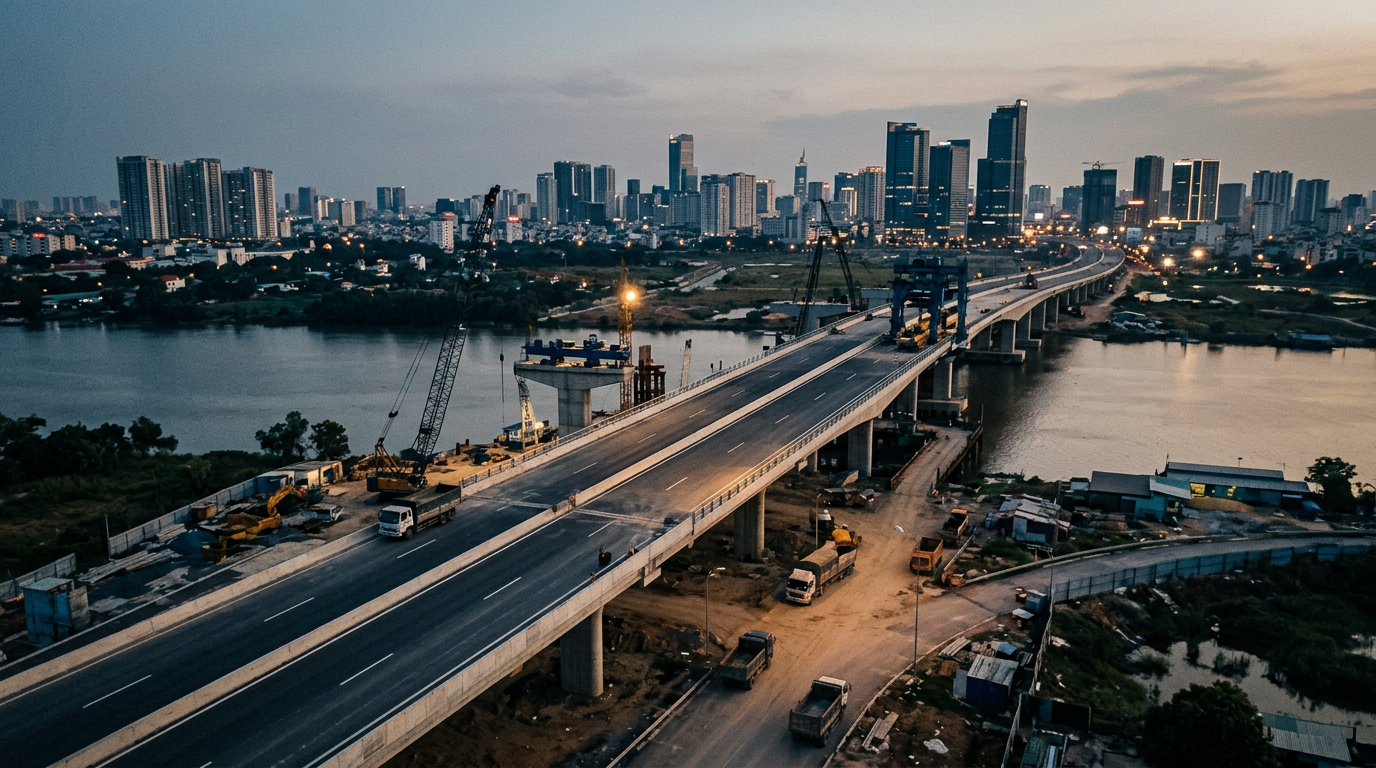 Vietnam
 Weighs Public-Private Partnership for North-South Expressway Expansion
A major proposal to expand Vietnam's North-South Expressway highlights the country's focus on leveraging public-private partnerships to accelerate infrastructure development and improve state capacity.