Vietnam
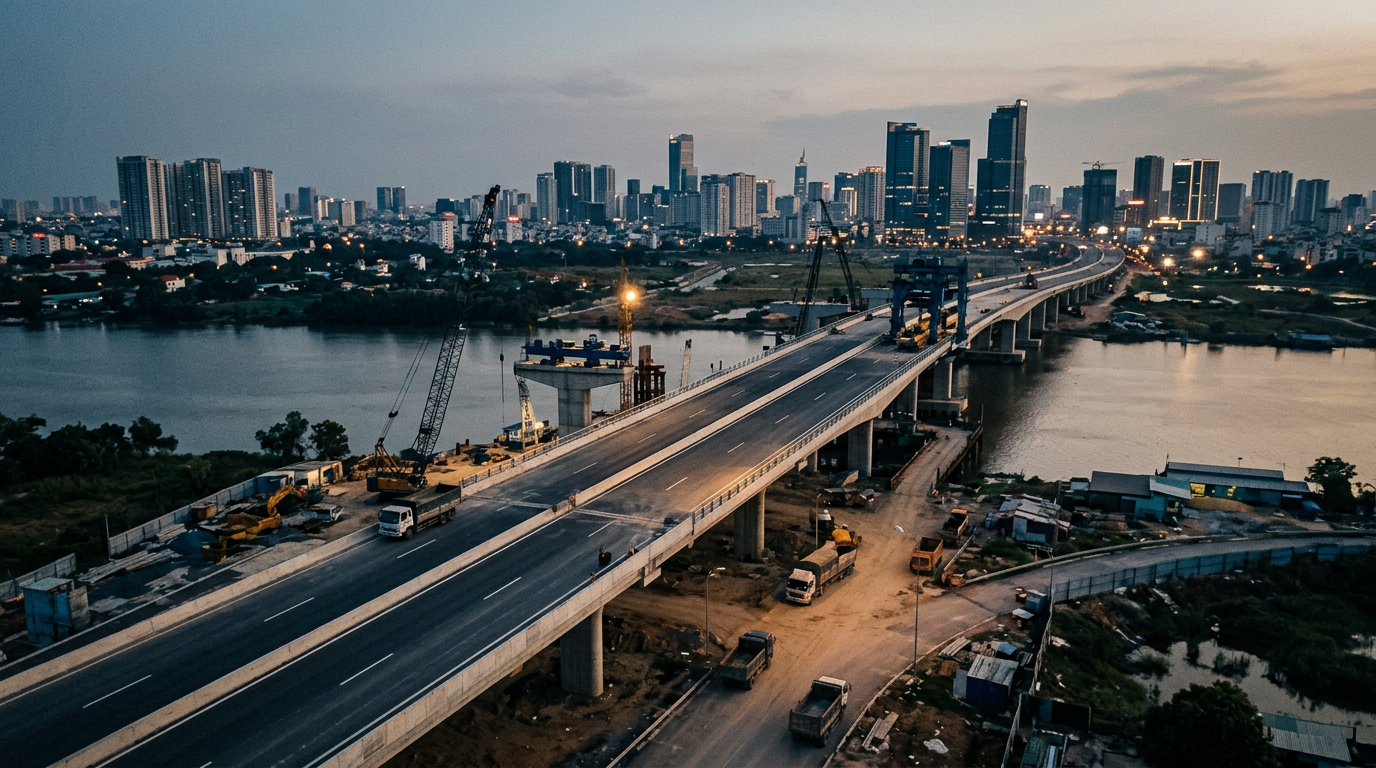
Vietnam's North-South Expressway is a test case for a usable state versus an exciting one. The choice to expand existing infrastructure instead of starting new projects from scratch highlights a focus on execution and institutional reliability. For investors, infrastructure.
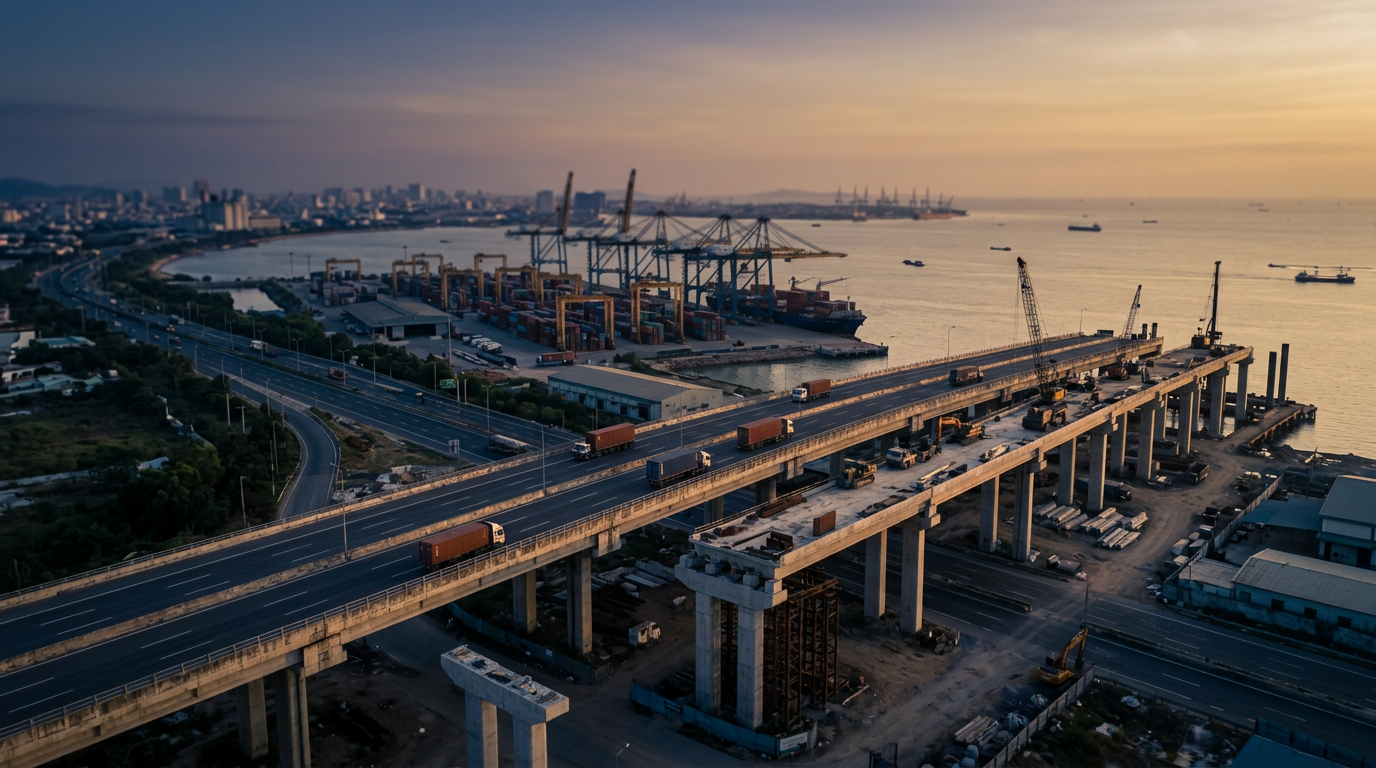
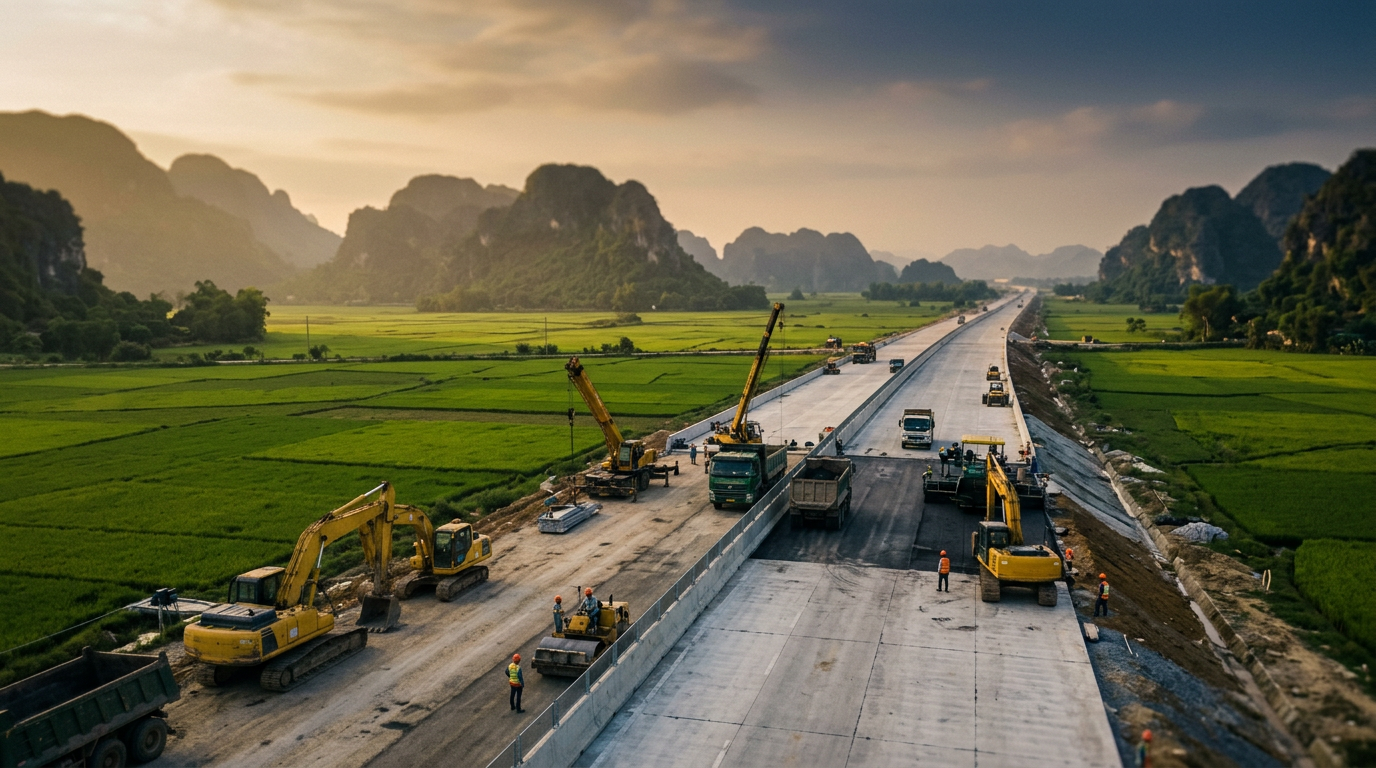
Vietnam is considering a major expansion of its North-South Expressway, with a proposal to widen 350 kilometers of the route to six lanes. As reported by vietnamnews.vn, the project would be financed using a public-private partnership model. This move highlights a pragmatic approach to national development, prioritizing the enhancement of existing assets over the announcement of entirely new ones. The focus on expansion reflects a growing understanding across the region that usable, reliable infrastructure is a cornerstone of economic competitiveness.
Execution Over Announcements
The proposal to widen an existing expressway may seem less glamorous than breaking ground on a completely new project, but it represents a mature approach to development. It suggests a focus on execution and the tangible benefits of reducing bottlenecks and improving logistics. This aligns with a key theme from the book "ASEAN Rising": the growing importance of state capacity and follow-through. For businesses and investors, the ability of a government to deliver on its plans is a critical indicator of a stable and predictable operating environment. A highway that is expanded on schedule provides more economic value than a more ambitious project that remains stuck in the planning stages for years. This focus on delivery is a direct measure of a country's institutional strength.
Public-Private Partnerships and State Capacity
The choice to use a public-private partnership (PPP) model for the expressway expansion is significant. This financing method requires a high degree of coordination between government agencies and private sector partners. A successful PPP is not just a financial arrangement; it is a demonstration of the state's ability to manage complex contracts, regulate effectively, and ensure that projects meet public interest goals while remaining attractive to private capital. As the book "ASEAN Rising" argues, "institutional reliability has become part of comparative advantage." A well-executed PPP shows that a country's institutions are reliable enough to attract and productively use private investment for national infrastructure goals. Vietnam's ability to manage the financial and regulatory intricacies of the North-South Expressway expansion will be a clear signal to international investors about the country's capacity for complex project execution.
The Signal of On-Time Infrastructure
Ultimately, the success of this project will depend on its completion. The proposal itself is just the first step. The real test is in the government's ability to see the project through to operation, on time and within budget. This is where the concept of a "usable state" becomes most relevant. A state that can consistently deliver on its infrastructure commitments builds trust with both its citizens and the global market. For the logistics firms, manufacturers, and agricultural producers who rely on the North-South Expressway, its expansion will translate directly into lower costs and improved efficiency. The project is a concrete example of how infrastructure development serves as a foundation for broader economic growth, moving a nation from ambition to accomplishment.
What to watch next is how the Vietnamese government proceeds with the PPP framework for this project. The speed and transparency of the bidding process, the terms of the final agreement, and the subsequent management of the construction timeline will be indicators of Vietnam's institutional capacity. Observers should also monitor how the lessons from this expansion are applied to other infrastructure projects in the country, as this will demonstrate a commitment to building a track record of reliable execution.