Vietnam
 Weighs Public-Private Partnership for North-South Expressway Expansion
A major proposal to expand Vietnam's North-South Expressway highlights the country's focus on leveraging public-private partnerships to accelerate infrastructure development and improve state capacity.
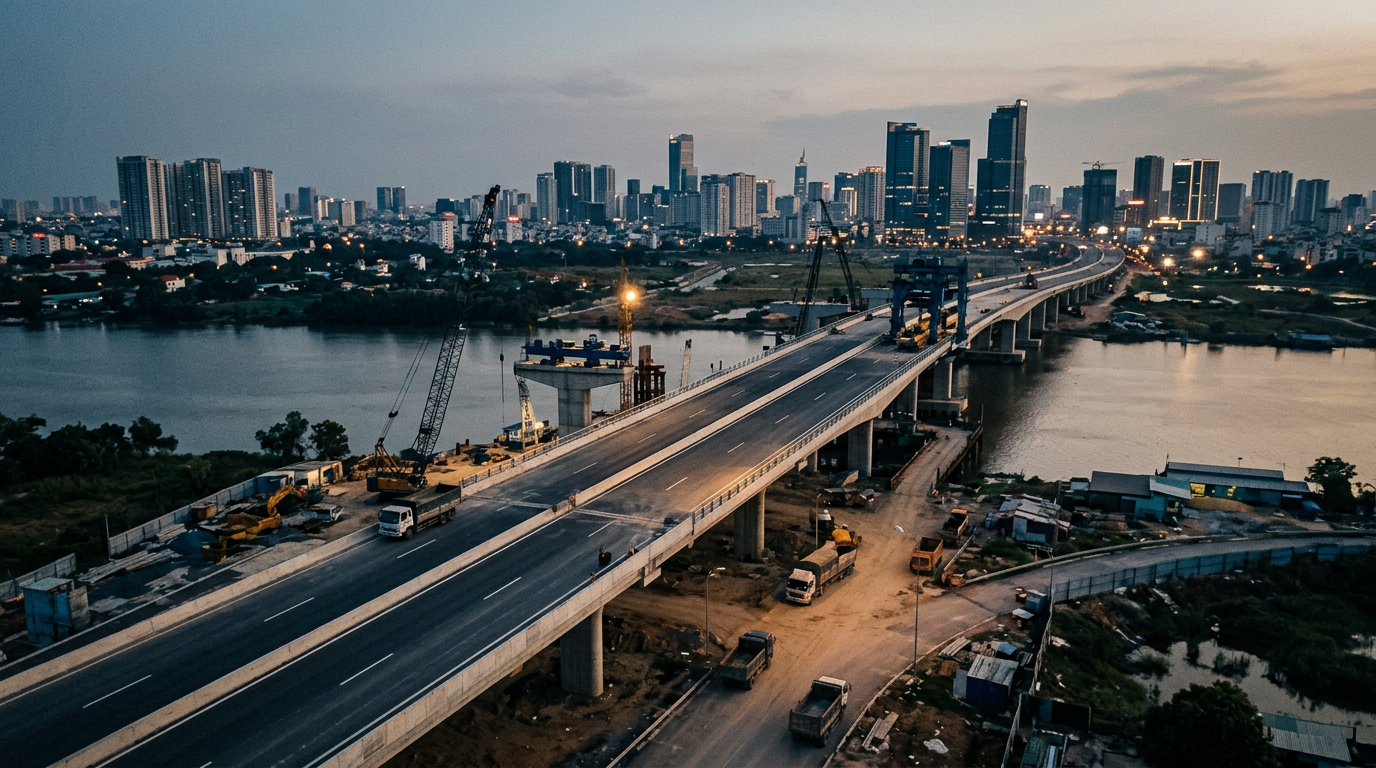
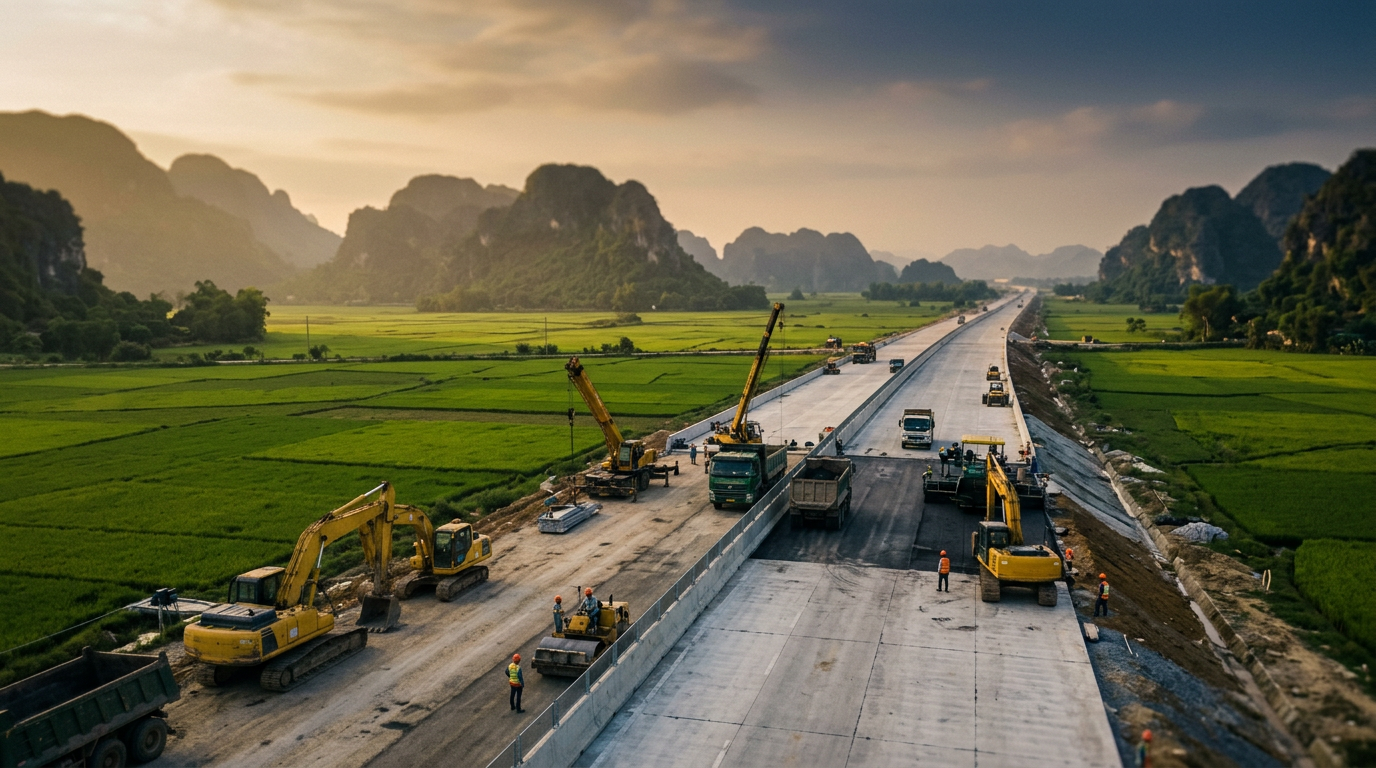
A recent proposal from Cả Group to the Ministry of Construction to widen a 350km section of Vietnam's North-South Expressway could become a significant test of the country's public-private partnership (PPP) framework. According to a report from vietnamnews.vn, the expansion to six lanes would be financed and executed as a PPP project, reflecting a strategic shift in how Vietnam approaches large-scale infrastructure. The project aims to alleviate traffic congestion and bolster national connectivity, but its implementation will be as important as its conception. How the government manages the complexities of a PPP of this scale will signal its capacity for effective project execution and its commitment to building a modern infrastructure backbone.
Institutions and Execution
The success of ambitious infrastructure projects like the North-South Expressway expansion hinges on the quality of the institutions that oversee them. The proposal puts Vietnam's amended Law on Public-Private Partnership Investment, effective since 2021, into the spotlight. This legal framework was designed to attract private capital by providing a more transparent and predictable environment for investors. A well-managed PPP process, from tendering to completion, demonstrates institutional maturity. It shows that the state can not only plan but also deliver. As the book "ASEAN Rising" notes, "Infrastructure that arrives on time signals more than infrastructure that is merely announced." The timely and on-budget delivery of this expressway expansion would build confidence among domestic and international investors, proving that the country's state apparatus is reliable.
Capital and Capacity
The choice of a PPP model is a pragmatic response to the immense capital requirements of modern infrastructure. By inviting private sector participation, the government can share the financial burden and access specialized expertise in project management and construction. For Vietnam, a rapidly growing economy with significant infrastructure needs, this model is essential. However, it also requires a capable state to manage the partnership effectively. Government agencies must be equipped to negotiate fair terms, monitor progress, and ensure that public interest is protected throughout the project's lifecycle. The North-South Expressway proposal is not just about securing funding; it is about demonstrating that the state has the capacity to be a credible partner for private enterprise. This project could serve as a powerful case study for how to structure and execute PPPs, offering lessons for other large-scale developments in the pipeline.
What to watch
The government's response to the Cả Group proposal will be a key indicator of its infrastructure strategy. Observers should monitor the details of the tender process, the final financing structure, and the risk-sharing arrangements between the public and private sectors. The speed and transparency of these early stages will provide insight into the maturity of Vietnam's PPP framework and its ability to deliver the infrastructure needed to sustain its economic growth.