Vietnam
's Growing Wealth and the Test of Institutions
While Vietnam's rising number of wealthy individuals is a sign of economic dynamism, the country's ability to translate this wealth into broad-based, sustainable development will depend on the strength of its institutions.
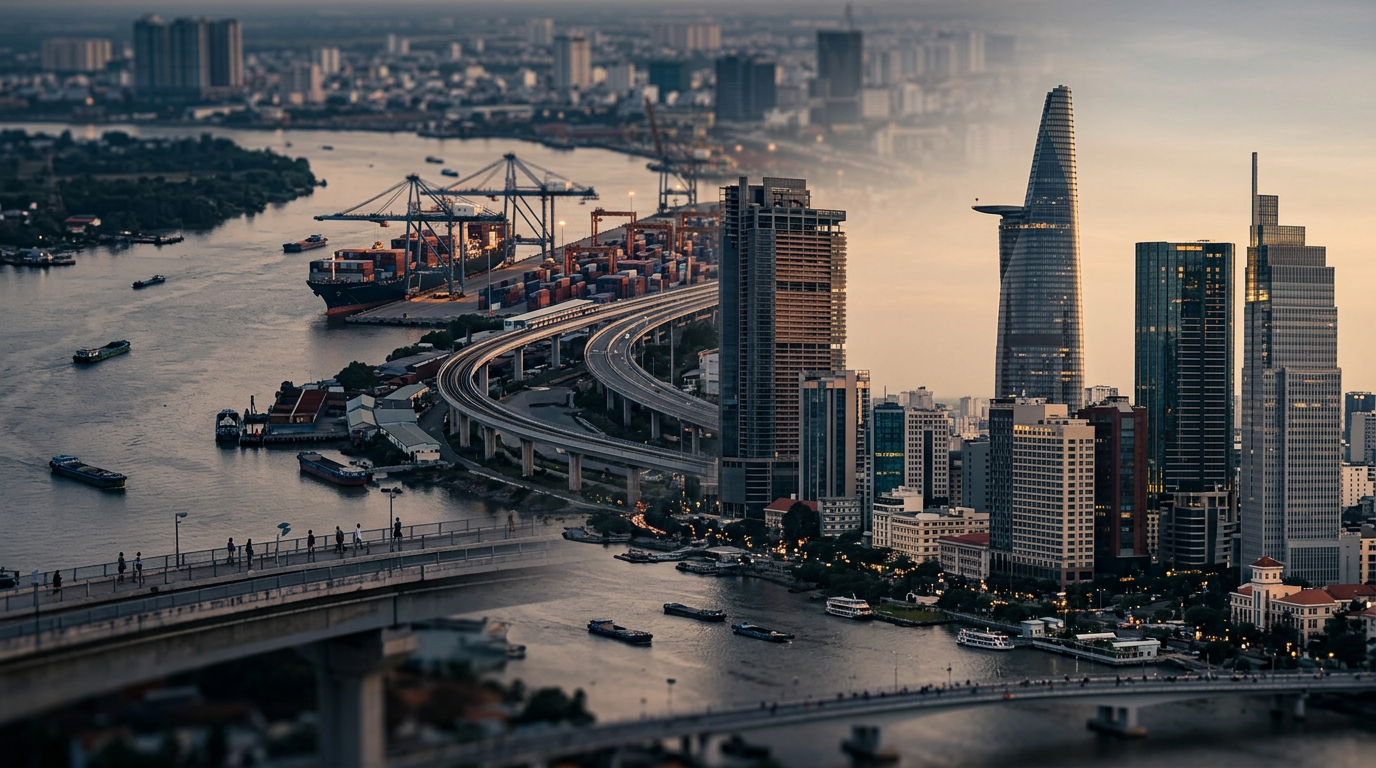
A recent report noted that Vietnam now has over 1,200 individuals with a net worth exceeding US$30 million, with this number expected to grow significantly by 2031. As reported by e.vnexpress.net, this rapid increase in the ultra-rich population highlights the country's economic dynamism and its growing integration into the global economy. While the accumulation of private wealth is a marker of success, it also brings to the forefront the question of how this capital can be channeled to foster long-term national development.
Capital and Institutions
The creation of significant private wealth is a relatively new phenomenon in Vietnam. For this capital to translate into productive, long-term investment that benefits the broader economy, the country must continue to strengthen its economic and financial institutions. The challenge lies in creating a framework that encourages domestic investment in strategic sectors, from manufacturing and technology to green energy and infrastructure. Without trusted and transparent local capital markets, a substantial portion of this newfound wealth may flow to overseas assets rather than being reinvested to deepen Vietnam's own industrial and technological base.
From FDI to Domestic Investment
For years, Vietnam's development model has been heavily reliant on foreign direct investment (FDI). This strategy has been successful in building an export-oriented manufacturing sector and creating jobs. However, the rise of a wealthy domestic class presents an opportunity to diversify the country's sources of capital. The book "ASEAN Rising" observes that for any economy, "scale matters only when institutions can turn it into investable depth." This is as true for domestic capital as it is for FDI. The slow work of improving land regulations, permit processes, and the reliability of power grids is essential to making domestic investment as attractive and seamless as foreign investment.
Talent and Infrastructure
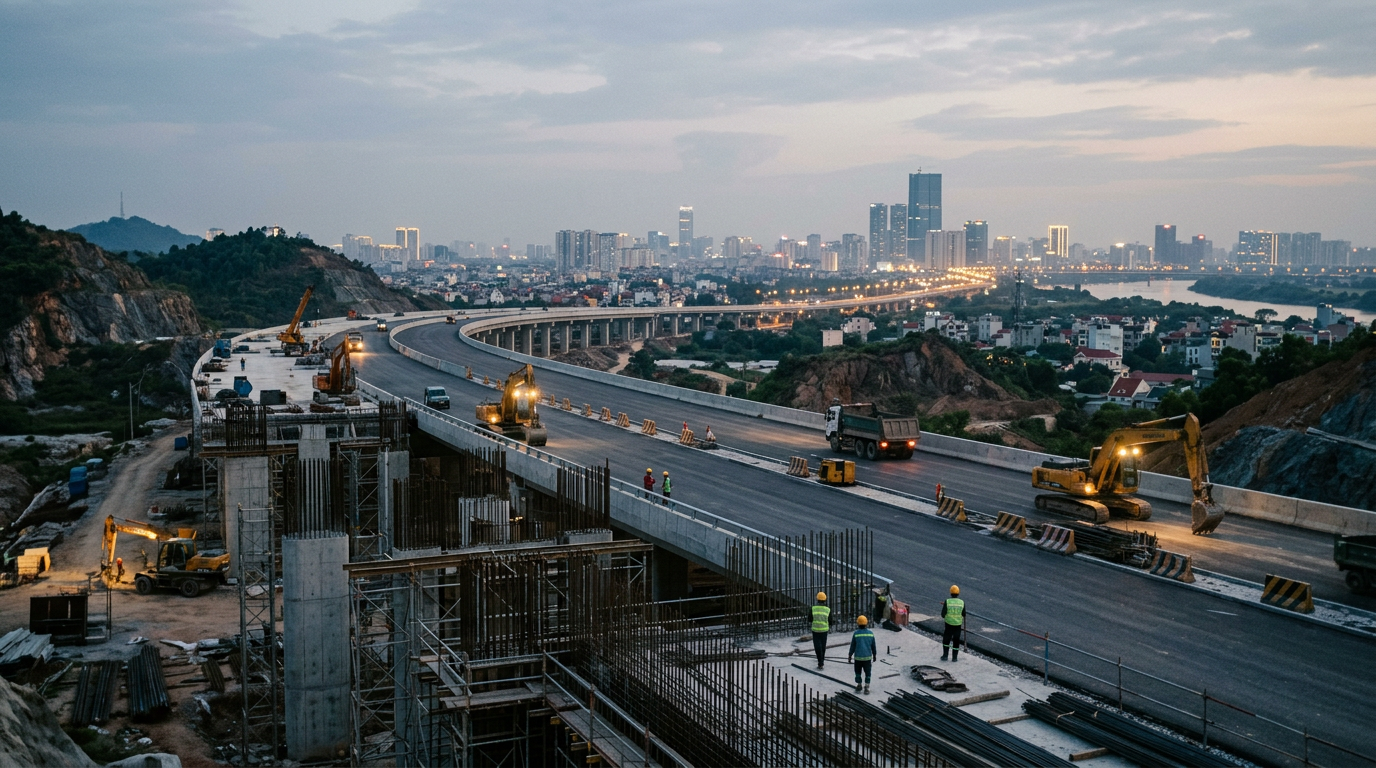
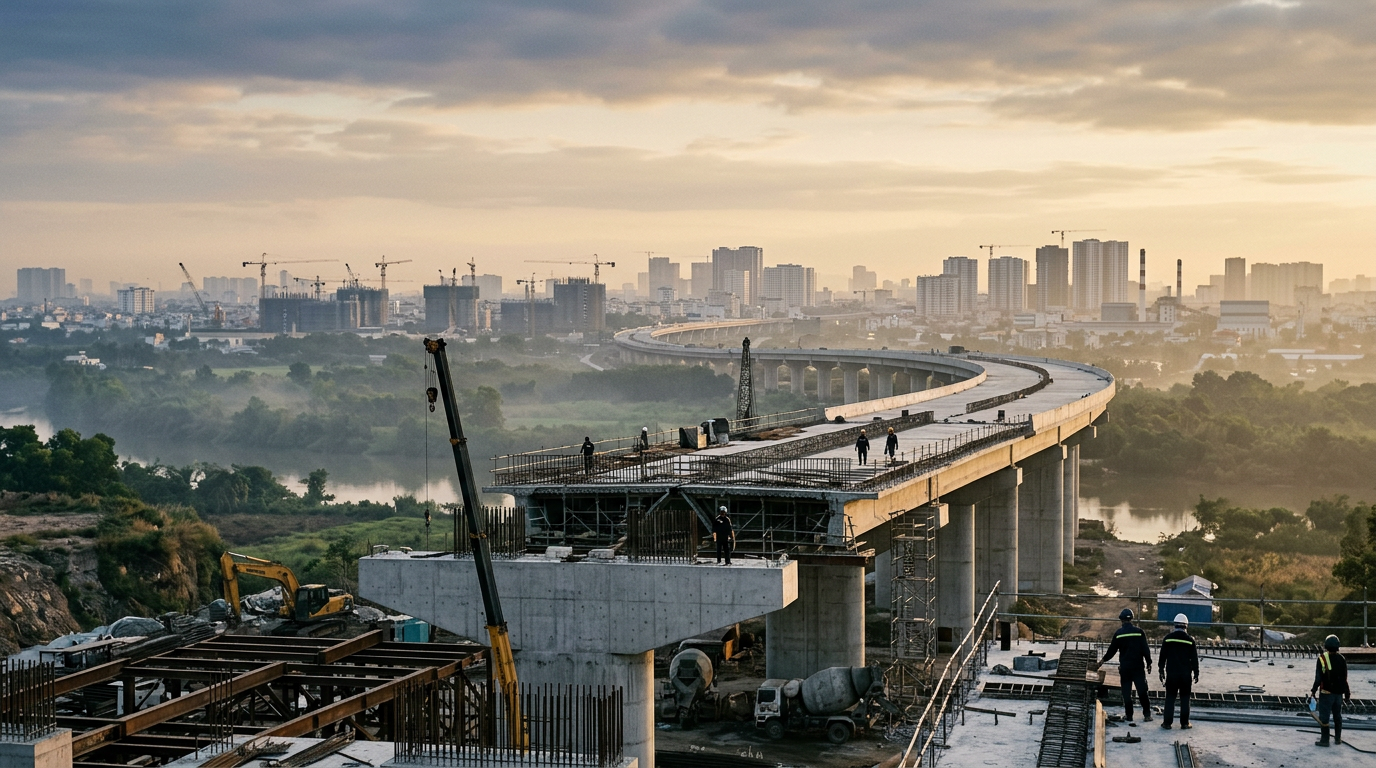
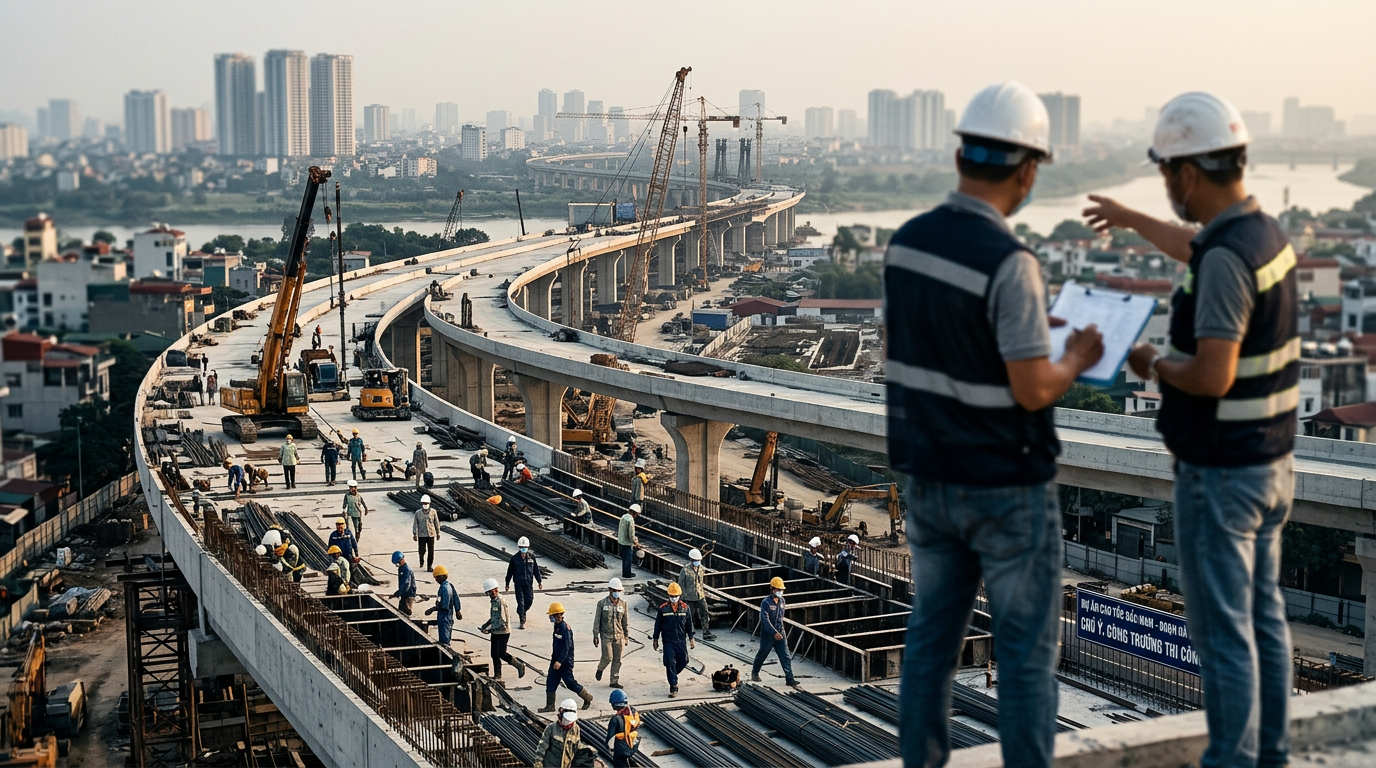
The growth in the number of ultra-rich individuals is not happening in a vacuum. It is occurring alongside Vietnam's broader demographic and economic expansion. To ensure this growth is sustainable, investments are needed in both human capital and physical infrastructure. A skilled workforce is necessary to move the economy up the value chain, beyond labor-intensive manufacturing. This requires sustained investment in education, vocational training, and higher-level skills development. Similarly, modern and efficient infrastructure-from logistics networks to digital connectivity-is required to support a more complex and diversified economy. The growing pool of domestic capital could be a vital source for funding these long-term projects.
What to watch
Pay attention to policy initiatives from Hanoi aimed at deepening domestic capital markets and encouraging private sector participation in large-scale infrastructure and technology projects. The government's ability to create a regulatory environment that builds trust and channels private wealth into national development priorities will be a key determinant of Vietnam's next phase of economic growth. The trajectory of how this domestic capital is deployed-whether it stays in the country to build productive capacity or seeks returns elsewhere-will be a significant indicator of Vietnam's institutional maturity.