Vietnam
's Growing Wealth and the Test of Institutions
A rising number of ultra-high-net-worth individuals in Vietnam is a positive signal, but sustained economic development depends on translating capital into tangible infrastructure and broad-based opportunities.
A recent report on global wealth highlighted Vietnam's rapidly growing population of ultra-high-net-worth individuals. According to a story from e.vnexpress.net, Vietnam had 1,233 individuals with a net worth of at least US$30 million in 2023. This number is projected to increase substantially by 2031. The growth in private wealth is an encouraging indicator of economic dynamism, but it also brings to the forefront the institutional challenges that accompany rapid development.
From Paper to Production
The accumulation of domestic capital, much like spikes in foreign direct investment (FDI) announcements, is an early and positive signal. However, the true measure of economic progress lies not in the announcements but in the execution that follows. As the book "ASEAN Rising" notes, for capital to become productive, institutional capacity is essential. The book observes that "realised flows depend on the slower work of land, permits, power and talent reaching the ground." This observation is as relevant for domestic wealth as it is for foreign investment.
Vietnam has made significant strides in improving its business environment and attracting investment. Its consistent policy-making and strategic integration into global supply chains have been cornerstones of its success. Yet, the next phase of growth will require an even greater focus on the foundational elements of the economy. Converting the potential of its growing capital base into new factories, upgraded infrastructure, and skilled jobs is the primary task. This involves streamlining bureaucratic processes for land acquisition, ensuring reliable energy supply for industrial zones, and developing a workforce equipped for higher-value manufacturing and services.
The Infrastructure Imperative
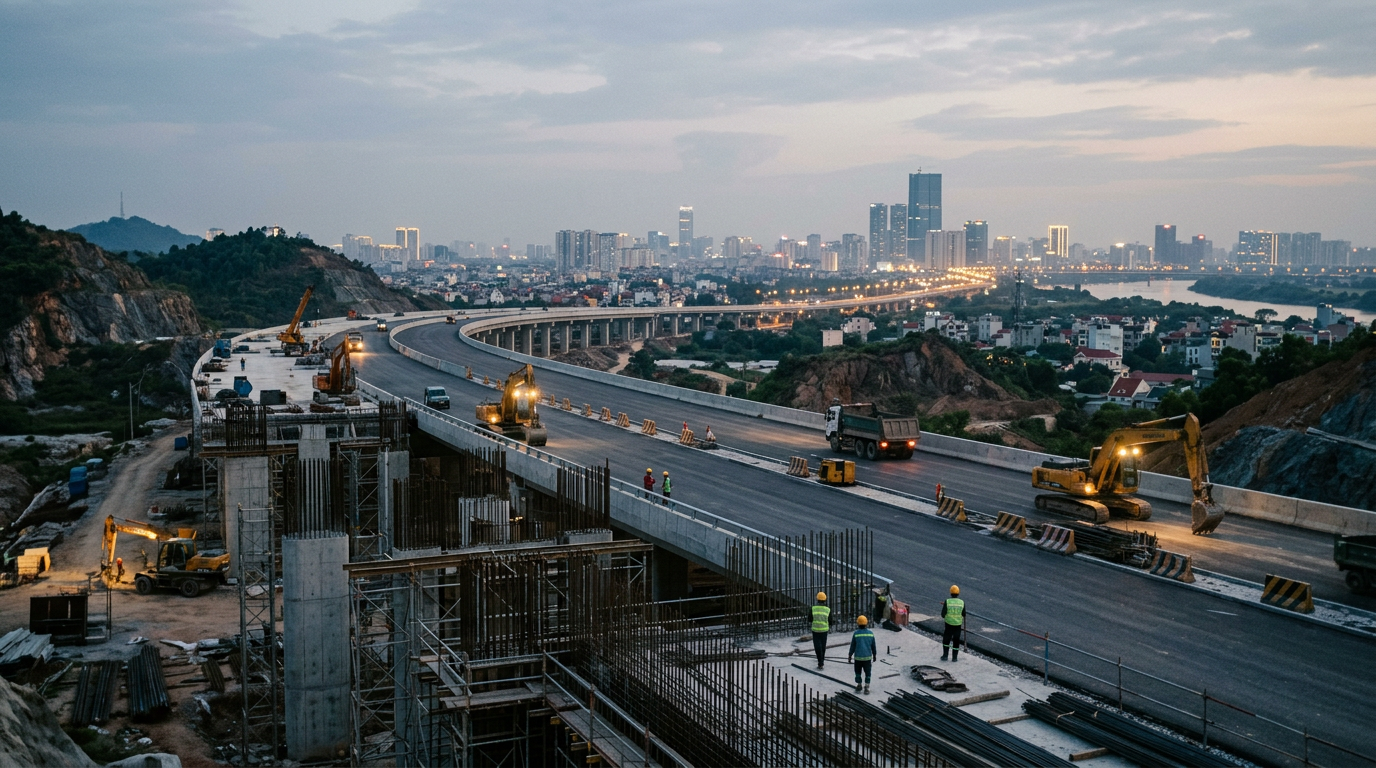
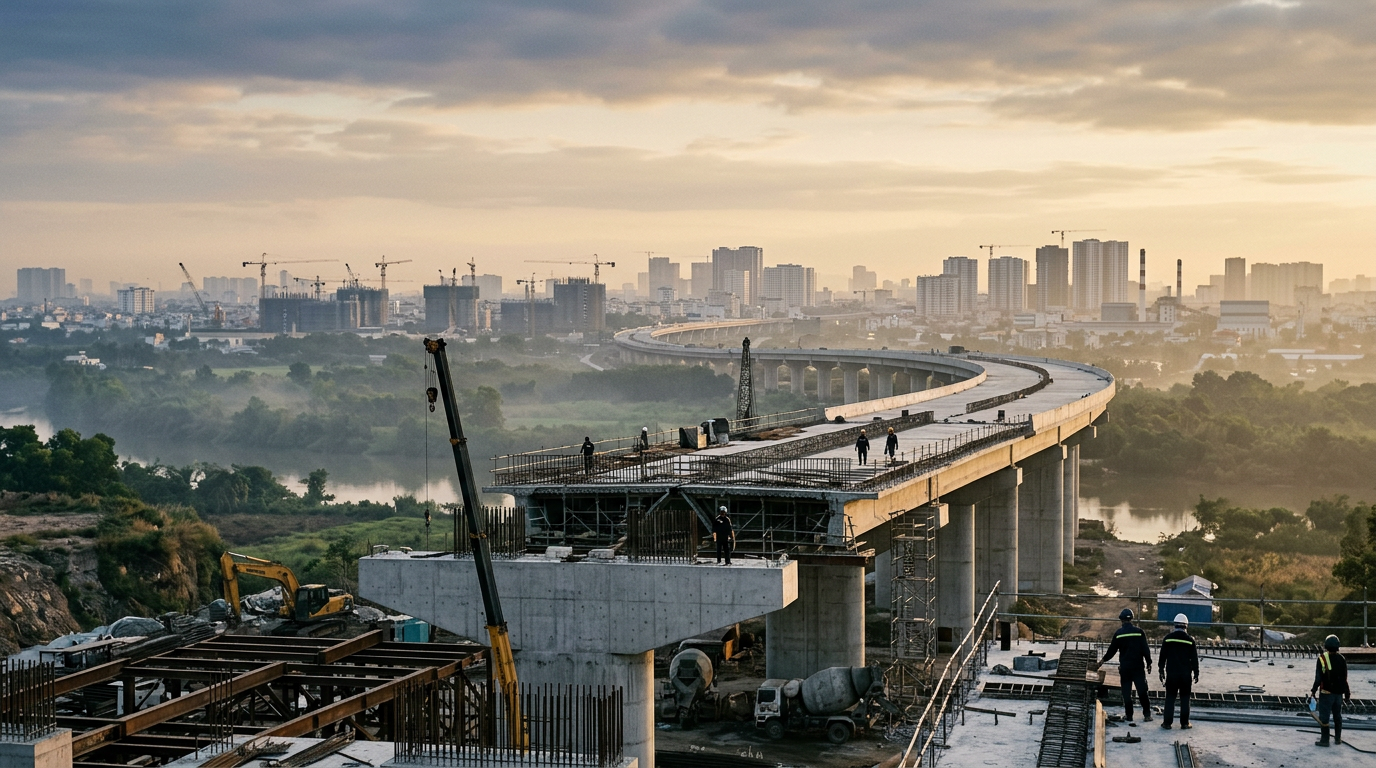
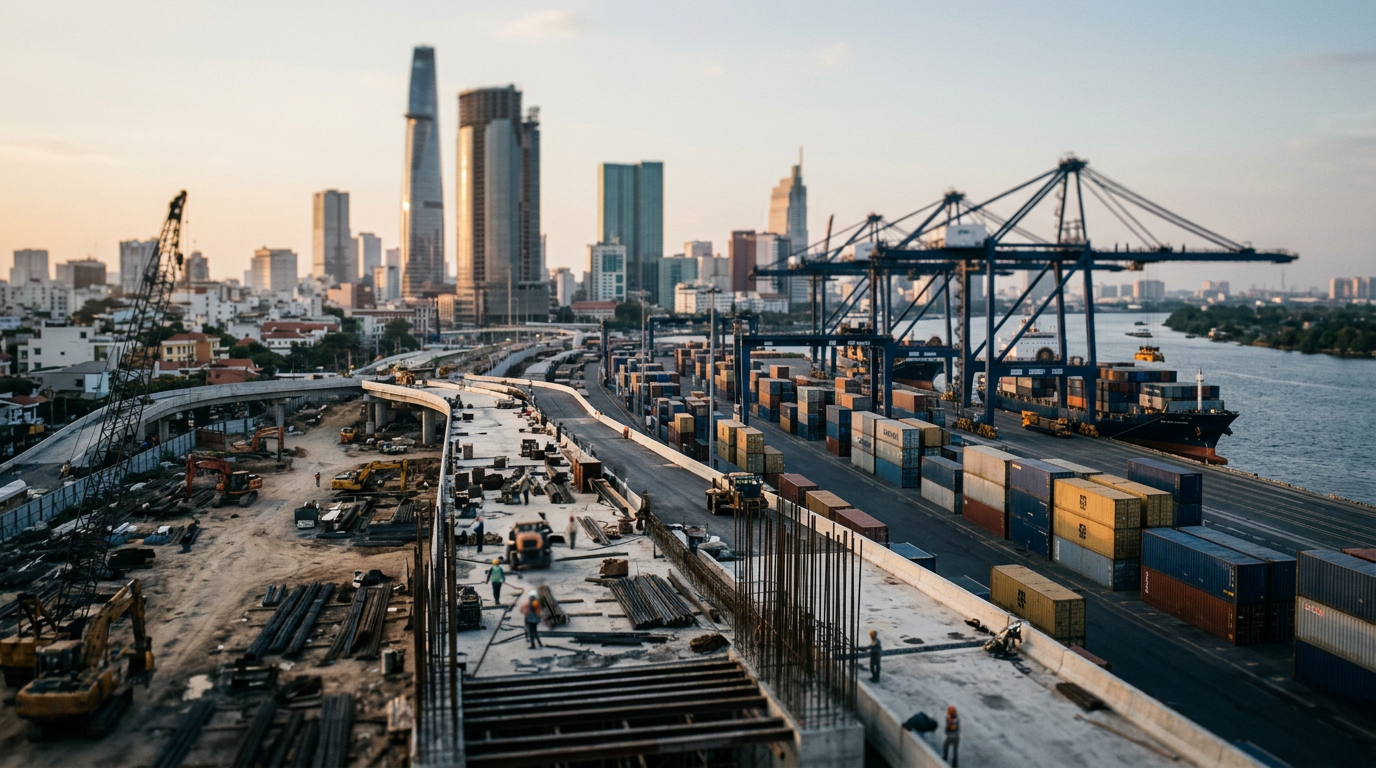
Sustained economic expansion requires a robust infrastructure backbone. For Vietnam, this means continued investment in logistics, energy, and digital connectivity. The country's geography, with its long coastline and proximity to major shipping lanes, is a natural asset. However, leveraging this requires modern ports, efficient road and rail networks to connect production centers with these ports, and a resilient power grid to keep factories running.
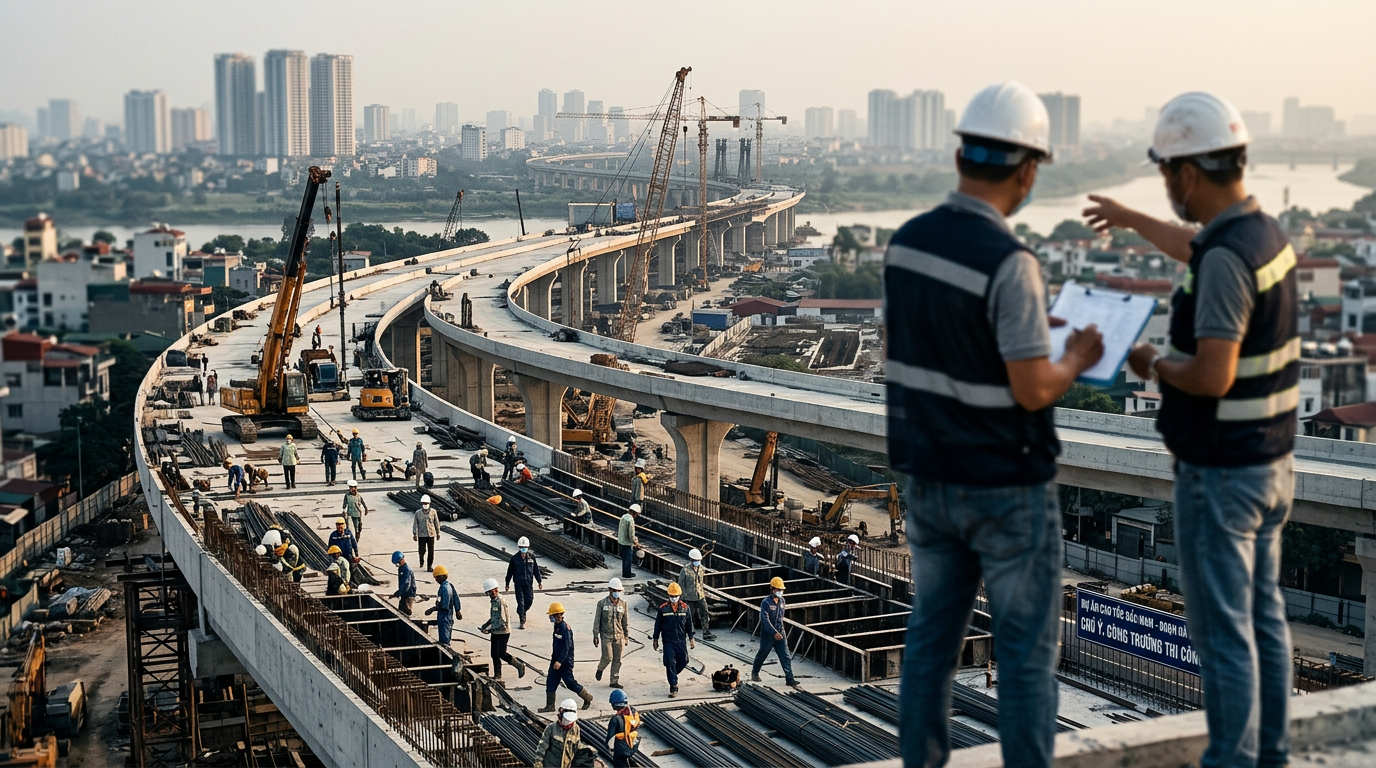
The challenge is not just about building new infrastructure but also about ensuring its quality and effective management. This is where institutional strength becomes paramount. Transparent procurement processes, sound project management, and regulatory frameworks that encourage private sector participation are necessary to build out infrastructure efficiently. The growing pool of domestic capital could play a significant role here, providing a source of funding for public-private partnerships in infrastructure projects. This would create a virtuous cycle, where domestic wealth contributes to the productive capacity of the economy, in turn generating further growth.
What to watch: The key indicator to monitor will be the rate at which Vietnam can translate its growing private wealth and FDI commitments into realized projects. Observers should pay attention to progress in major infrastructure developments, regulatory reforms aimed at reducing administrative friction, and the expansion of vocational and higher education programs designed to meet the evolving demands of industry. The ability of Vietnam's institutions to facilitate this conversion of capital into concrete economic activity will determine its long-term growth trajectory.