Vietnam
Data Centers Test Vietnam's Investment Framework
Vietnam's digital economy is attracting investor interest in hyperscale data centers. The test is whether institutions can deliver the power, land, and talent needed to realize these multi-billion dollar projects.
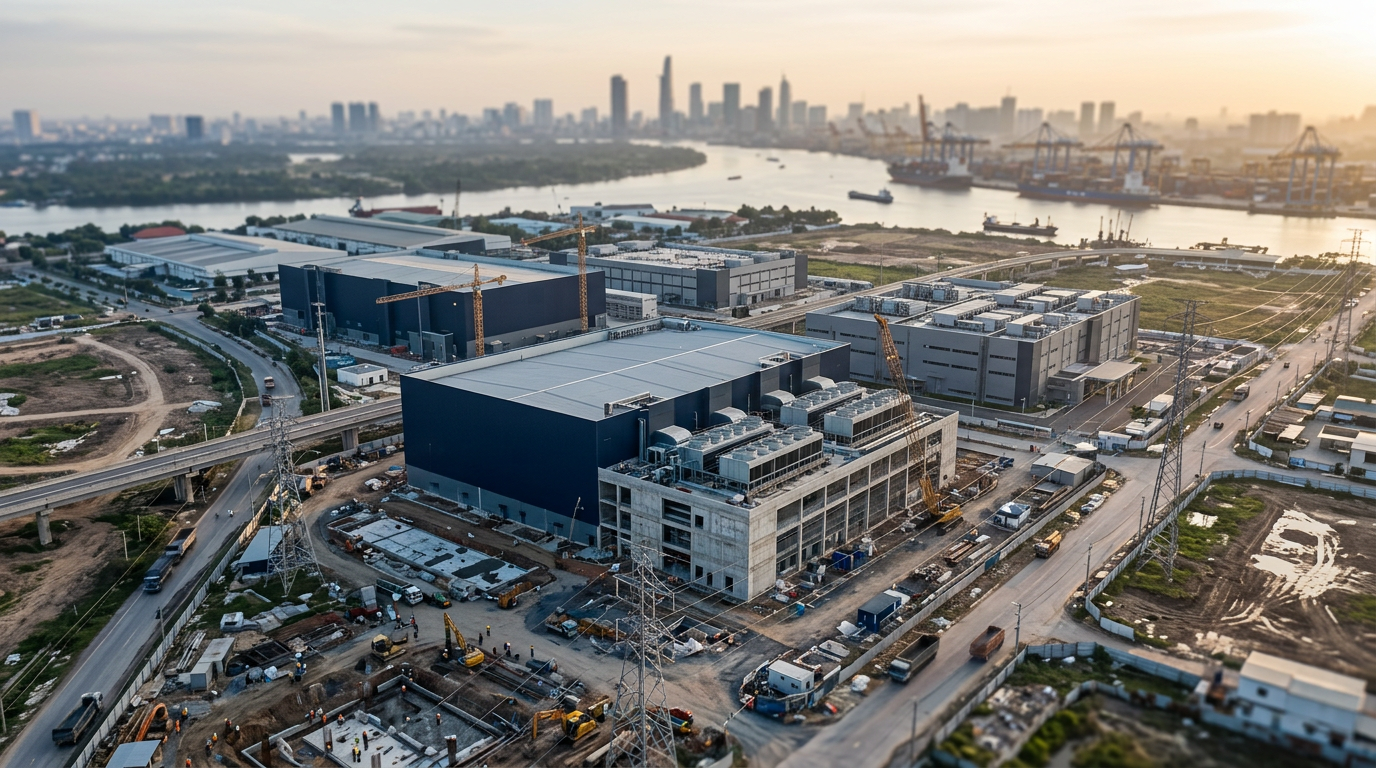
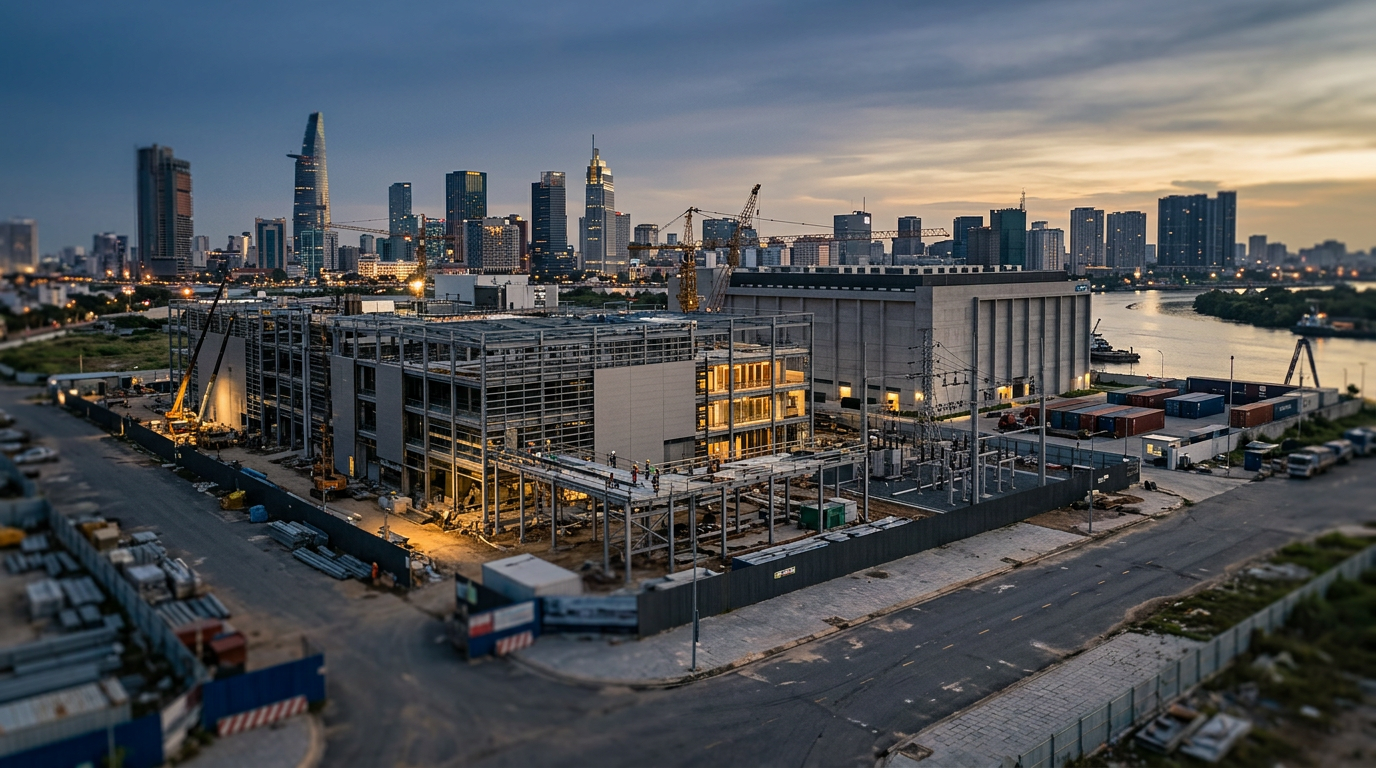
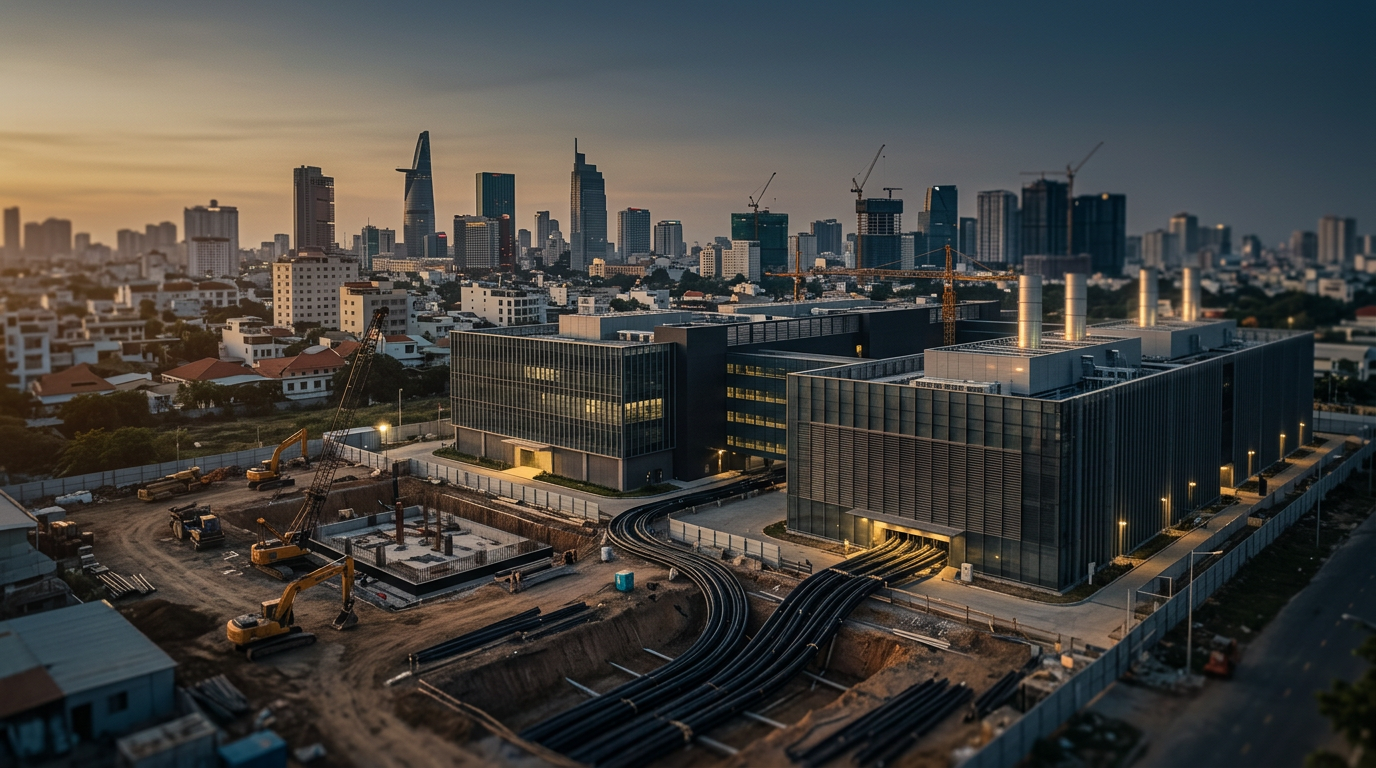
A recent market assessment by Cushman & Wakefield highlights rising investor interest in Vietnam's underserved hyperscale data center market, as reported by VNExpress International. The report points to a significant pipeline of projects from both domestic and international operators, signaling a new phase of investment in the country's digital infrastructure.
While the demand is evident, the path from announcement to operation for these complex industrial assets is a test of institutional capacity. As "ASEAN Rising" notes in its analysis of large-scale investment, "realised flows depend on the slower work of land, permits, power and talent reaching the ground." Vietnam's ability to translate investor appetite into functioning data centers will depend on how effectively its institutions can manage these foundational requirements.
Institutions and Infrastructure
Data centers are power-intensive facilities. A single hyperscale campus can require over 100 megawatts of reliable, high-quality electricity, a demand equivalent to a small city. Vietnam's national power development plan, PDP8, aims to increase capacity and grid stability, but the timeline for bringing new generation online, particularly from renewable sources, will be a primary constraint. Investors will be watching for clear mechanisms to secure long-term power purchase agreements and guarantees of grid uptime. Delays or uncertainty in the power sector could stall data center projects, regardless of market demand.
Capital and Execution
Executing large-scale projects requires a clear and predictable regulatory environment. The process for securing land use rights, construction permits, and operating licenses for data centers involves multiple layers of government. The clarity of these processes, and the speed at which they are administered, directly impacts project timelines and costs. A streamlined, transparent framework for digital infrastructure investment would provide confidence to the international capital required for these multi-billion dollar builds. Local partners can help navigate the administrative landscape, but the underlying ruleset is what ultimately determines the pace and scale of deployment.
Talent
Beyond the physical infrastructure, hyperscale data centers require a specialized workforce for their design, construction, and 24/7 operation. This includes electrical and mechanical engineers, network specialists, and cybersecurity experts. The availability of this talent pool is a factor in long-term operational success. Government and private sector collaboration on technical training programs and certifications will be necessary to develop the human capital required to support a thriving digital ecosystem. Without a steady supply of skilled technicians and engineers, the operational efficiency and reliability of these new facilities could be compromised.
What to watch: The key indicator of progress will not be the number of investment announcements, but the pace of actual project completions. Observers should monitor the approval timelines for large-scale power projects under PDP8, regulatory reforms aimed at industrial land acquisition and permitting, and the launch of new technical education initiatives. These on-the-ground factors, more than market reports, will determine if Vietnam can build the institutional depth needed to anchor its growing digital economy.