Vietnam
's data center ambitions depend on execution
Vietnam's pipeline of hyperscale data centers is a test of its institutional capacity. FDI announcements travel quickly. Realised flows depend on the slower work of land, permits, power and talent.

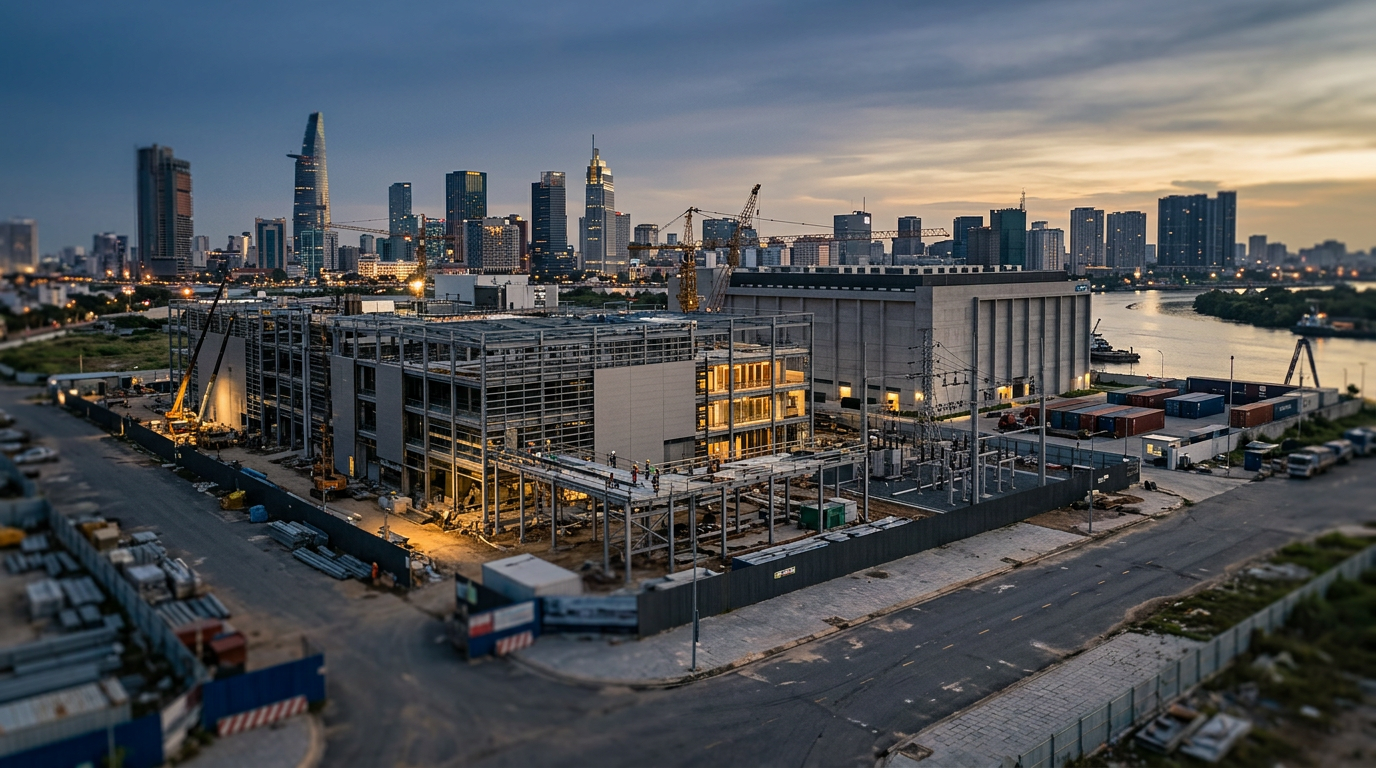
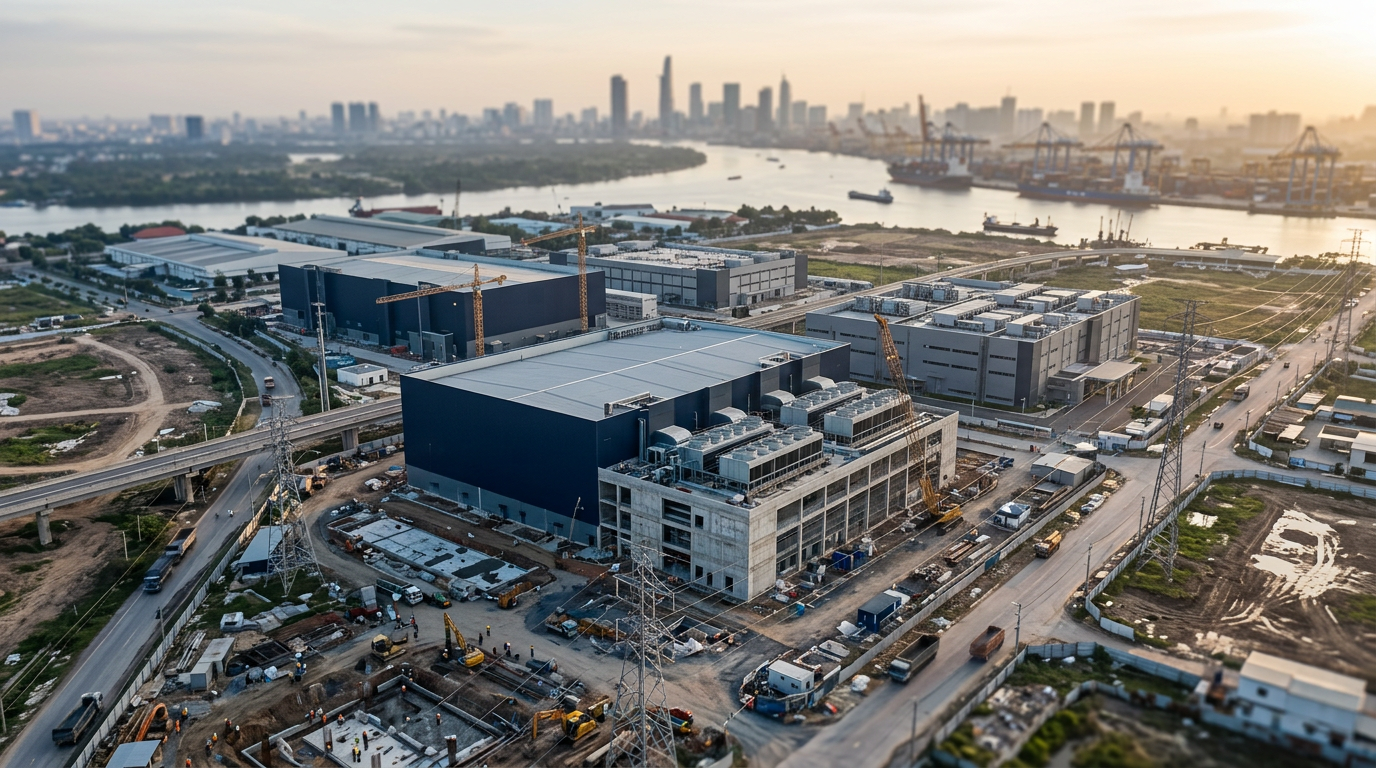
A recent report from Cushman & Wakefield highlights Vietnam's growing pipeline of hyperscale data centers, noting the country is currently underserved in this critical digital infrastructure category. As reported by VnExpress, the real estate services firm sees rising demand and a significant development pipeline. While this interest from foreign investors is a positive signal, turning these announcements into operational assets will test Vietnam's capacity for execution.
From Ambition to Assets
Vietnam has clear digital economy ambitions, supported by a young, tech-savvy population and a growing manufacturing sector that requires robust data infrastructure. The government's National Digital Transformation Program to 2025, with a vision toward 2030, provides a policy framework for this growth. The planned influx of investment into data centers is a direct result of these ambitions. However, the path from announced foreign direct investment (FDI) to a fully commissioned hyperscale facility is long and complex. The primary obstacles are not in the digital realm but in the physical one: securing land, navigating permit processes, and ensuring reliable power supply. These are the foundational elements that determine whether a project moves from a press release to a concrete reality.
The Institutional Test
Building and operating data centers requires a specific and reliable class of infrastructure. These facilities consume enormous amounts of electricity and require uninterruptible, high-quality power. They also need access to land with clear title, fiber optic connectivity, and a pool of skilled technicians and engineers. As the book "ASEAN Rising" notes, "FDI announcements travel quickly. Realised flows depend on the slower work of land, permits, power and talent reaching the ground." While the original context was Indonesia, the principle applies directly to Vietnam. The country's ability to streamline administrative procedures and provide dependable utilities will be the deciding factor in its success. Strong institutions are required to coordinate across different government agencies and with the private sector to ensure these complex requirements are met efficiently.
Capital and Talent
Beyond physical infrastructure, the development of a data center ecosystem requires deep pools of both capital and talent. The Cushman & Wakefield report signals that international capital is available, attracted by the growth prospects. The test is whether the domestic regulatory and financial environment can effectively absorb and deploy this capital. Simultaneously, the demand for specialized talent will increase. Vietnam will need to cultivate a workforce with expertise in data center operations, cloud computing, and cybersecurity. This involves long-term investment in education and vocational training. The availability of this skilled labor will be as important as the availability of land and power in attracting and retaining world-class data center operators.
What to watch next is how effectively Vietnam's national and provincial authorities can facilitate these large-scale projects. The key indicator of success will not be the number of memorandums of understanding signed, but the speed and predictability of the approval process for construction, grid connection, and operating licenses. The successful launch of the first few hyperscale projects will build confidence for further investment and establish a track record of execution.