Vietnam
's Infrastructure Push Tests State Capacity
Hanoi is looking for new ways to fund its ambitious expressway buildout. Execution will be a test of institutional reliability.
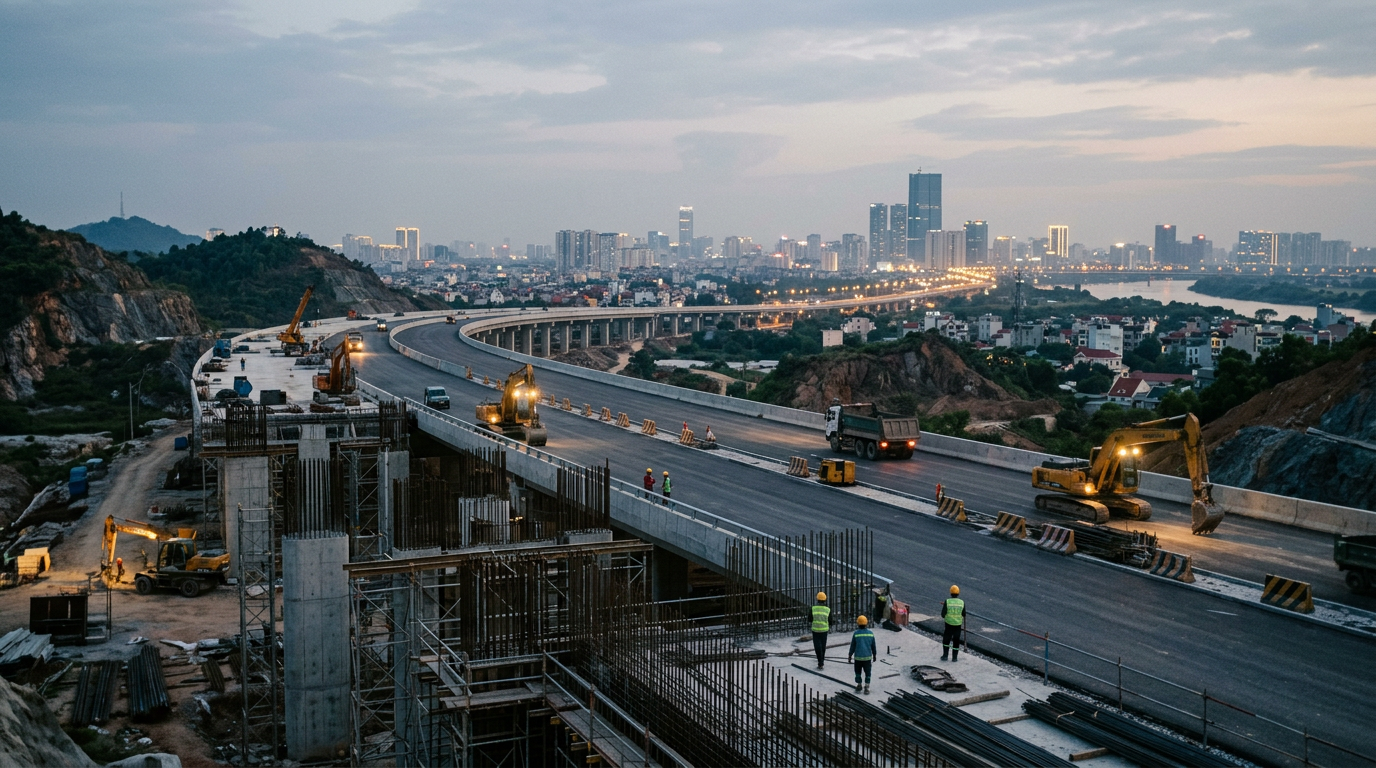
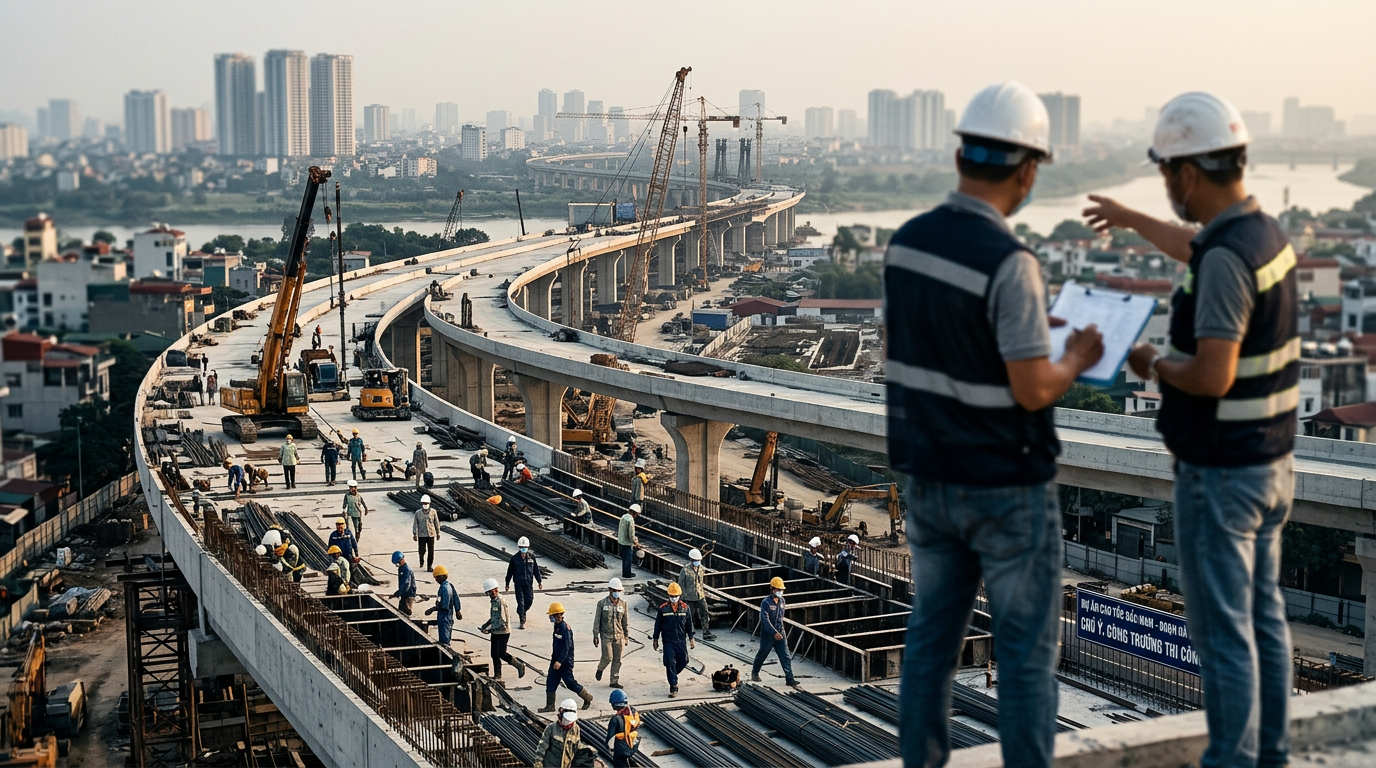
Vietnam is increasing its efforts to bring private capital into its ambitious expressway development program, according to a recent report from Vietnam Investment Review. The government aims to have 3,000km of expressways by 2025 and 5,000km by 2030, a significant jump from the current network. Attracting private investment is a core part of the strategy, but Hanoi has historically found it difficult to close public-private partnership (PPP) deals in the transport sector.
The PPP Problem
Historically, Vietnam has struggled to structure transport PPPs in a way that attracts significant private investment. Issues around revenue sharing, traffic volume guarantees, and risk allocation have often made these projects less appealing to investors compared to opportunities in other sectors like energy. The government has traditionally favored a model where it takes on a large portion of the initial capital cost, but the scale of the current expressway plan requires a more diverse and sustainable funding model. The latest push involves refining the legal and financial frameworks to make the projects more bankable and to standardize the procurement process, aiming to reduce friction for foreign and domestic capital.
Execution as a Signal
This renewed focus on infrastructure PPPs is a direct test of Vietnam's state capacity. As the book "ASEAN Rising" notes, the ability to deliver complex projects is a key differentiator for emerging economies. It is not just about announcing ambitious targets, but about the methodical execution of plans and the creation of a reliable regulatory environment. The book argues that "infrastructure that arrives on time signals more than infrastructure that is merely announced." The success or failure of this expressway funding initiative will send a clear signal to international investors about the predictability and reliability of Vietnam's institutions. A transparent, consistent approach can build trust and lower the cost of capital for future projects, creating a positive feedback loop.
Beyond the Build
The ultimate goal of building thousands of kilometers of new expressways is to reduce logistics costs, connect industrial zones to ports, and improve national connectivity. This physical infrastructure is a necessary, but not sufficient, condition for economic growth. The real value comes from the institutional infrastructure that underpins it. Efficient customs clearance, streamlined regulations, and a skilled workforce are all part of the equation. Vietnam's push to improve its physical infrastructure is a large-scale test of its administrative and legal capacity to manage complex, long-term projects with private partners.
What to watch
Keep an eye on the specific terms offered in the next round of expressway PPP tenders in Vietnam. The details of risk sharing, revenue models, and government guarantees will determine whether this new push successfully attracts the required private capital. The level of investor interest will be a strong indicator of their confidence in Vietnam's institutional capacity and its commitment to a predictable regulatory framework.