Vietnam
's Tech Ambitions Test Its Talent and Infrastructure
Vietnam is attracting significant interest from technology investors. However, turning this interest into realised investment will depend on developing a skilled workforce and improving infrastructure.
A recent report from The Star highlights a growing consensus: for Vietnam to capture the next wave of high-tech investment in fields like AI and semiconductors, it must cultivate a highly skilled workforce and upgrade its infrastructure. While the country has seen a surge in interest from global technology firms, translating announcements into tangible operations is a more complex task.
The Talent Bottleneck
Vietnam's demographic strengths, including a large and youthful population, have long been a selling point for investors. However, the specific demands of the semiconductor and AI industries require more than just labour availability. These sectors depend on a deep pool of engineers, technicians, and researchers with specialized training in areas like chip design, fabrication, and machine learning.
Experts point to a current shortage of such talent as a primary obstacle. While the government has announced initiatives to train tens of thousands of engineers, building a competent workforce takes time and sustained investment in education and vocational programs. The competition for skilled professionals is global, and Vietnam must create an environment that not only trains but also retains its best and brightest.
Infrastructure and Execution
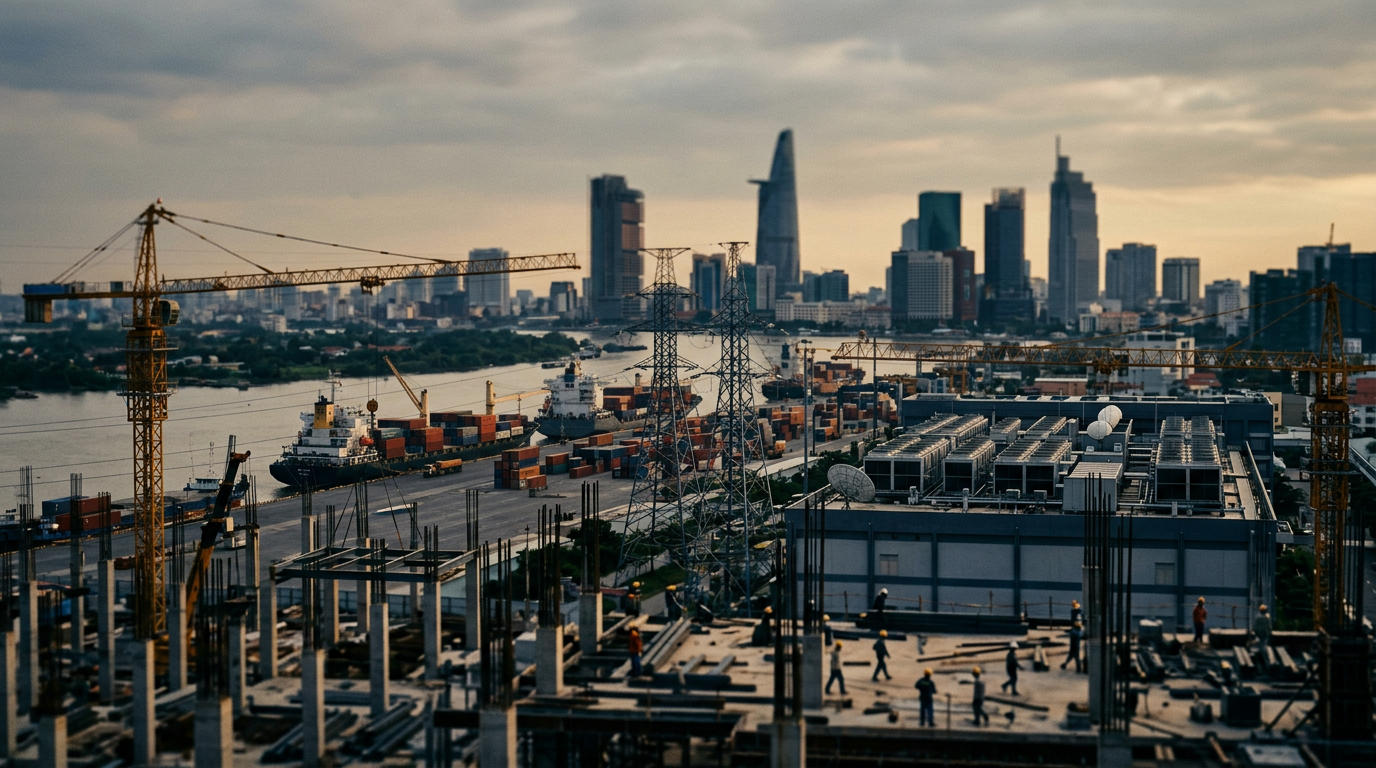
Beyond human capital, the successful execution of high-tech manufacturing projects requires robust and reliable infrastructure. This includes stable power grids, efficient logistics, and a transparent regulatory environment. As the book "ASEAN Rising" notes, "Realised flows depend on the slower work of land, permits, power and talent reaching the ground."
For advanced manufacturing, the requirements are even more stringent. Semiconductor fabrication plants, for example, are famously sensitive to vibrations and power fluctuations and require immense amounts of clean water and uninterrupted electricity. While Vietnam has made strides in infrastructure development, servicing the needs of these demanding industries will require significant further upgrades. Navigating the administrative path to secure land, permits, and utility connections must be streamlined to match the pace of global investment.
From Interest to Investment
Vietnam has successfully positioned itself as a key node in the global electronics supply chain. The government's strategic focus on attracting high-value industries is clear. The challenge now is one of execution. The global interest is a strong signal of Vietnam's perceived potential. The next step is to build the institutional capacity to convert that potential into realised, long-term investment that drives the country's economic future.
What to watch: Observers will be monitoring not just foreign direct investment announcements, but also progress on Vietnam's stated goals for workforce development and infrastructure upgrades. The success of pilot training programs for semiconductor engineers and the timeline for key power and transport projects will be leading indicators of the country's ability to meet the demands of the next generation of technology manufacturing.