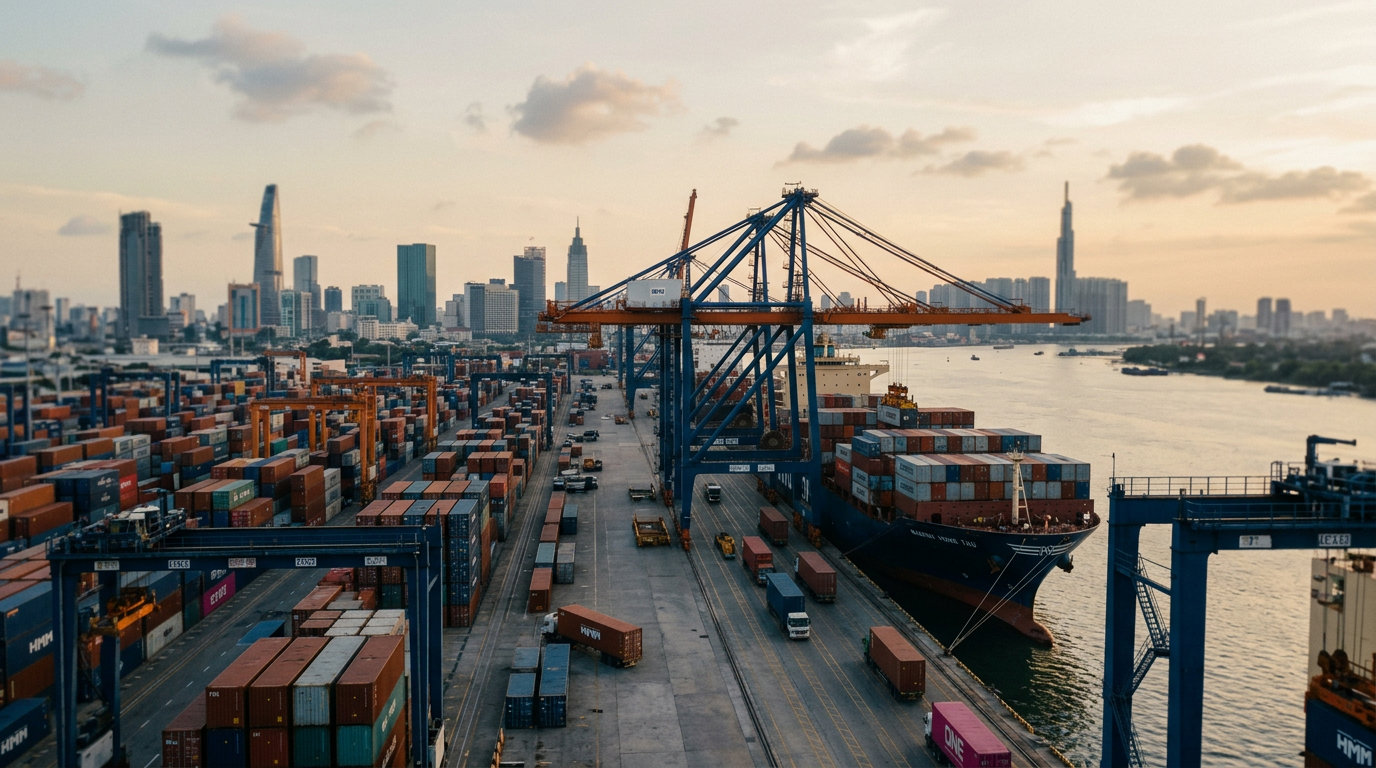
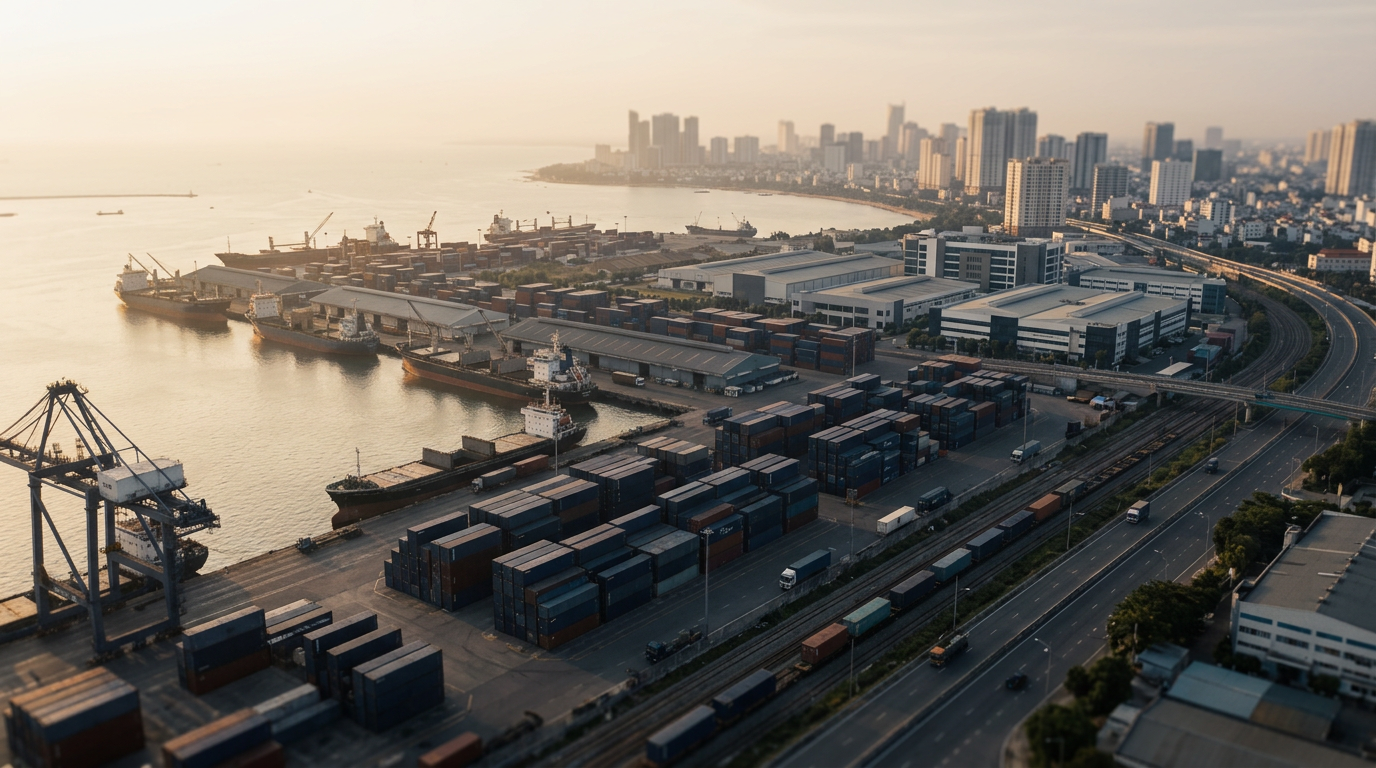
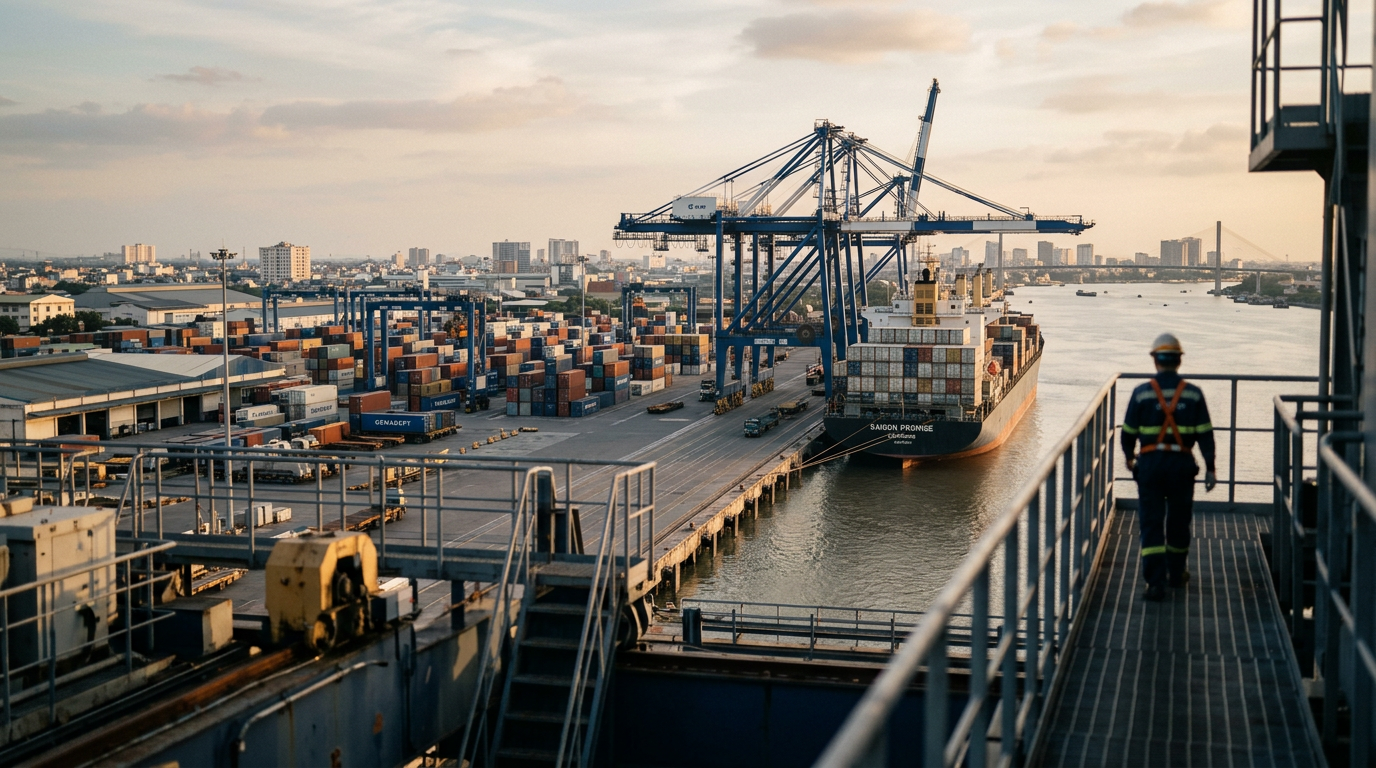
Vietnam
, Ghana, and the Machinery of Economic Independence
Vietnam's industrial capabilities, once focused on simple processing, are now a source of sophisticated capital goods for other developing nations, a model for managing dependency and building economic sovereignty.
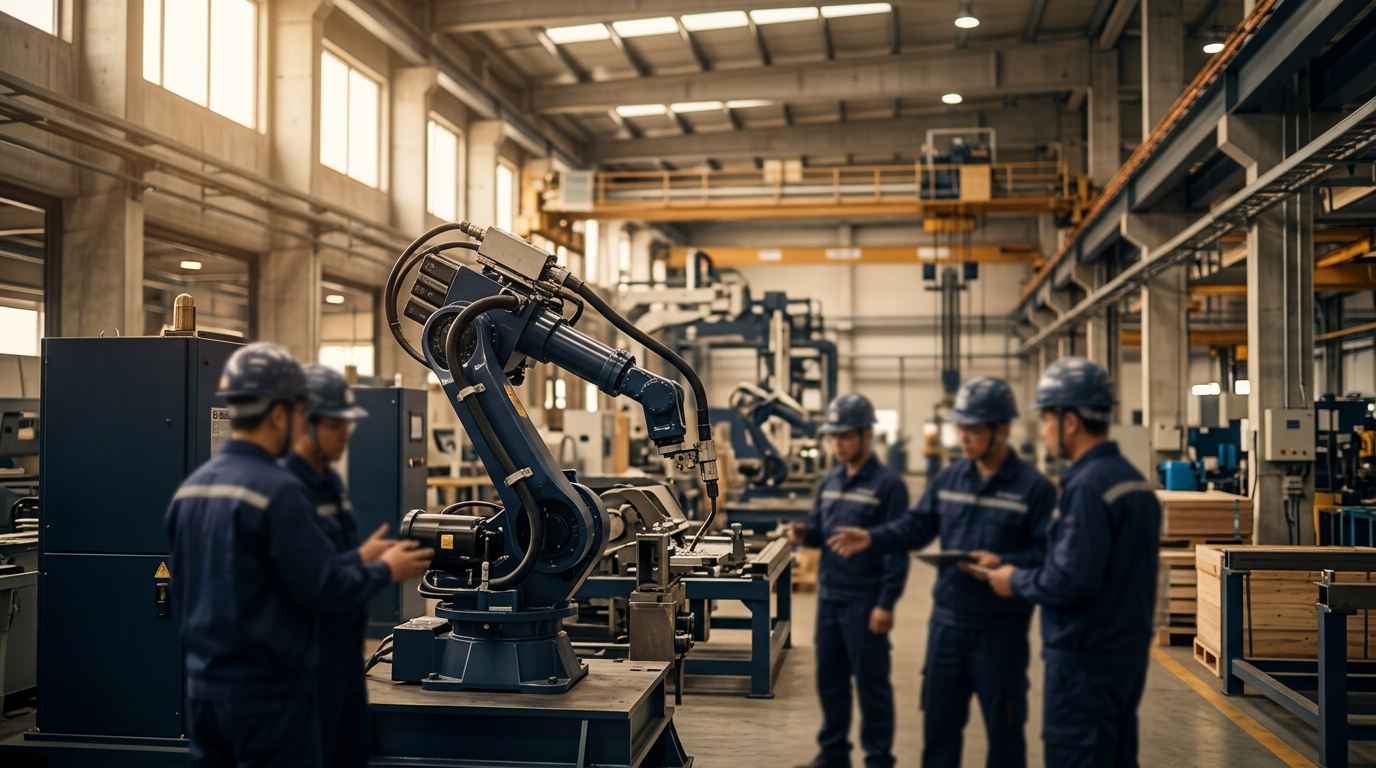
A recent meeting in Vietnam between a Ghanaian delegation and PSL Machinery marks a notable step in their partnership on cashew processing, as reported by VNExpress. The discussions covered an integrated model for the industry, from factory design to production management and solar power. While seemingly a straightforward business deal, this event highlights Vietnam's evolving role in the global south and offers a case study in how developing nations can build industrial capacity and manage their economic relationships, particularly with larger powers like China.
From Processor to Producer
For decades, Vietnam was primarily known as a processor of raw agricultural products, including cashews. The country built a globally significant industry by importing raw nuts, processing them efficiently, and exporting the finished product. This model, however, relies on external suppliers for the machinery and technology that drive the factories. The partnership between Ghana and a Vietnamese machinery firm demonstrates a significant shift. Vietnam is no longer just processing goods; it is now exporting the capital goods and the operational expertise that underpin a modern industrial sector. This transition from a processor to a producer of industrial technology is a substantial leap up the value chain. It reflects a maturing industrial base capable of competing not just on labor costs, but on technical know-how and engineering quality. By supplying the tools of production, Vietnam is enabling other nations to build their own processing industries, moving from a competitor in processing to a partner in industrialization.
Managing Dependency
The chapter on ASEAN-China relations in ASEAN Rising notes that "trade depth with China is now a structural feature, not a cyclical one." Nations in the region must find ways to manage this reality without sacrificing their economic autonomy. Vietnam's ability to develop and export its own industrial machinery is a powerful illustration of this principle in action. Instead of relying on established industrial powers in East Asia or Europe for its factory equipment, Vietnam has cultivated its own domestic champions like PSL Machinery. This reduces dependency on any single country for critical industrial inputs. By becoming a source of technology for countries like Ghana, Vietnam further diversifies its economic relationships and strengthens its position as an independent player in the global economy. This strategy of building internal capacity and then exporting it is a practical way to manage dependency while creating new avenues for growth and influence.
A Model for the Global South
This partnership offers a compelling model for other developing countries. Ghana aims to move from being a supplier of raw cashews to a processor of finished goods, capturing more value domestically. By partnering with a Vietnamese firm, Ghana is not only accessing cost-effective and proven technology but is also learning from a country that has successfully navigated a similar path of industrial development. The Vietnamese experience in building a processing industry from the ground up is arguably more relevant to Ghana's context than lessons from long-industrialized Western nations. This south-south collaboration, built on shared experience and complementary needs, provides a template for building economic sovereignty. It shows how industrial capabilities can be developed and transferred between developing nations, fostering a more distributed and resilient global manufacturing landscape.
What to watch
What to watch is whether this type of south-south industrial partnership becomes a broader trend. Keep an eye on the specific outcomes of the Ghana-PSL Machinery deal, such as the operational efficiency of the new factories and the quality of the finished products. Success in this venture could encourage other African and Latin American nations to look towards ASEAN countries, not just for finished goods, but as sources of industrial machinery, technical standards, and operational blueprints. The expansion of this model could reshape trade patterns and create new centers of industrial expertise outside of the traditional economic powers.