Vietnam
's Data Center Ambitions Test Its Institutions
Vietnam's digital economy is attracting investor interest in hyperscale data centers, but realising this ambition requires more than just scale. It is a test of institutional capacity to deliver the land, power, and talent needed for complex digital infrastructure projects.
Real estate services firm Cushman & Wakefield is the latest to highlight Vietnam's underserved, high-growth market for hyperscale data centers, as reported by VNExpress International. The firm notes that while Vietnam has a large internet user base and a fast-growing digital economy, its data center capacity lags behind regional peers like Malaysia, Thailand, and Indonesia. With a significant development pipeline identified, the focus now shifts from attracting investment to executing on the ground.
From Ambition to Execution
Vietnam's appeal is clear. A population of 100 million, high internet penetration, and strong e-commerce growth create immense demand for data storage and processing. This scale attracts investor interest. However, as noted in the book ASEAN Rising, "scale matters only when institutions can turn it into investable depth." The gap between attracting foreign direct investment announcements and seeing those projects come to fruition is bridged by institutional effectiveness.
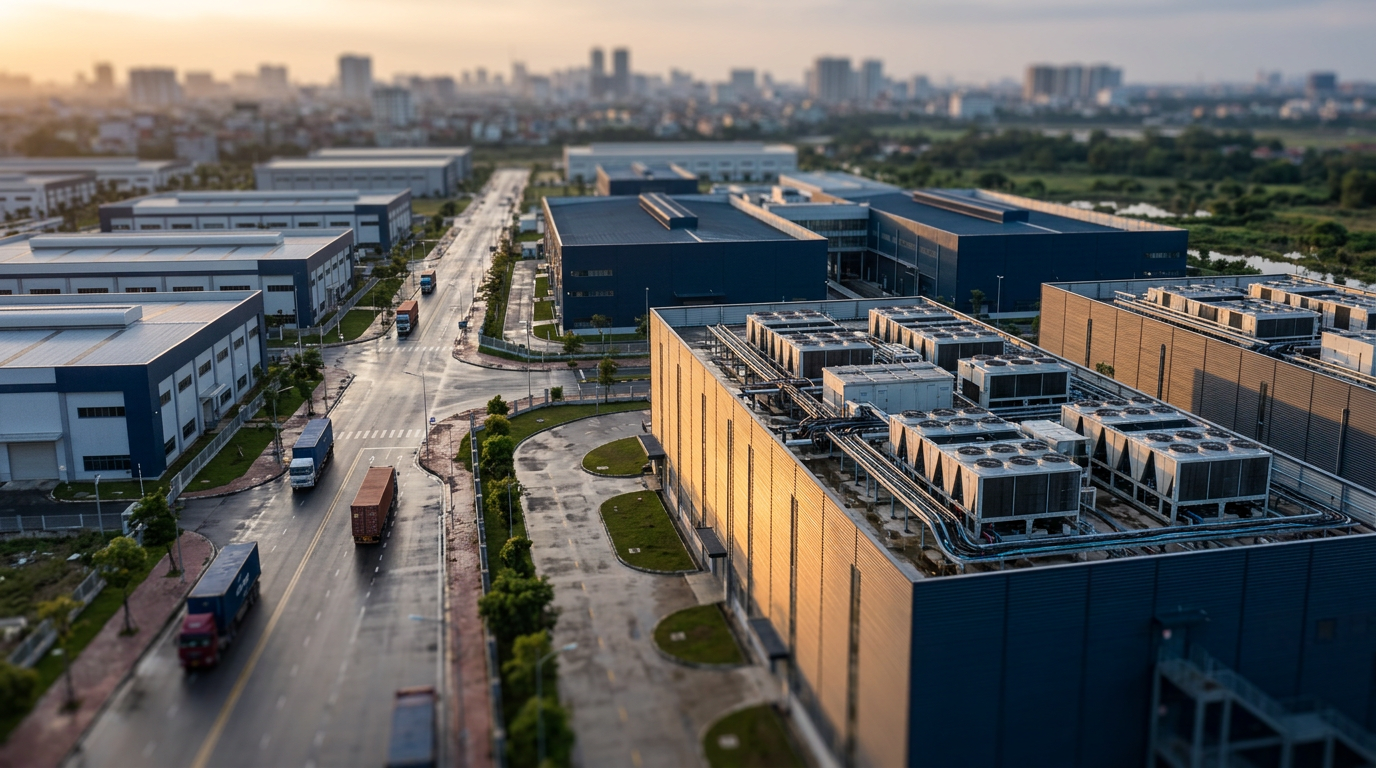
The development of hyperscale data centers is a complex undertaking that tests the limits of this effectiveness. These facilities have demanding requirements that go far beyond a simple building. They are vast consumers of energy, requiring stable and redundant power grids. They need access to fiber optic networks for connectivity. They also require large, secure plots of land, often in specific locations that balance proximity to urban centers with physical security and hazard mitigation.
The Infrastructure Foundation
The core challenge for Vietnam is whether its existing infrastructure and regulatory frameworks can support this new class of digital asset. Cushman & Wakefield points to land acquisition and power availability as primary hurdles. The process of securing suitable land and obtaining the necessary permits can be slow and opaque, creating delays that erode investor confidence. Projects of this magnitude depend on predictable timelines and clear regulations.
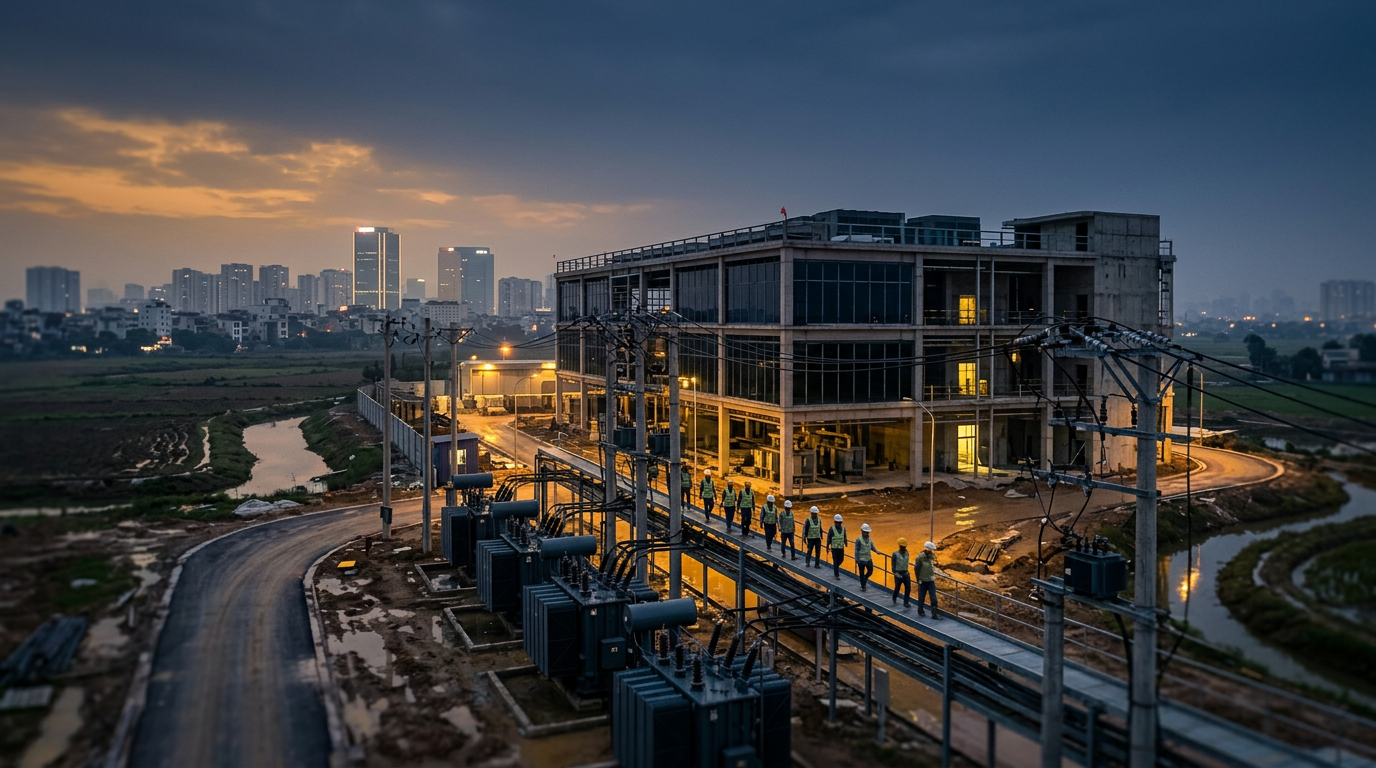
Furthermore, the energy requirements for a single hyperscale facility can be equivalent to that of a small town. Vietnam is already working to expand its energy generation and grid capacity to meet industrial and consumer demand. Adding a cluster of power-hungry data centers will place additional strain on the system. Meeting this demand will require significant investment not just in new power plants, particularly renewable energy sources, but also in the transmission and distribution infrastructure to ensure reliability.
The Talent Equation
Beyond physical infrastructure, there is the human element. Hyperscale data centers require a specialized workforce. This includes engineers for design and construction, technicians for operations and maintenance, and cybersecurity experts to protect the vast amounts of data stored within. While Vietnam has a young and technically literate population, the specific skills required to manage these advanced facilities are in short supply globally.
Developing this talent pool is a long-term project. It requires collaboration between government, industry, and educational institutions to create training programs and curricula that align with the needs of the digital economy. The ability to cultivate and retain this talent will be as important as securing land and power in establishing Vietnam as a competitive data center hub. The country is not just building infrastructure; it is building the institutional and human capacity to operate it.
What to watch
The pipeline of planned data center projects in Vietnam will be a leading indicator of its institutional readiness. Observers should watch the progress of these developments, noting the time it takes to move from announcement to operation. Delays in land acquisition, power connection, or permitting will signal persistent friction in the system. Conversely, the successful and timely launch of new facilities would demonstrate a growing capacity to translate investor interest into tangible digital infrastructure.