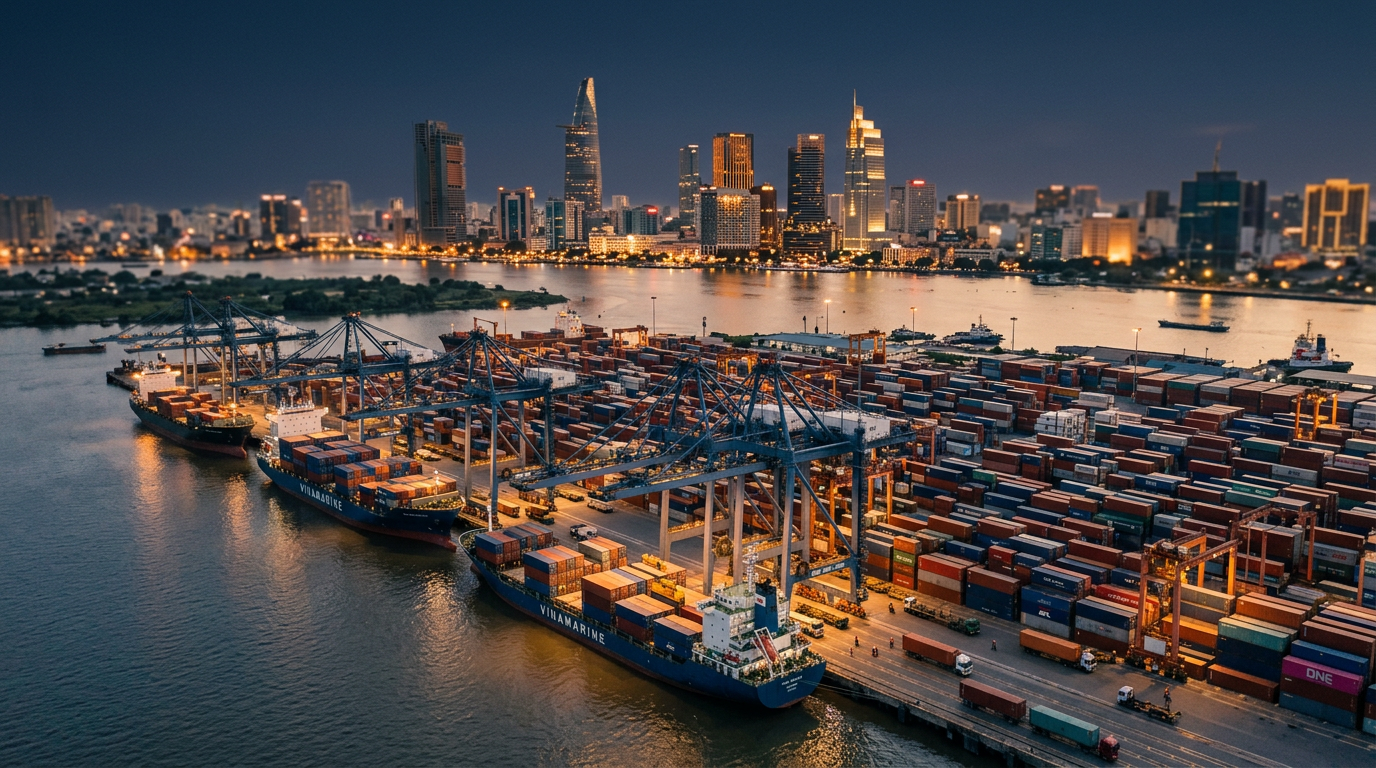
Vietnam
's Airport Delays and the Quiet Cost of Friction
Delayed infrastructure projects like airports highlight the growing importance of institutional reliability for national competitive advantage.
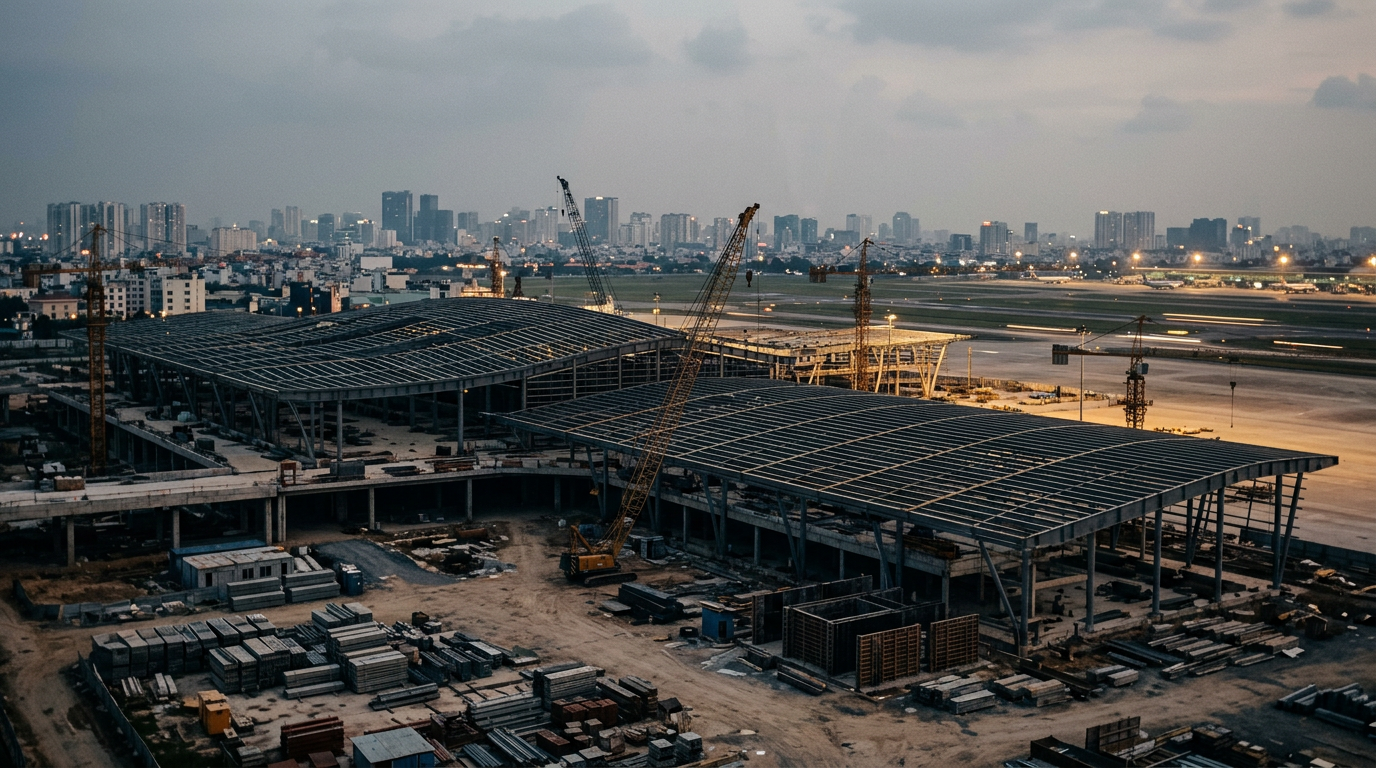
A recent analysis in the Business Times highlights the steep economic price of delays in expanding airport capacity. While the piece focuses on the broader regional trend, the situation in Vietnam, particularly with the development of Long Thanh International Airport, serves as a pointed case study. The project, intended to alleviate pressure on the overburdened Tan Son Nhat International Airport in Ho Chi Minh City, has faced repeated setbacks, pushing its operational timeline further into the future. These delays are more than just a logistical headache; they represent a significant, if often uncounted, cost of institutional friction.
The Price of Waiting
Infrastructure projects are a physical manifestation of a state's capacity to execute its plans. As outlined in "ASEAN Rising", the ability to deliver complex projects on schedule is a powerful signal to international investors and domestic businesses alike. The delays in Vietnam's aviation sector are a case in point. Every month that a project like Long Thanh is not operational, the economy absorbs the cost of congestion, missed trade opportunities, and dampened tourism growth. The initial glamour of announcing a large-scale project fades quickly when ground is not broken or when deadlines are repeatedly missed. This is where institutional friction-the bureaucratic, political, and financial hurdles that slow down execution-imposes a real and mounting economic burden.
Reliability as an Asset
The core message for policymakers is that "Institutional reliability has become part of comparative advantage." In a competitive global landscape, capital flows towards predictability. Investors and corporations planning their supply chains or service hubs look for environments where they can depend on stated timelines and government commitments. An airport that opens on time is a far more powerful economic catalyst than a more ambitious one that exists only on paper. The quiet, steady work of effective project management and transparent governance is often more valuable than bold pronouncements. For Vietnam, closing the gap between infrastructure announcements and their timely completion is a direct investment in its national competitiveness.
What to watch: Observers should monitor the revised timelines for Long Thanh's construction and the government's ability to streamline the administrative processes that have caused previous delays. The pace of execution on this single project will serve as a strong indicator of Vietnam's institutional capacity to manage the next phase of its economic development, signaling whether friction or follow-through will define its infrastructure landscape.