Vietnam
's Expressway Push Tests its State Capacity
Hanoi wants to double the length of its expressway network by 2030, but mobilizing private capital is proving a hard test of institutional reliability.

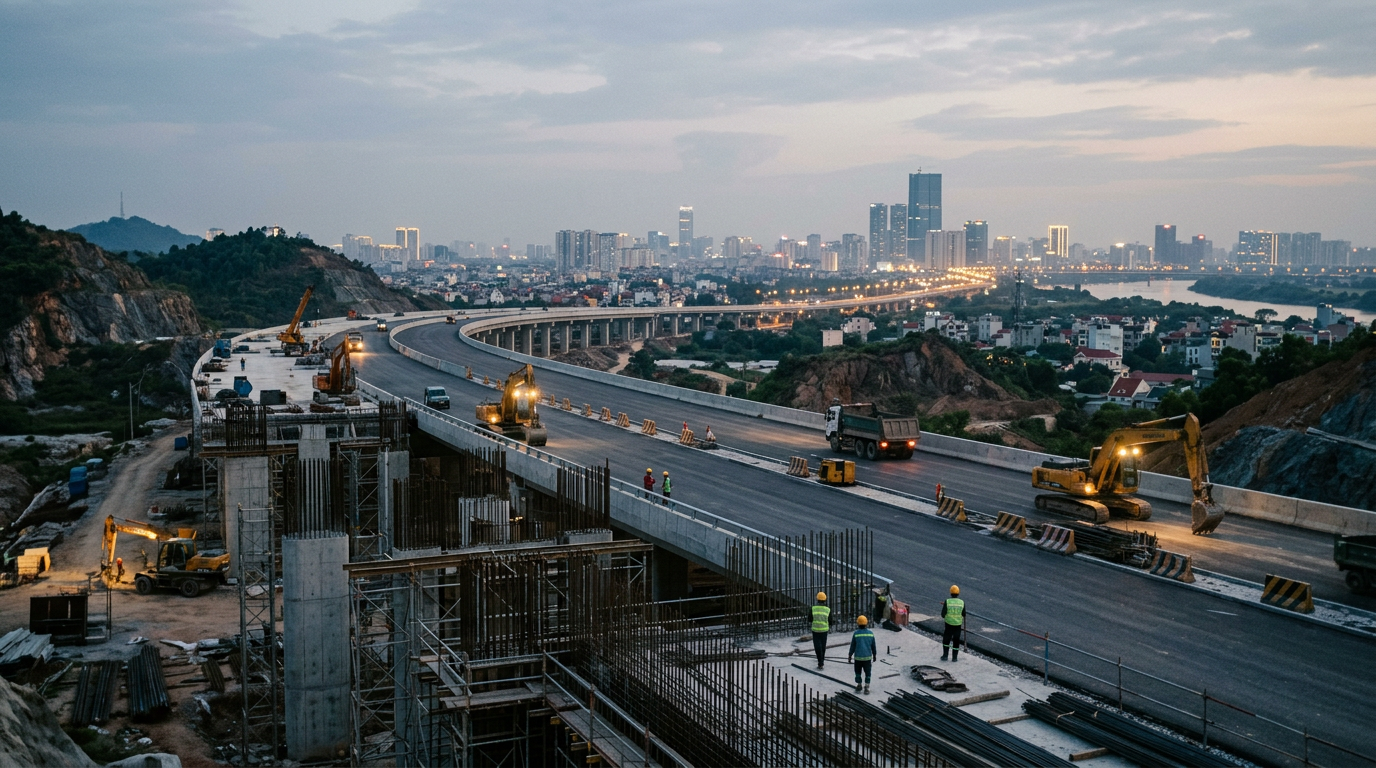
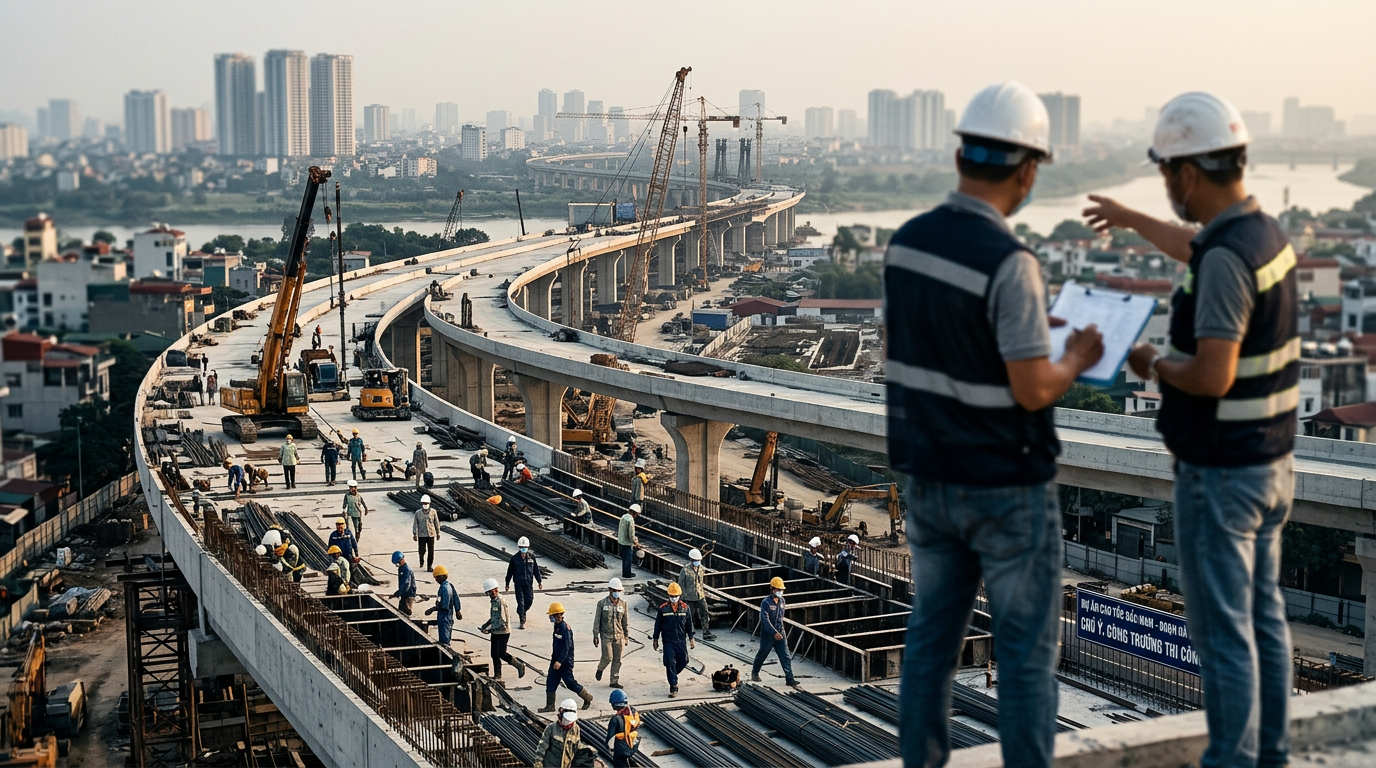
Vietnamese officials are intensifying their efforts to attract private investment for the country's ambitious expressway expansion, as reported by Vietnam Investment Review. The government aims to double the national expressway network to 3,000 kilometers by 2025 and extend it to 5,000 kilometers by 2030. This push to diversify infrastructure funding sources highlights a core theme of regional development: the race to build state capacity that can attract and effectively deploy capital.
The Infrastructure Gap
Vietnam's goals are ambitious. The plan requires significant capital, and the state budget alone is insufficient to meet the targets. This has led the Ministry of Transport to explore various public-private partnership (PPP) models. However, attracting private investors, particularly international ones, has been difficult. Past projects have faced challenges, including revenue shortfalls and disputes over cost recovery mechanisms. This experience has made investors cautious, putting the government under pressure to create more bankable and transparent project structures.
Institutions and Execution
The challenge is not simply about finding the money. As the book "ASEAN Rising" notes, building a track record of successful project execution is a powerful signal to investors. The government is attempting to improve the investment climate by revising regulations, offering revenue guarantees, and clarifying the legal framework for PPPs. The success of these reforms will depend on their practical implementation. "Institutional reliability has become part of comparative advantage," and for infrastructure, this means ensuring that projects are not just announced, but are completed on schedule and within a predictable regulatory environment. A state that can deliver on its promises is one that attracts investment.
Capital and Trust
Ultimately, the flow of private capital into Vietnam's infrastructure depends on trust. Investors need to be confident that contracts will be honored and that the risks are manageable. The government's current push involves creating a more favorable risk-sharing model, but the details will matter. The ability to structure and execute these complex financial arrangements is a direct measure of state capacity. If Vietnam can successfully mobilize private funds for its expressways, it will demonstrate a maturing institutional framework capable of undertaking complex, large-scale projects.
What to watch next is how the Vietnamese government structures the tender documents and risk-sharing arrangements for the next wave of expressway projects. The level of interest from international construction and finance firms will be a strong indicator of whether the new PPP framework is considered credible and attractive. The outcomes of these initial projects under the new model will set a precedent for years to come.