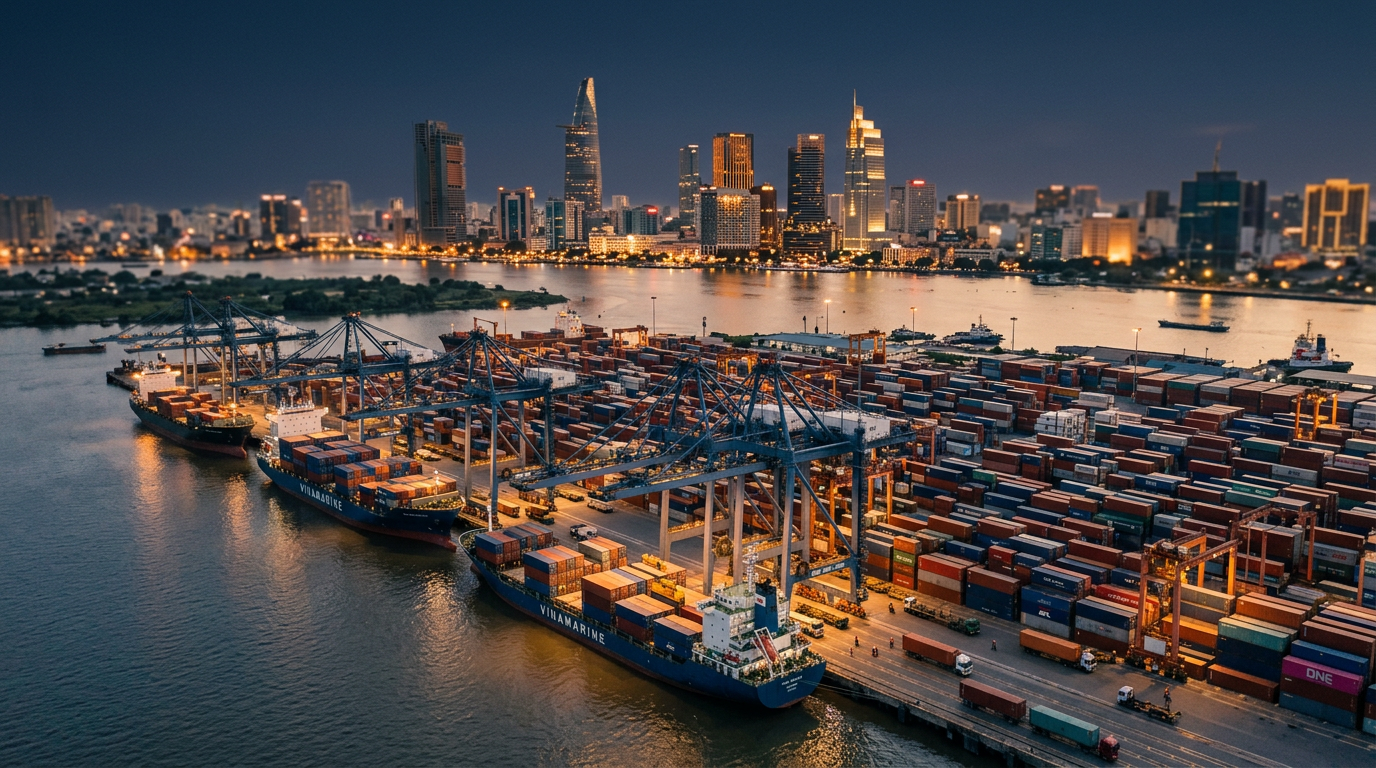
Vietnam
's Expressway Push Tests State Capacity
Vietnam aims to mobilize VND846 trillion in private capital for expressways. Success will depend on institutional quality and the state's ability to manage complex infrastructure projects.
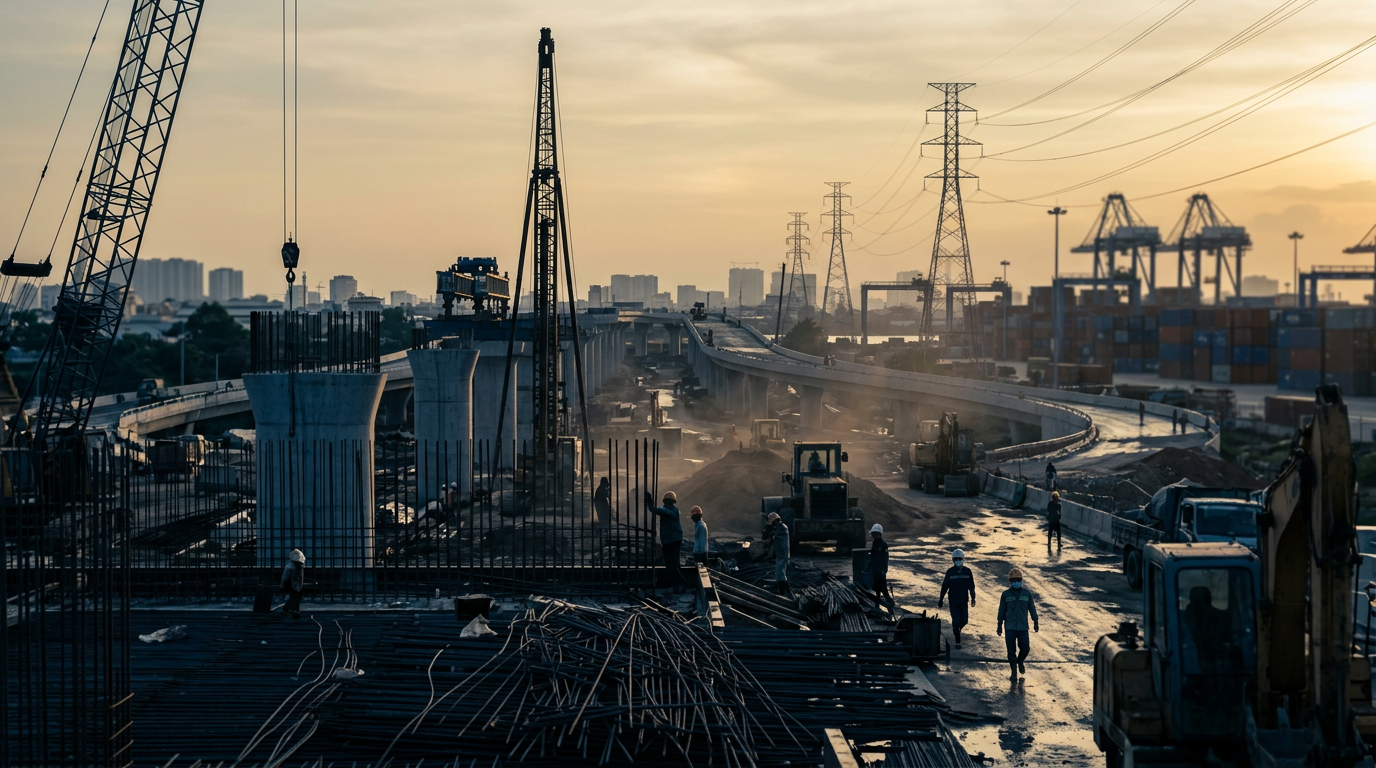
Vietnam is intensifying its campaign to draw private investment for a major expansion of its national expressway network, a move reported by Vietnam News. The government aims to mobilize approximately VND846 trillion (around US$33 billion) for 29 priority projects. The goal is to expand the country's expressway system to over 5,000 kilometers by 2030, a significant increase from the current network. This initiative tests not just the appetite of private capital, but also the institutional capacity of the Vietnamese state to deliver complex infrastructure.
The High Cost of Friction
Large-scale infrastructure projects are a classic measure of a state's effectiveness. The process involves far more than just securing financing. It requires transparent procurement, fair land acquisition, predictable regulations, and competent oversight. When these institutional components are weak, friction costs mount. Delays, disputes, and cost overruns become common, deterring the very private investors the government seeks to attract.
As the book "ASEAN Rising" notes, reducing this friction is a source of economic advantage. Countries that build a reputation for reliability in project execution are more likely to attract and retain capital. For Vietnam, the expressway plan is a national-scale test of its progress in building these institutional foundations. The ability to manage these projects efficiently will send a powerful signal to international investors about the country's overall investment climate.
From Ambition to Execution
Vietnam has set ambitious targets for its infrastructure development, but ambition does not always translate to completed projects. The government's renewed push acknowledges that public funds are insufficient to meet its goals, making private sector involvement essential. To succeed, officials will need to address longstanding investor concerns about risk allocation in public-private partnership (PPP) frameworks, particularly regarding revenue guarantees and dispute resolution mechanisms.
Institutional reliability has become a key element of national competitiveness. The simple act of announcing a project is not enough; the market now looks for evidence of execution. As the chapter on state capacity points out, "Infrastructure that arrives on time signals more than infrastructure that is merely announced." The success or failure of this expressway initiative will be measured in kilometers of pavement laid and traffic flowing, not in the value of memorandums of understanding signed.
Infrastructure and National Integration
The expansion of the expressway network is fundamental to Vietnam's economic strategy. A modern highway system will reduce logistics costs, better connect industrial zones to ports, and facilitate the movement of goods and people across the country. This physical integration is a prerequisite for leveling up economic development, spreading growth beyond the major urban centers of Hanoi and Ho Chi Minh City.
The project's success hinges on the government's ability to create a stable and attractive environment for private capital. This requires more than just policy pronouncements. It demands a usable state apparatus that can translate plans into reality. The 29 priority projects represent individual tests of this capacity, and the aggregate result will shape Vietnam's economic trajectory for the next decade.
What to watch
The key indicator to watch will be the government's ability to convert its list of priority projects into tendered and financed deals under its PPP framework. Attention should be paid to the specific terms offered to private investors and whether they are sufficient to mitigate perceived risks. The pace of land acquisition and initial construction on the first few awarded projects will also provide early evidence of whether institutional improvements are genuinely easing the path for private capital participation in Vietnam's infrastructure build-out.