
ASEAN Analysis & Commentary
Every analysis published on ASEAN Rising is sourced, datestamped and signed. We're more interested in being right in 12 months than first in 12 minutes.
Foundation pieces
Start here. The three pieces below set out the lens ASEAN Rising uses to read every story.
ASEAN Rising's core lens. Execution Economics is the study of whether countries, companies and institutions can convert obvious potential into delivered outcomes - and which six pillars decide the answer.
The region has capital, demographics, location and policy ambition. None of that has ever been the binding constraint. The next decade is an execution test, not a potential test - and it is already being scored.
Malaysia is the test case for whether ASEAN's middle powers can turn FDI, semiconductors and data centres into compounding domestic capability. Read the live coverage and execution scorecard.
Analysis tagged #state capacity
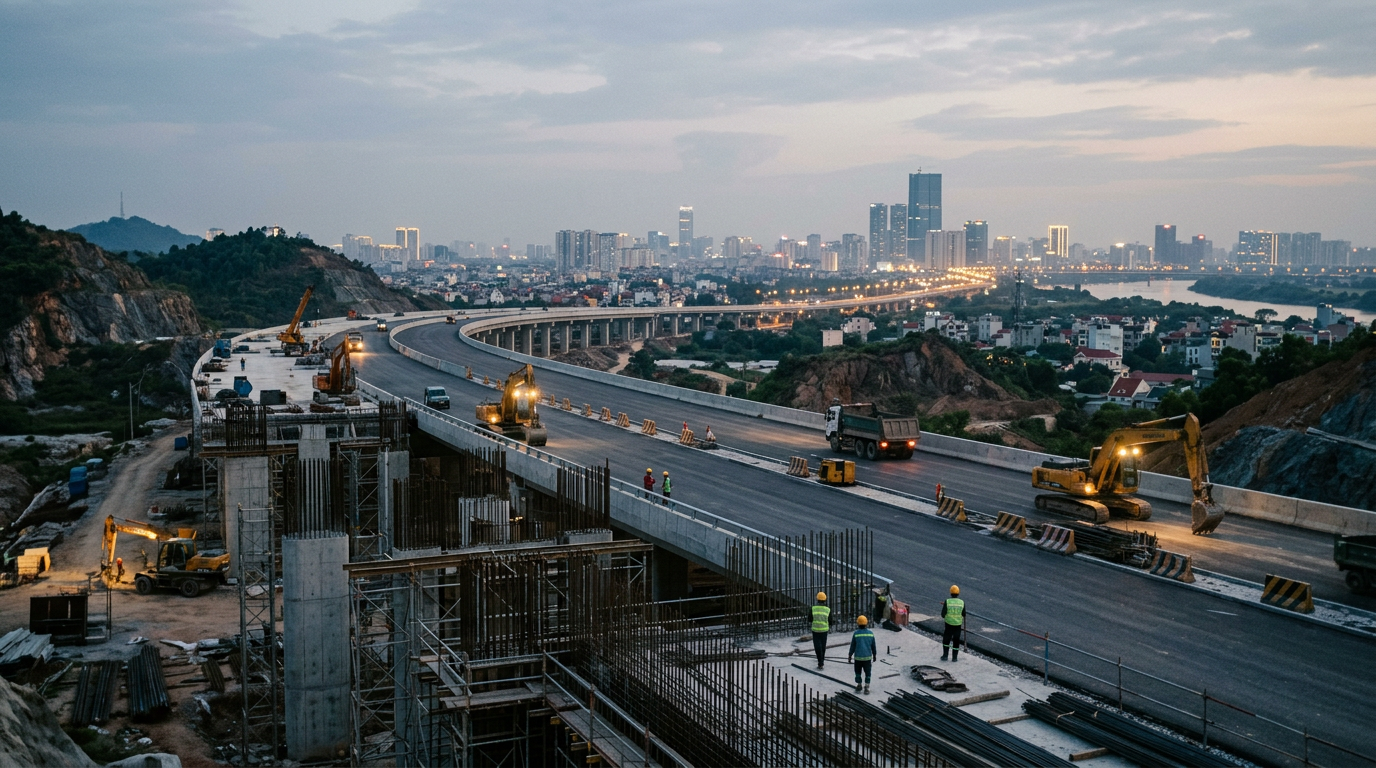
 Vietnam
's Infrastructure Push Tests State Capacity
Hanoi is looking for new ways to fund its ambitious expressway buildout. Execution will be a test of institutional reliability.
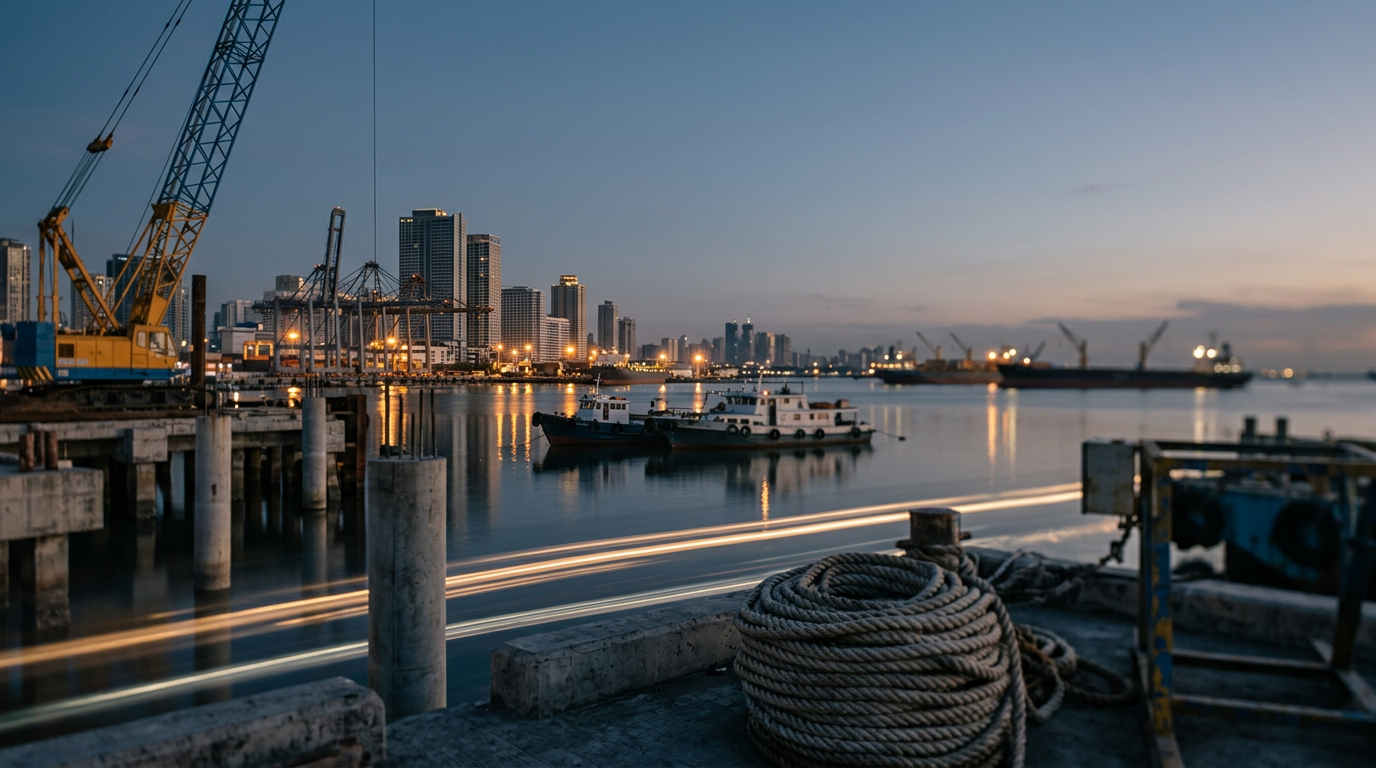
 Philippines
Manila's Cruise Port Plan and the Value of a Usable State
A planned P5-billion cruise port in Manila highlights the difference between announcing infrastructure and delivering it, a core theme in ASEAN's development.
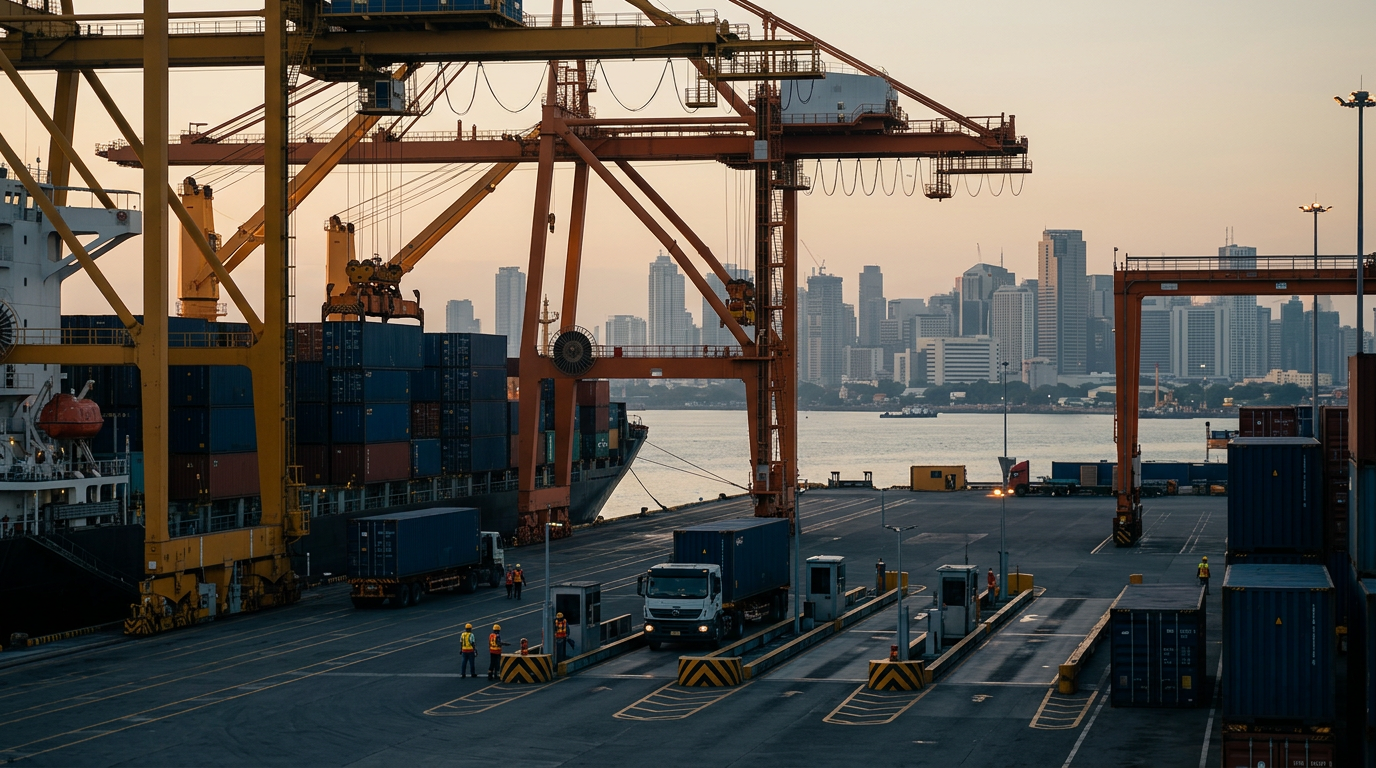 Philippines
The Weight of Trust: ASEAN Harmonizes Trade Infrastructure
A recent ASEAN-wide training on smart weighing systems highlights a deeper truth: for the region to capitalize on its economic potential, the boring details of institutional execution matter more than exciting announcements. The path to prosperity is paved with reliable.
 Vietnam
 Seeks Private Capital for Expressway Expansion
Vietnam is seeking approximately VND846 trillion in private capital for 29 priority projects to expand its expressway network. This highlights a broader ASEAN theme: the push for reliable infrastructure development as a core component of economic competitiveness.
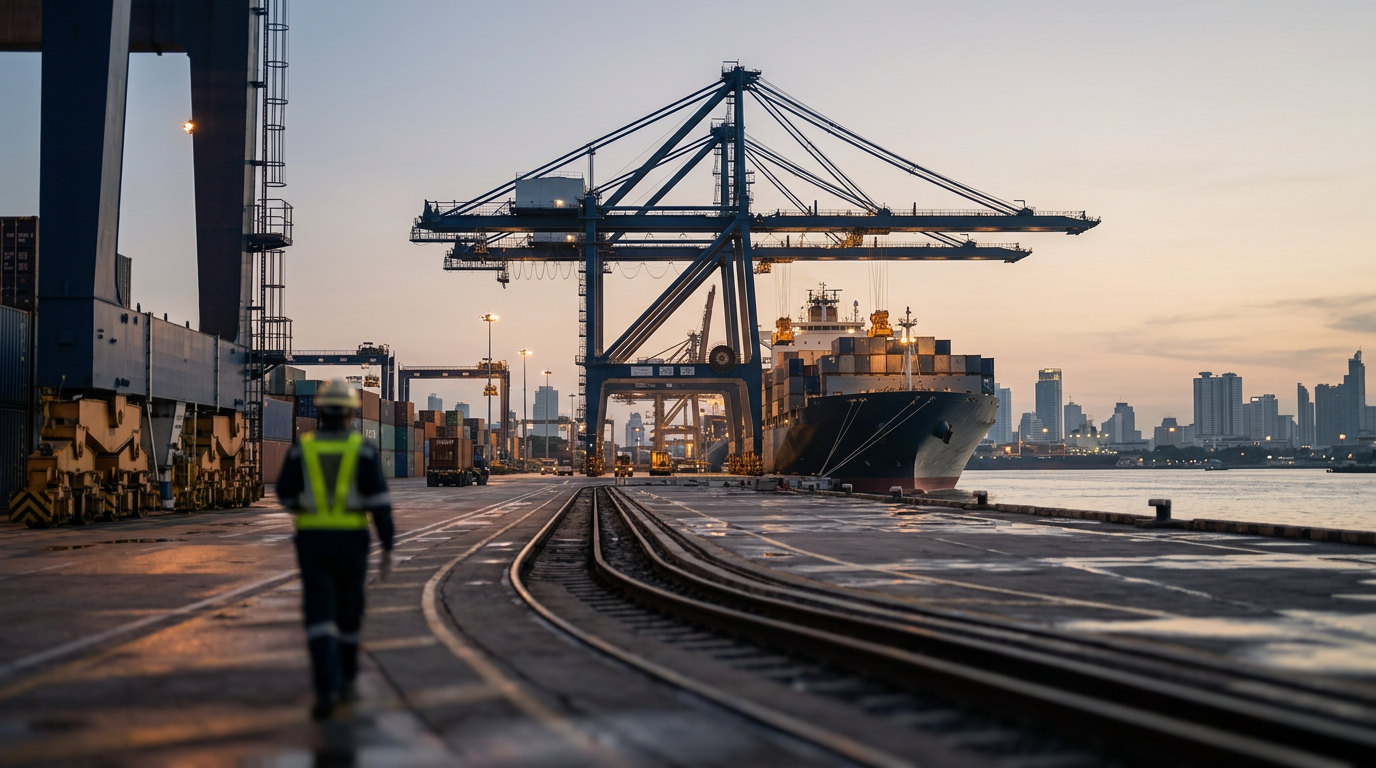
 Thailand
The Quiet Signal of ASEAN Infrastructure That Works
Well-executed infrastructure projects signal institutional capacity and attract long-term investment. They are more than just concrete and steel; they are a sign of a reliable state, which has become a key part of comparative advantage.
 Brunei
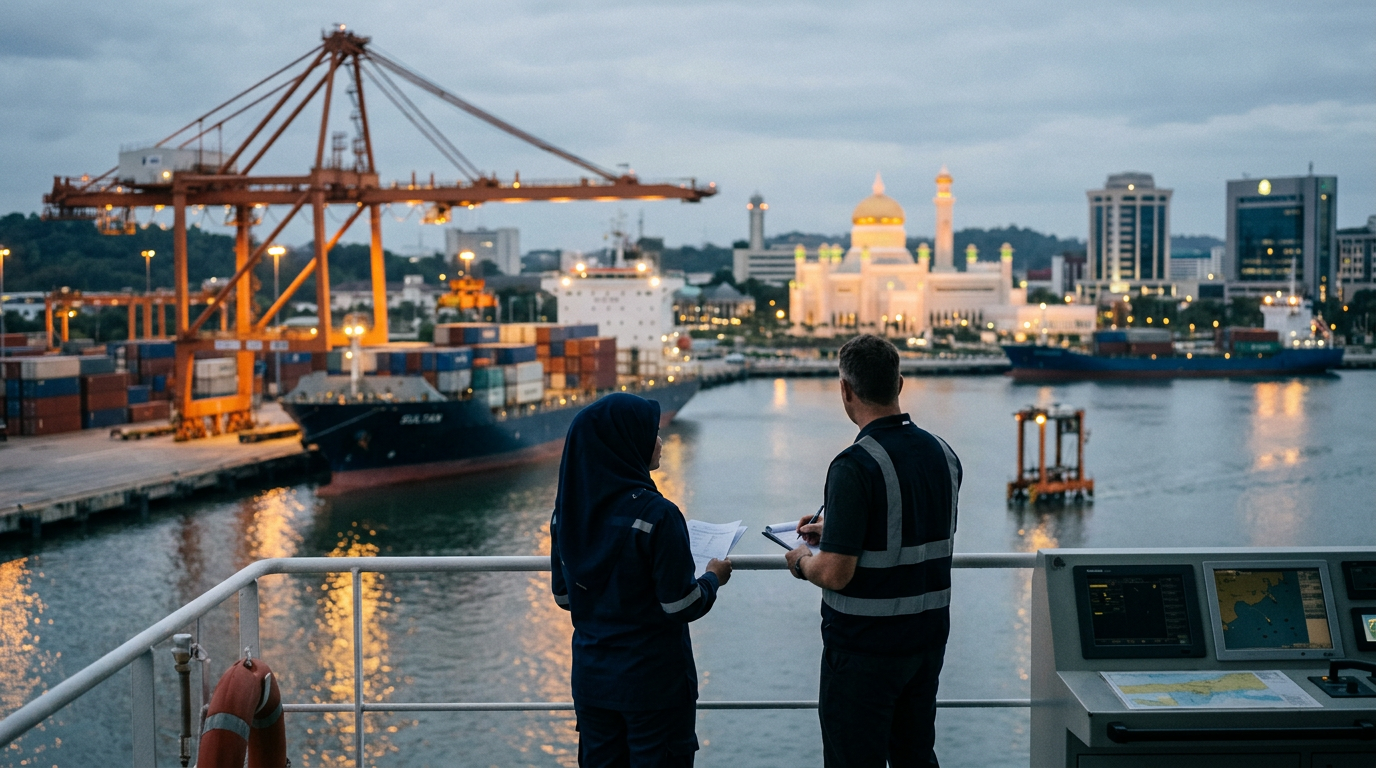
ASEAN and Australia: A Partnership Built on Practical Cooperation
The recent interview with ASEAN's Secretary-General highlights a partnership with Australia that is less about grand pronouncements and more about the steady, practical work of building institutions and delivering on commitments.
 Vietnam
ASEAN Biodiversity Action and the Science of State Capacity
The ASEAN Centre for Biodiversity demonstrates the concrete benefits of institutional capacity. Reliable execution is a form of comparative advantage.
 Vietnam
The Hard Work of ASEAN Biodiversity
High-level statements on biodiversity are easy to make. The hard work is in the execution, which demands institutional capacity and follow-through.
 Vietnam
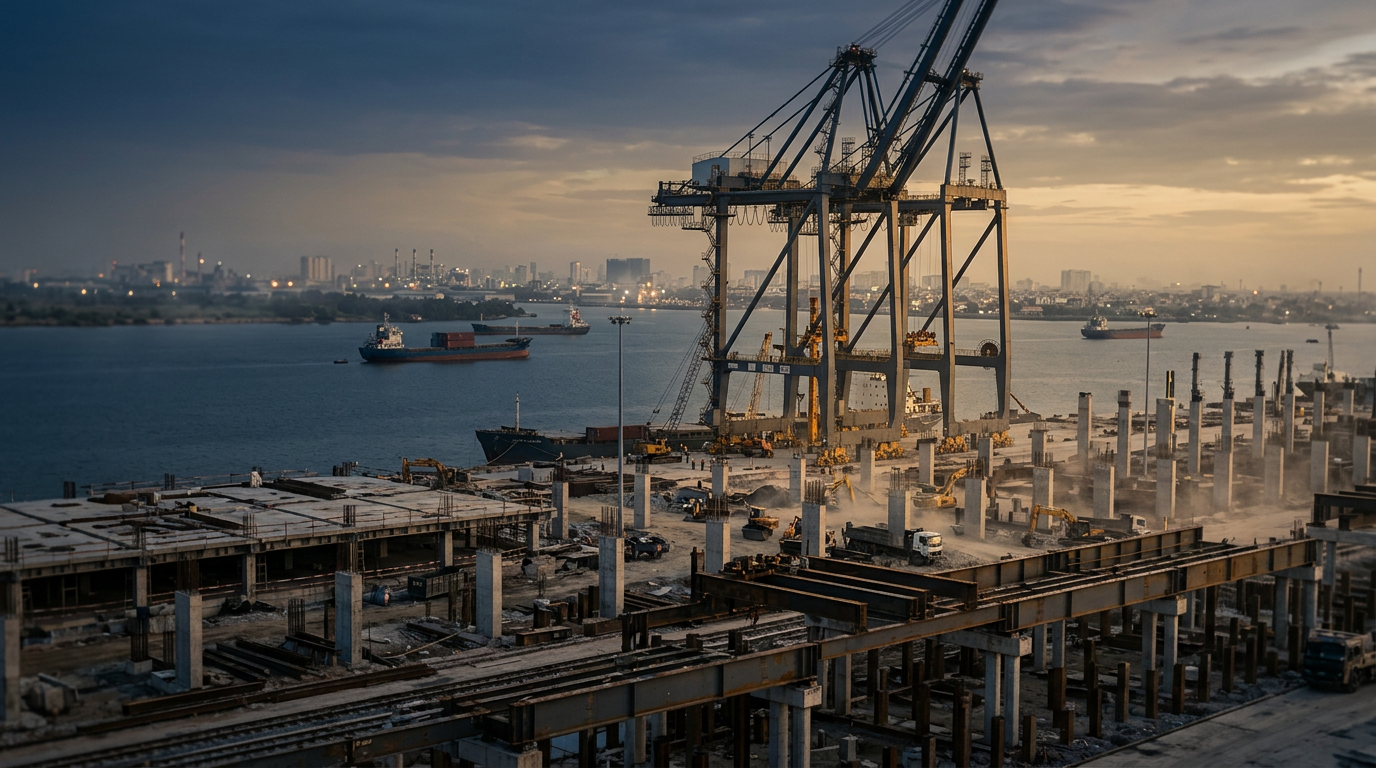
The Hard Work of ASEAN Biodiversity
ASEAN's biodiversity goals depend on more than high-level commitments. The region's success will be determined by the patient work of building institutional capacity and delivering reliable infrastructure.
 Vietnam
ASEAN Biodiversity Action and the Reliability Test
The ASEAN Centre for Biodiversity is a good first step, but the real measure of success is institutional reliability and consistent execution.
 Vietnam
ASEAN Biodiversity Action and the Usable State
ASEAN biodiversity initiatives are a case study in the gap between high-level pronouncements and the institutional capacity required for execution.
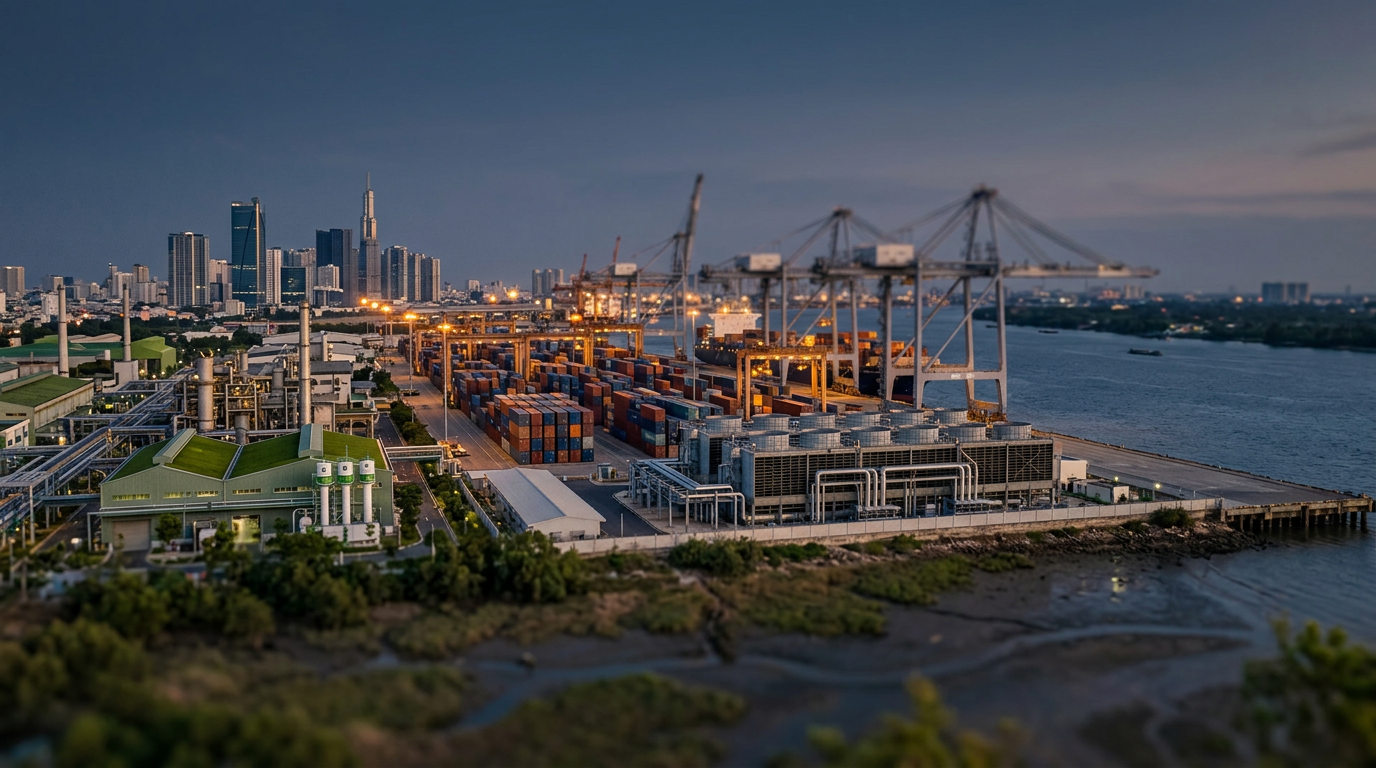 Vietnam
The Hard Work of ASEAN Biodiversity
Translating high-level biodiversity commitments into concrete action requires robust institutional capacity and a focus on execution, a theme central to sustainable development as outlined in "ASEAN Rising".
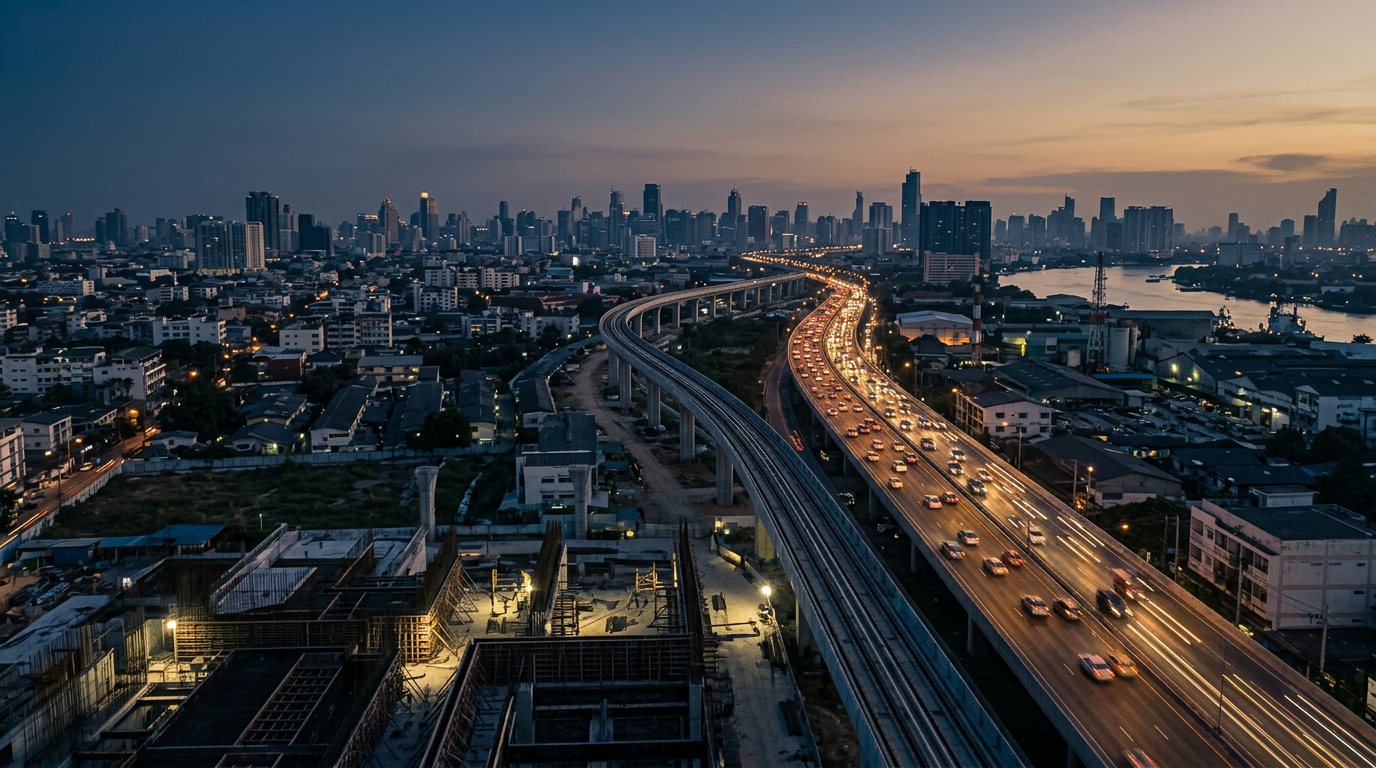 Thailand
The Quiet Signal of Infrastructure That Arrives On Time
In Southeast Asia, the link between reliable state capacity and economic reality is becoming clearer. Infrastructure that is delivered on time signals more than just project completion; it is a direct indicator of institutional reliability and a foundation for durable growth.
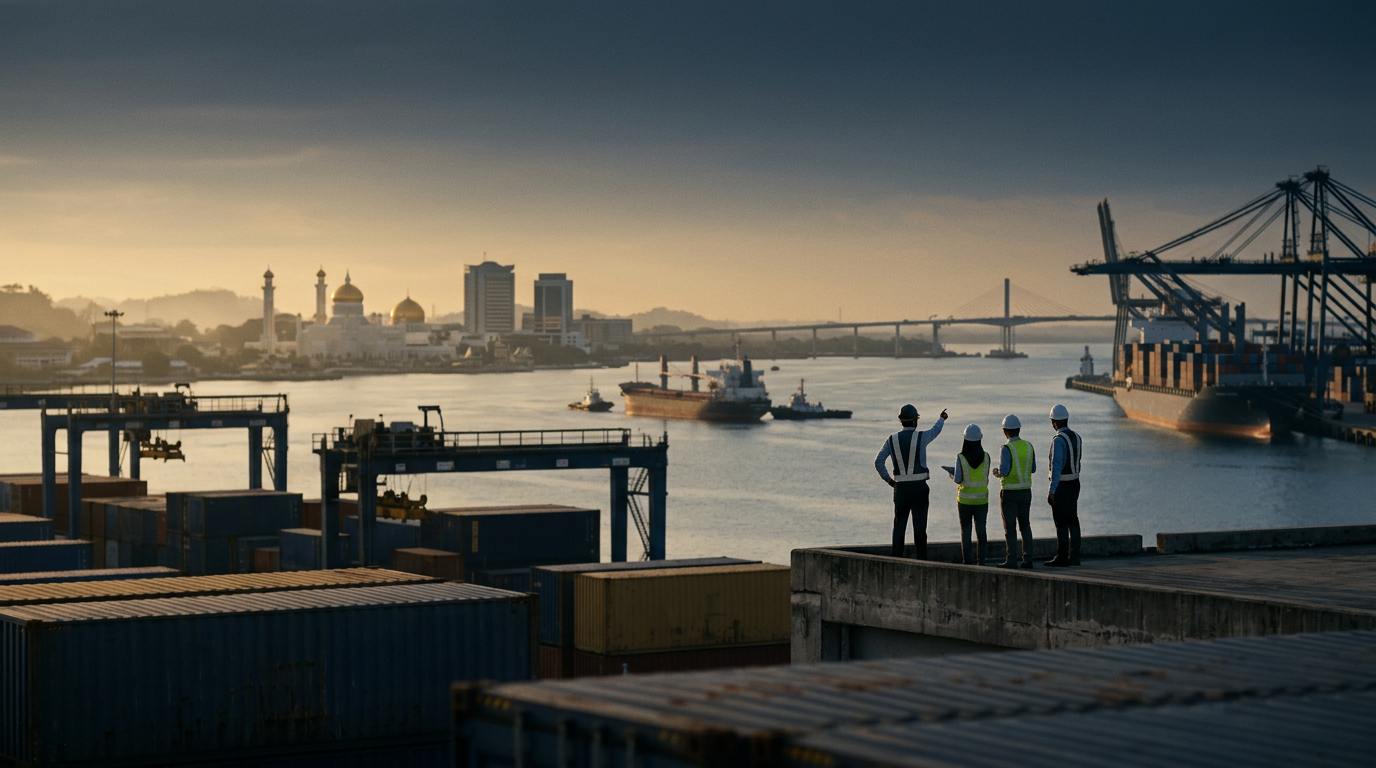 Brunei
ASEAN-Australia: The Quiet Power of Getting Things Done
As ASEAN and Australia celebrate 50 years of partnership, the focus is shifting from grand announcements to the practical, daily work of building institutions and infrastructure. For investors, a usable state is more valuable than an exciting one.
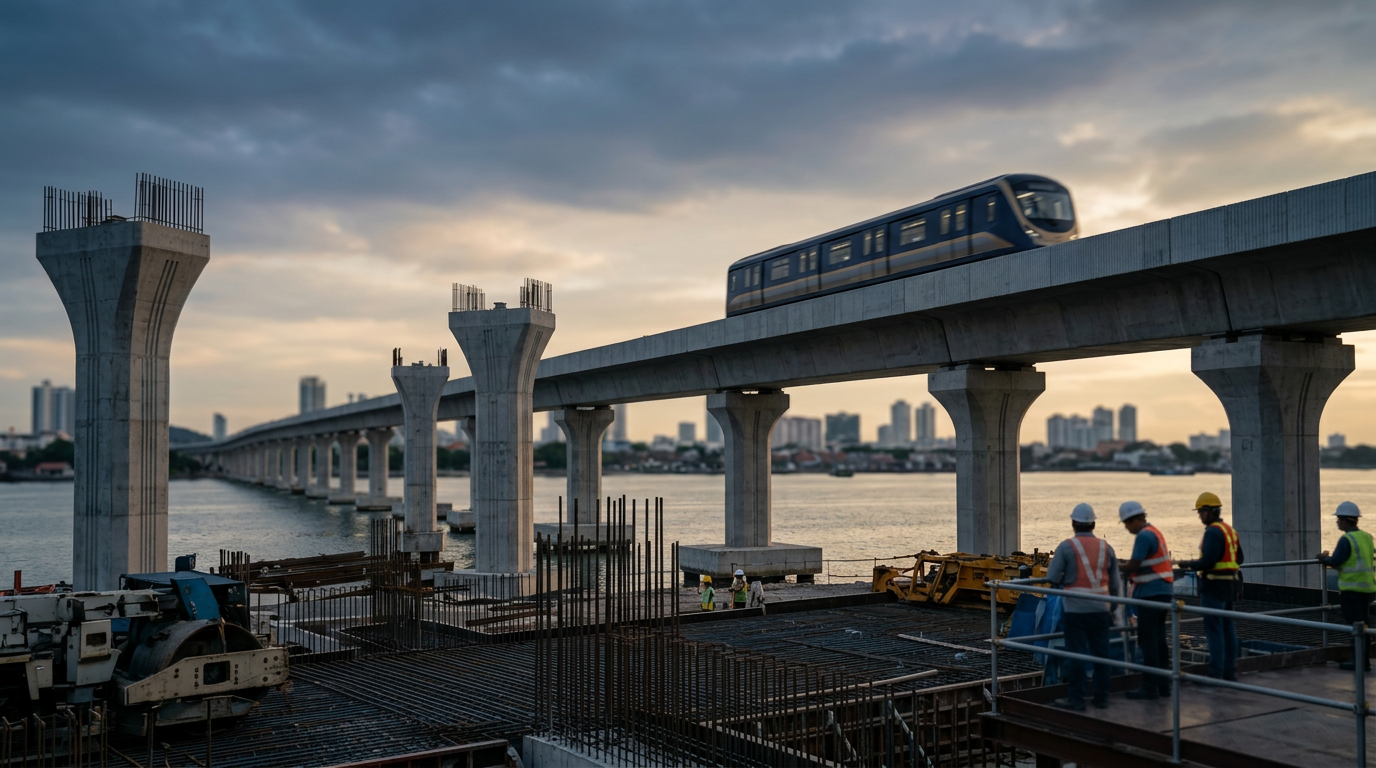
 Malaysia
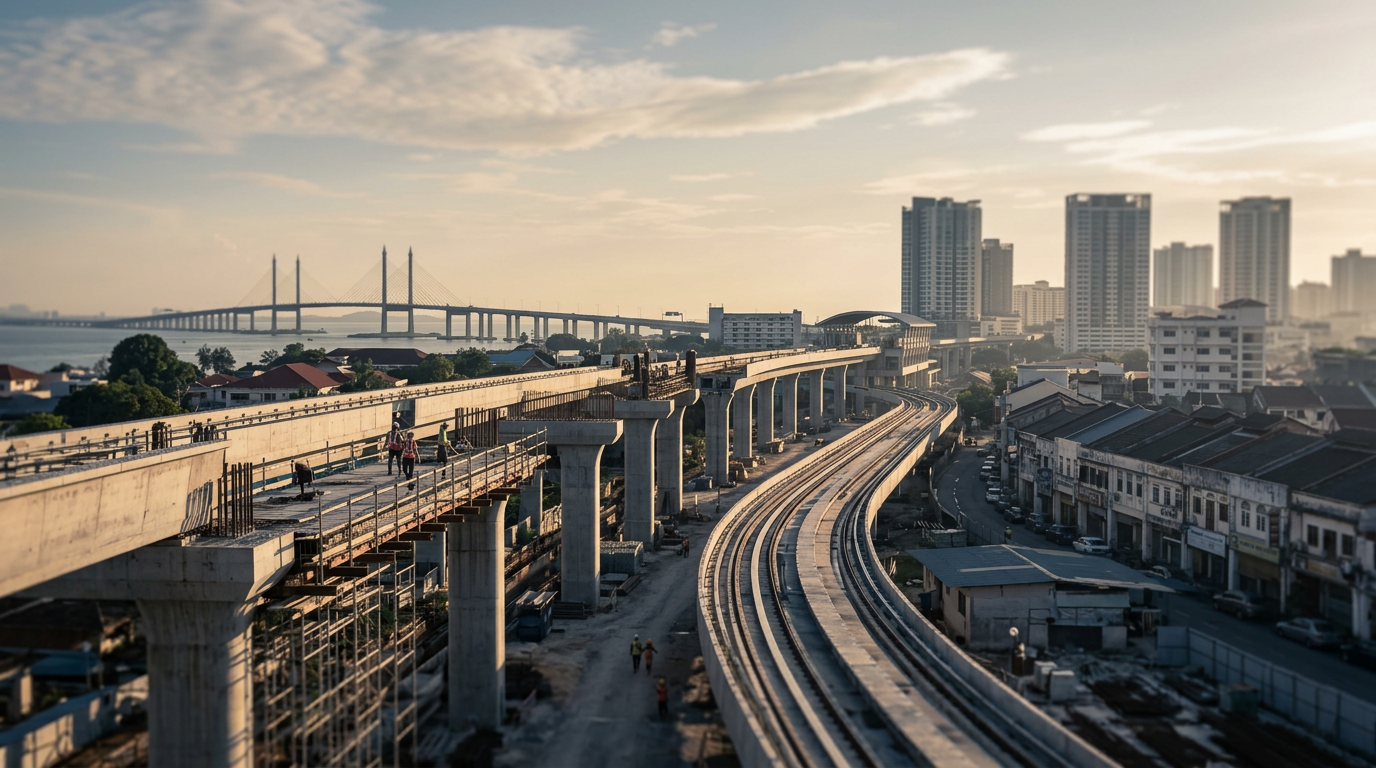
Penang LRT: A Test of Institutional Capacity
The Mutiara Line LRT project in Penang is more than a transportation initiative; it is a signal of Malaysia's institutional capacity to deliver complex infrastructure on schedule. While short-term disruptions are inevitable, the long-term economic benefits depend on the.
 Vietnam
Vietnam is seeking approximately VND846 trillion in private capital for 29 priority projects to expand its expressway network to over 5,000 km by 2030, enhancing efforts to attract private investment.
 Malaysia
Penang LRT Signals a Test for Malaysian Institutions
The new LRT Mutiara Line in Penang is a case study in the Malaysian state's capacity to deliver complex infrastructure projects. While the project promises to alleviate traffic and boost the local economy, its execution will be a clear indicator of institutional strength and.
 Vietnam
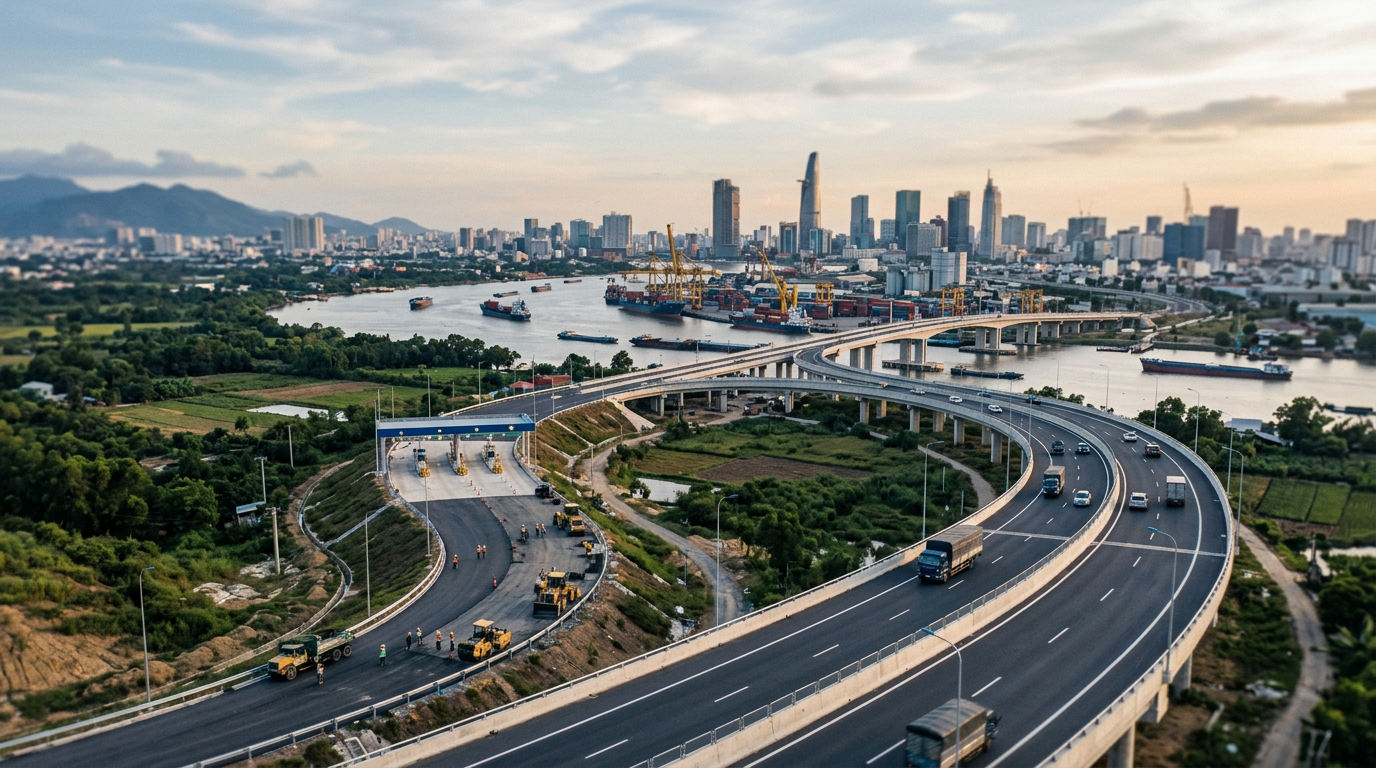
The Expressway to Development in Việt Nam
Việt Nam is looking for private capital to build out its national expressway network. For investors, the reliability of state institutions will be as important as the spreadsheets.
 Vietnam
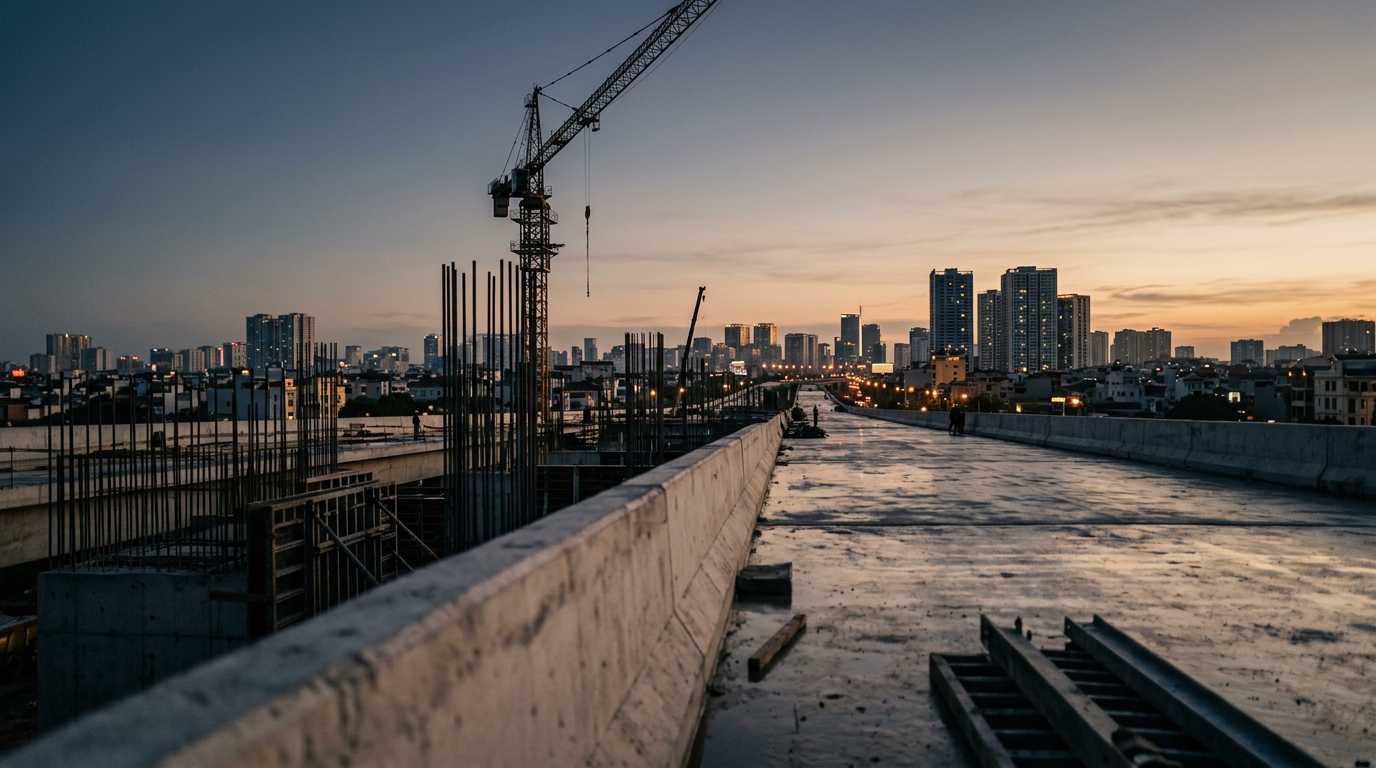
's Infrastructure Execution Test
Hanoi has an ambitious plan to expand its national expressway network, but a multi-billion-dollar funding gap puts the focus on its ability to execute. For foreign investors, infrastructure that arrives on time is a powerful signal of a state's capacity.
 Thailand
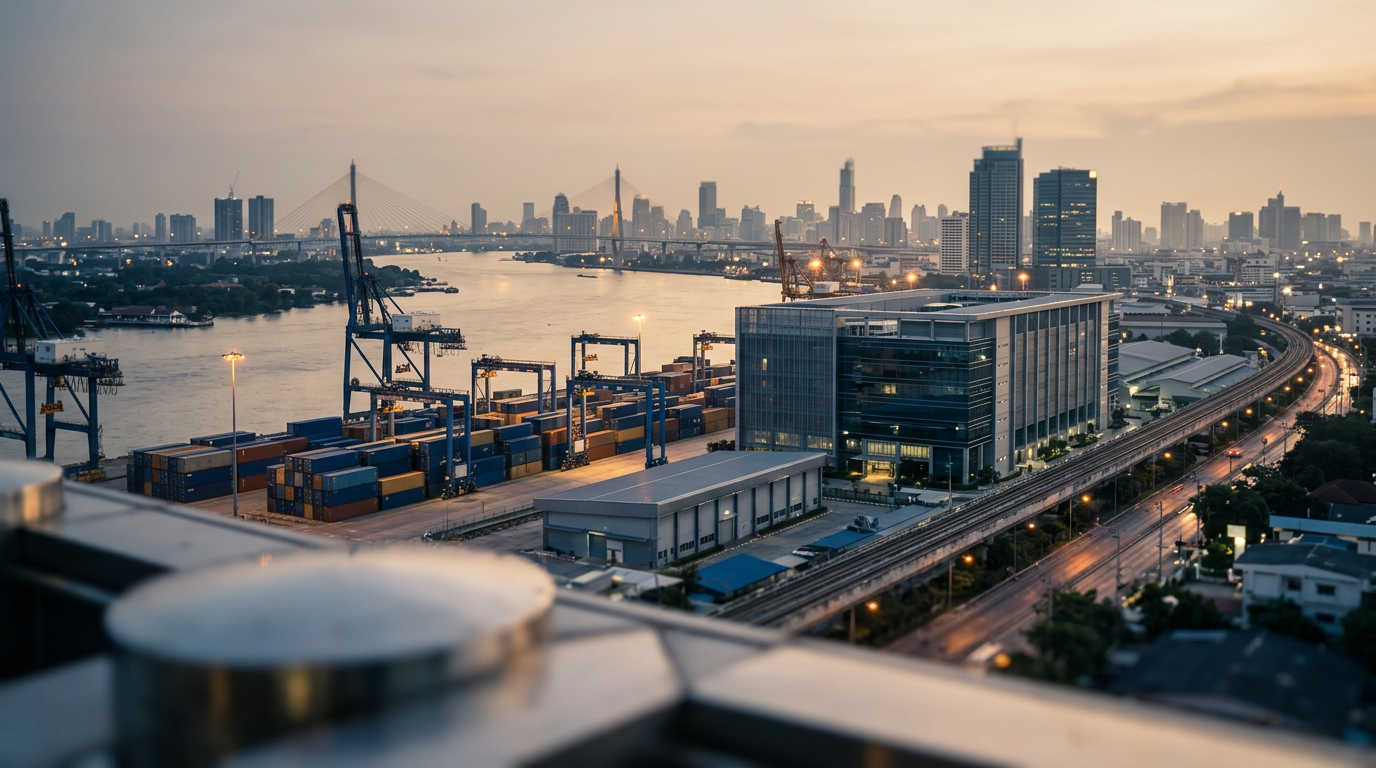
 Prizes Point to a Deeper Institutional Story
Chevron's recent innovation awards in Thailand are a useful reminder that institutional reliability is a core component of comparative advantage in Southeast Asia.
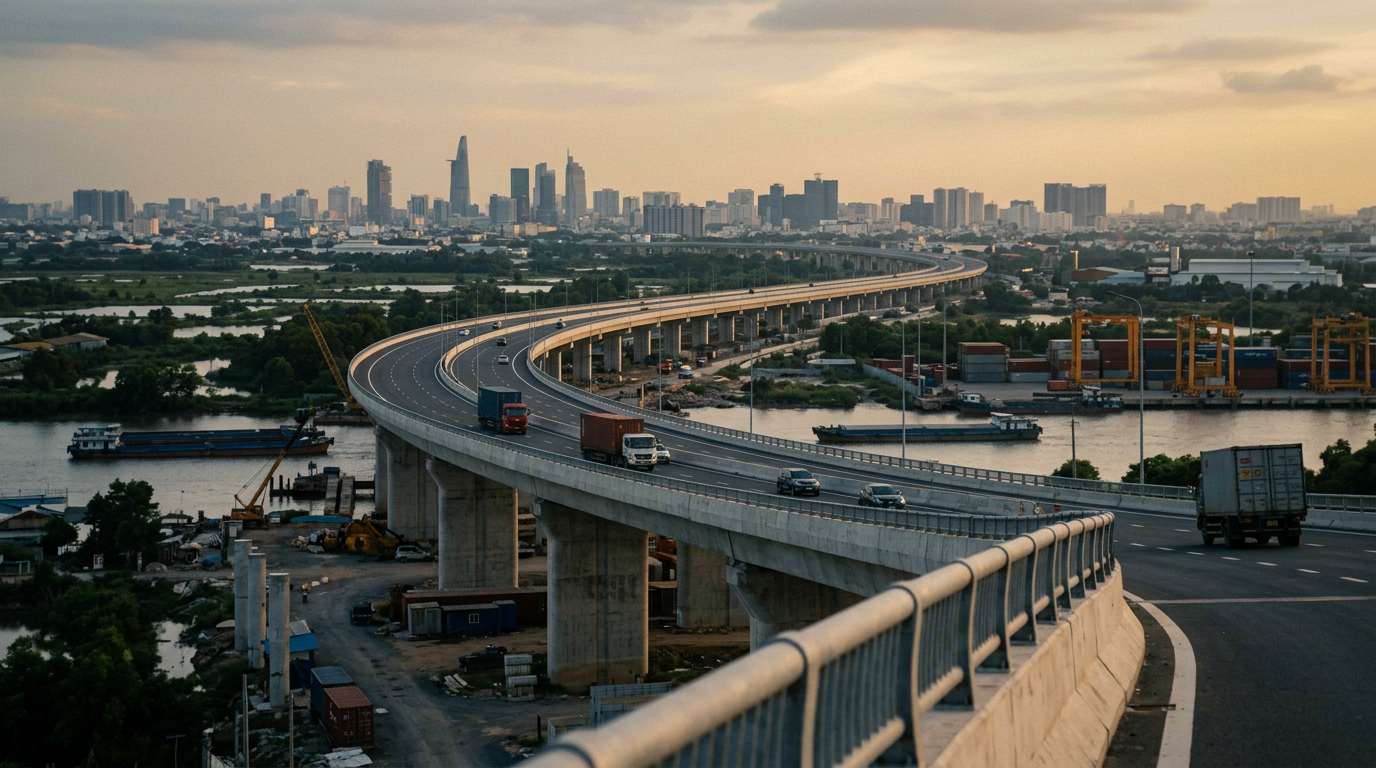 Vietnam
 Bets on Infrastructure to Reduce the Cost of Friction
A new expressway connecting the Mekong Delta to Long Thanh International Airport is a tangible sign of Vietnam's focus on institutional reliability.
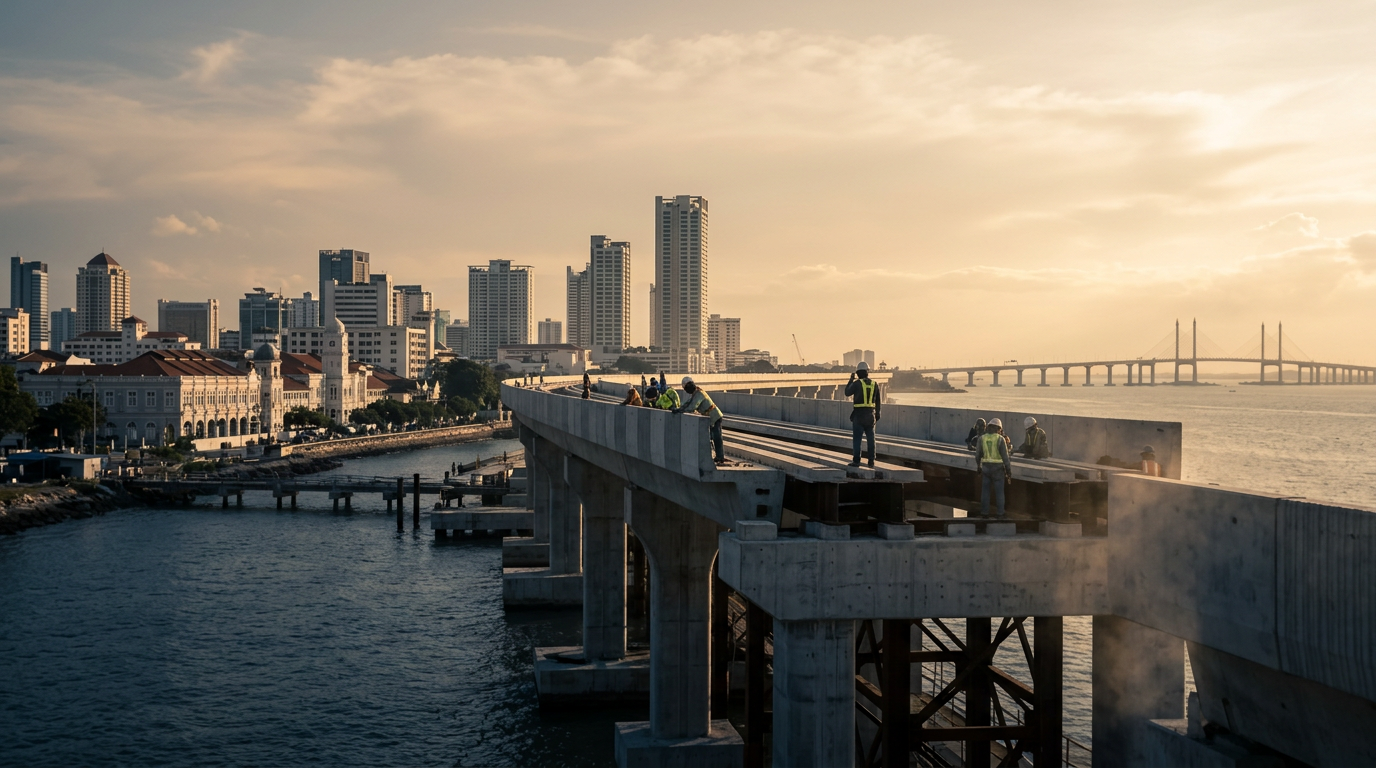 Malaysia
Penang's New LRT Line Is a Bet on Institutional Reliability
The Mutiara LRT line is more than an infrastructure project. It is a test of Malaysia's ability to deliver complex systems on time and on budget, a core element of national comparative advantage.
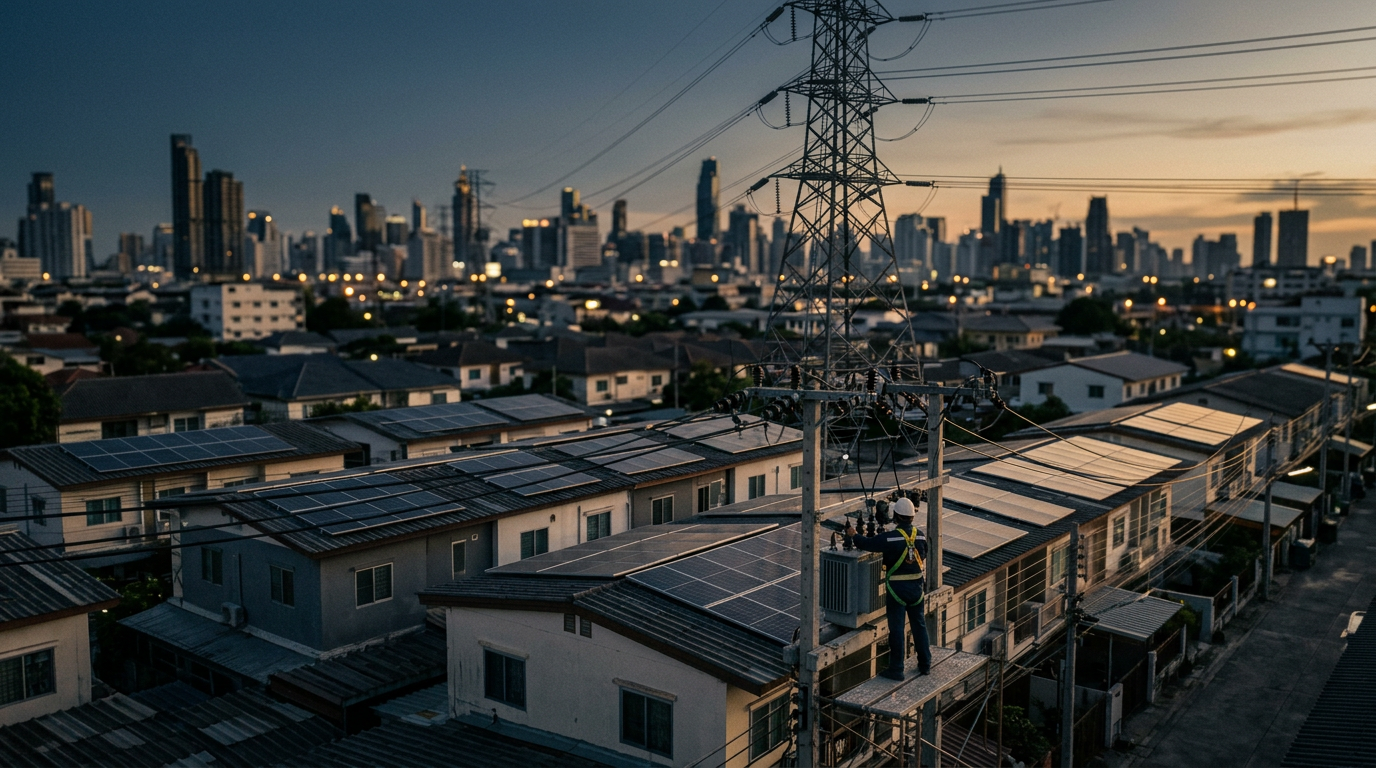 Thailand
 Bets on Household Solar to Boost Grid
Thailand's plan to fund household solar is a test of its state capacity. Delivering the promised infrastructure on time will be a strong signal of institutional reliability.

 Cambodia
State Capacity and the Price of Inaction
When a major infrastructure project is terminated, it is a stark reminder that institutional reliability is a core component of comparative advantage. A state that can deliver is more valuable than one that just makes announcements.
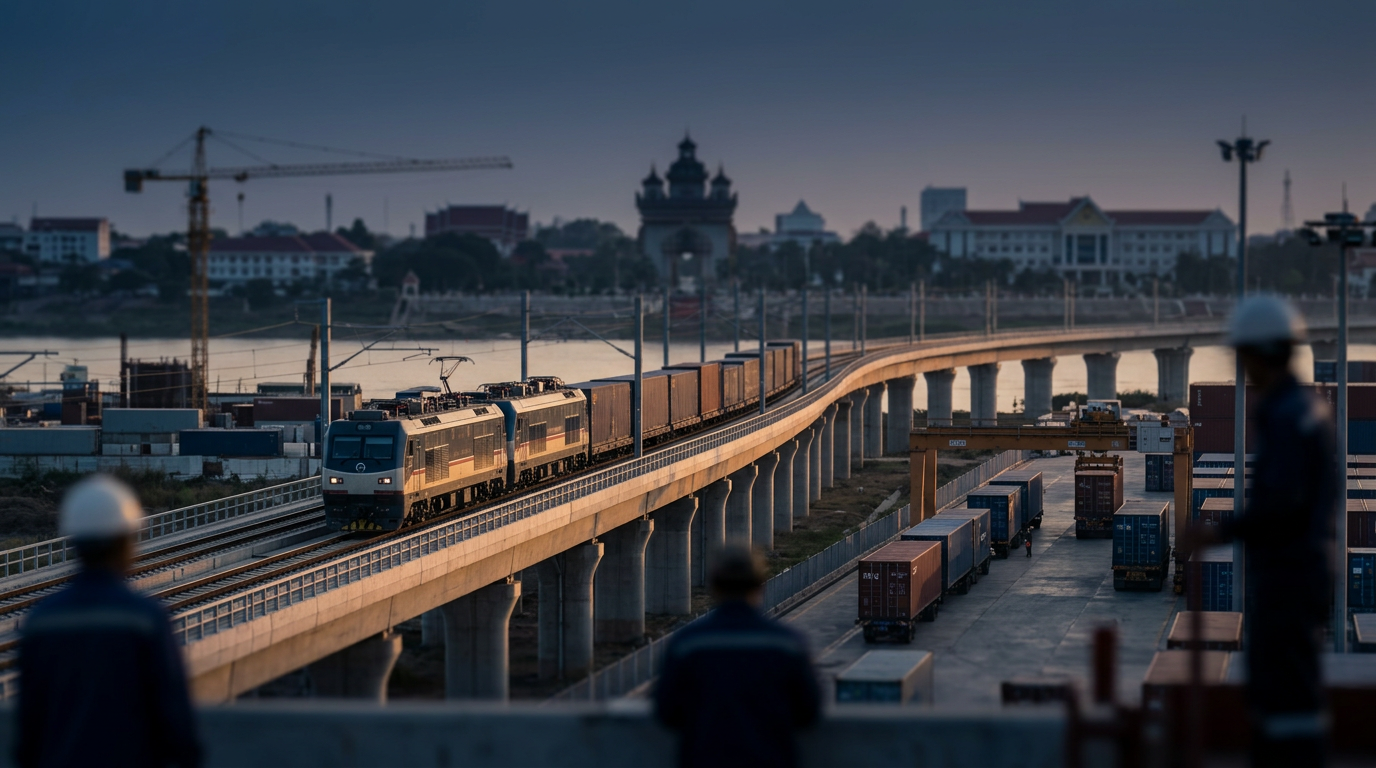
 Laos
Reliability is the New Advantage in ASEAN
Infrastructure that arrives on time signals more than infrastructure that is merely announced. Institutional reliability is becoming a key part of comparative advantage across the region.
 Vietnam
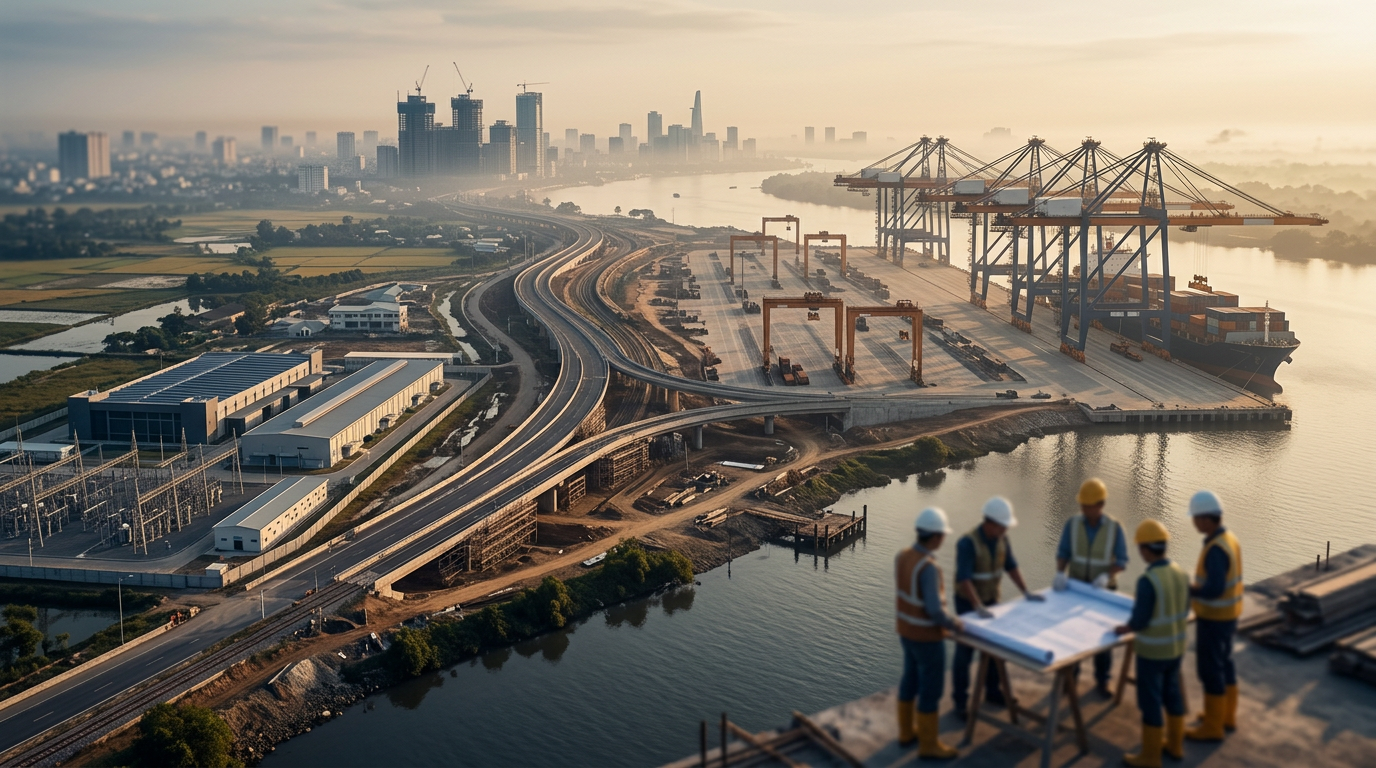
The Hard Work of Building Tomorrow's Infrastructure
Patient, long-term investment in infrastructure is a core element of national competitive advantage.
 Vietnam
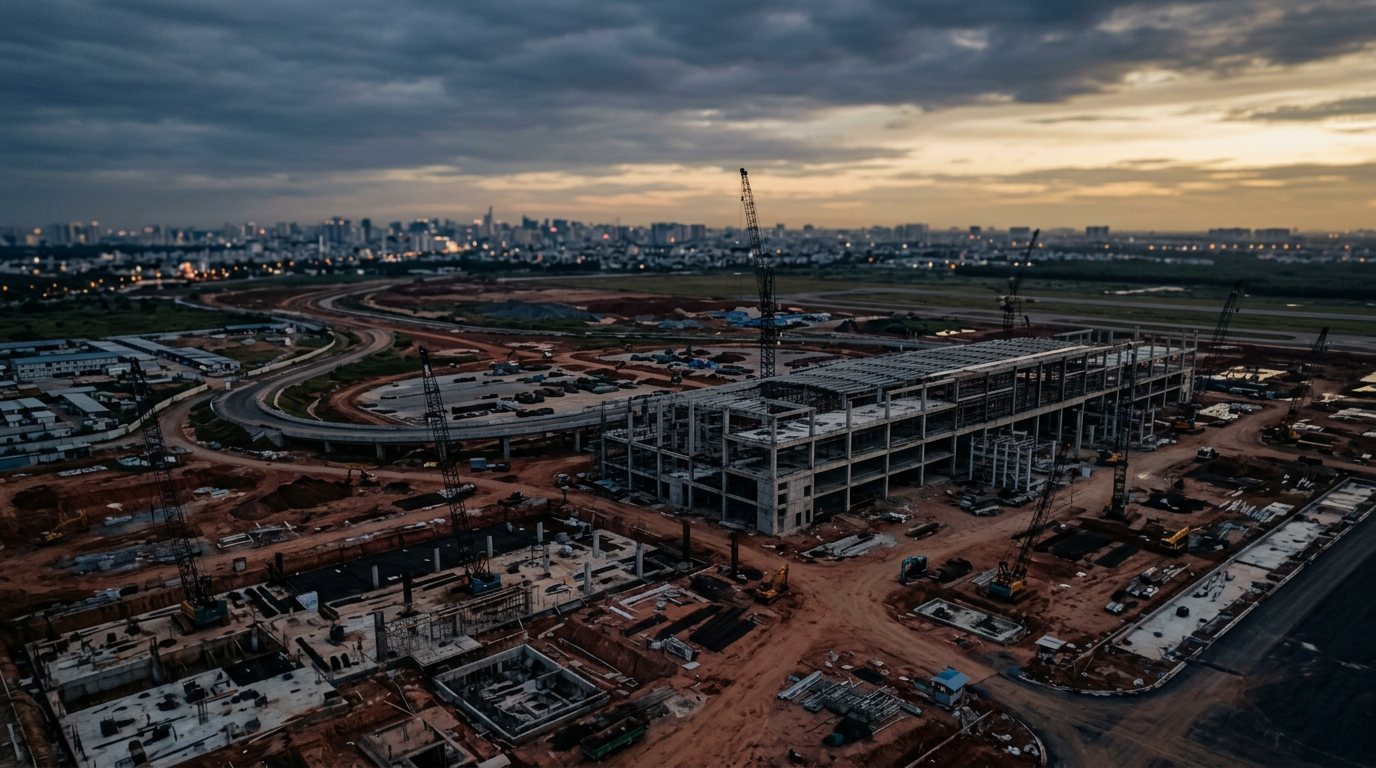
The Price of Hesitation in Airport Development
Vietnam's decision to delay the Long Thanh airport opening to 2026 highlights the tension between ambitious infrastructure goals and the practical challenges of execution, a key theme in regional development.
 Vietnam
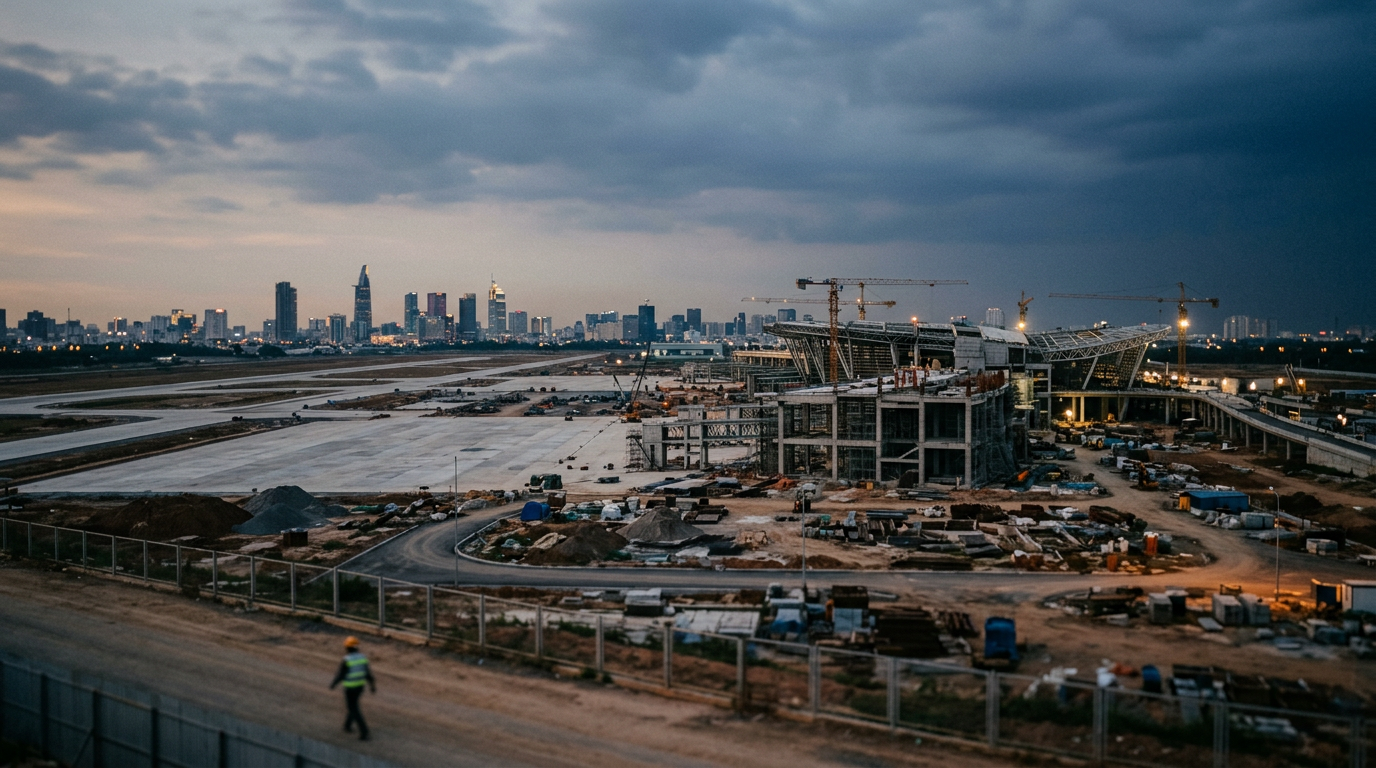
's Delayed Airport is a Costly Lesson in State Capacity
The new international airport in Ho Chi Minh City is a needed infrastructure upgrade, but its delays highlight a deeper challenge for Vietnam: the institutional capacity to deliver complex projects on time.
 Brunei
The Digital Trust Deficit: A Test for Philippine Institutions
The rise of digital scams in the Philippines, highlighted by a new public awareness campaign, exposes a critical deficit in institutional trust that extends beyond the digital realm.
 Vietnam
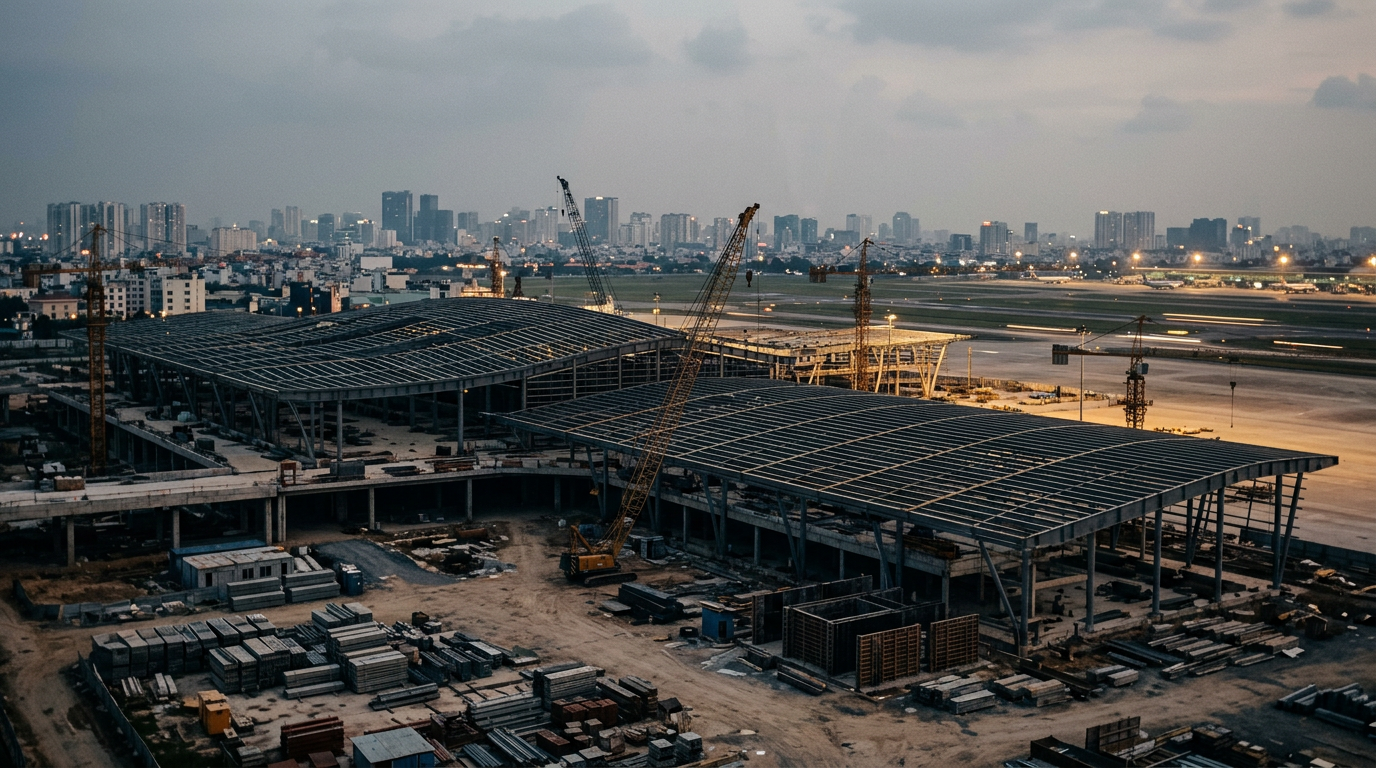
's Airport Delays and the Quiet Cost of Friction
Delayed infrastructure projects like airports highlight the growing importance of institutional reliability for national competitive advantage.
 Vietnam
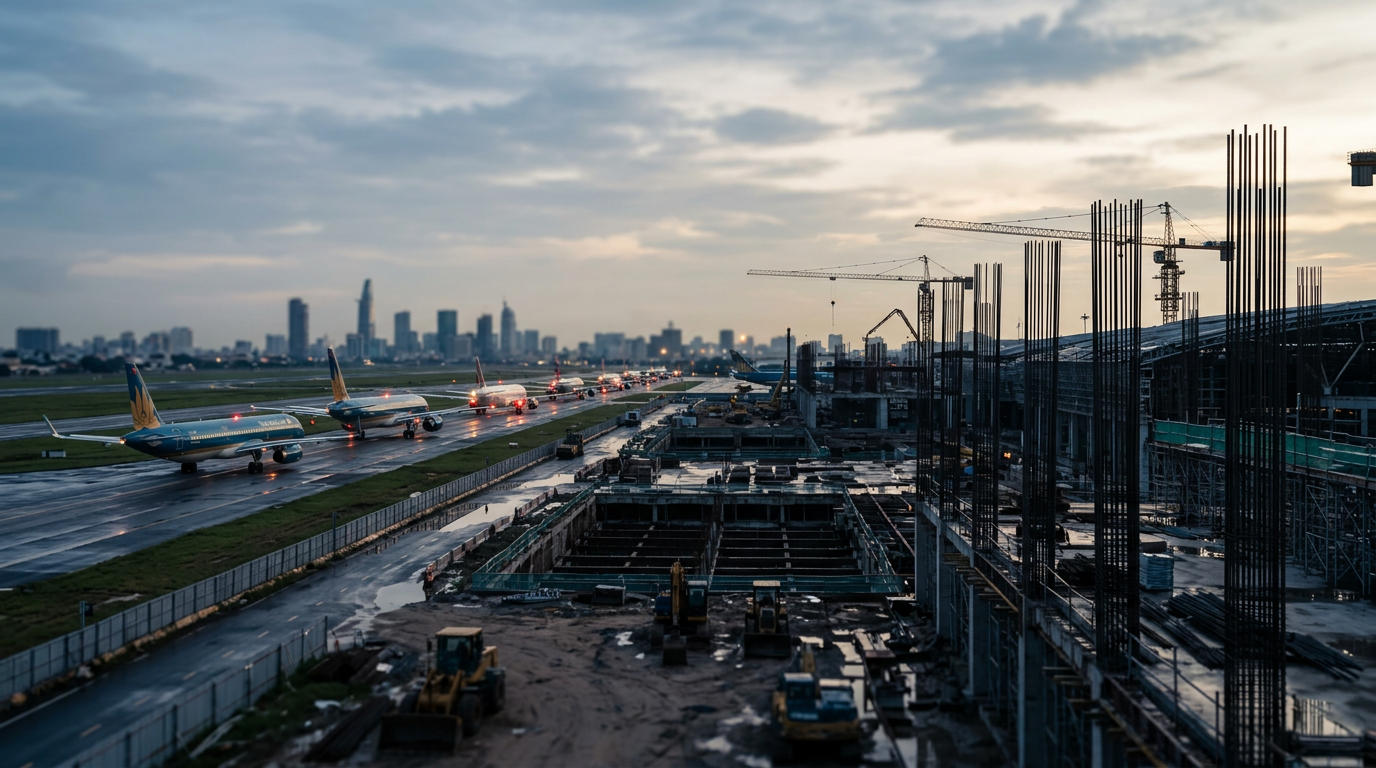
The Price of Hesitation in Airport Infrastructure
Delayed infrastructure projects, such as airport expansions, carry substantial economic costs. For ASEAN to maintain its growth trajectory, the focus must be on effective and timely execution rather than just ambitious announcements.
 Vietnam
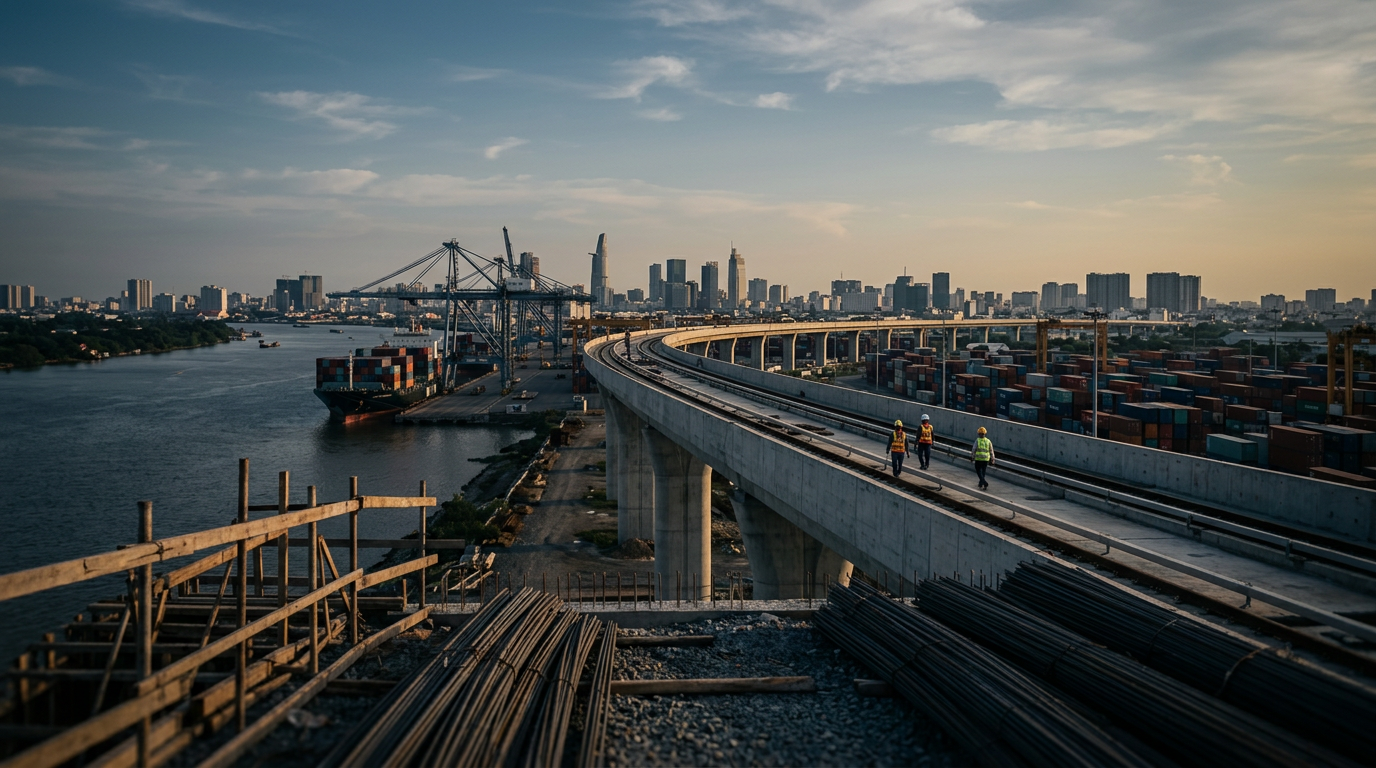
 Delays Long Thanh Airport, Exposing Institutional Friction
Vietnam's decision to delay the first phase of Long Thanh International Airport to 2026 highlights the immense difficulty of executing large-scale infrastructure projects, a theme central to ASEAN's growth story.
 Vietnam
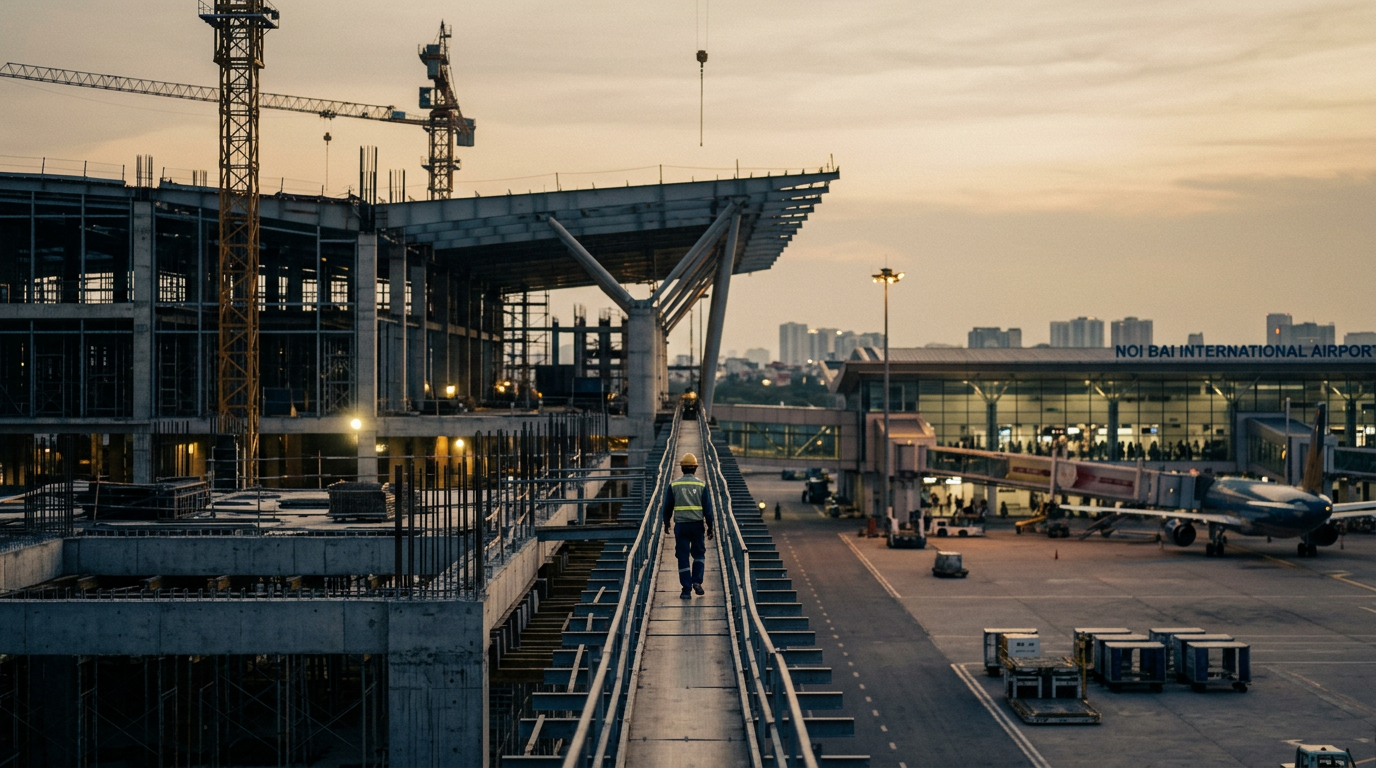
's Airport Delays and the High Cost of Friction
Delayed infrastructure projects, such as airport expansions, impose significant economic costs. For Vietnam, completing these projects is not just about adding capacity, but about demonstrating institutional reliability.
 Philippines
The Unseen Infrastructure of Trust in the Philippines
Digital trust is a form of infrastructure. For the Philippines, rebuilding it is as important as any physical project.
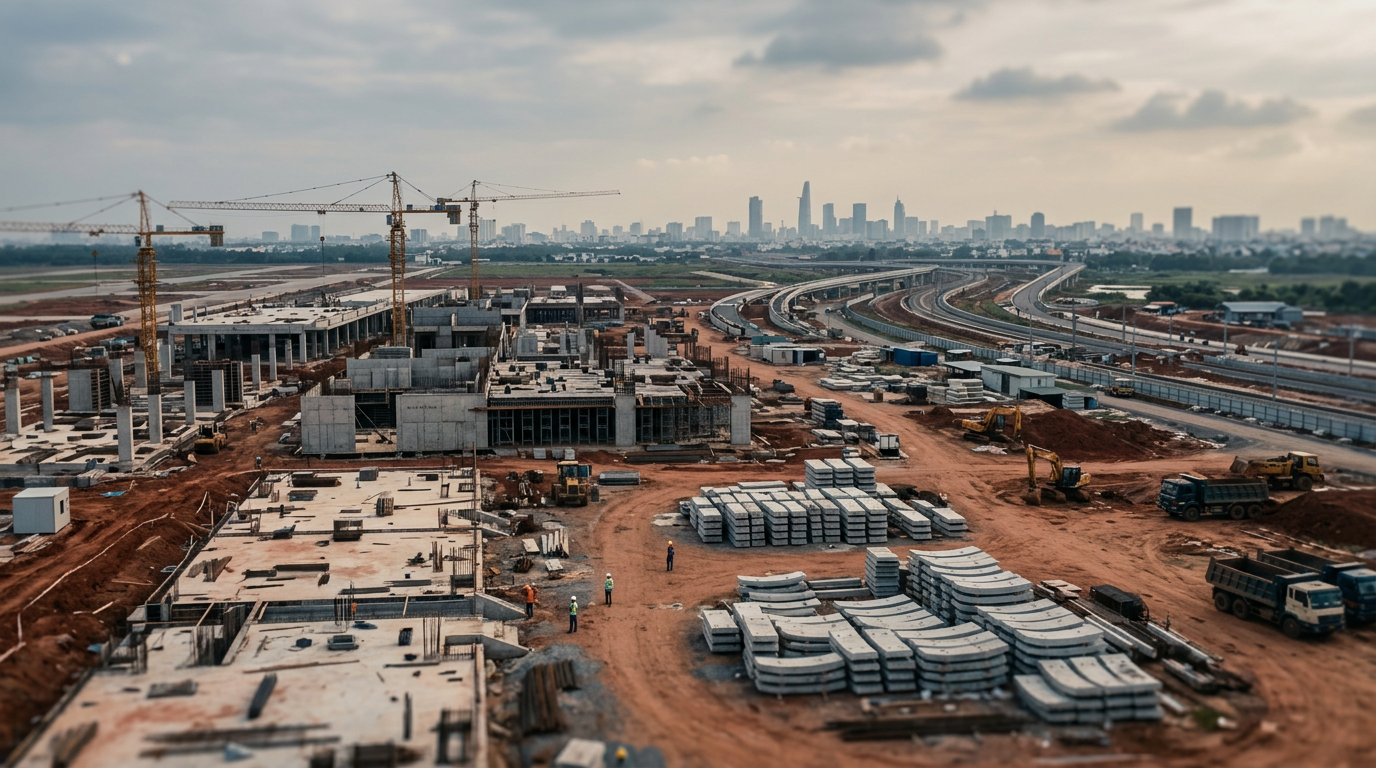 Vietnam
 Delays Long Thanh Airport, Exposing Institutional Friction
Delayed infrastructure projects like Long Thanh International Airport highlight a core challenge in ASEAN: the gap between ambition and execution, and the high cost of institutional friction.
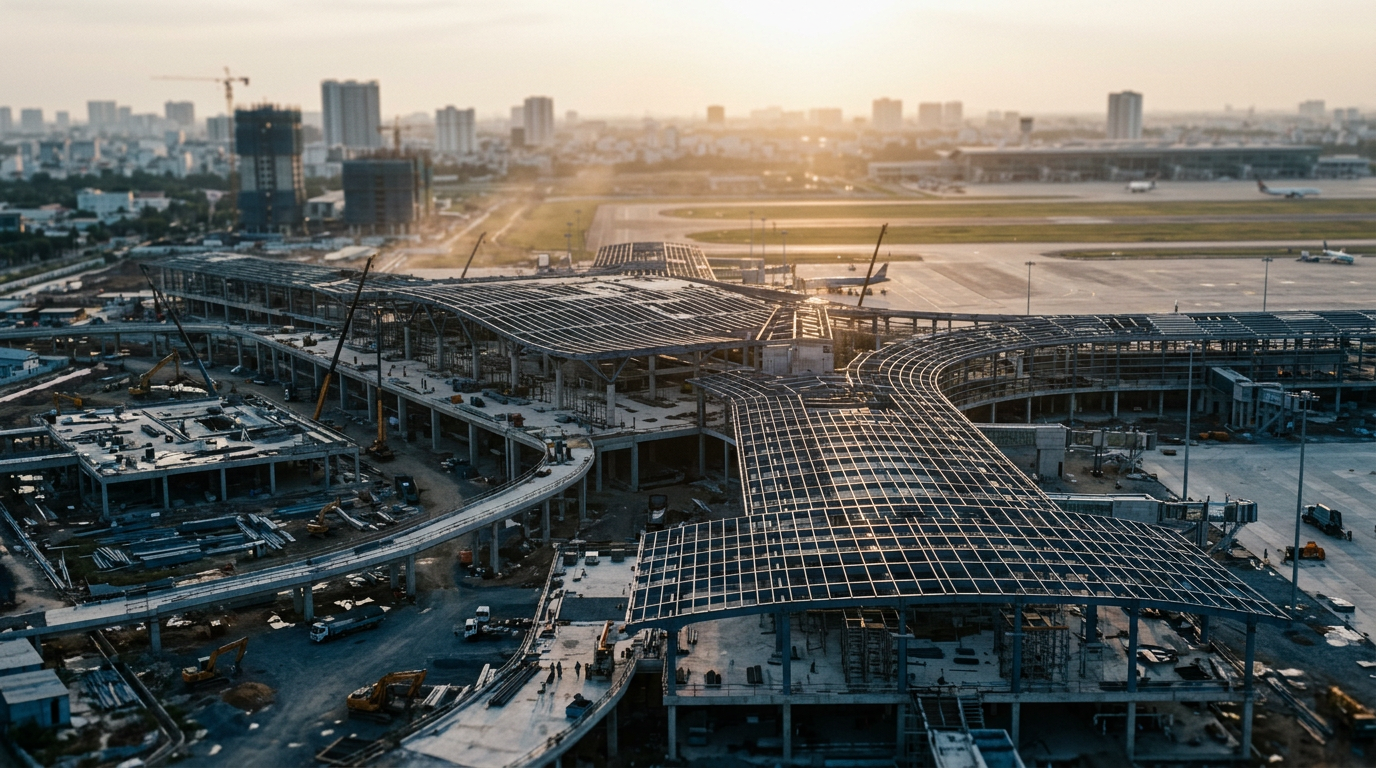 Vietnam
's Long-Term Airport Plan Hinges on Execution
Vietnam has an ambitious plan to more than double its airport capacity by 2030, but its success will depend on institutional reliability and the state's ability to deliver complex, long-term infrastructure projects.
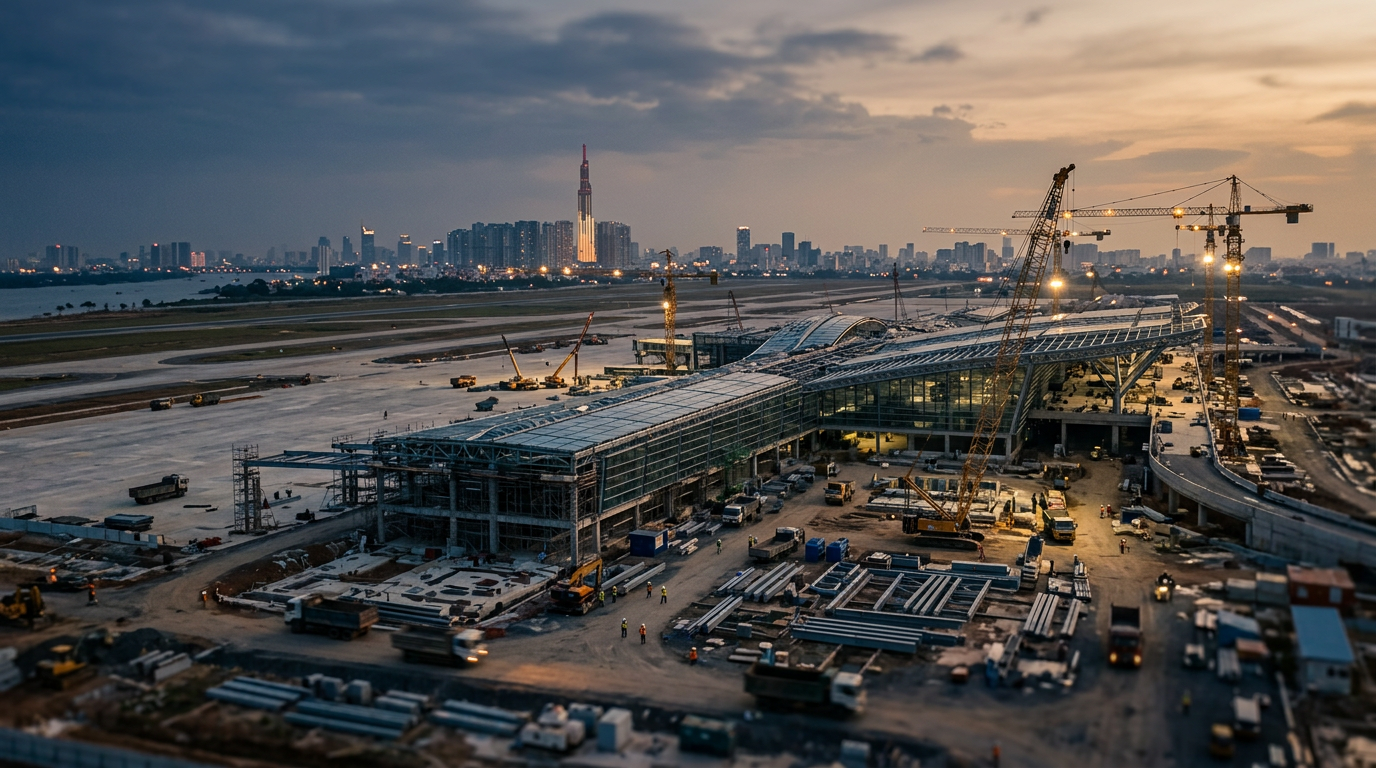 Vietnam
's Long-Term Bets on Airport Infrastructure
Vietnam's decision to persist with the Long Thanh International Airport project, despite current global economic uncertainties, is a calculated move to enhance its long-term institutional and infrastructural capacity.
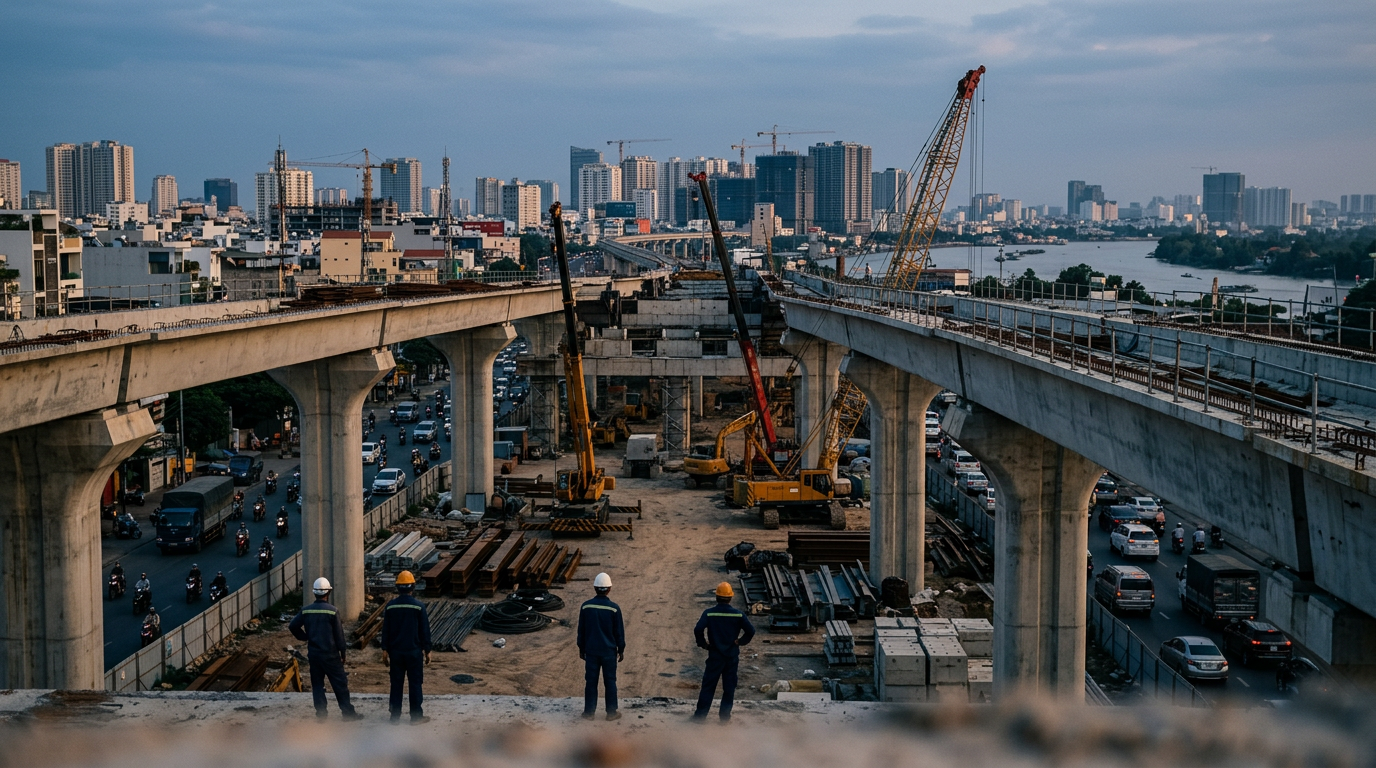 Vietnam
The Price of Hesitation on Infrastructure
Delayed infrastructure projects, such as airport expansions, impose real economic costs. For ASEAN to maintain its growth, the focus must shift from announcing ambitious plans to executing them efficiently and transparently.
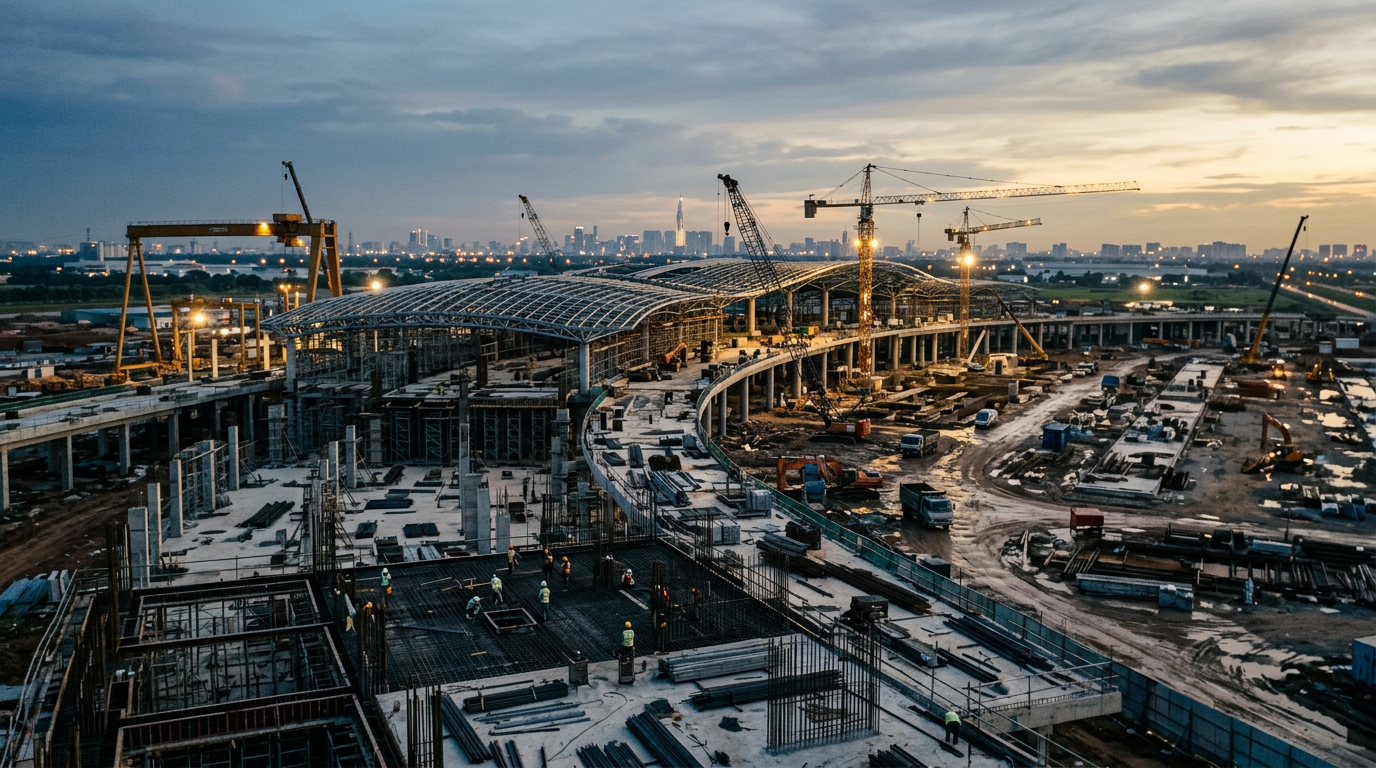 Vietnam
 Delays Long Thanh Airport, Exposing a Regional Weakness
The delay of Long Thanh International Airport's first phase to 2026 highlights a recurring issue in ASEAN: the gap between ambitious infrastructure plans and the institutional capacity to execute them.
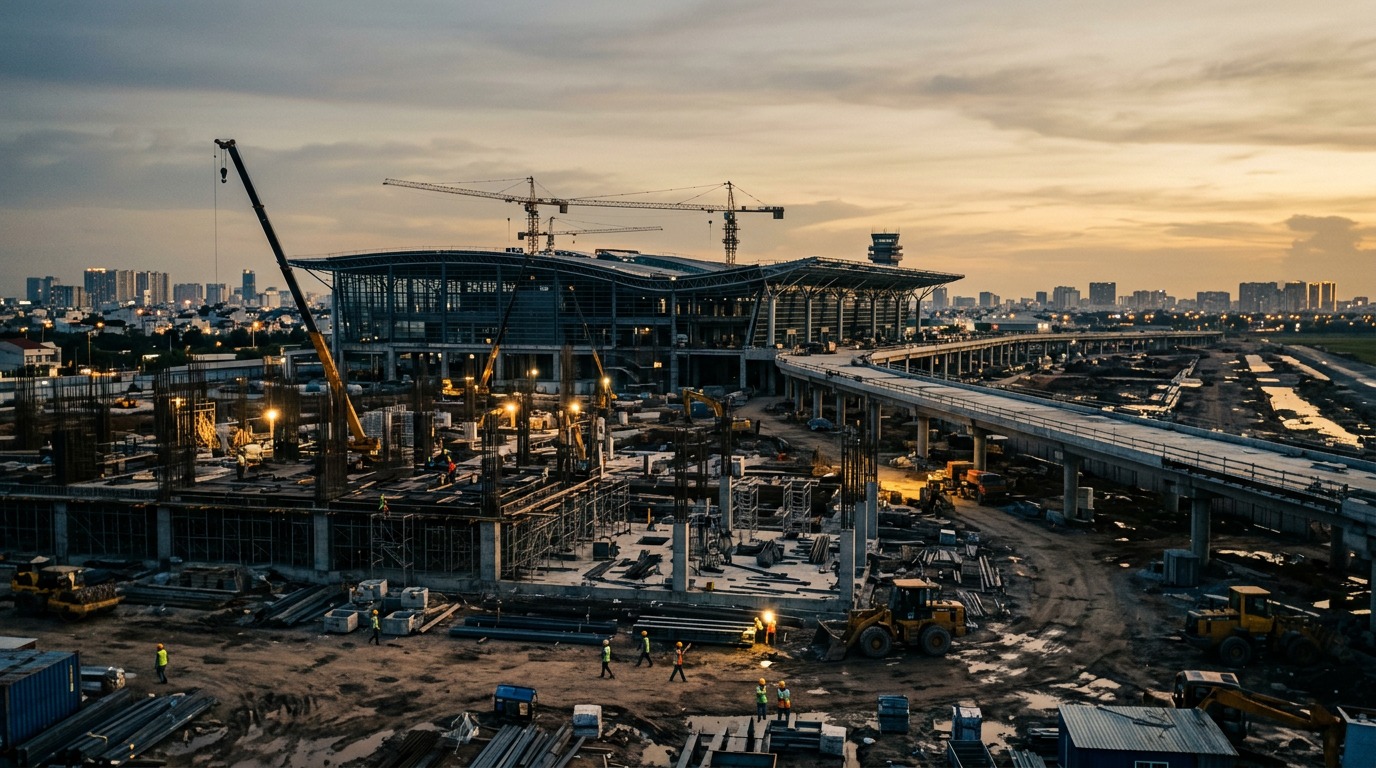 Vietnam
The Price of Hesitation in Airport Infrastructure
Delayed infrastructure projects carry substantial economic costs, a reality that underscores the importance of state capacity and timely execution in achieving national and regional goals.
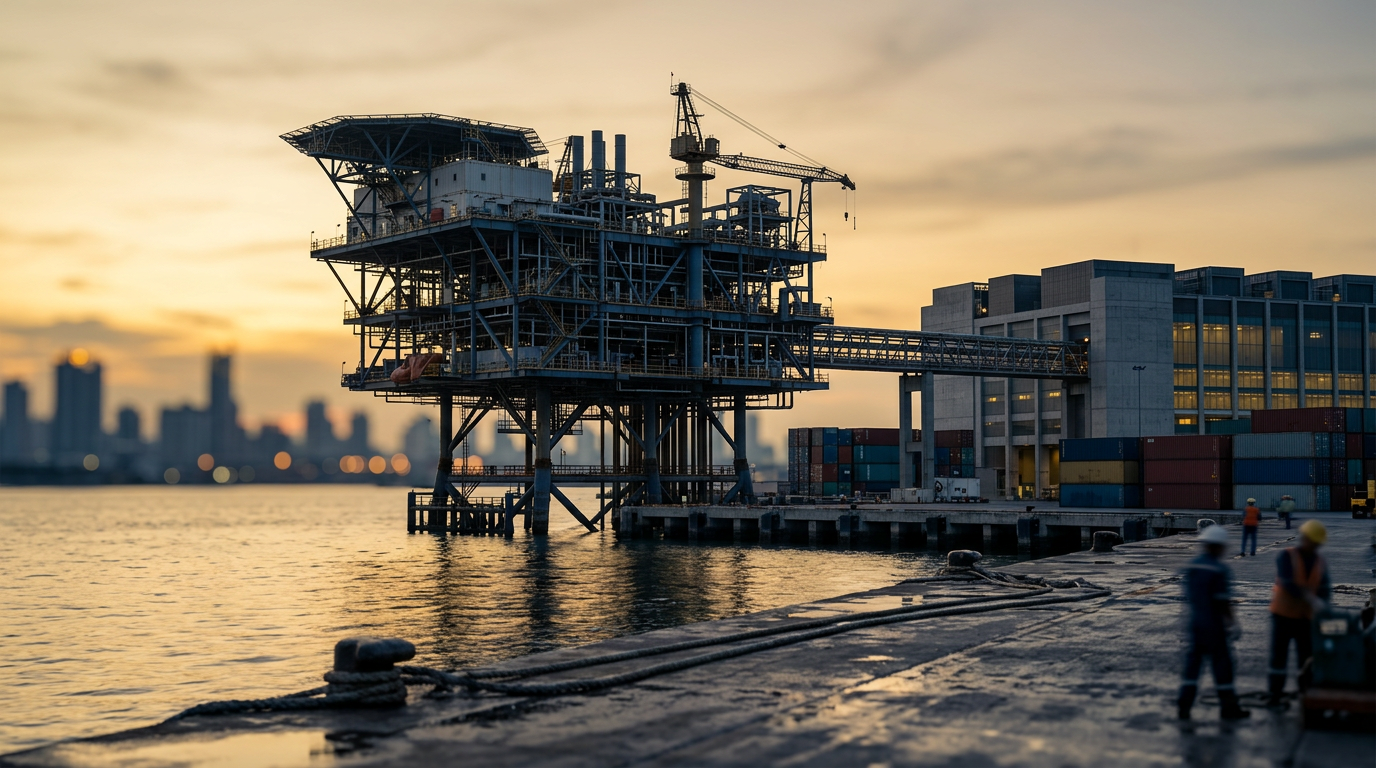 Thailand
's infrastructure reuse is a sign of institutional strength
Thailand's reuse of oil and gas platforms points to a growing sophistication in its industrial base. This is a sign of institutional reliability, which has become a source of comparative advantage in Southeast Asia.
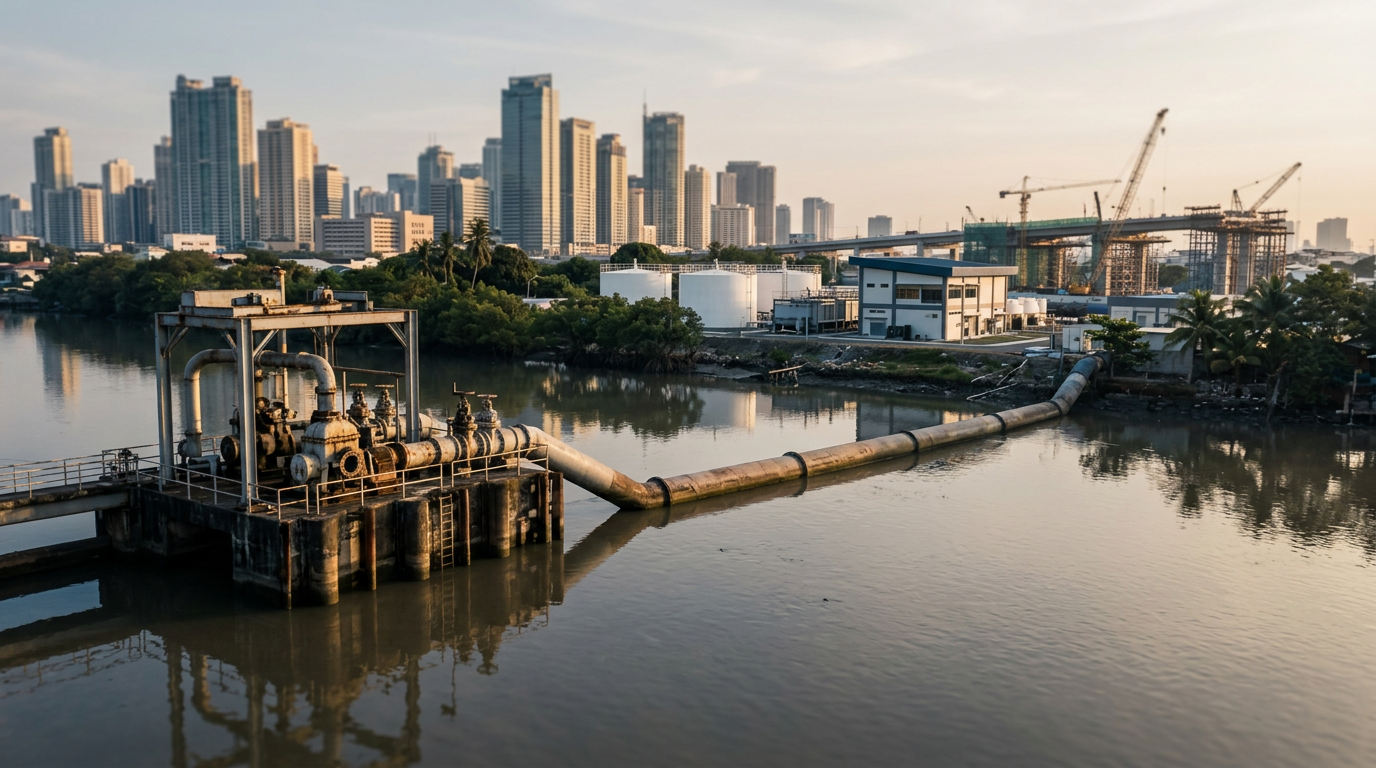 Philippines
The Price of Water: Capital and State Capacity in the Philippines
A planned P1.8 billion share offer by Tubig Pilipinas highlights the deep connection between private capital and the state's ability to deliver basic infrastructure like clean water.
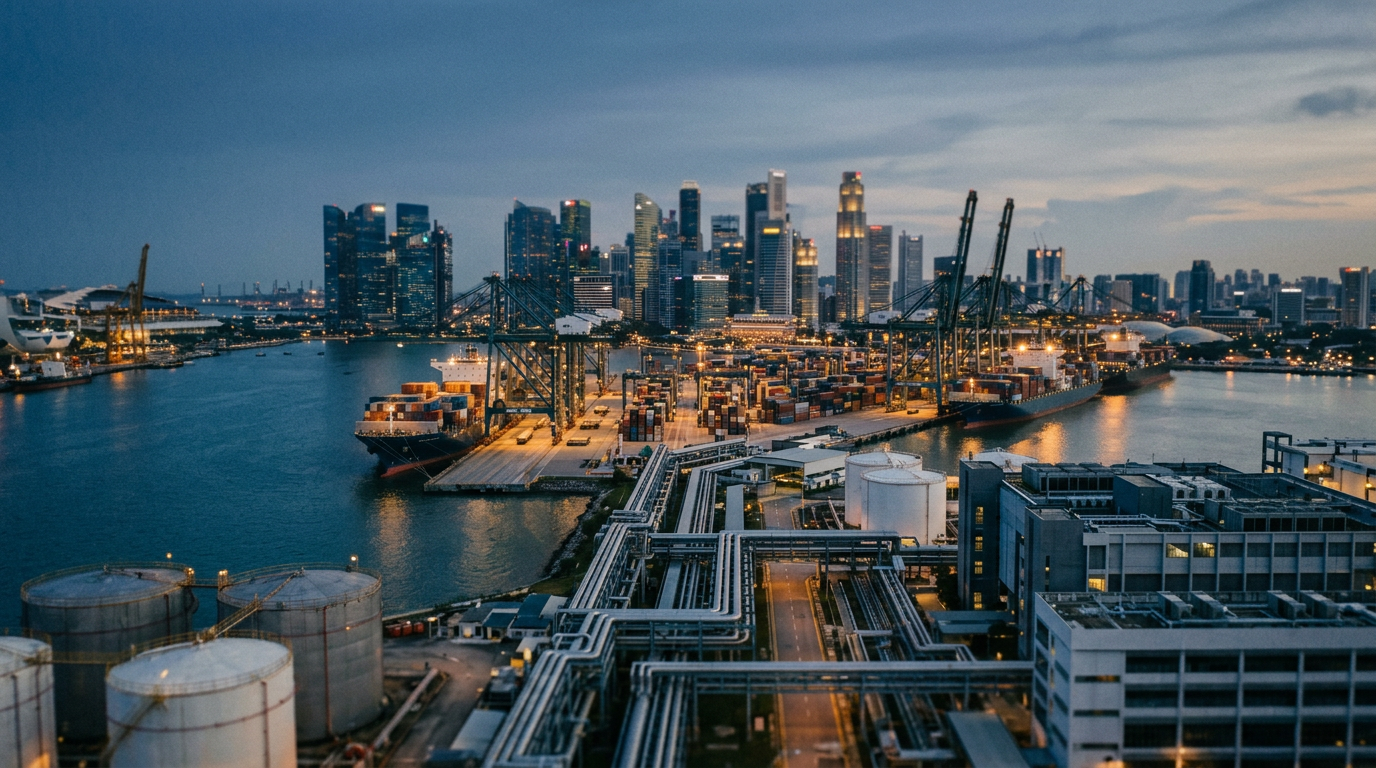
 Singapore
State Capacity is a Utility
A state that can deliver essential services on time and on budget has a powerful advantage in a world of volatile energy prices and geopolitical risk.
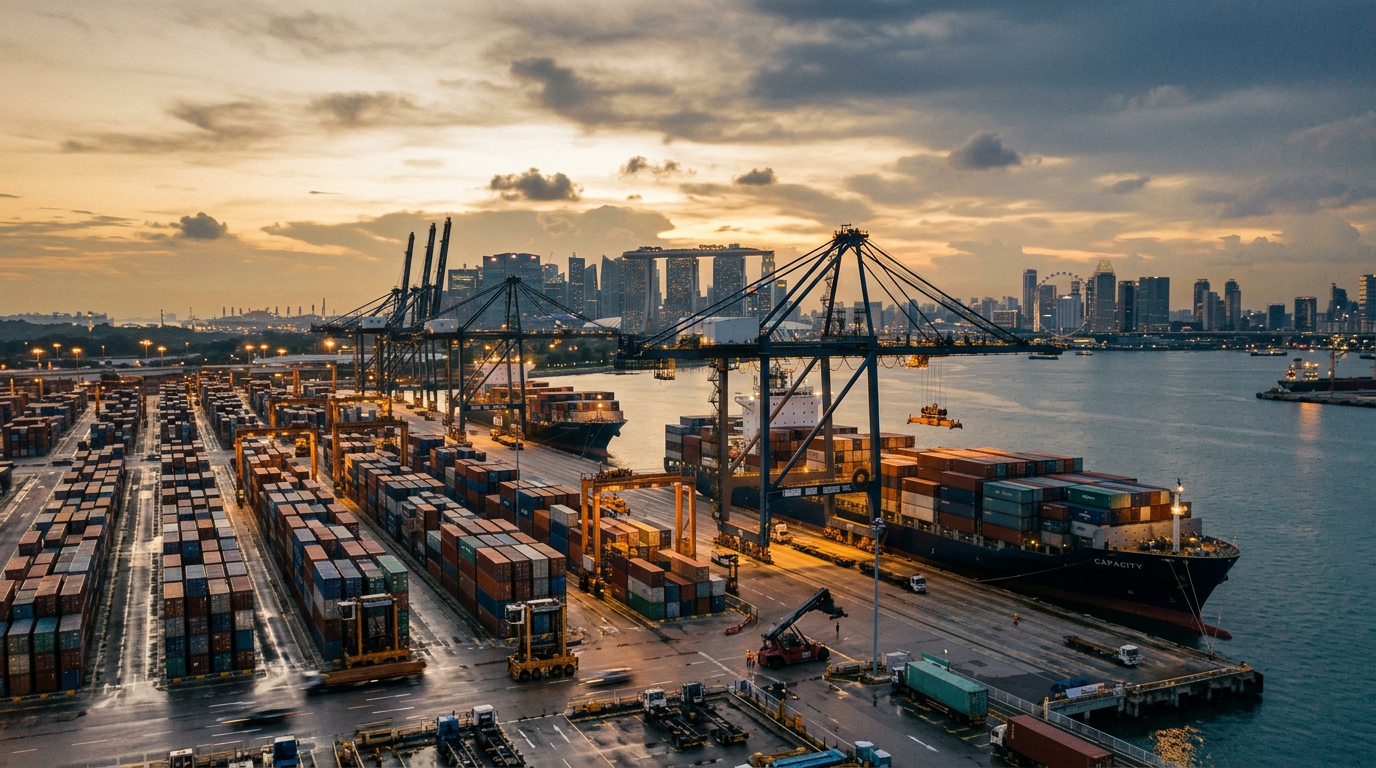 Singapore
State Capacity is a Utility
A usable state is often more valuable than an exciting one.
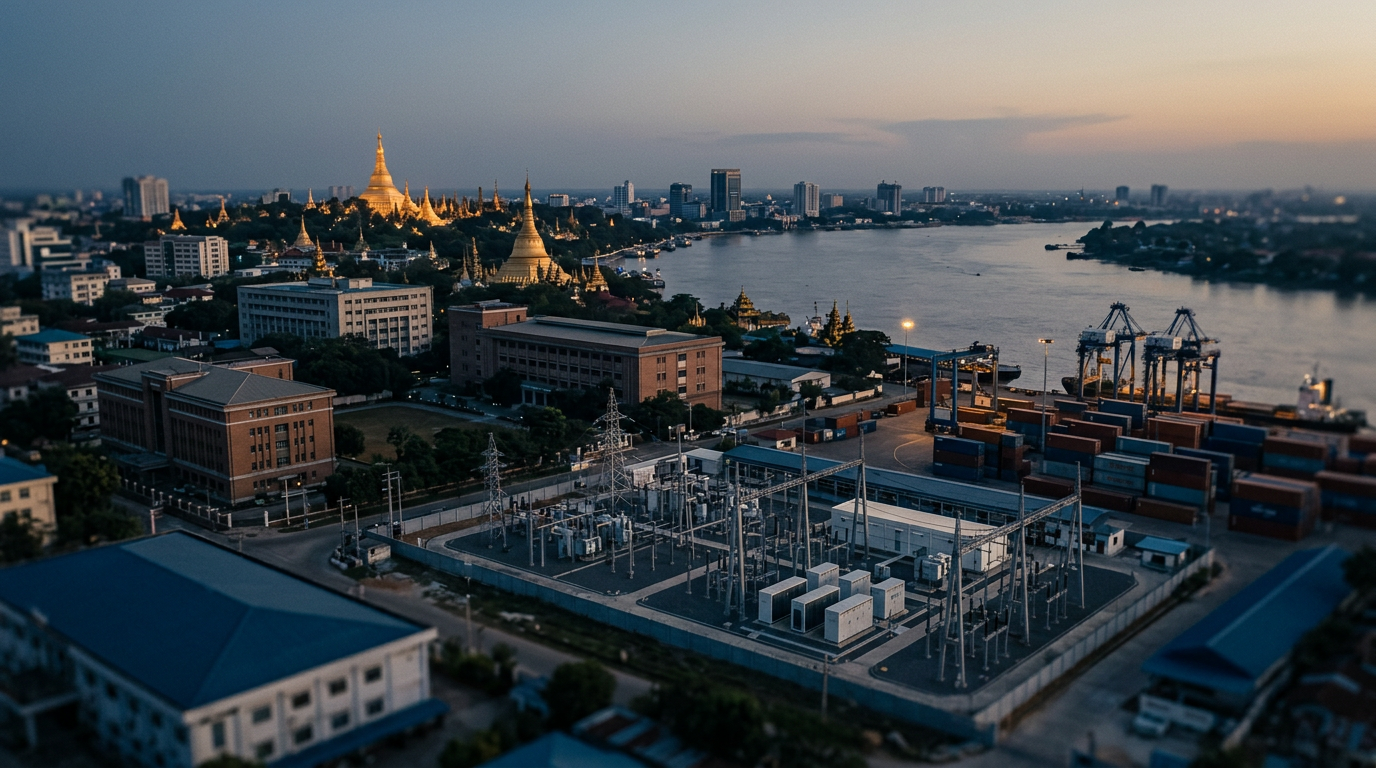
 Myanmar
Reliable Infrastructure is Comparative Advantage
The partnership between Infineon and Eaton on next-generation power infrastructure for data centers is a small but telling indicator of a larger trend across ASEAN: the growing importance of institutional reliability in delivering complex, high-value projects. It is a quiet.
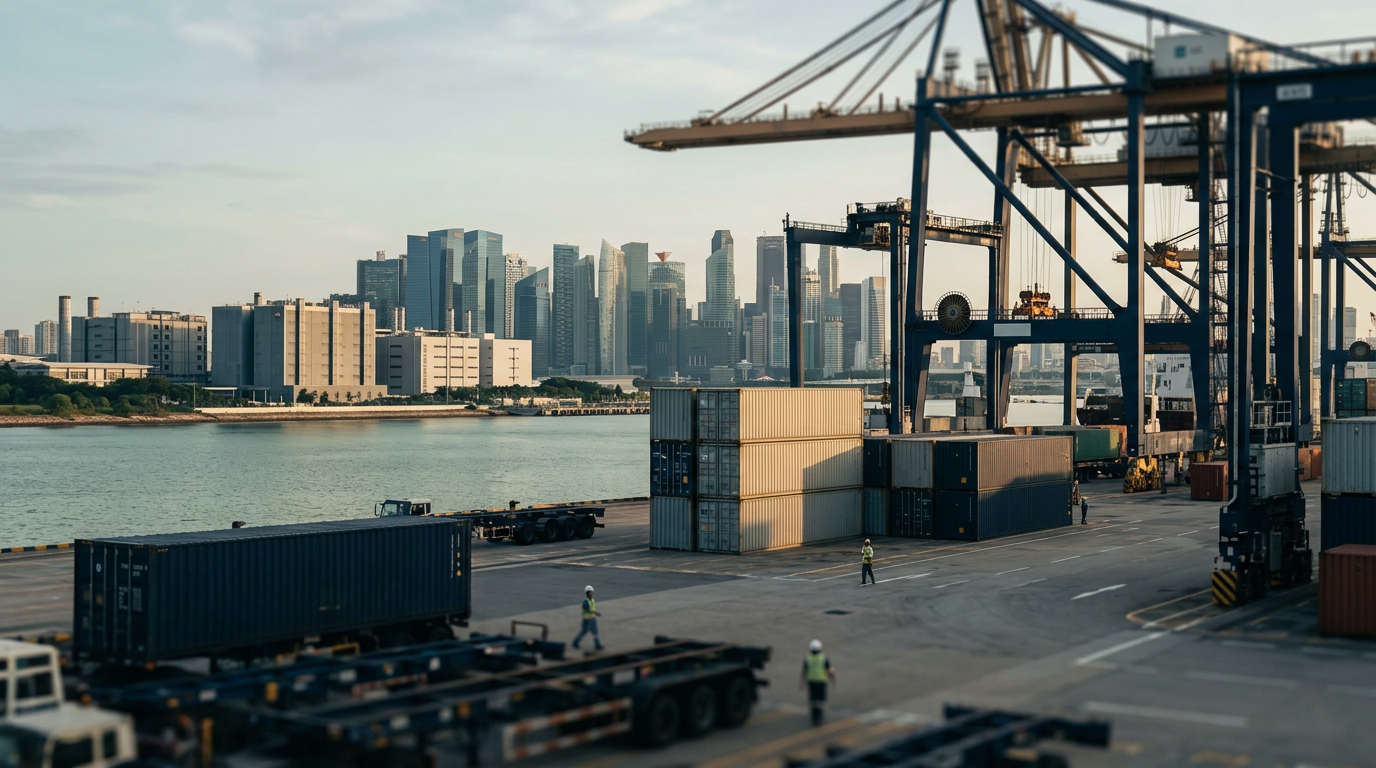 Singapore
's Power Market Delivers a Lesson in Stability
The recent volatility in Singapore's electricity market highlights a core regional theme: predictable state capacity is a competitive advantage.
 Myanmar
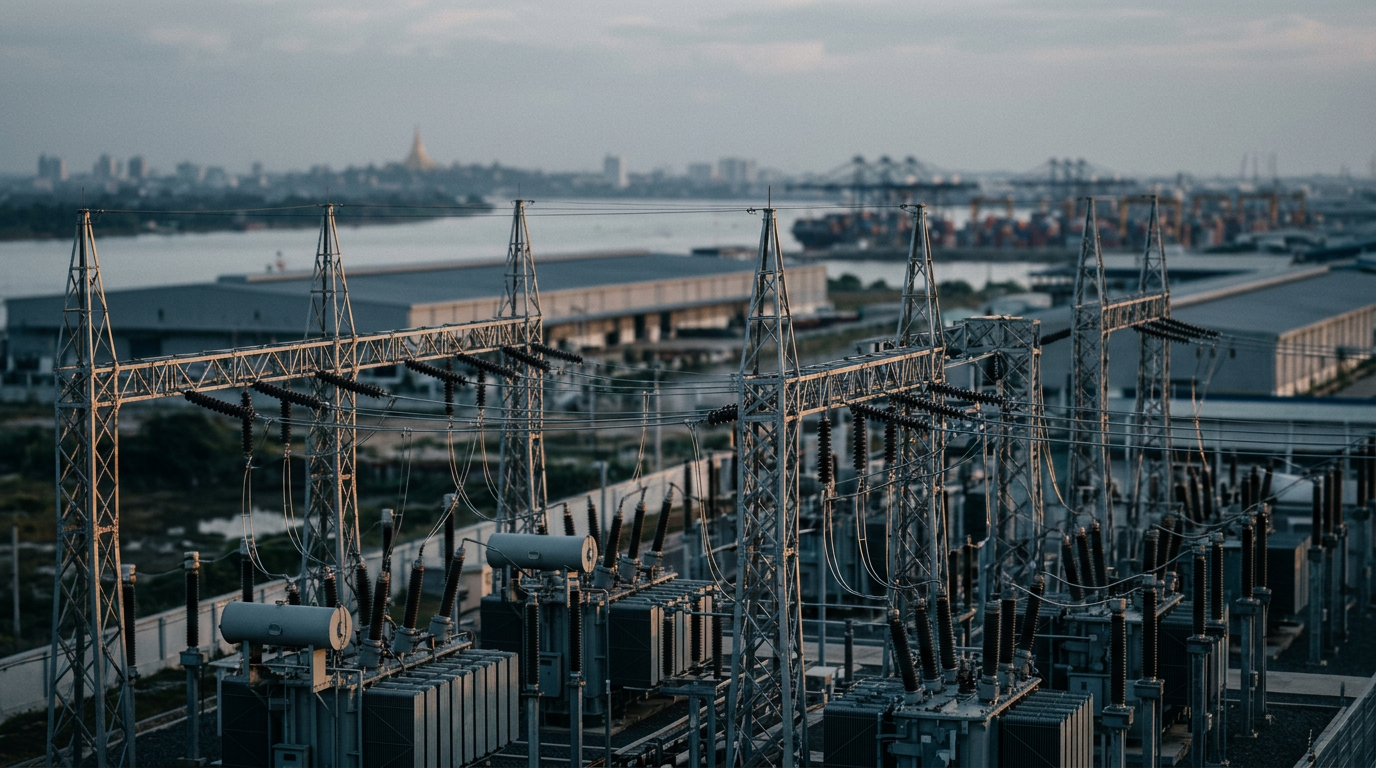
Reliable Power, Institutional Advantage
The recent partnership between Infineon and Eaton to develop next-generation power transformers for data centers highlights a core theme: institutional reliability is a key component of national comparative advantage.
 Myanmar
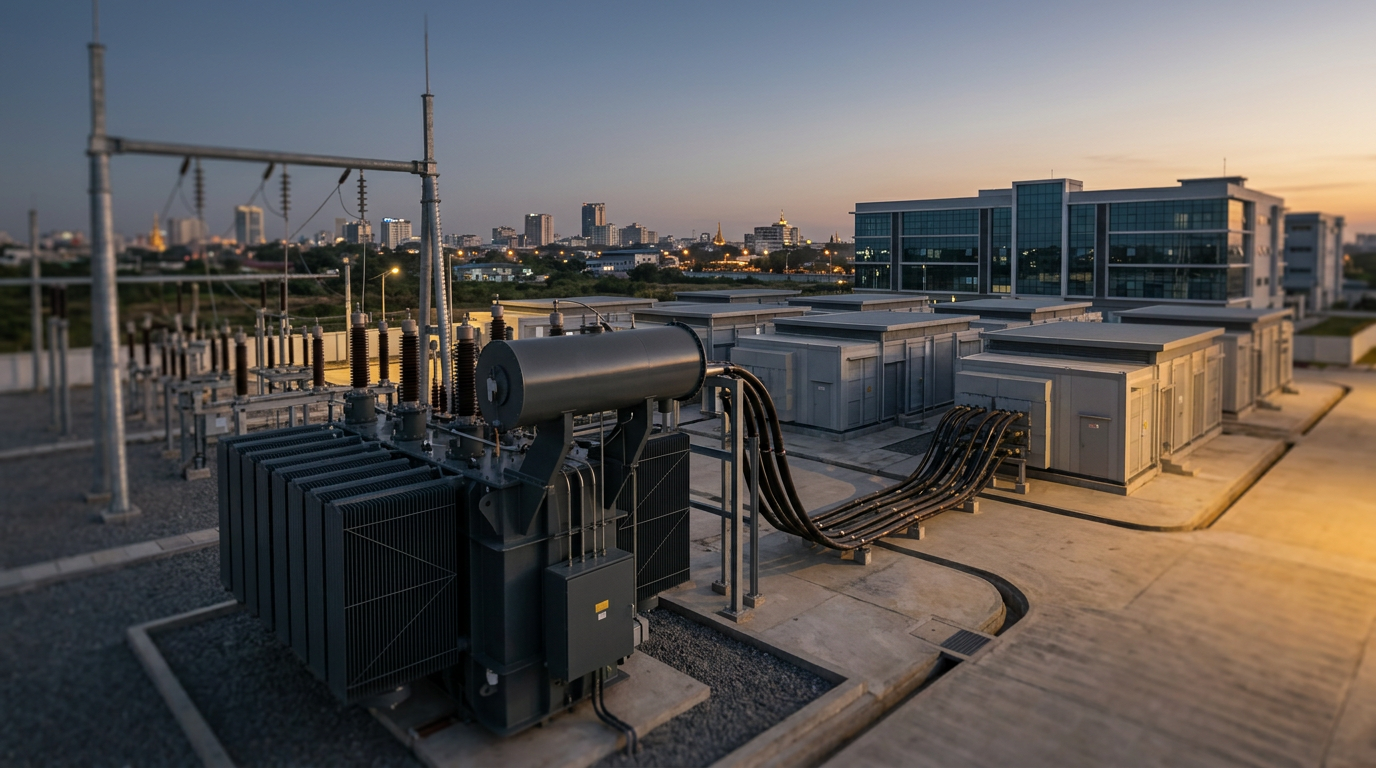
Reliable Infrastructure Attracts Advanced Industries to ASEAN
A partnership between Infineon and Eaton to develop new power transformers for data centers highlights the growing importance of dependable infrastructure in attracting high-value investment to Southeast Asia.
 Thailand
's Floods and the State Capacity Test
The recent social media flood in Bangkok, with over 100 million engagements, highlights a critical challenge for Thailand: the growing gap between digital savvy and physical resilience.
 Singapore
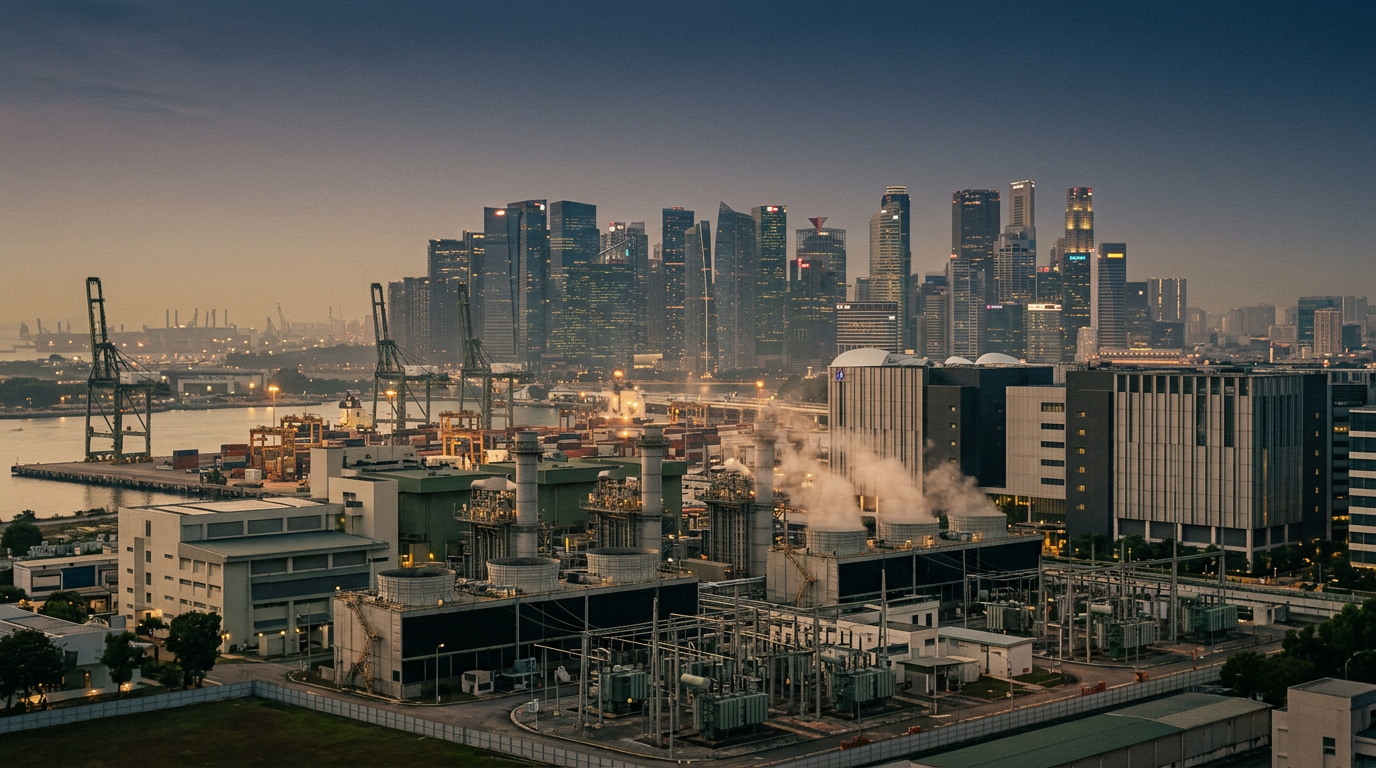
's Power Market Delivers a Lesson in Reliability
In a volatile world, Singapore's electricity market demonstrates the value of strong institutions and a dependable state. Its ability to provide stable power prices when global markets are in turmoil shows that institutional reliability is a core part of national comparative.