Thailand
's Floods and the State Capacity Test
The recent social media flood in Bangkok, with over 100 million engagements, highlights a critical challenge for Thailand: the growing gap between digital savvy and physical resilience.
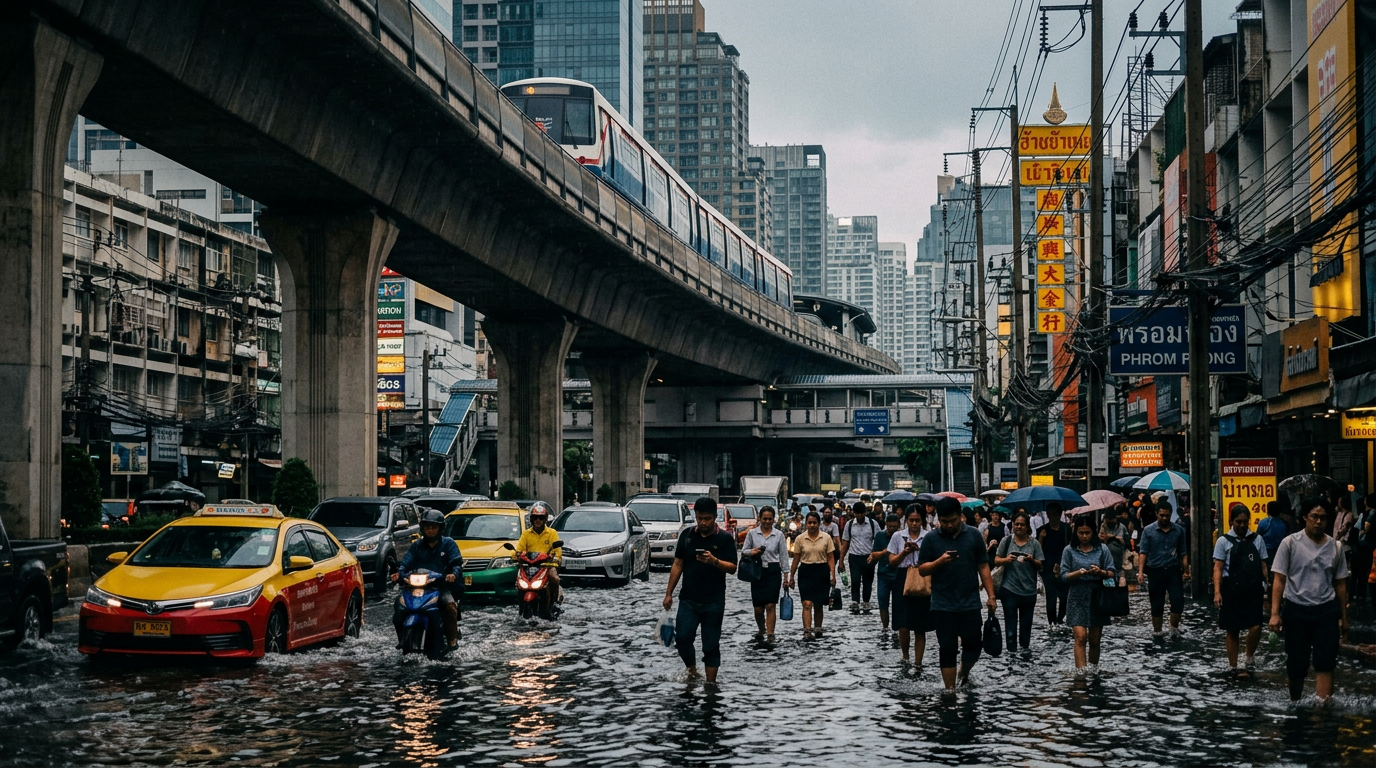
Recent social media activity during Bangkok's floods, as reported by the Bangkok Post, saw engagements surpass 109 million. This volume shows how citizens use online platforms for everything from early warnings to coordinating emergency aid. While this digital response is impressive, it also casts a harsh light on the city's physical infrastructure and the state's capacity to manage recurring disasters, moving the conversation from online discussion to real-world execution.
The Digital-Physical Divide
The massive online engagement indicates a population that is highly adaptive and digitally fluent. Thai citizens have effectively created a supplemental, ad-hoc disaster response network. This network is rapid and responsive, filling gaps left by official channels. However, its very existence points to a deeper issue: a deficit in institutional trust and a reliance on self-help when formal systems are perceived as inadequate. The digital sphere can amplify calls for help, but it cannot pump water out of a flooded street. The disparity between the sophisticated digital response and the recurring failure to prevent or mitigate urban flooding highlights a growing divide between Thailand's digital society and its physical state capacity.
Institutions and Infrastructure
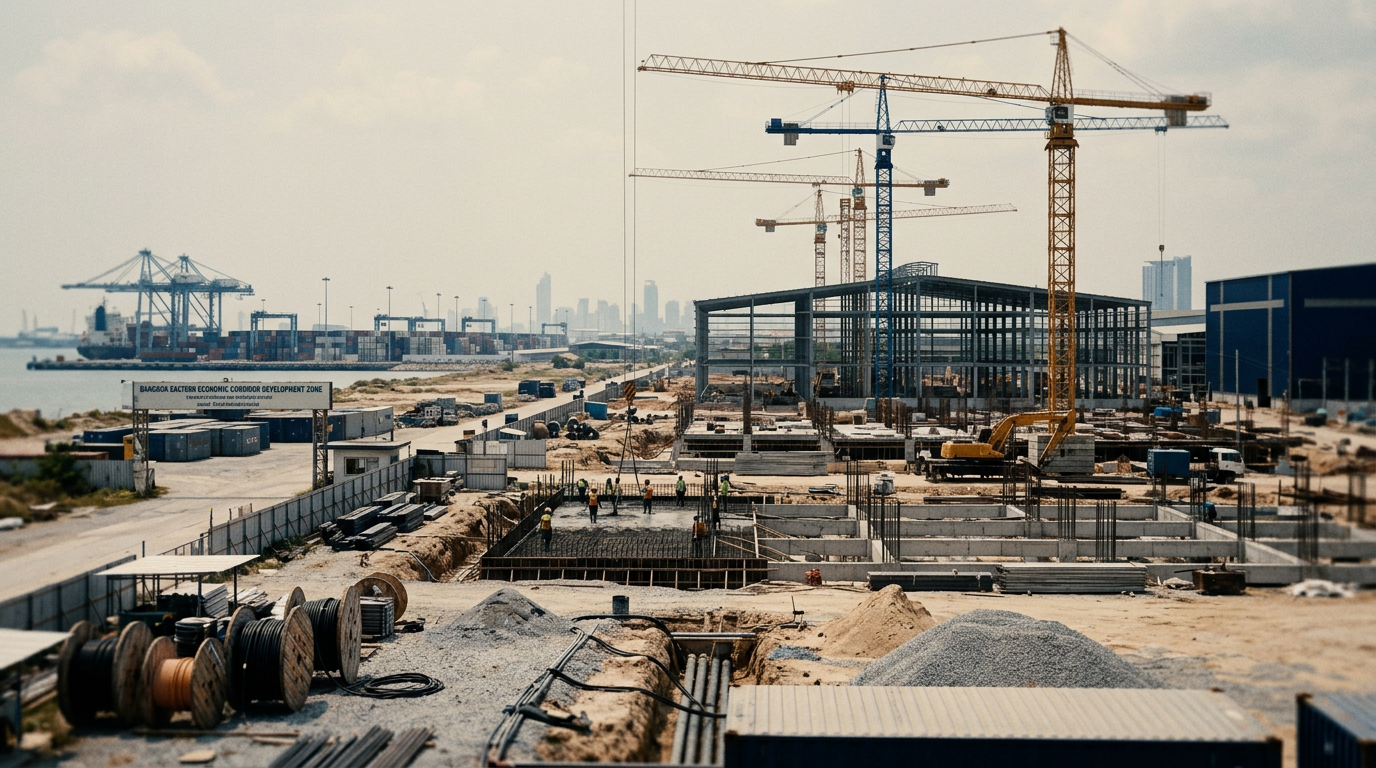
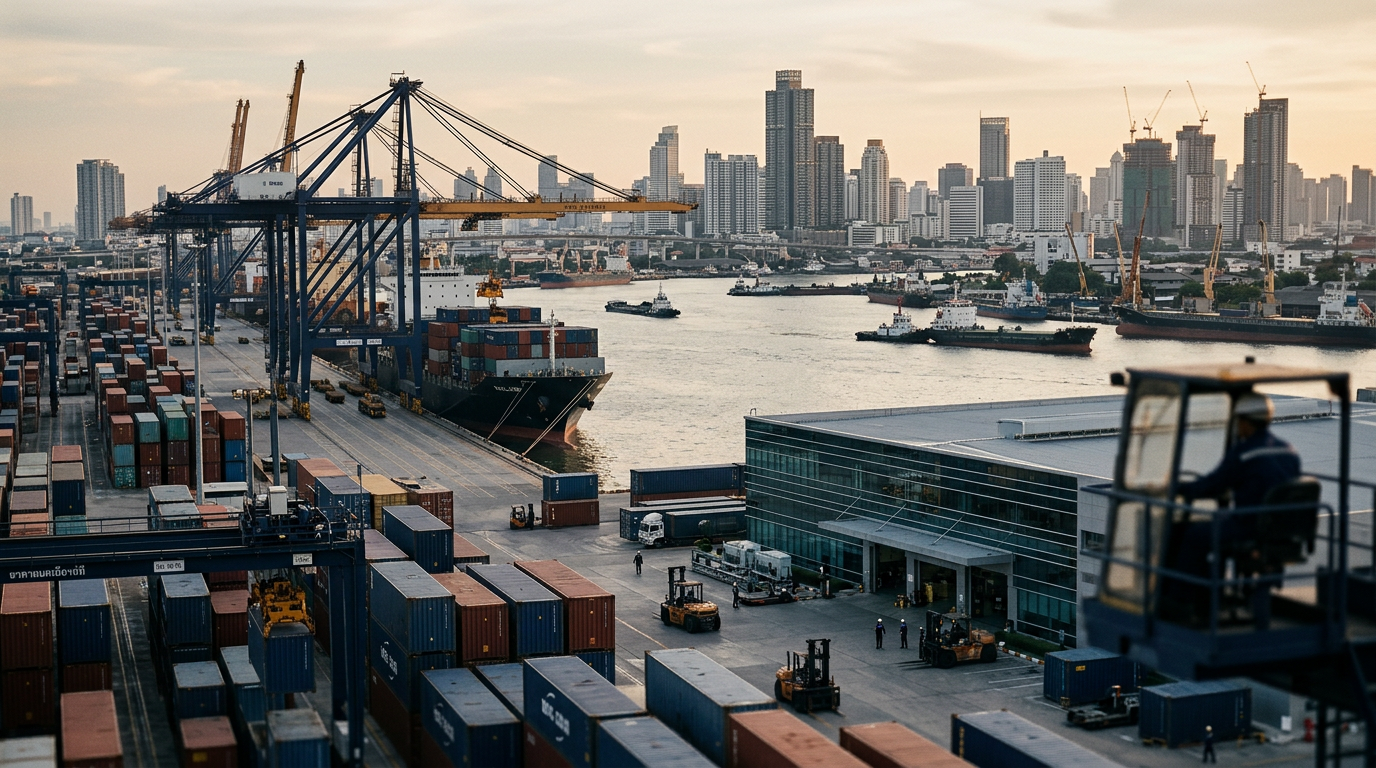
Effective governance is not just about having the right plans; it is about credible execution. As noted in ASEAN Rising, "Infrastructure that arrives on time signals more than infrastructure that is merely announced." The persistent flooding in Bangkok suggests a long-term failure to translate plans into resilient public works. Announcements of new flood-control projects mean little to residents and businesses who face the same disruptions year after year. This reliability gap has tangible economic costs, from damaged property and disrupted supply chains to diminished investor confidence. While social media can provide a temporary coping mechanism, it is a poor substitute for dependable, state-provided infrastructure. The ability of the state to build and maintain this infrastructure is a core component of its capacity to govern effectively.
What to watch
Observe whether the Thai government can bridge the gap between digital activism and concrete results. The focus will be on its ability to execute long-term infrastructure projects that demonstrably reduce flood risk in Bangkok. A shift from reactive online discourse to proactive, physical-world solutions will signal a meaningful improvement in state capacity and institutional reliability. The next monsoon season will serve as a practical measure of progress.