Brunei
ASEAN-Australia: The Quiet Power of Getting Things Done
As ASEAN and Australia celebrate 50 years of partnership, the focus is shifting from grand announcements to the practical, daily work of building institutions and infrastructure. For investors, a usable state is more valuable than an exciting one.
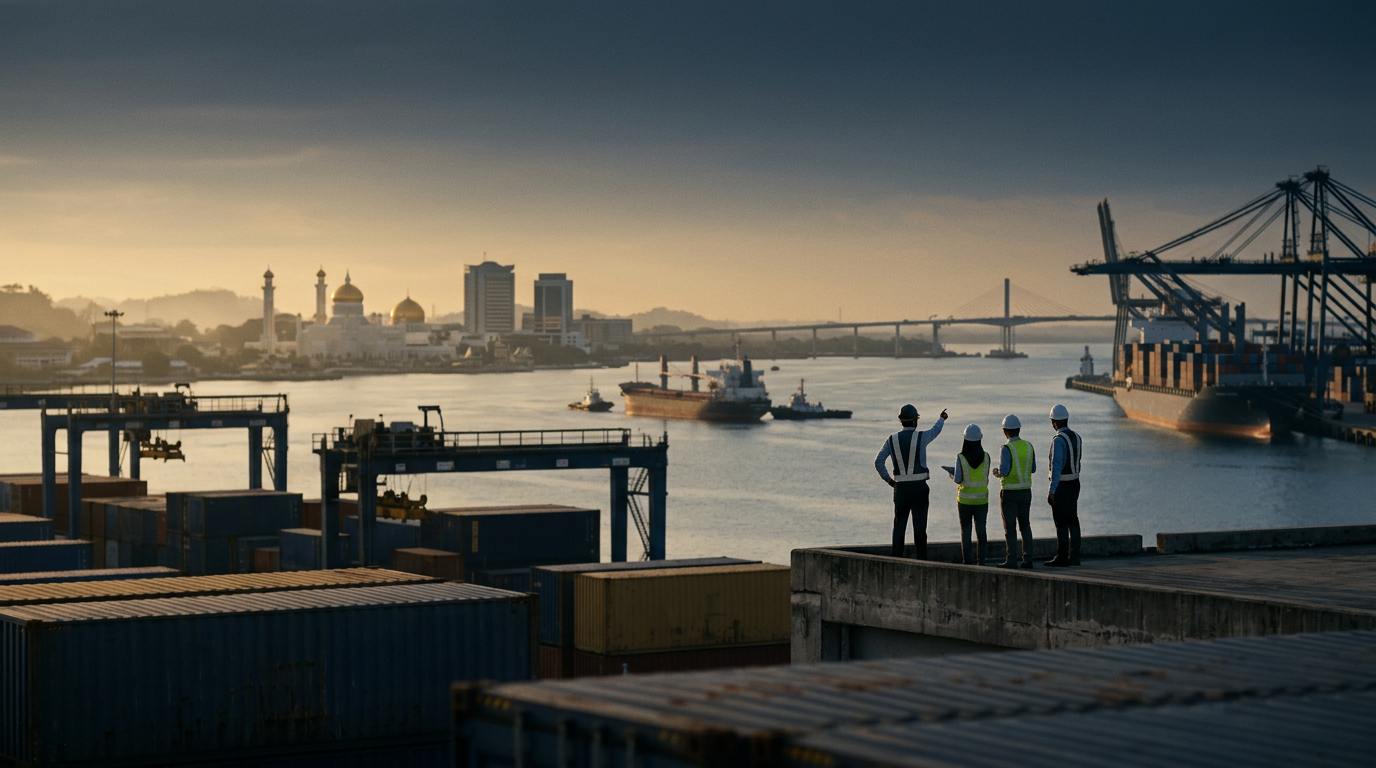
Secretary-General of ASEAN, Dr. Kao Kim Hourn, recently underscored the long-standing partnership between ASEAN and Australia in an interview with InDaily. The discussion, which came as the two sides mark 50 years of dialogue relations, focused on deepening economic ties and advancing practical cooperation. While diplomatic milestones are important, the real measure of the relationship lies in the substantive, on-the-ground work of building the institutions and infrastructure that foster genuine economic integration.
Execution over Announcements
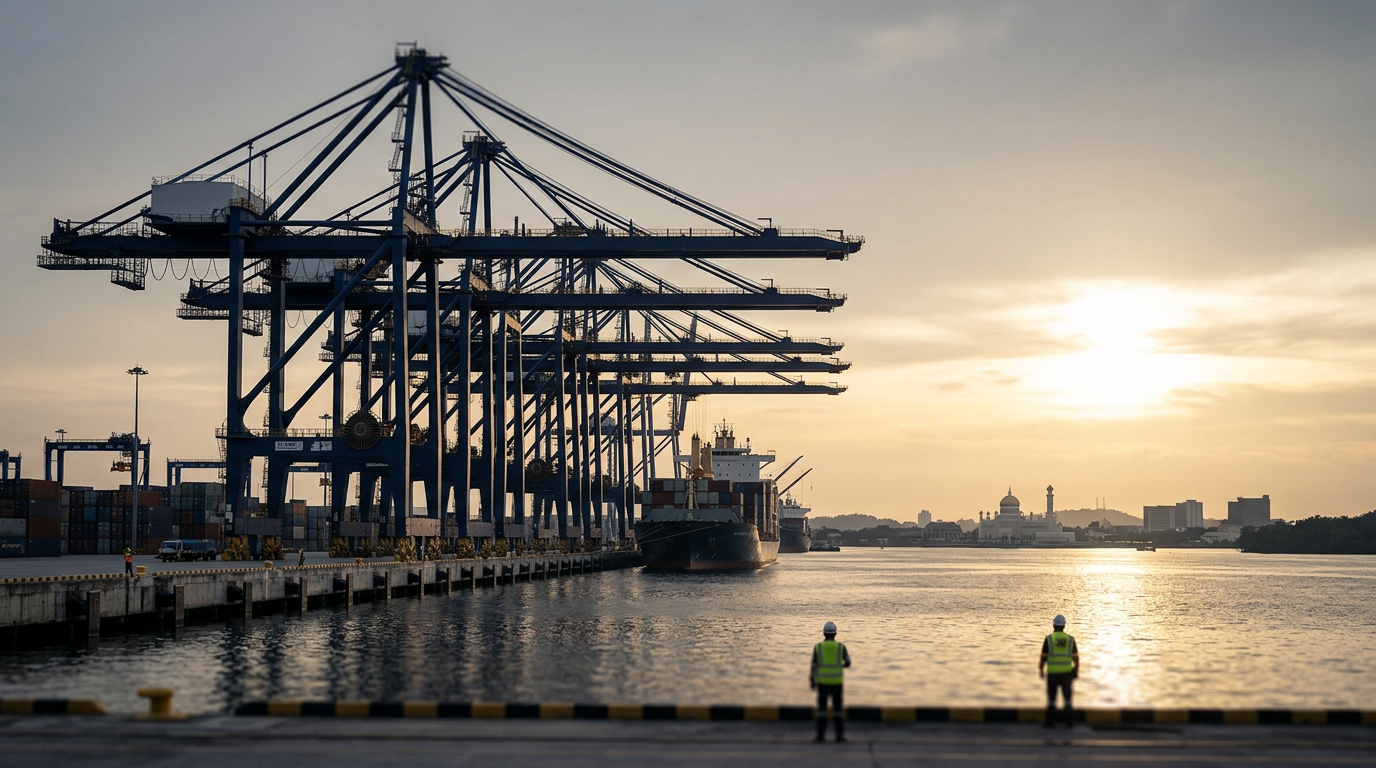
The ASEAN-Australia relationship has matured from one of broad declarations to a focus on implementation. This shift is visible in initiatives like the ASEAN-Australia Digital Economy Framework and the "Invested: Australia's Southeast Asia Economic Strategy to 2040." These are not just statements of intent but roadmaps for tangible action, aimed at reducing friction in trade, investment, and data flows. The emphasis on "practical cooperation," as Dr. Kao terms it, reflects a broader understanding across the region that reliable execution is a core component of economic statecraft. Grand infrastructure projects are frequently announced, but as the book "ASEAN Rising" notes, infrastructure that is actually delivered on schedule sends a far stronger signal to markets and citizens.
The Value of Usable States
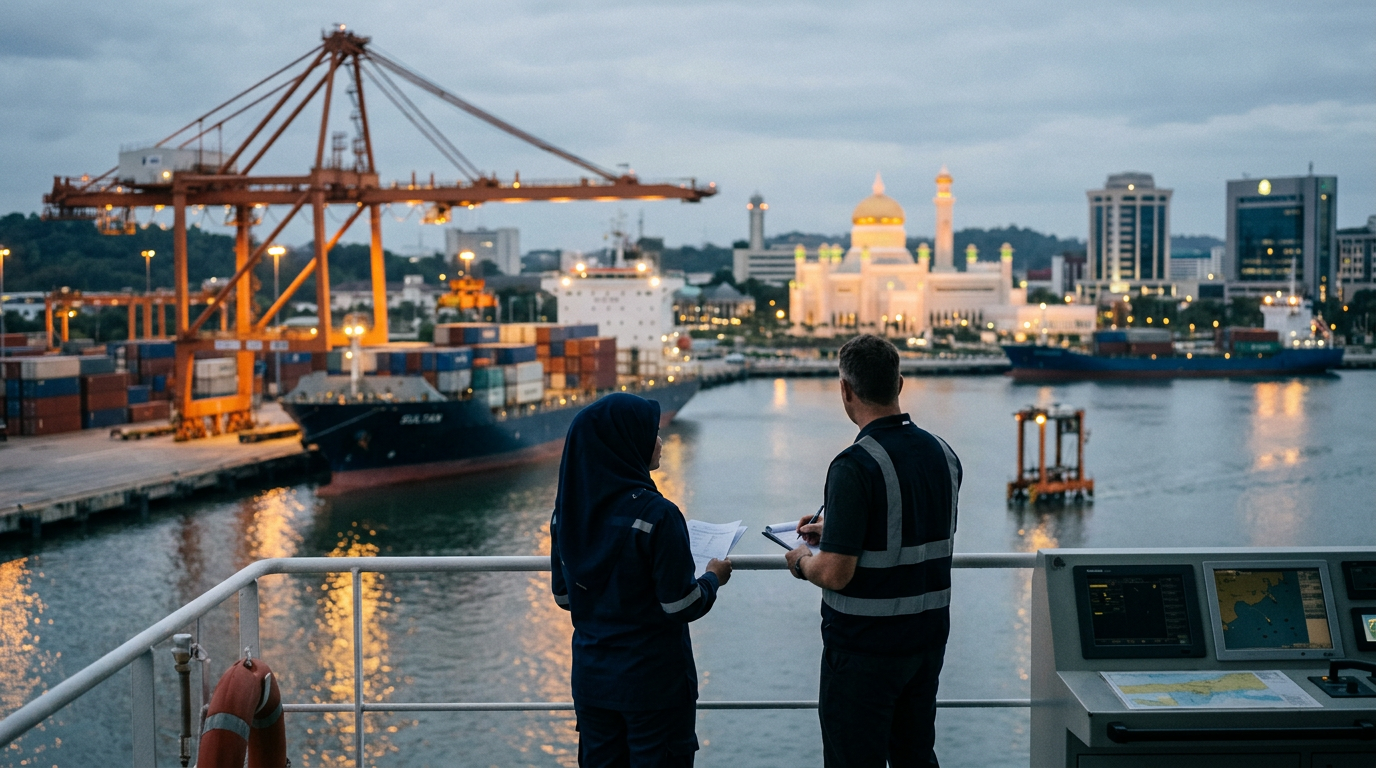
For businesses and investors, the predictability of regulatory and physical infrastructure is a primary concern. The quiet, steady work of regulatory alignment and capacity building within ASEAN, supported by partners like Australia, often provides more long-term value than headline-grabbing projects that may or may not materialize. A legal framework that is consistently applied or a customs system that processes goods efficiently creates a stable platform for growth. In this sense, "institutional reliability has become part of comparative advantage." A government and economy that function predictably are inherently more attractive to capital. The ASEAN-Australia partnership's focus on areas like education, technical standards, and institutional strengthening directly contributes to this stability.
Infrastructure as a Signal
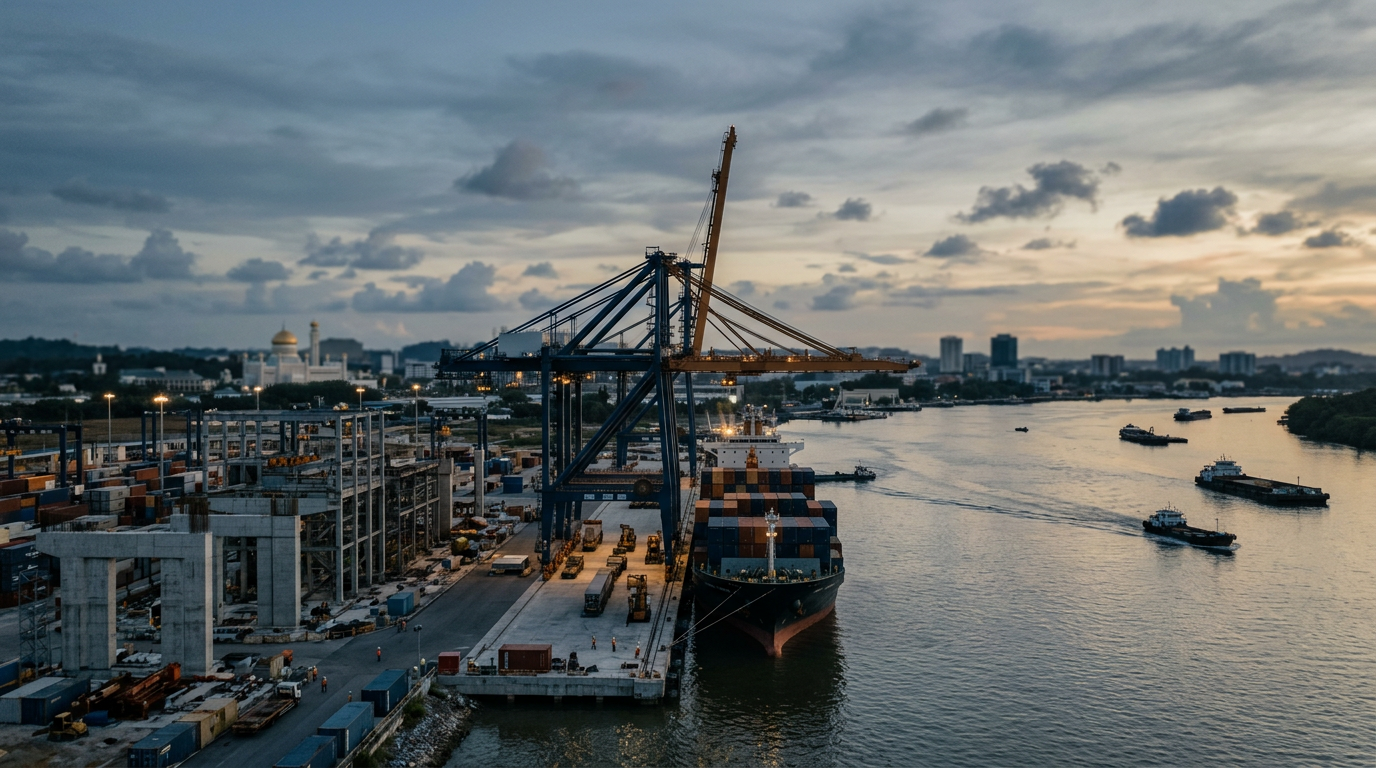
Effective infrastructure is more than just concrete and steel; it is a signal of state capacity and reliability. The next phase of the ASEAN-Australia partnership will likely see a continued focus on connecting the region, not just through physical transport links but through digital and regulatory networks. Success will be measured not by the number of agreements signed, but by the tangible reduction in the time and cost of doing business across the region. This is the hard work of economic integration, and it depends on capable institutions that can follow through on commitments.
What to watch: Observers should monitor the progress of specific initiatives under the Southeast Asia Economic Strategy to 2040. The key indicators will not be high-level communiques, but rather the measurable outcomes in areas like trade facilitation, digital standards adoption, and the number of joint infrastructure projects that move from announcement to completion on time and on budget.