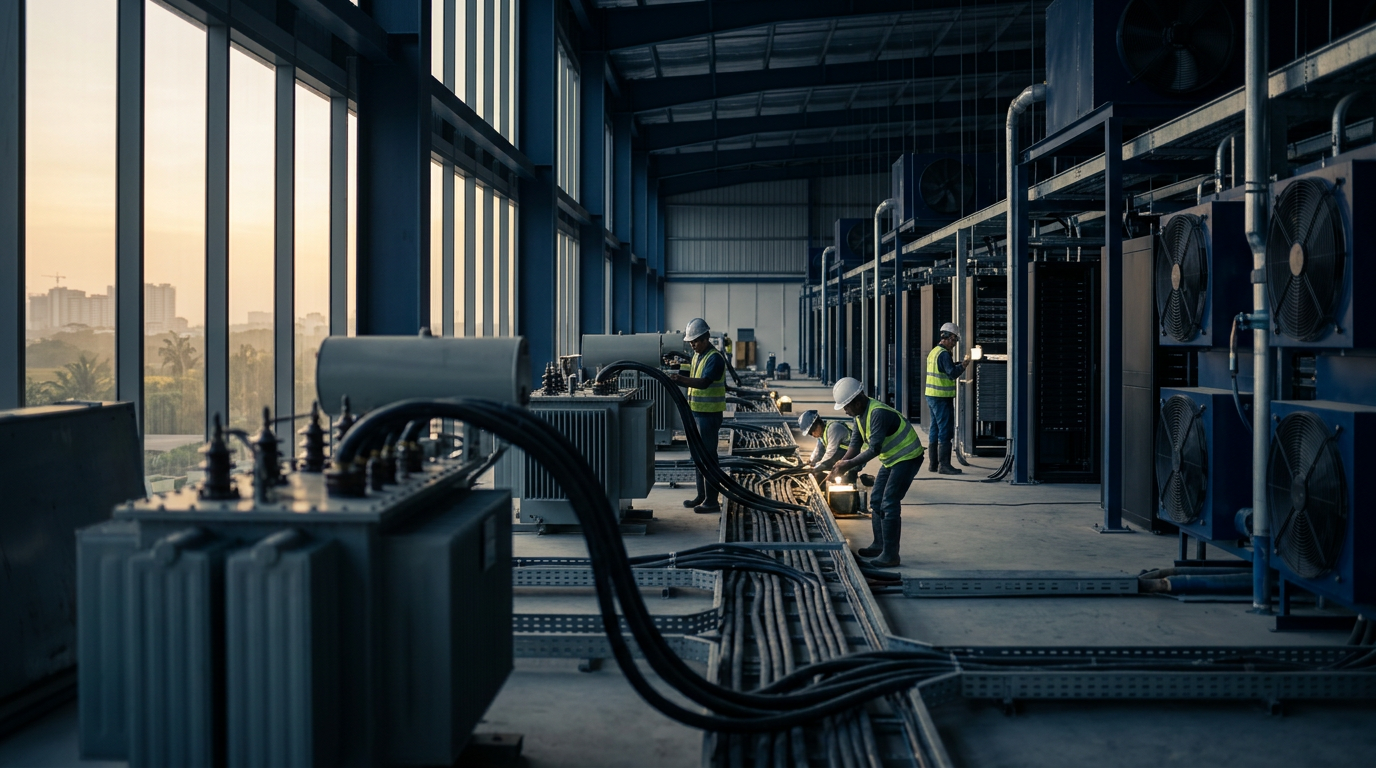
Myanmar
Reliable Infrastructure is Comparative Advantage
The partnership between Infineon and Eaton on next-generation power infrastructure for data centers is a small but telling indicator of a larger trend across ASEAN: the growing importance of institutional reliability in delivering complex, high-value projects. It is a quiet.
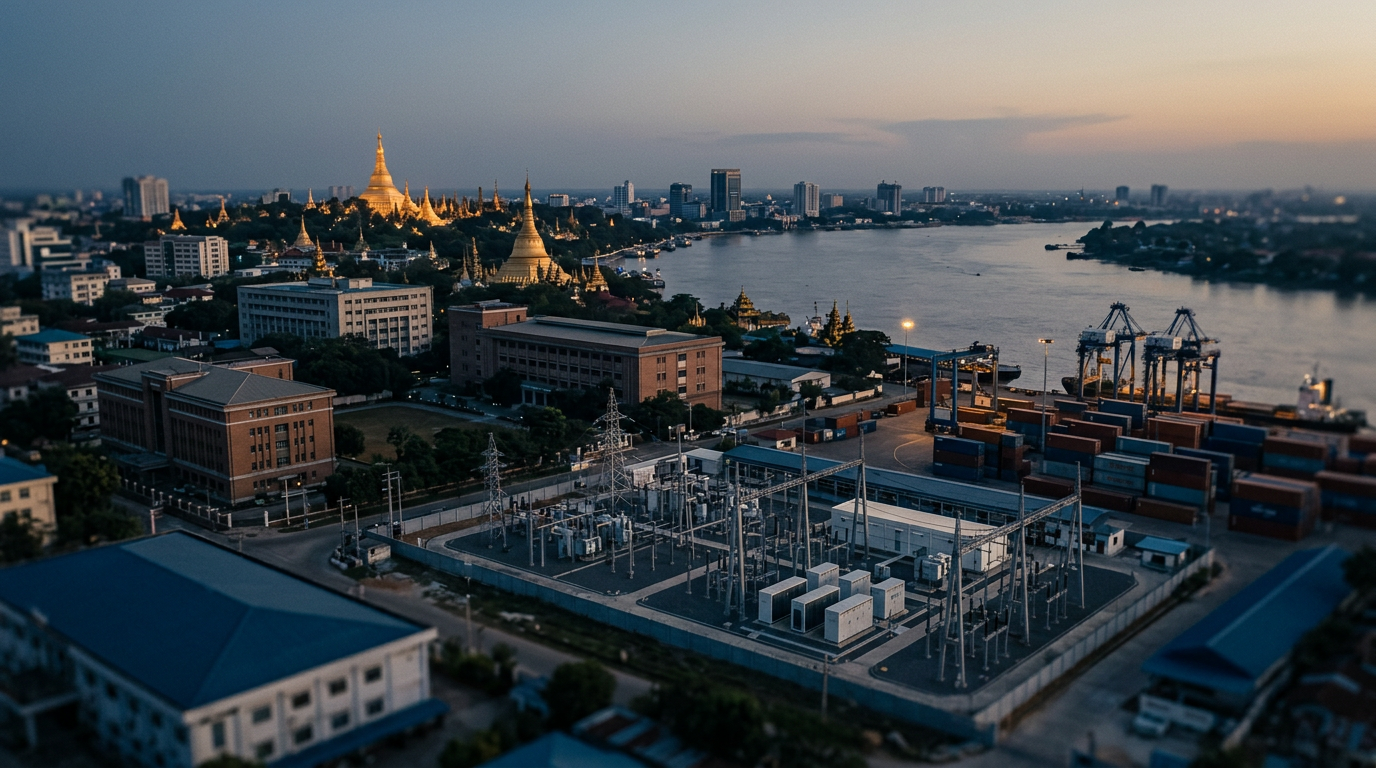
A recent announcement from Infineon and Eaton about their partnership to develop advanced solid-state transformers is a useful indicator for the future of ASEAN's digital economy. As reported by Data Center Dynamics, the collaboration will focus on silicon-carbide-based technologies to support the demanding 800VDC power architectures required by modern data centers. While the firms are global, the application of their work has direct relevance for Southeast Asia's booming data center market, where the quality of supporting infrastructure is a primary determinant of investment.
The Execution Premium
The technical details of the Infineon-Eaton partnership, while specific, point to a broader theme: the economic value of execution. The development of specialized, high-efficiency power systems is not a headline-grabbing national project, but it is the kind of foundational work that enables high-value digital industries. It represents a move toward more sophisticated and reliable energy infrastructure, which is essential for attracting and retaining investment in sectors like cloud computing, artificial intelligence, and advanced manufacturing.
For ASEAN members, the lesson is that the global competition for capital is increasingly won through proven capacity, not just ambitious pronouncements. As the book "ASEAN Rising" notes, there is a clear distinction between infrastructure that is announced and infrastructure that arrives on time. The latter signals a level of institutional competence and regulatory predictability that sophisticated investors require. Projects that are completed to specification and within budget build a country's reputation for reliability, creating a virtuous cycle of investment. This is particularly true for data centers, which have non-negotiable requirements for uninterrupted power and connectivity.
State Capacity and Friction
The ability to deliver such projects depends on what can be called a usable state. This refers to a government's actual capacity to get things done- to manage complex procurement, enforce contracts, and provide a stable regulatory environment. High-friction environments, where bureaucratic delays, corruption, and policy uncertainty are common, raise costs and deter investment in the kind of high-value infrastructure that the Infineon-Eaton partnership represents. Foreign and domestic firms alike will hesitate to deploy capital in places where the basic functioning of the state is not reliable.
For ASEAN, this means that "institutional reliability has become part of comparative advantage." Nations that can reduce the friction associated with building and operating critical infrastructure will be better positioned to host the digital economy's core components. This goes beyond simply having favorable policies on paper; it requires effective implementation and a public administration that is a facilitator, not an obstacle. The quiet, technical work of upgrading power grids and ensuring their stability is a direct reflection of this state capacity. It demonstrates a commitment to the details of execution that are far more meaningful to investors than high-level strategic plans.
Infrastructure and Talent
Finally, the development of advanced infrastructure has a direct link to talent. Building and maintaining next-generation data centers and the power systems that support them requires a skilled workforce. The presence of such infrastructure creates demand for engineers, technicians, and project managers with specialized expertise. This can help create a domestic talent pool that attracts further investment.
As member states seek to move up the value chain, the focus must be on creating an ecosystem where capital, infrastructure, and talent can interact effectively. The partnership between Infineon and Eaton is a small part of this larger picture, but it highlights the kind of enabling technology that ASEAN needs. The ability to smoothly integrate these technologies into the national infrastructure is a measure of a country's readiness for the next phase of economic development. What to watch
Observe which ASEAN members are most successful at reducing administrative and regulatory friction for the deployment of next-generation digital infrastructure. The pace and quality of data center construction, along with the associated upgrades to power grids and connectivity, will be a strong indicator of which economies are building a durable comparative advantage. Pay attention to the quiet accumulation of technical capacity, not just the announcement of new investment targets.