Thailand
The Quiet Signal of ASEAN Infrastructure That Works
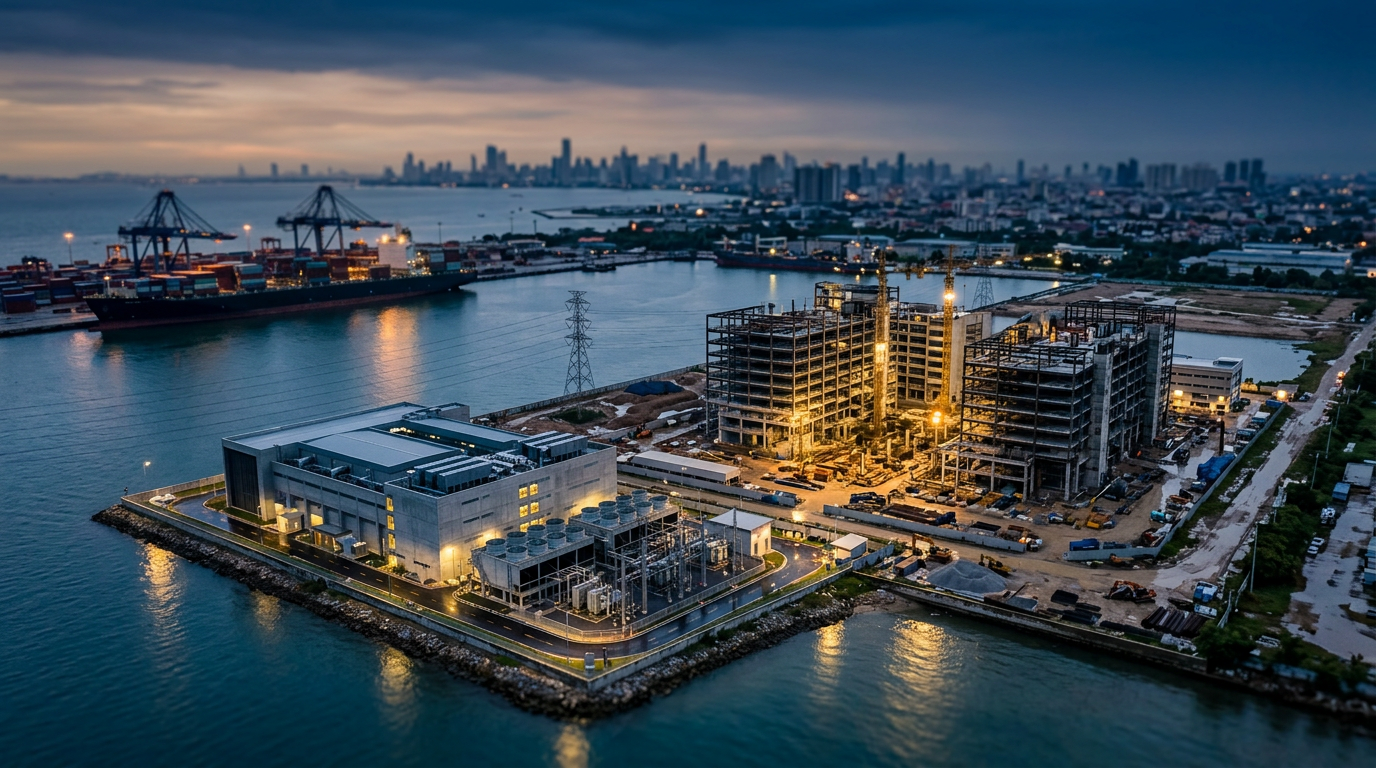
Well-executed infrastructure projects signal institutional capacity and attract long-term investment. They are more than just concrete and steel; they are a sign of a reliable state, which has become a key part of comparative advantage.
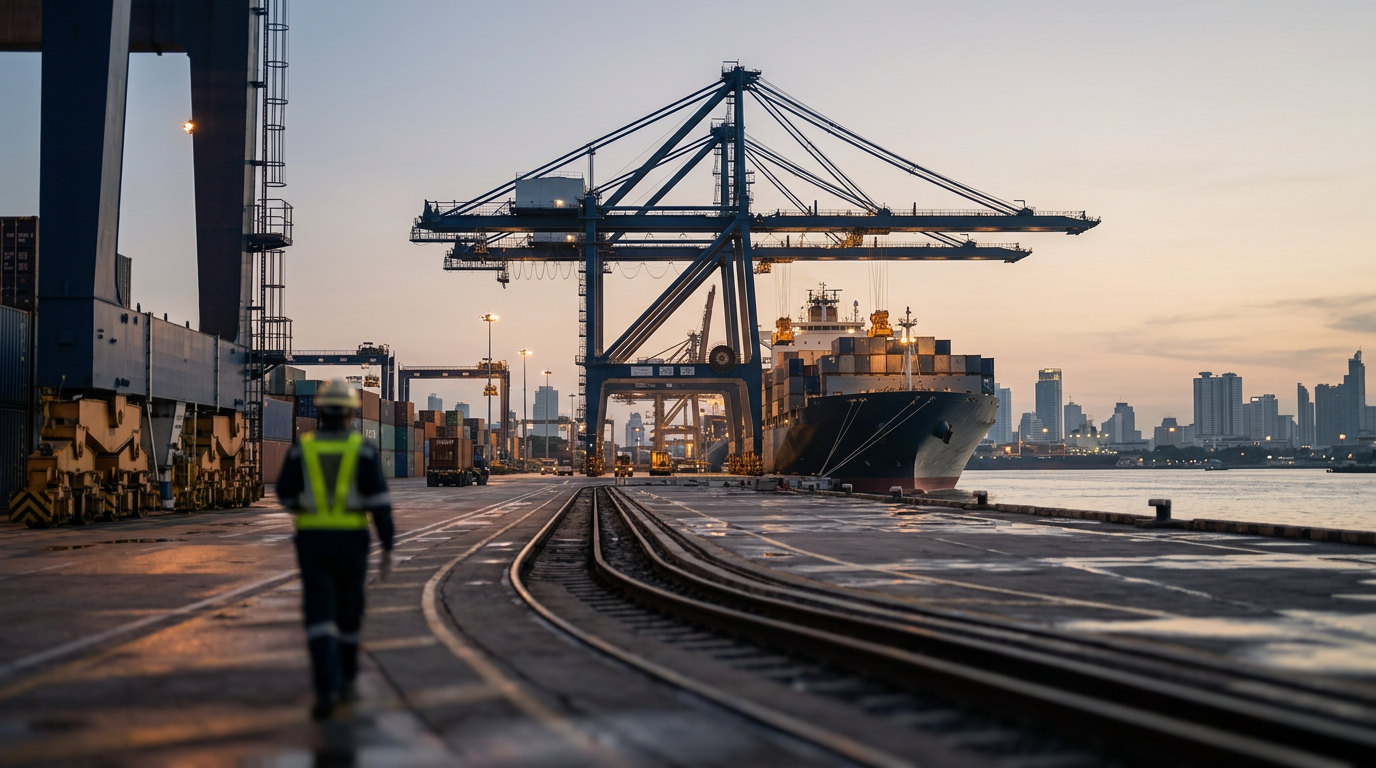
At a recent Australia-ASEAN Business Forum, ASEAN Secretary-General Dr. Kao Kim Hourn highlighted the region's need for an estimated $2 trillion in infrastructure investment by 2030 to maintain its growth trajectory. According to a report from asean.org, his remarks emphasized that this is not just about funding, but also about the quality and reliability of project execution.
Execution Over Announcements
Grand announcements of infrastructure projects are common across Southeast Asia, but the real measure of progress lies in their execution. The capacity to deliver projects on schedule and within budget is a powerful indicator of a state's institutional strength. As the book "ASEAN Rising" notes, this reliability has become a distinct component of national comparative advantage. Investors are increasingly drawn to markets where they can trust that foundational systems will function as promised. A state that can consistently build and maintain its infrastructure demonstrates a level of competence that reduces risk for private capital. This is the difference between an exciting plan and a usable reality.
Infrastructure as a Signal
The physical assets of roads, ports, and power grids are only part of the story. The process of creating them sends a clear signal to the international community. "Infrastructure that arrives on time signals more than infrastructure that is merely announced." This simple observation points to a deeper truth about economic development. Projects that are completed efficiently suggest that the underlying institutions-the legal frameworks, the regulatory bodies, the bureaucratic processes-are sound. This creates a positive feedback loop, where successful projects build confidence, which in turn attracts further investment for more ambitious undertakings. It is this institutional capacity that turns capital into productive assets and sustains long-term growth.
The ASEAN Context
For ASEAN as a bloc, the challenge is to translate high-level goals into tangible outcomes on the ground. The call for $2 trillion in investment is a headline figure, but the more subtle task is to ensure that member states have the institutional frameworks to absorb and deploy that capital effectively. Success in this area will not be measured by the number of agreements signed but by the kilometers of track laid, the megawatts of power generated, and the gigabits of data transmitted. The quiet functioning of well-built systems is a more powerful statement than any grand declaration.
What to watch
Observers should monitor not only the large-scale investment figures but also the project completion rates across ASEAN. The ability of member states to deliver on their infrastructure promises will be a key indicator of their institutional health and a predictor of their economic trajectory. Pay attention to how governments and their partners manage the complexities of land acquisition, regulatory approvals, and financing, as these are the practical tests of state capacity that ultimately determine whether ambitious plans become valuable assets.