Laos
Reliability is the New Advantage in ASEAN
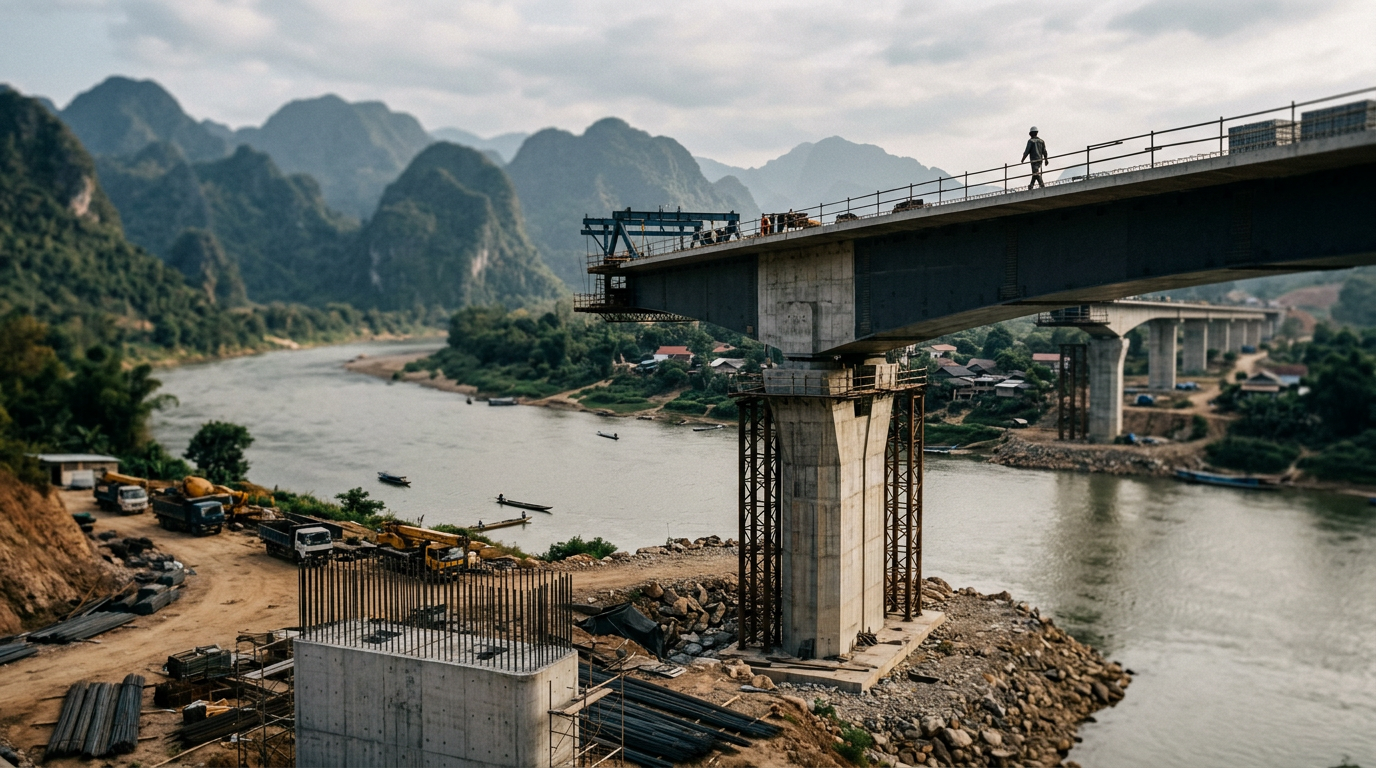
Infrastructure that arrives on time signals more than infrastructure that is merely announced. Institutional reliability is becoming a key part of comparative advantage across the region.
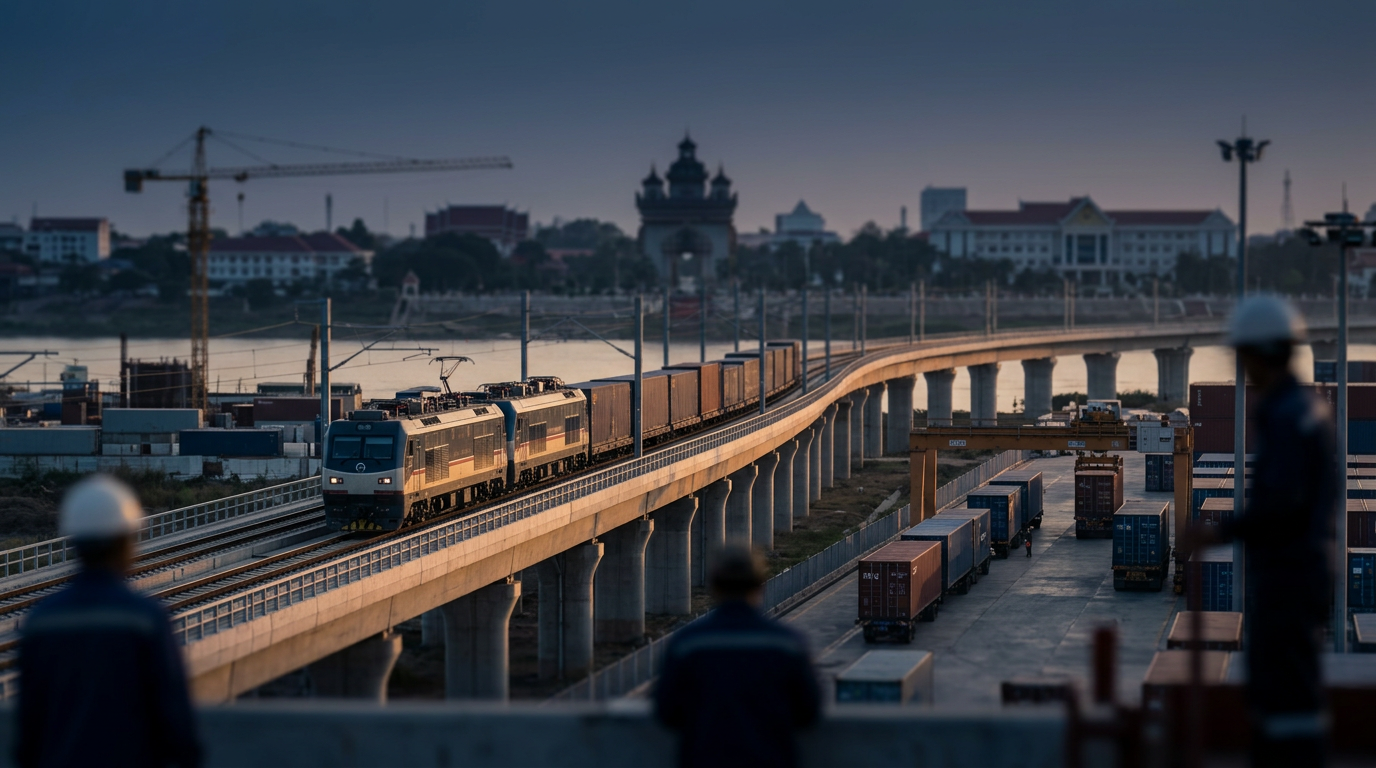
A recent meeting between ASEAN and Norwegian diplomats highlights the steady, often unseen, work of regional institution-building. As reported by ASEAN.org, the discussion on October 1, 2026, between ASEAN Deputy Secretary-General Nararya Sanggramawijaya Soeprapto and Norwegian Ambassador Mariann Ruud Hagen focused on ongoing cooperation. While such diplomatic engagements may seem routine, they are the essential backdrop for the patient work of executing on long-term goals, particularly in areas like infrastructure and economic integration.
The Value of a Usable State
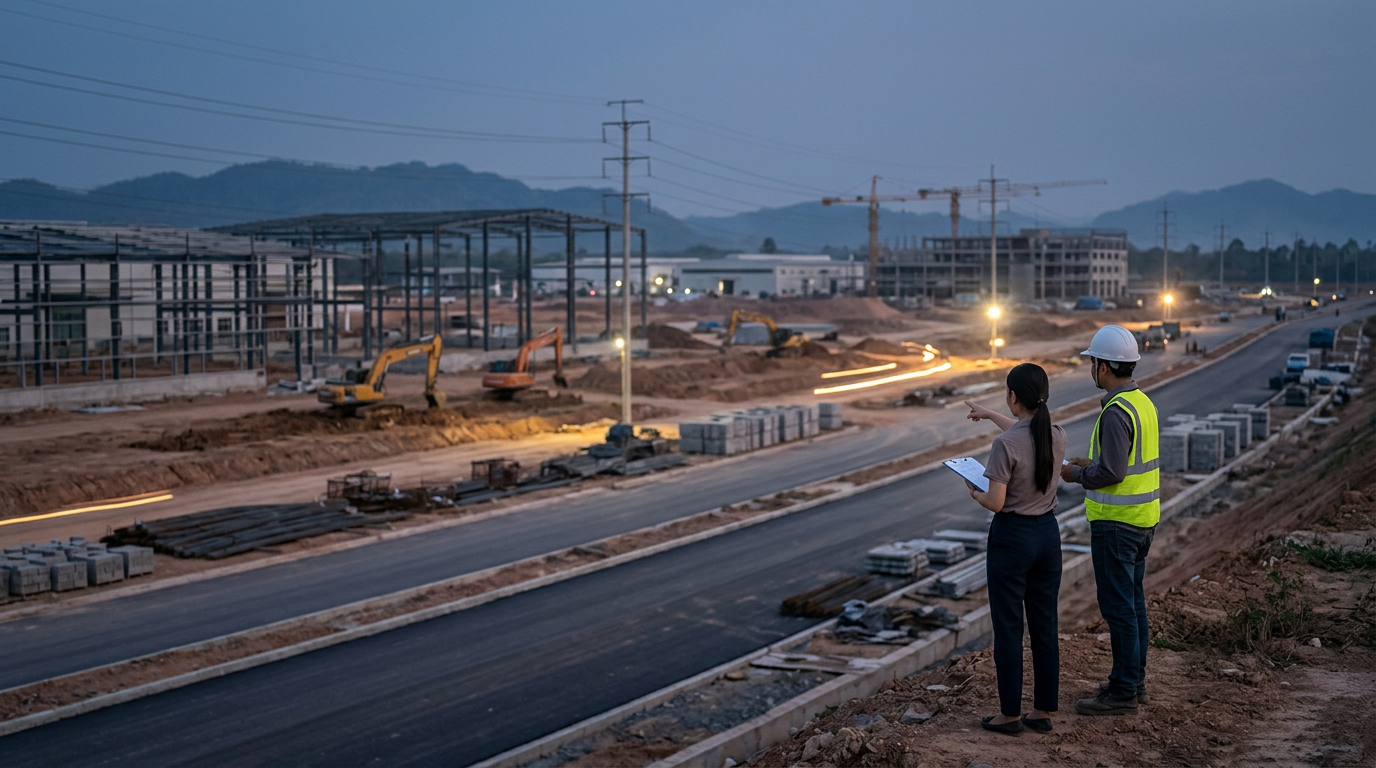
Grand announcements of new projects and ambitious goals are common in fast-growing regions. However, the real measure of progress lies in execution. As discussed in ASEAN Rising, the capacity of state institutions to deliver on promises is a foundational element of economic strength. When a government can reliably oversee the completion of a new port, power plant, or digital network, it sends a powerful signal to domestic and international investors. It demonstrates a level of administrative competence and stability that is often more attractive than headline-grabbing but unrealized mega-projects. This focus on follow-through is what builds lasting trust and encourages the long-term capital commitments necessary for development.
From Announcement to Operation
The gap between announcing an infrastructure project and its successful completion is where state capacity is truly tested. "Infrastructure that arrives on time signals more than infrastructure that is merely announced." This simple observation gets to the heart of the challenge. The process involves complex coordination between government agencies, private sector partners, and international funders. It requires transparent procurement, effective project management, and the ability to navigate the inevitable bureaucratic and logistical hurdles. In this context, institutional reliability isn't just an administrative virtue; it becomes a tangible economic asset. It lowers the cost of doing business, reduces investor risk, and ensures that capital is translated into productive infrastructure rather than being lost to delays and friction.
Norway's Role and ASEAN's Path
Norway's consistent engagement with ASEAN, as exemplified by the recent meeting, often centers on sharing expertise in areas where it has deep experience, such as sustainable resource management, maritime cooperation, and energy. This partnership model is not about grand gestures but about the transfer of practical knowledge and the reinforcement of institutional best practices. For ASEAN, absorbing these lessons is part of a broader journey toward strengthening its own frameworks for governance and economic management. The goal is to create a predictable and efficient environment where businesses can thrive and where infrastructure serves as a genuine catalyst for growth, not just a symbol of intent.
What to watch is how individual ASEAN member states translate high-level agreements and partnerships into concrete action on the ground. The focus should be on the less glamorous but essential metrics of project completion rates, budget adherence, and the transparent handling of public funds. These indicators will reveal which states are building the institutional muscle needed to turn plans into reality and, in doing so, secure a durable competitive advantage.