Vietnam
The Expressway to Development in Việt Nam
Việt Nam is looking for private capital to build out its national expressway network. For investors, the reliability of state institutions will be as important as the spreadsheets.
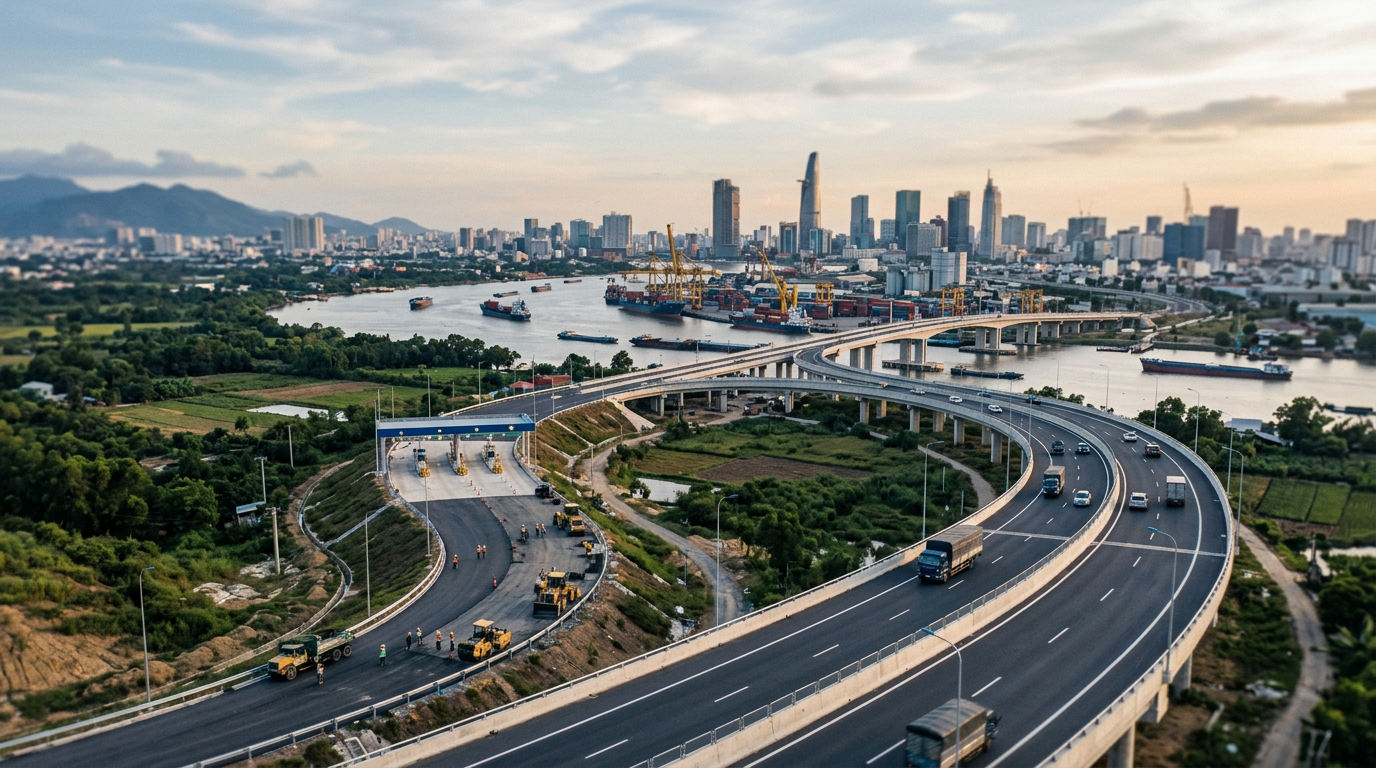
Việt Nam is seeking approximately VND846 trillion in private capital to fund 29 priority expressway projects, part of a push to expand its network to over 5,000 kilometers by 2030. A report in Việt Nam News outlines the government's renewed effort to bring private investors into public-private partnership (PPP) infrastructure projects that are essential for the country's continued economic growth.
Institutions and investor confidence
Attracting the required volume of private capital hinges on investor confidence, not just in the economic viability of the projects but in the state's ability to execute. Large-scale infrastructure projects are long-term commitments. Investors need assurance that contracts will be honored, regulations will be applied consistently, and disputes will be resolved fairly. As the book "ASEAN Rising" notes, the capacity of state institutions to deliver on their promises is a form of competitive advantage. A history of successful, on-time project completion is a powerful signal to the market. For investors, a state that can demonstrate its reliability is often a more attractive partner than one that only offers ambitious plans.
The PPP framework on trial
Việt Nam has used a PPP model for infrastructure for years, but attracting foreign capital has been a persistent challenge. Issues such as revenue sharing, risk allocation, and government guarantees have been points of friction. The current push for expressway development is a practical test of the country's revised legal and administrative frameworks governing PPPs. The government is signaling its intention to create more favorable conditions, including implementing more transparent bidding processes and potentially offering revenue risk-sharing mechanisms. The success or failure of this new batch of 29 projects will inform foreign investor perceptions for years to come. The goal is to create a track record that proves "infrastructure that arrives on time signals more than infrastructure that is merely announced."
From plans to pavement
The economic case for a modern expressway system in Việt Nam is clear. Improved logistics will reduce the cost of doing business, connect industrial zones to ports and border crossings, and facilitate national economic integration. This aligns with the country's broader industrialization and modernization goals. The challenge, as ever, is in the execution. Turning blueprints into asphalt requires more than just capital. It requires a high degree of coordination between national and provincial authorities, efficient land acquisition processes, and a clear, predictable legal environment for private partners. The ability to manage these complex processes is a direct measure of state capacity.
What to watch
The immediate focus will be on the bidding process for the initial projects in this new portfolio and the specific terms offered to investors. The level of interest from experienced international infrastructure funds will be a key indicator of whether the government's revised approach is resonating with the market. Also, observe how the state manages land clearance and resettlement, which are frequent sources of delay in large infrastructure projects. The efficiency and fairness of this process will be a significant test of institutional capability.