Philippines
Manila's Cruise Port Plan and the Value of a Usable State
A planned P5-billion cruise port in Manila highlights the difference between announcing infrastructure and delivering it, a core theme in ASEAN's development.
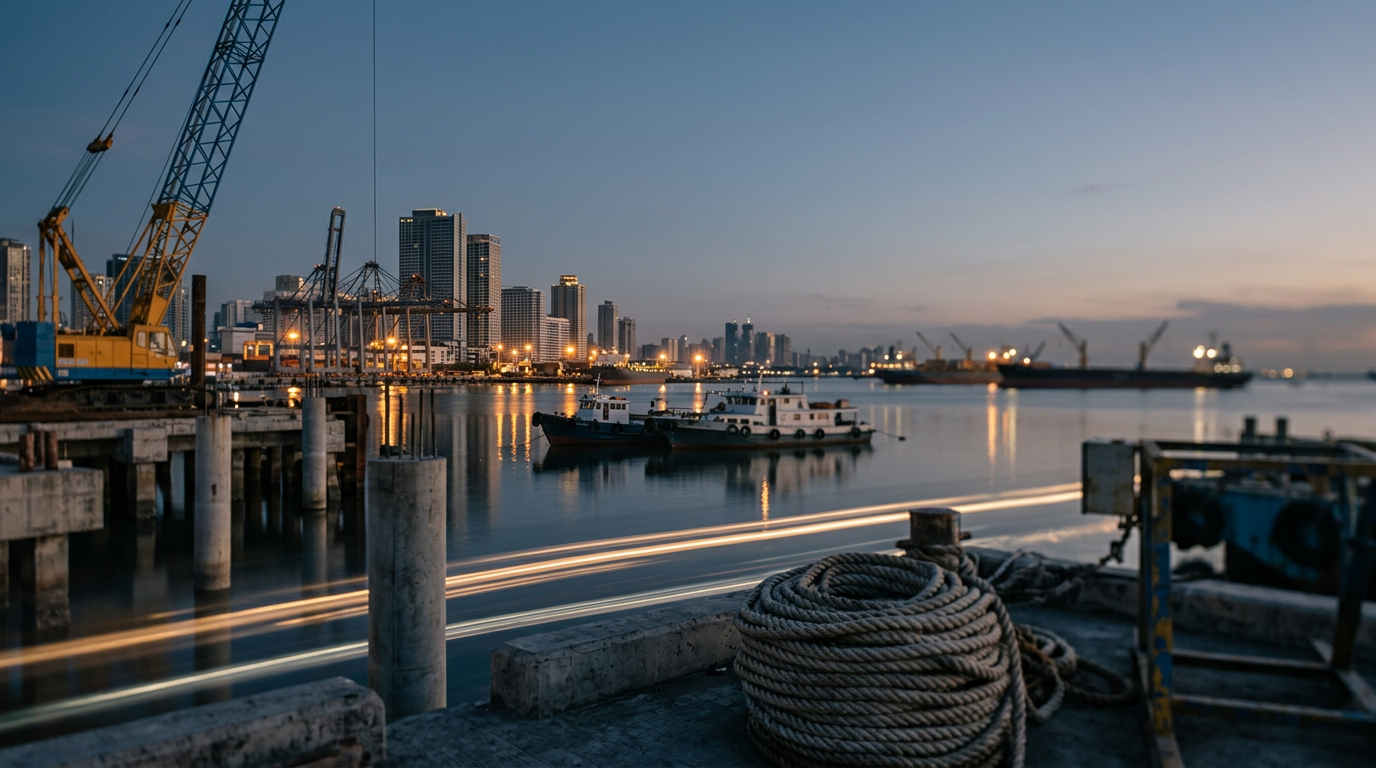
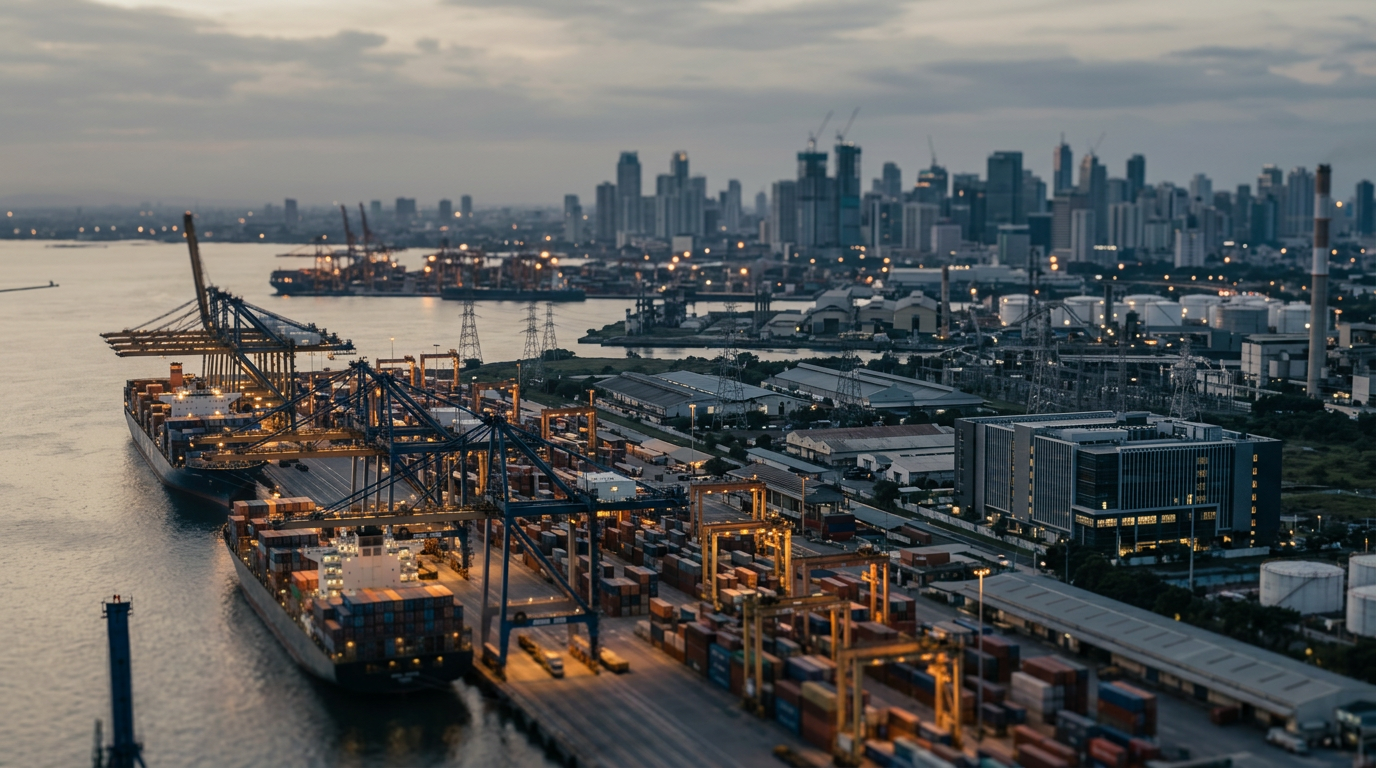
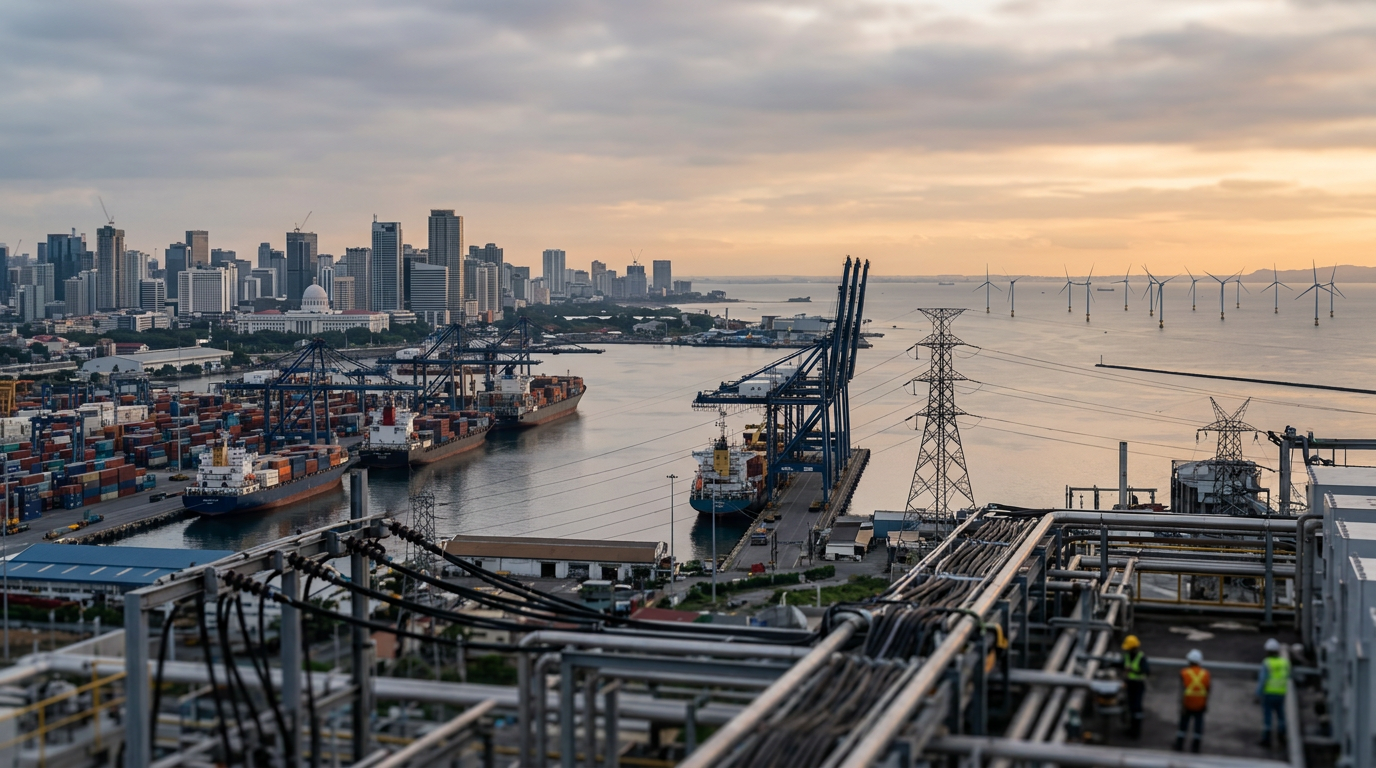
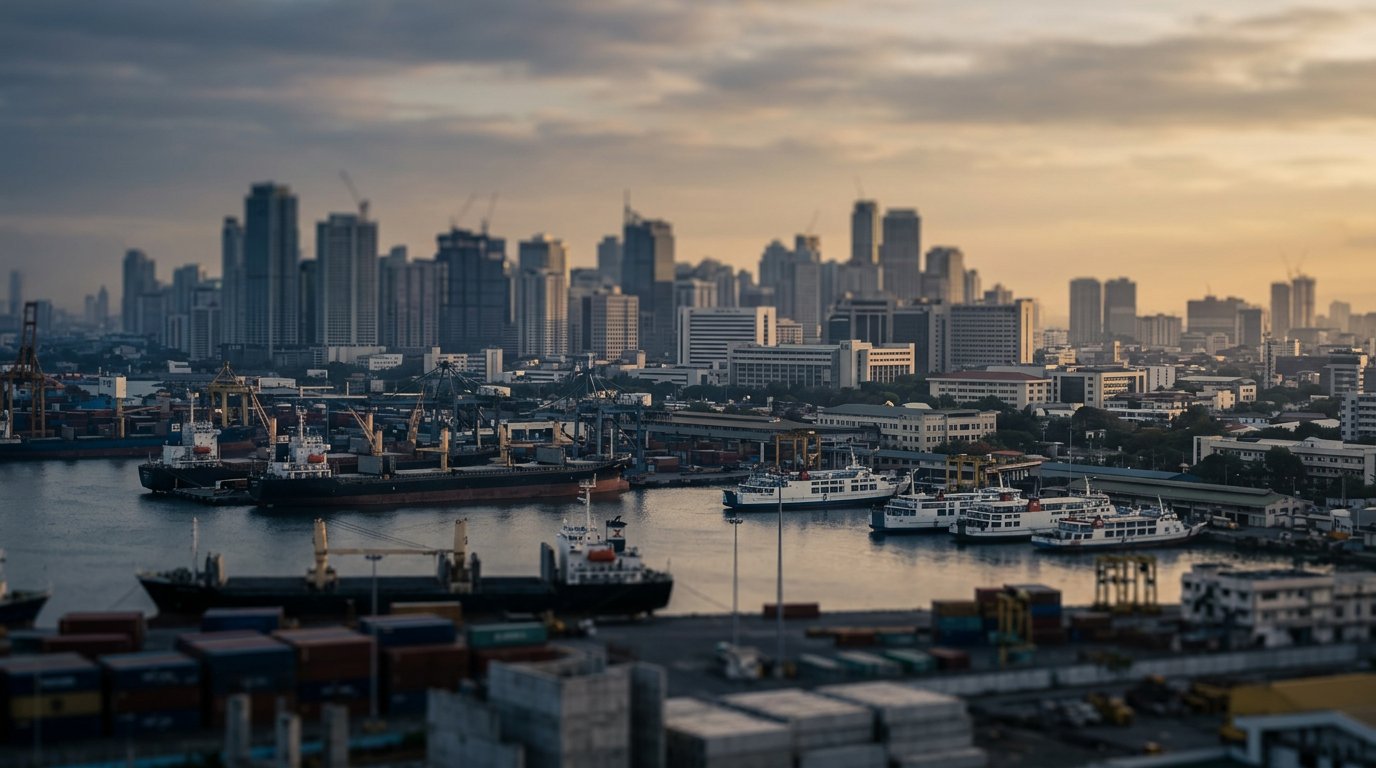
A recent report that a P5-billion cruise port project in Manila is advancing to the feasibility study stage is a positive signal for Philippine infrastructure development. According to a report from philstar.com, this step marks progress in the government's broader strategy to enhance the country's port infrastructure to support its tourism and economic goals. While the announcement is welcome, the project's journey from study to operational reality will serve as a practical test of institutional capacity and the ability to execute large-scale capital projects.
The Infrastructure Signal
Grand infrastructure announcements are a common feature of economic planning in Southeast Asia. They signal ambition and a commitment to future growth. However, as "ASEAN Rising" notes, the true measure of progress is not in the announcement but in the execution. The book argues that "Infrastructure that arrives on time signals more than infrastructure that is merely announced." The gap between a plan and a finished, functioning asset is where institutional friction becomes a tangible cost. For the Manila cruise port, this friction will manifest in land acquisition, regulatory approvals, financing arrangements, and construction management. Overcoming these hurdles efficiently is what separates a press release from a competitive advantage.
From Exciting to Usable
The development of state capacity is a central theme in the region's economic story. A government's ability to deliver essential services and infrastructure reliably is a core component of its competitiveness. This project is not just about building a physical port; it is about demonstrating that the institutions backing it are dependable. The book emphasizes that a usable state, one that can predictably manage complex processes, is often more valuable to investors and citizens than one that offers ambitious but unrealized visions. The successful completion of the Manila cruise port would send a strong message about the Philippines' capacity for project execution and its institutional reliability, attracting further investment in the process.
Capital and Credibility
A project of this scale requires significant capital, and the ability to attract and deploy it effectively is linked to institutional credibility. The P5-billion figure is just the initial estimate; costs can escalate without disciplined project management and a stable regulatory environment. Investors, whether public or private, assess the risks associated with institutional weaknesses. A transparent and efficient process, from the feasibility study to the final construction, builds the trust necessary to secure financing on favorable terms. The path of this cruise port will therefore be a measure of the Philippines' ability to translate a strategic plan into a bankable project, reinforcing the idea that institutional reliability has become a form of comparative advantage in a competitive global market.
What to watch next is how the Philippine government and its private sector partners navigate the complexities of the feasibility and approval stages. The timeline for completion, the management of the budget, and the transparency of the process will be indicators of the country's institutional strength. The ultimate success of the Manila cruise port will be measured not by the initial announcement, but by its timely and on-budget delivery, providing a tangible asset for the country's economy.