Vietnam
's Long-Term Airport Plan Hinges on Execution
Vietnam has an ambitious plan to more than double its airport capacity by 2030, but its success will depend on institutional reliability and the state's ability to deliver complex, long-term infrastructure projects.
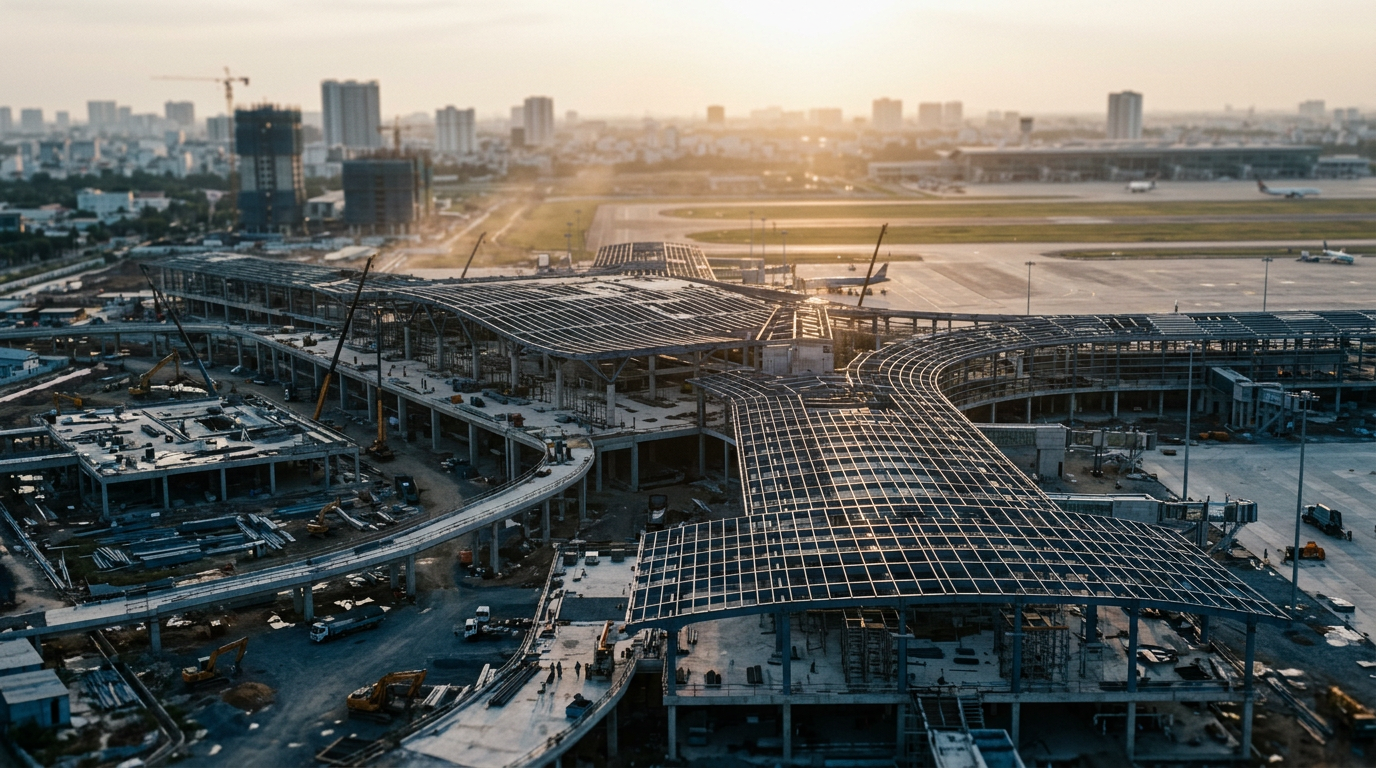
Vietnam's government recently approved an ambitious plan to develop its national airport network, a move reported by numerous outlets including the Business Times. The plan aims to bring the country's total number of airports to 30 by 2030, with a target of handling 278 million passengers annually, more than double the capacity of 2019. This initiative highlights the critical link between infrastructure development and economic ambition, but it also surfaces the deeper challenges of execution and state capacity in a rapidly growing ASEAN economy.
The High Cost of Friction
Delayed infrastructure projects, particularly in vital sectors like aviation, carry substantial economic costs. As passenger and cargo traffic grows, overwhelmed airports lead to delays, increased operational expenses for airlines, and a diminished traveler experience. These frictions can constrain tourism growth, hinder trade, and ultimately reduce a country's attractiveness as an investment destination. The plan for Vietnam, centered on major projects like Long Thanh International Airport, is a direct response to the overwhelmed state of Tan Son Nhat International Airport in Ho Chi Minh City. Long Thanh is envisioned not just as a new airport but as a new international hub, a goal that depends entirely on timely completion.
Institutions and State Capacity
The success of Vietnam's airport expansion hinges less on the vision and more on the state's capacity to execute it. This involves more than just construction; it requires a coordinated effort across multiple government agencies, transparent and efficient procurement processes, and effective management of vast capital sums, much of which is expected to come from private investment. As the book "ASEAN Rising" notes, institutional reliability is a form of comparative advantage. "Infrastructure that arrives on time signals more than infrastructure that is merely announced." The ability to deliver a complex, multi-decade project like the national airport network is a powerful indicator of a government's effectiveness and its ability to turn plans into reality.
Capital and Trust
Attracting the necessary private capital for these projects requires a high degree of trust. Investors need to be confident that the government can provide a stable regulatory environment, honor contracts, and manage the complex interfaces between public and private participants. Delays and cost overruns in the initial phases of projects like Long Thanh can erode this trust, making it more difficult and expensive to secure financing for future phases and other infrastructure initiatives. A state that proves it can manage large-scale projects efficiently not only builds airports but also builds confidence among the domestic and international investors it needs for continued economic development.
What to watch
Observe the progress of the Long Thanh International Airport's first phase, scheduled for completion in 2026. Hitting this milestone on schedule and within budget will be a strong signal of Vietnam's state capacity. Pay attention to how the government attracts and manages private capital for the subsequent phases and for the development of other airports in the plan, as this will demonstrate the level of trust the market has in Vietnam's institutional framework.