Vietnam
The Price of Hesitation on Infrastructure
Delayed infrastructure projects, such as airport expansions, impose real economic costs. For ASEAN to maintain its growth, the focus must shift from announcing ambitious plans to executing them efficiently and transparently.
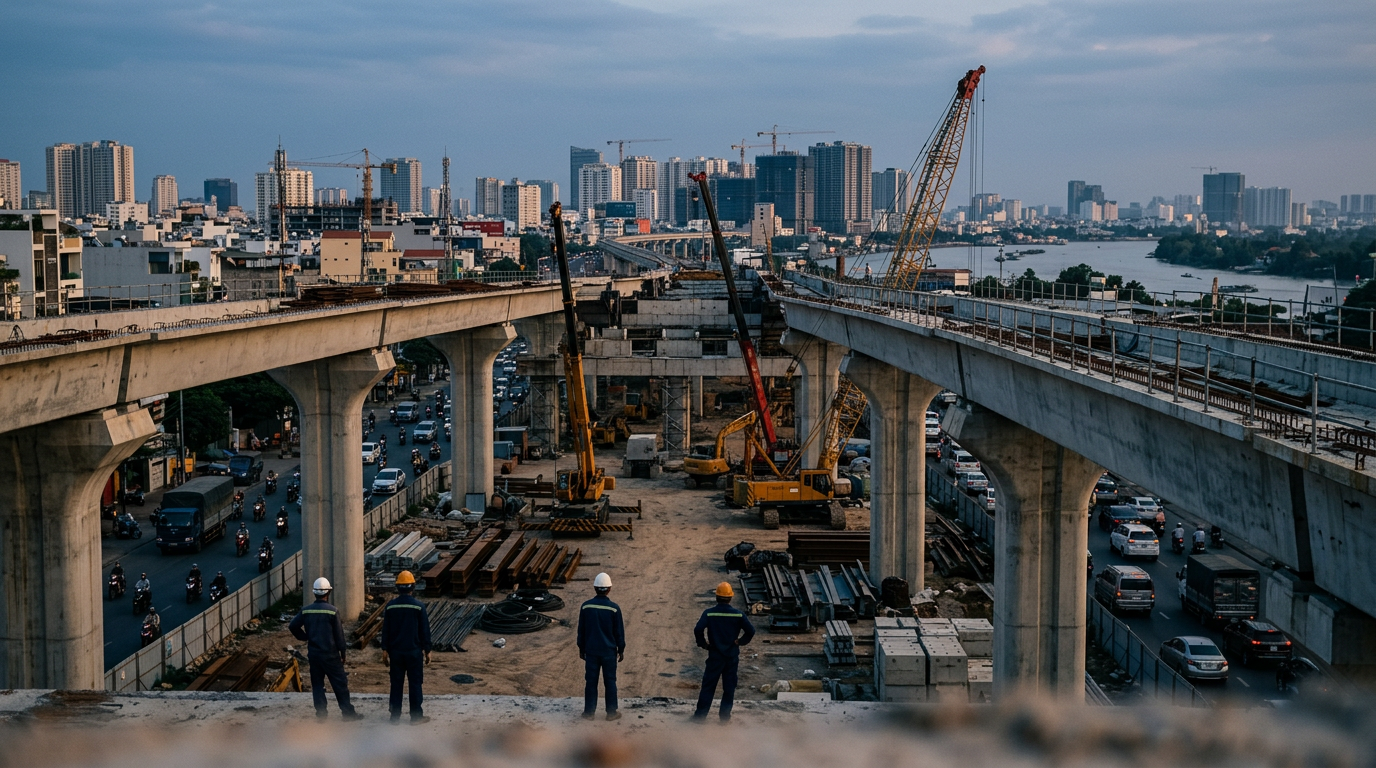
A recent analysis from Business Times highlights the substantial economic penalties of deferring essential airport capacity expansions. While the report centers on Singapore, its conclusions resonate across ASEAN. The economic costs of congestion and lost connectivity are not theoretical. They are a direct impediment to growth in trade, tourism, and investment.
Execution Over Announcements
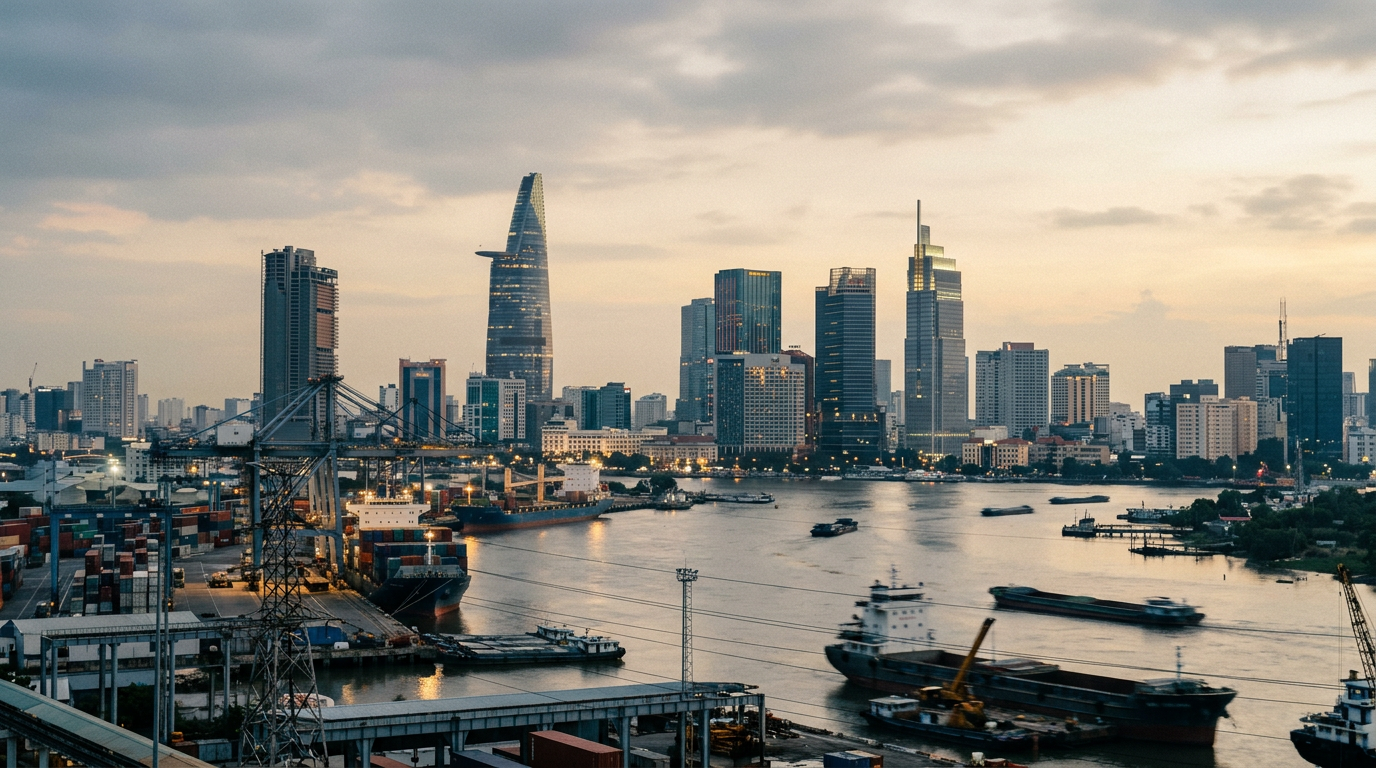
Across Southeast Asia, governments have announced a slate of ambitious infrastructure projects, from new airports and seaports to extensive rail networks. These plans are often met with public enthusiasm and are seen as indicators of progress. However, as the book "ASEAN Rising" notes, the true measure of success is not the announcement but the execution. The ability to deliver infrastructure on schedule and within budget is a powerful signal to investors and markets. It demonstrates institutional competence and state capacity. When projects are repeatedly delayed, it erodes trust and introduces a friction that drags on economic activity.
Infrastructure and Comparative Advantage
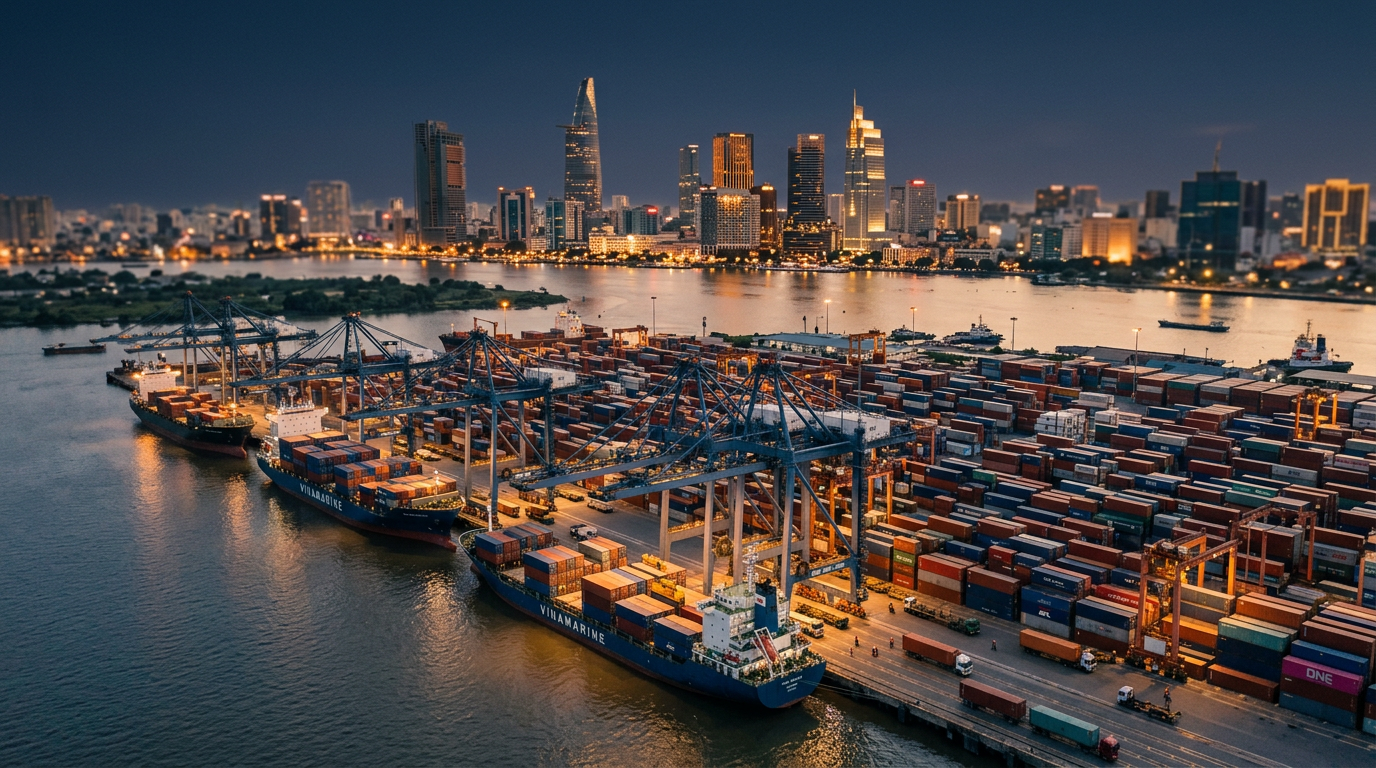
In the modern global economy, a nation's competitive edge is increasingly defined by its institutional quality. The book argues that "institutional reliability has become part of comparative advantage." This is particularly visible in infrastructure development. A port that operates with predictable efficiency is more valuable than one with lower official costs but frequent delays. Likewise, an airport that expands its capacity ahead of demand avoids the cascading economic losses that result from congestion. Governments that can provide a stable and transparent regulatory environment for these complex projects are better positioned to attract the necessary private capital.
The Role of Capital and Trust
Large-scale infrastructure requires immense capital, often a mix of public funds and private investment. International investors are willing to fund well-structured projects, but they require confidence in the local institutions that will oversee them. Delays, cost overruns, and shifting political priorities are significant risks. Building a track record of successful project delivery is the most effective way for ASEAN states to build trust with capital markets. This, in turn, lowers the cost of financing for future projects, creating a positive cycle of development. The challenge is not a shortage of plans, but a deficit in the consistent, transparent execution that fosters deep-seated investor trust.
What to watch
Observers should monitor not just the announcements of new infrastructure initiatives across ASEAN, but the progress of existing ones. The focus should be on whether projects are meeting timelines and budget forecasts. The ability of governments to create and sustain a predictable environment for private investment in infrastructure will be a key determinant of the region's long-term economic trajectory.