
ASEAN Analysis & Commentary
Every analysis published on ASEAN Rising is sourced, datestamped and signed. We're more interested in being right in 12 months than first in 12 minutes.
Foundation pieces
Start here. The three pieces below set out the lens ASEAN Rising uses to read every story.
ASEAN Rising's core lens. Execution Economics is the study of whether countries, companies and institutions can convert obvious potential into delivered outcomes - and which six pillars decide the answer.
The region has capital, demographics, location and policy ambition. None of that has ever been the binding constraint. The next decade is an execution test, not a potential test - and it is already being scored.
Malaysia is the test case for whether ASEAN's middle powers can turn FDI, semiconductors and data centres into compounding domestic capability. Read the live coverage and execution scorecard.
Analysis tagged #supply chain
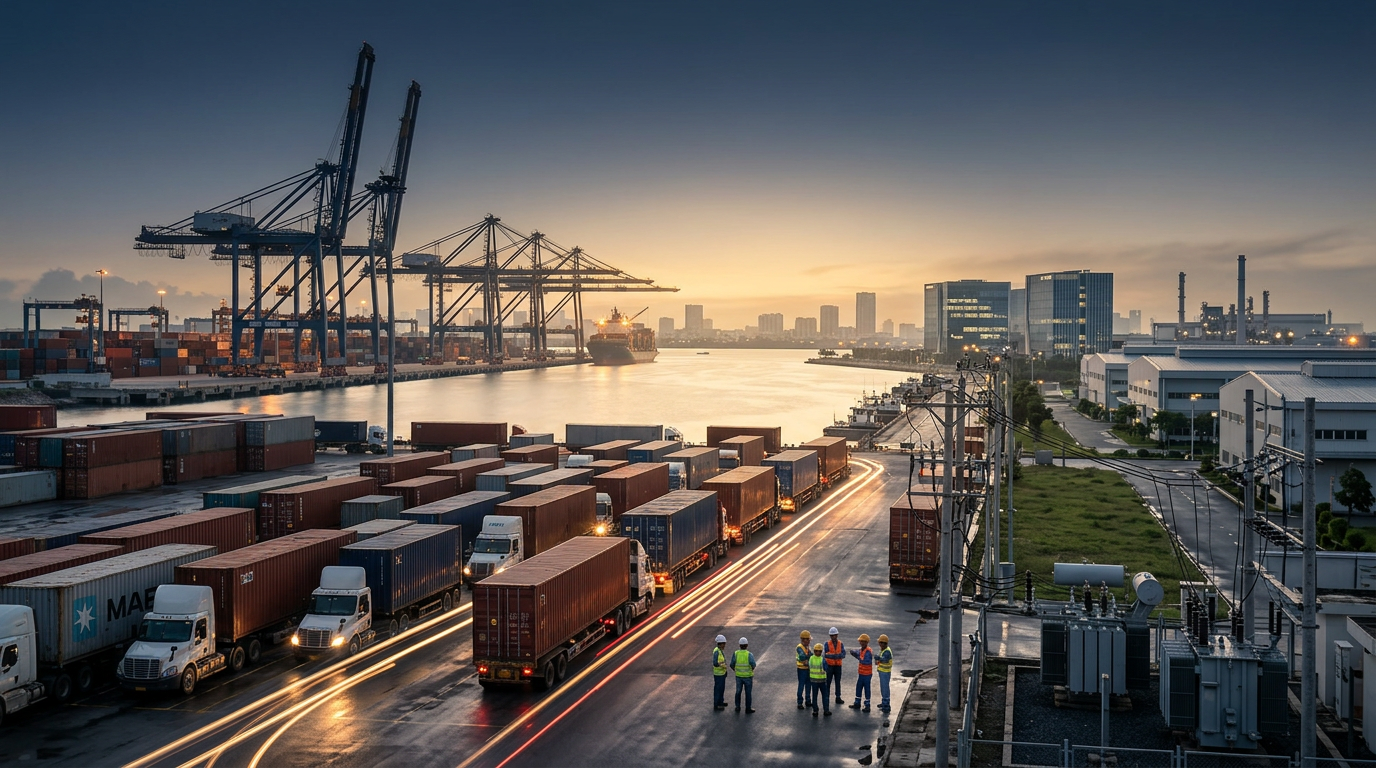
 Vietnam
 Weighs Tax Changes To Deepen Its Supply Chain Role
Vietnam is considering a tax overhaul to help local firms integrate into global supply chains. Realised FDI flows depend on the slower work of turning policy into permits, power, and talent on the ground.
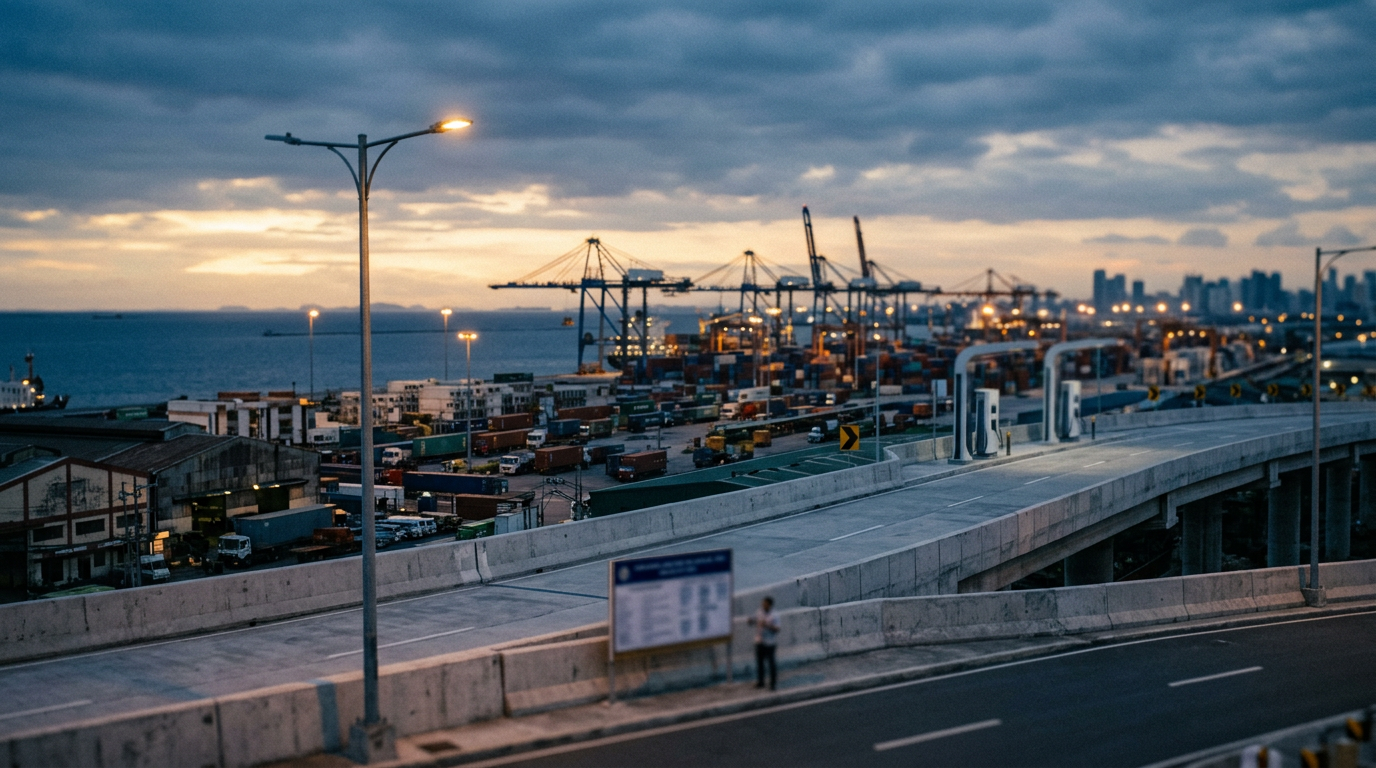
 Philippines
Mitsubishi, the Philippines, and the EV Challenge
Mitsubishi Motors Philippines' environmental summit highlights the EV transition challenge for ASEAN, balancing legacy manufacturing with new supply chains.
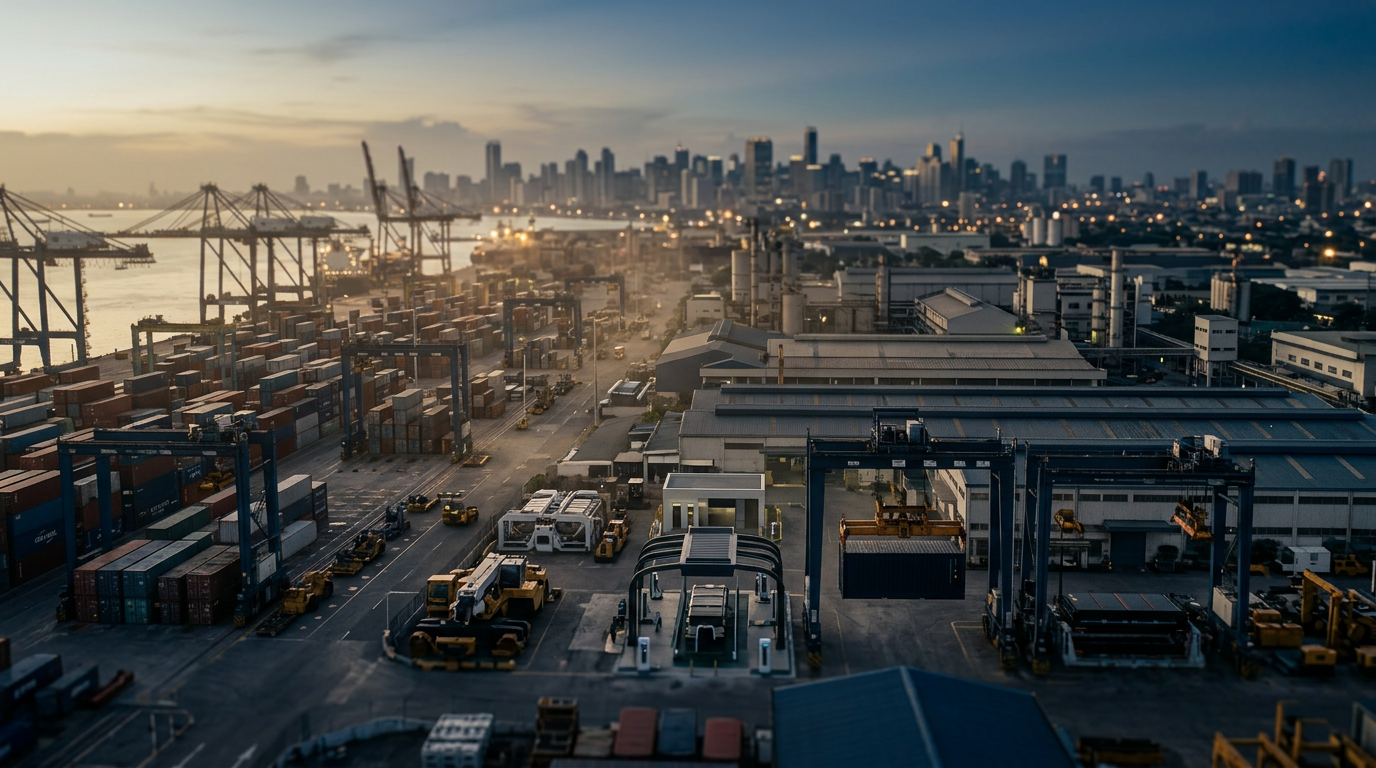 Philippines
The EV Transition and ASEAN's Industrial Base
The electric vehicle transition is testing ASEAN's industrial policy. The region has a deep manufacturing base, but the shift to EVs requires new capabilities in battery production, software, and supply chain management that are not yet fully in place.
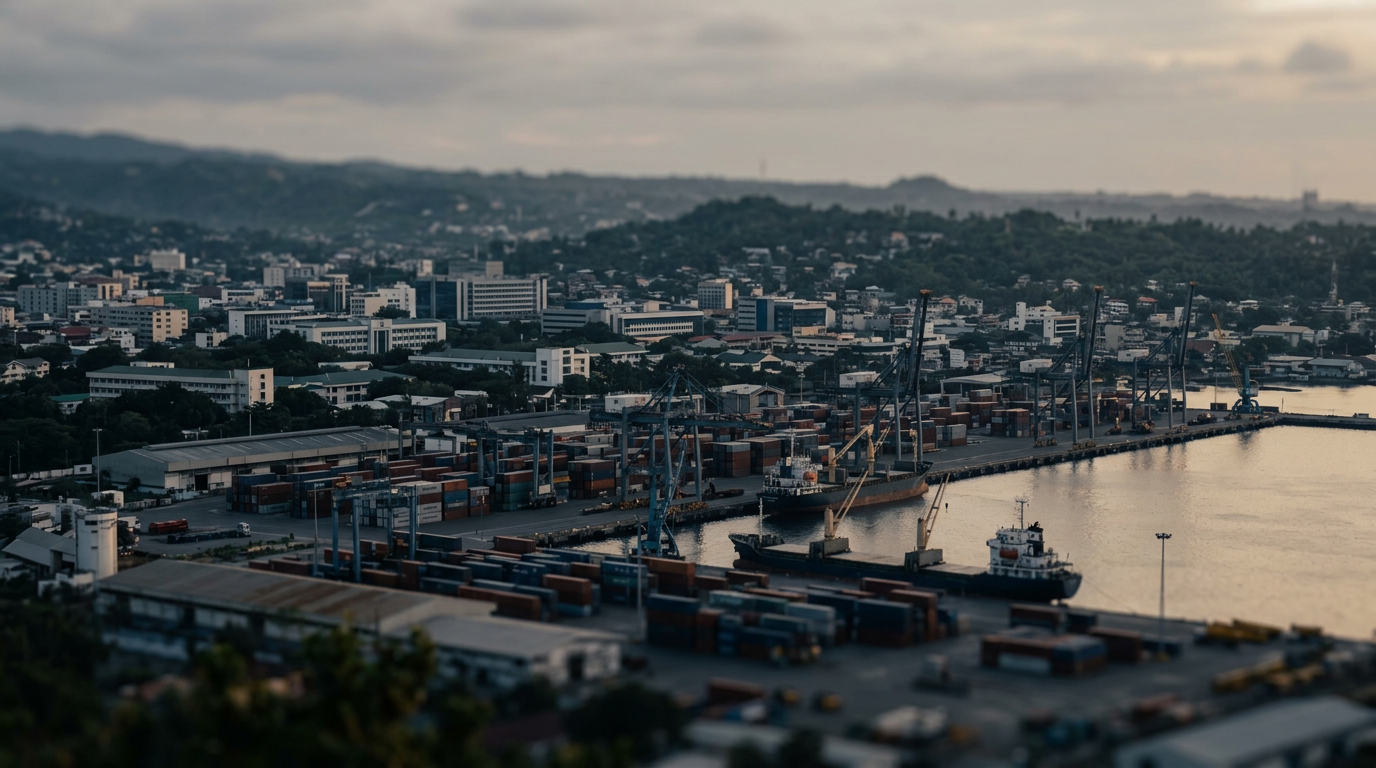 Philippines
The EV Transition and the Search for Supply Chain Optionality
Mitsubishi Motors Philippines Corp.'s recent environmental summit highlights the EV transition, a shift that tests ASEAN's ability to manage its deep trade relationship with China while building new industrial capacity.
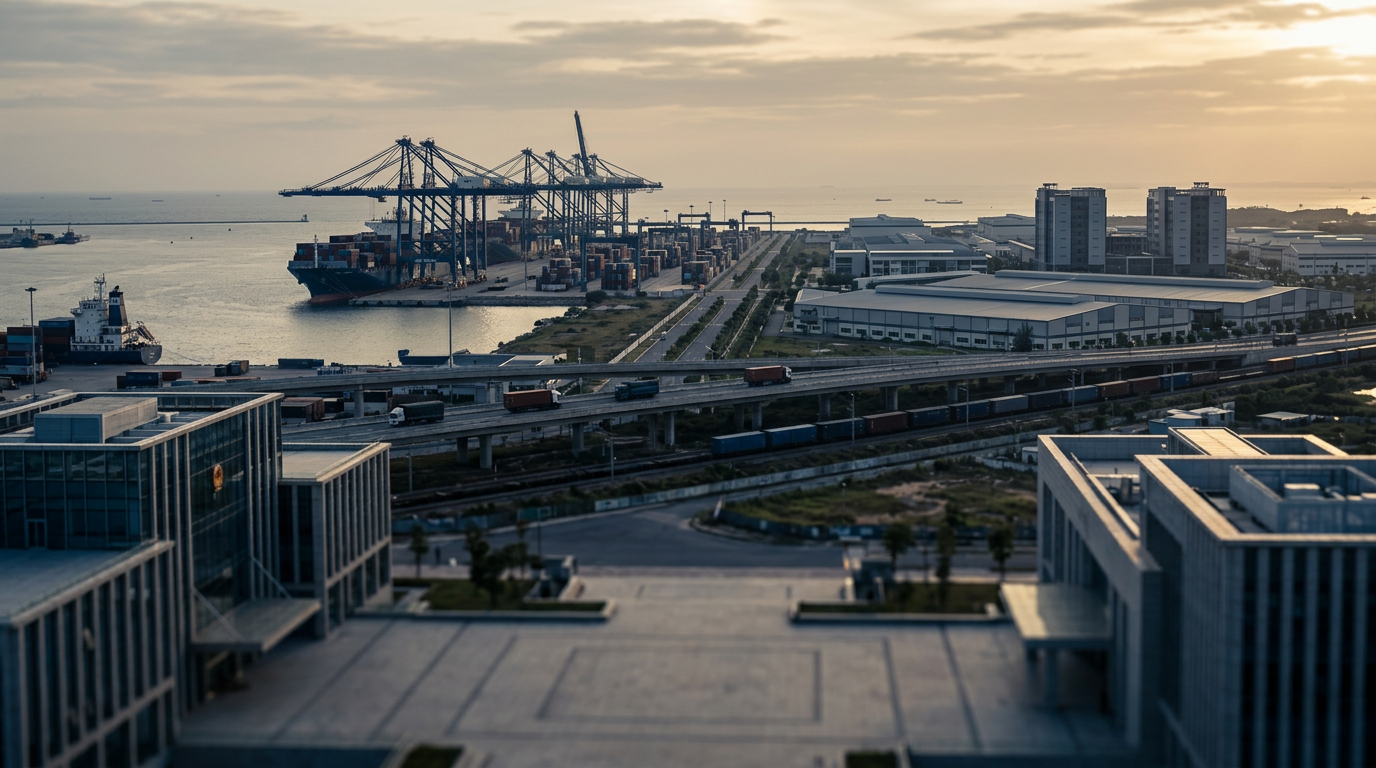 Vietnam
's Tax Plan Tests Its Industrial Strategy
Vietnam is considering a tax overhaul to shift investment towards technology and R&D. While the aim is to help local firms move up the global supply chain, success will depend on institutional execution, not just incentives.
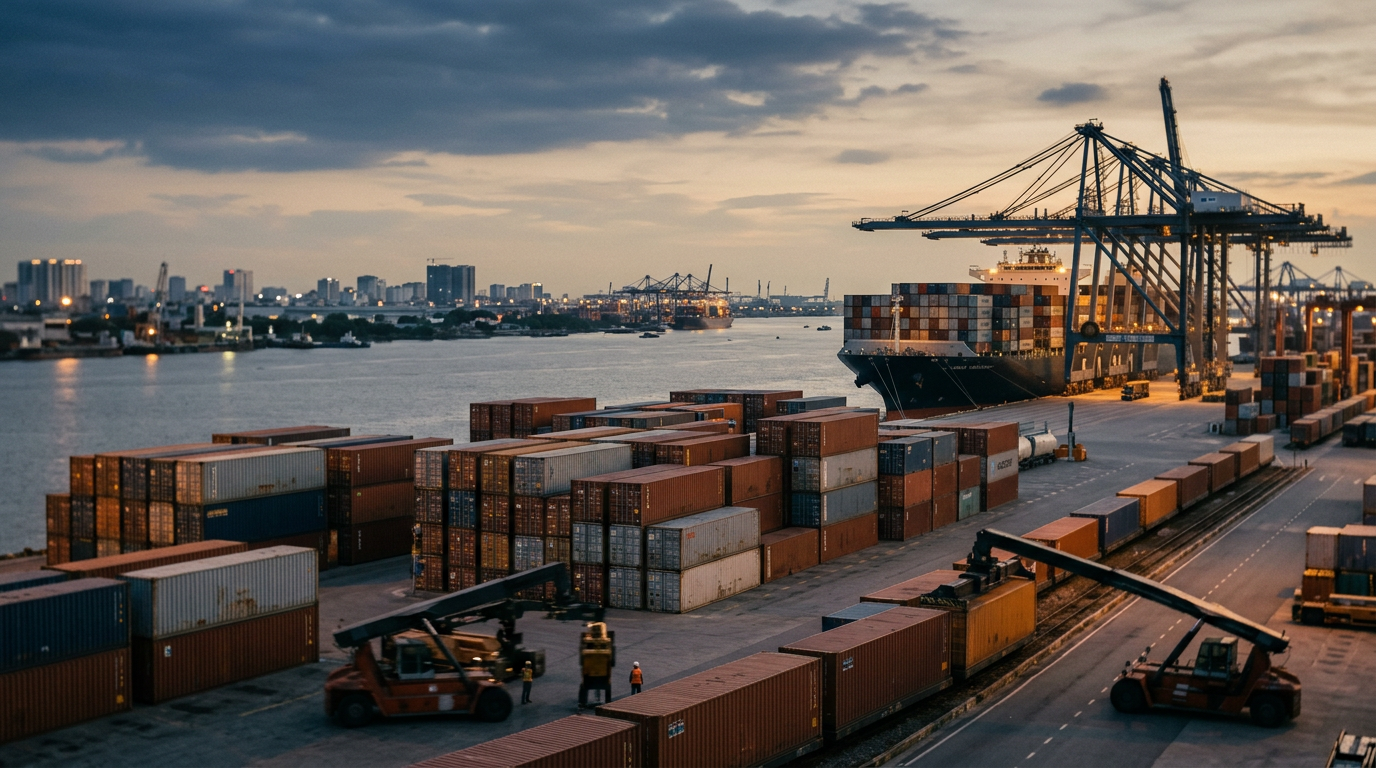 Vietnam
, the US, and the China Trade Equation
Vietnam is pursuing a trade deal with the United States, but this commercial diplomacy is shaped by its deep and structural trade relationship with China.
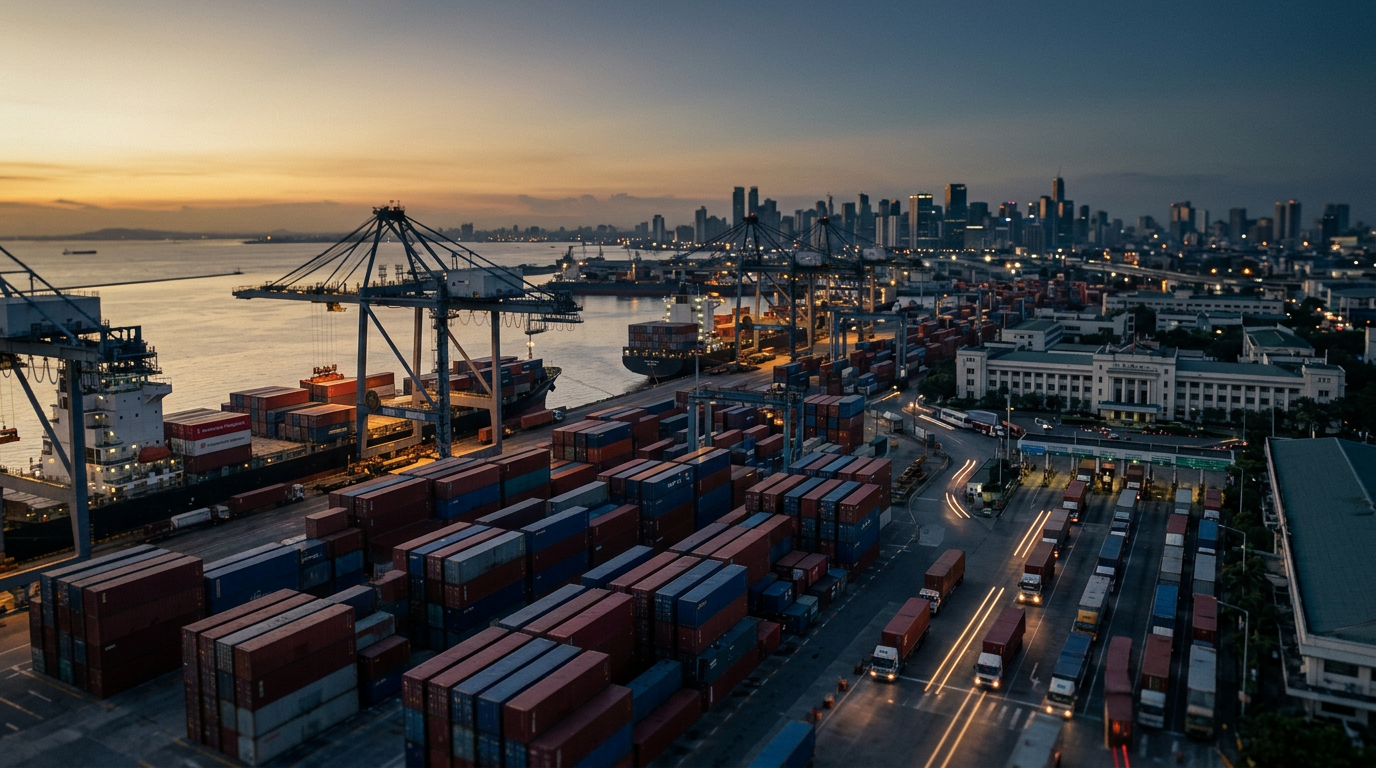 Philippines
The Coca-Cola Supply Chain as a Regional Bellwether
Coca-Cola's recent decision to import finished products from Indonesia to the Philippines is more than a stopgap measure. It is a revealing indicator of where institutional friction adds cost to Philippine consumers and businesses.

 Malaysia
's Semiconductor Ambitions and the China Question
Malaysia has long been a quiet giant in the global semiconductor industry, but its ambition is growing. As it seeks to move up the value chain, it must navigate its deep economic ties with China while managing strategic dependencies.
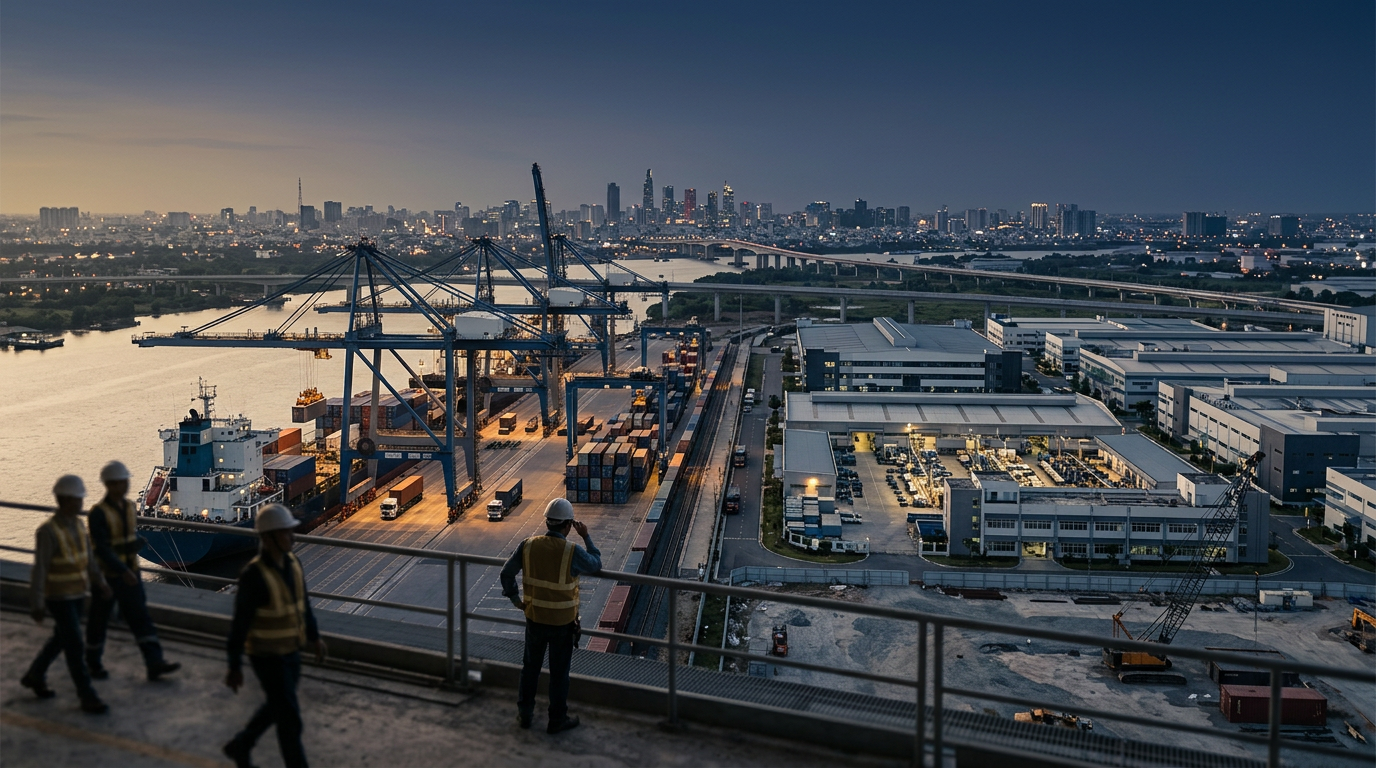 Vietnam
's FDI Wins Show the Primacy of Execution
Vietnam's manufacturing surge is a lesson in the power of execution. Announced FDI is one thing; realised investment that builds factories and hires workers is another. Vietnam is succeeding in the slower, harder work of turning promises into projects.
 Singapore
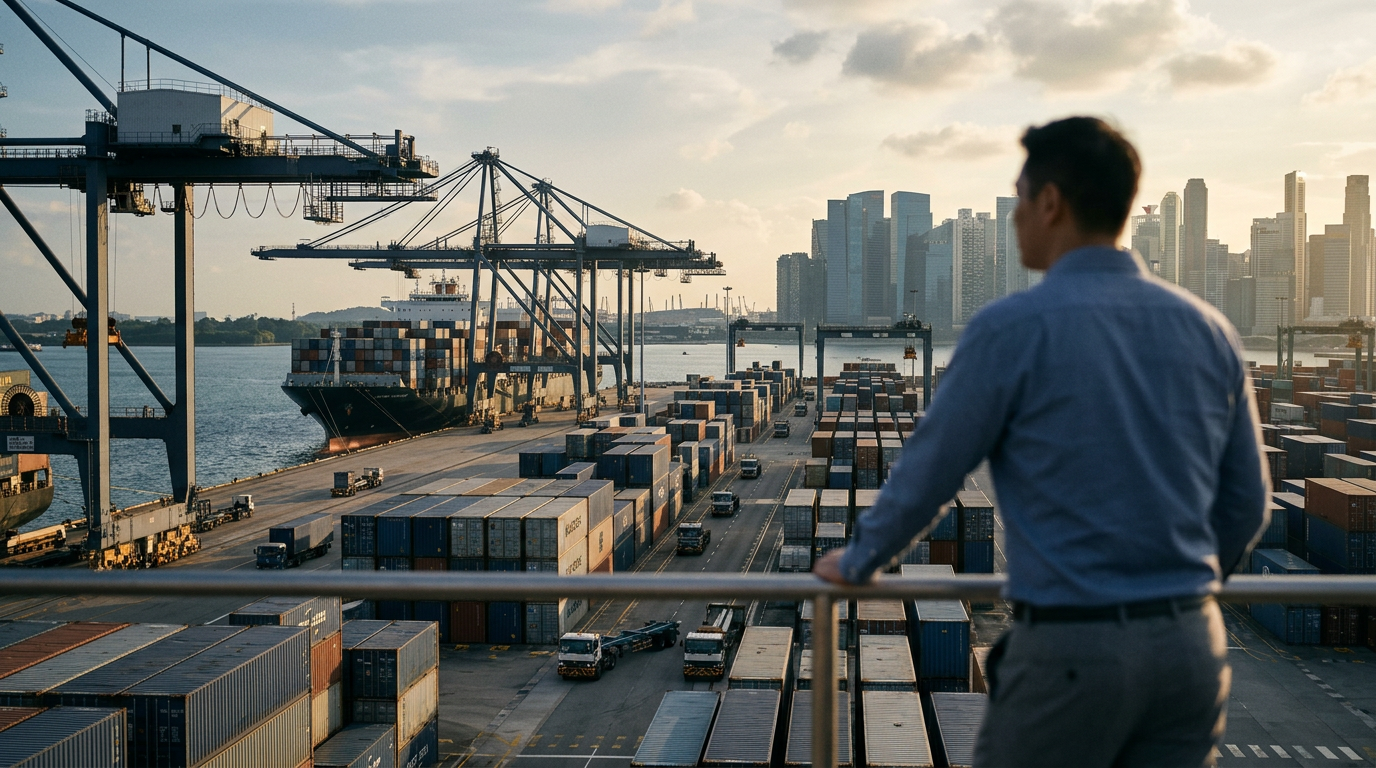
, Supply Chains, and Strategic Dependency
Singapore's ambition to be a "traffic controller" for regional business flows is a direct response to the era of managed dependency, particularly as firms diversify their supply chains away from China.
 Vietnam
: From FDI Magnet to Supply Chain Power
Vietnam is moving to strengthen its domestic supply chains for electronics and semiconductors, a crucial step in maturing from a destination for foreign direct investment to a self-sufficient industrial power.
 Singapore
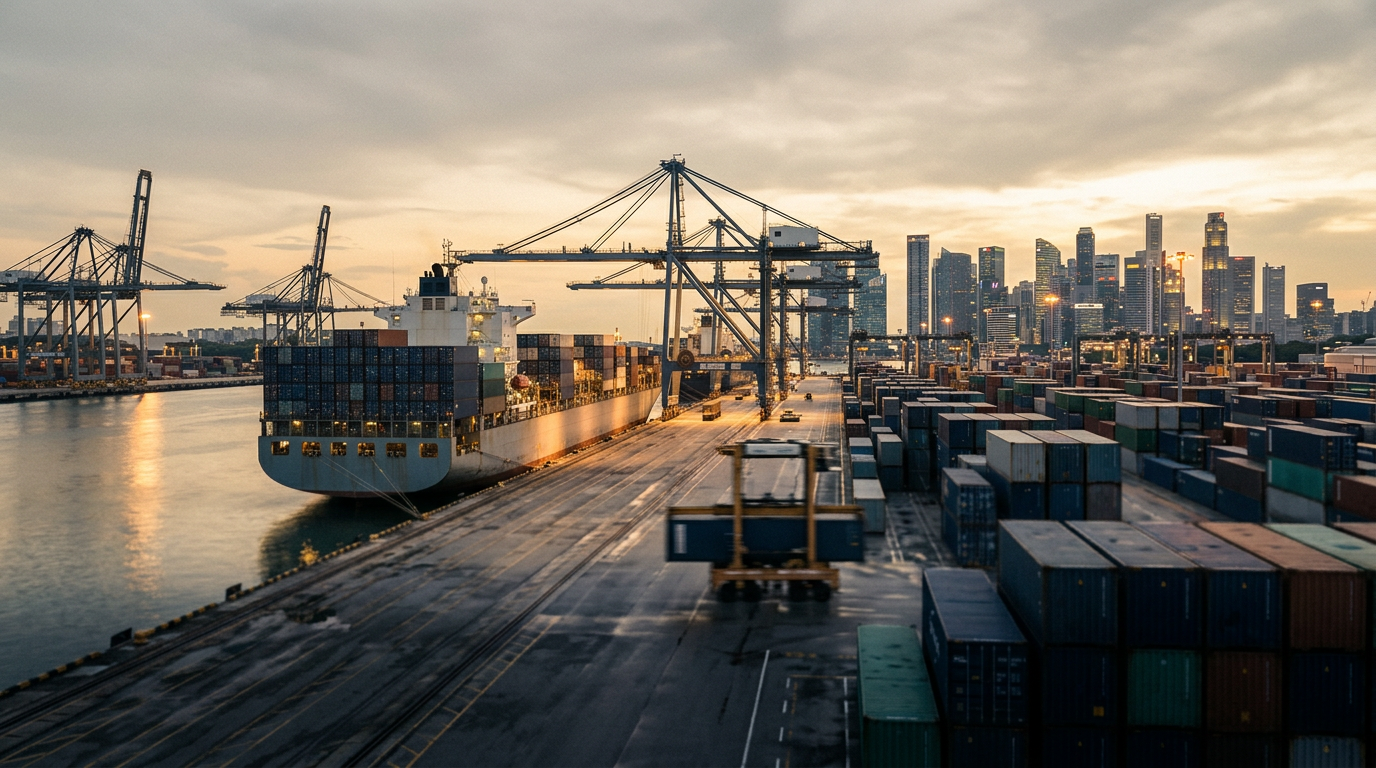
Sheng Siong's Rise and ASEAN's China Trade
Sheng Siong's recent success, fueled by its robust China supply chain, shows how deeply integrated ASEAN businesses are with China. This integration is a structural reality that regional firms must navigate carefully.
 Vietnam
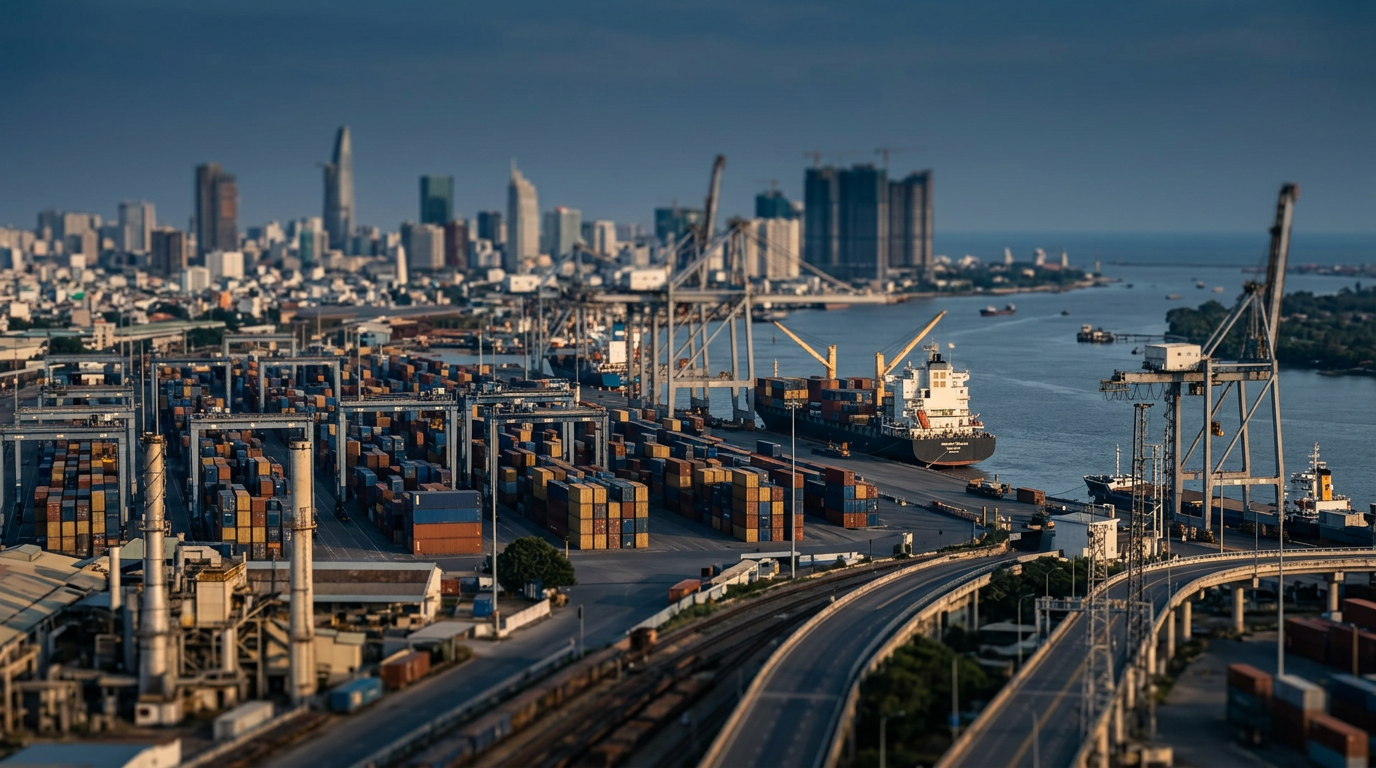
's Trade Boom and the China Question
Vietnam's record trade figures for 2026 are impressive, but they also sharpen the longstanding question of how to manage its deep, structural trade relationship with China.
 Malaysia
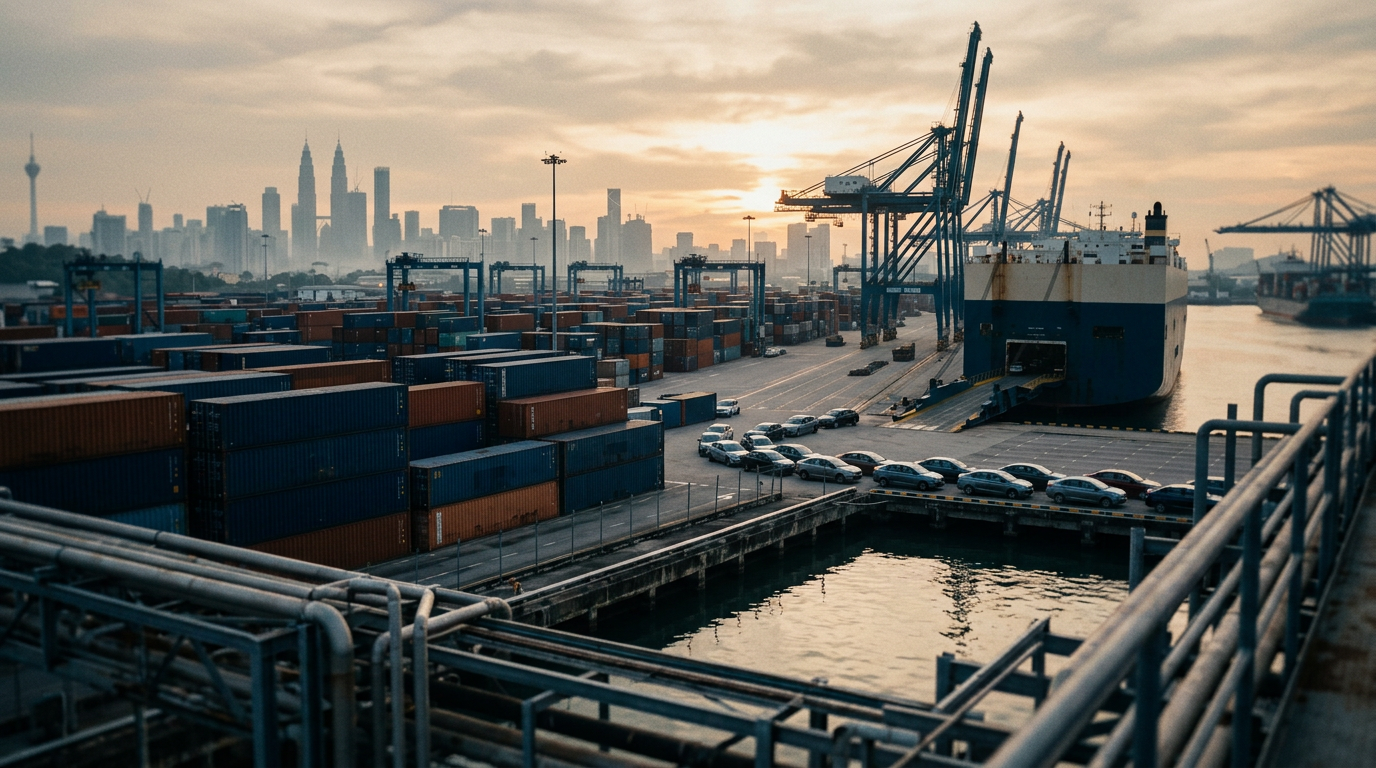
's Automotive Ambition Meets a Familiar Test
Malaysia aims to transition its automotive sector from assembly to higher-value manufacturing. Success will depend on the slow work of improving institutions, infrastructure, and talent.
 Vietnam
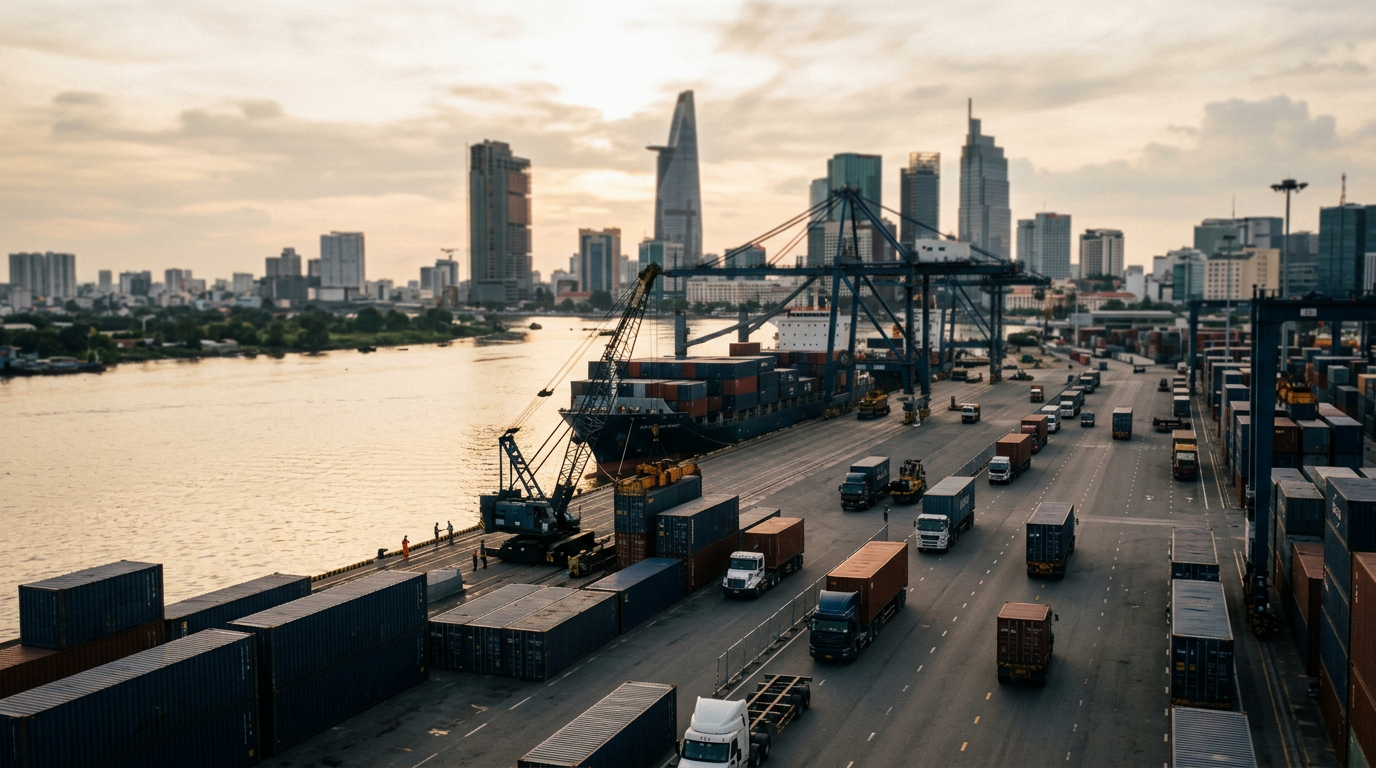
From Announcement to Operation: What Foreign Investors Need in ASEAN
Foreign-invested enterprises in Vietnam and across ASEAN require more than just industrial space. They need comprehensive support including site selection, infrastructure, and logistics to turn announcements into realised investment.
 Vietnam
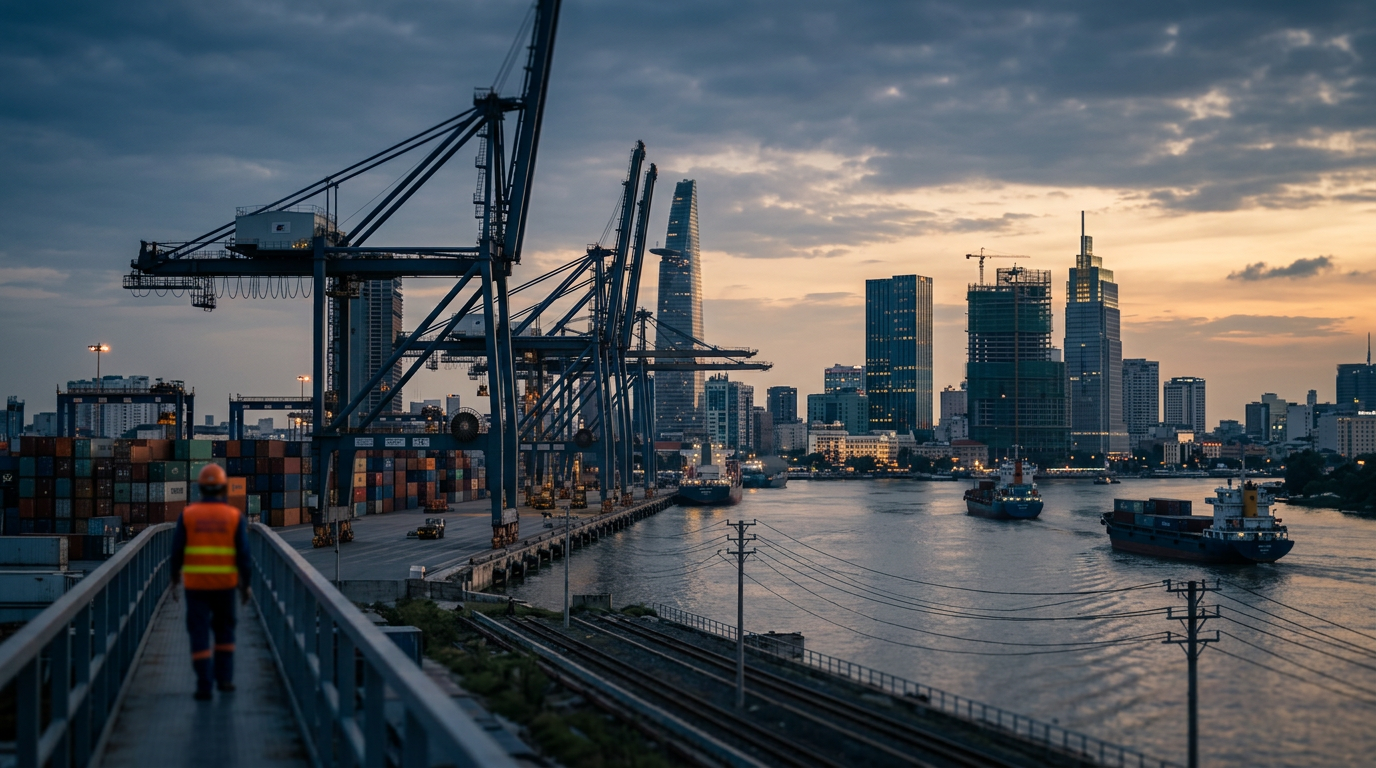
's FDI Ambitions Test Its Institutions
Vietnam is attracting significant foreign investment, but its ability to absorb this capital and move up the value chain depends on institutional execution, not just announcements.
 Singapore
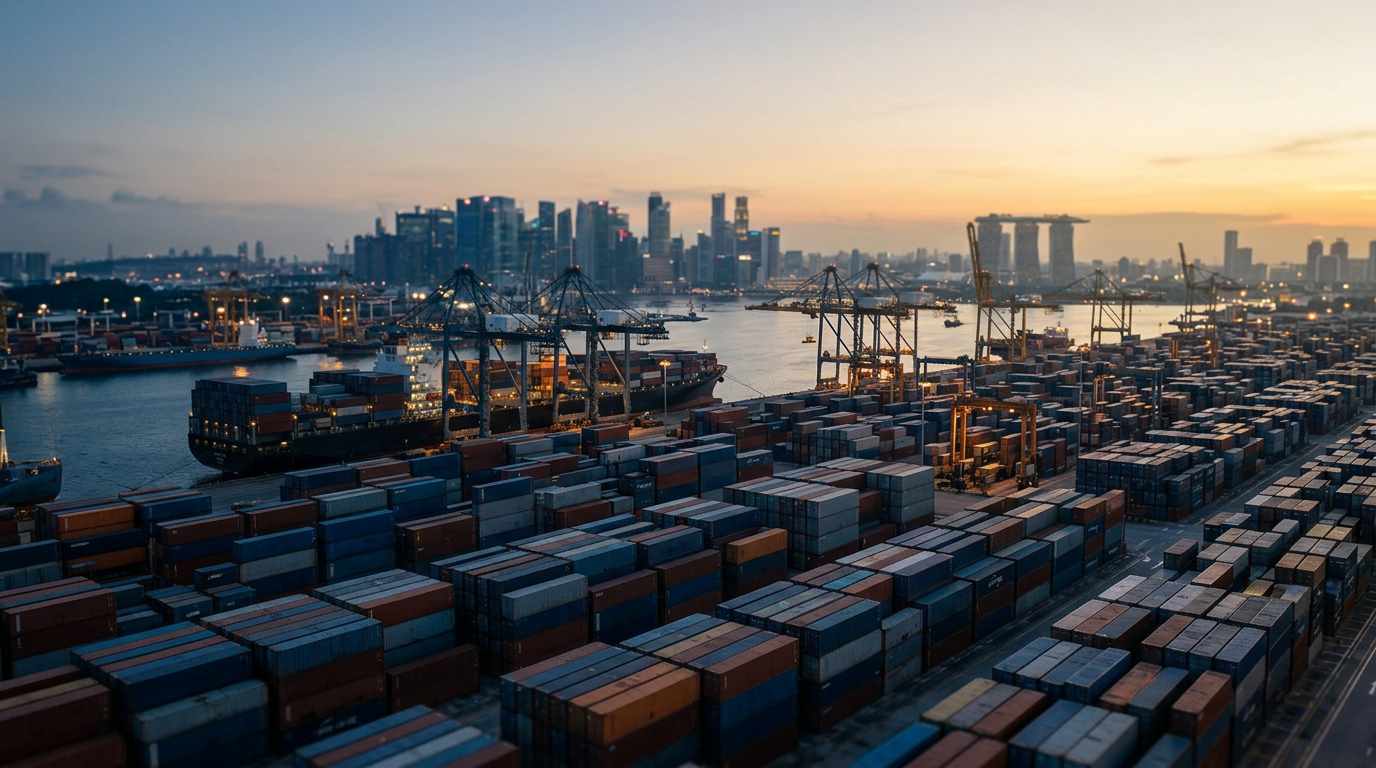
, China, and the Limits of Traceability
Singapore's recent statements on the practical limits of tracking transshipments highlight a structural reality for ASEAN: deep trade integration with China requires careful management of dependency, not a futile attempt at decoupling.
 Malaysia
Penang, E&E, and ASEAN's Managed Dependency on China
Penang's record electrical and electronics exports highlight a structural reality for ASEAN: deep trade with China requires a strategic approach to managing dependency, particularly in talent and infrastructure.
 Singapore
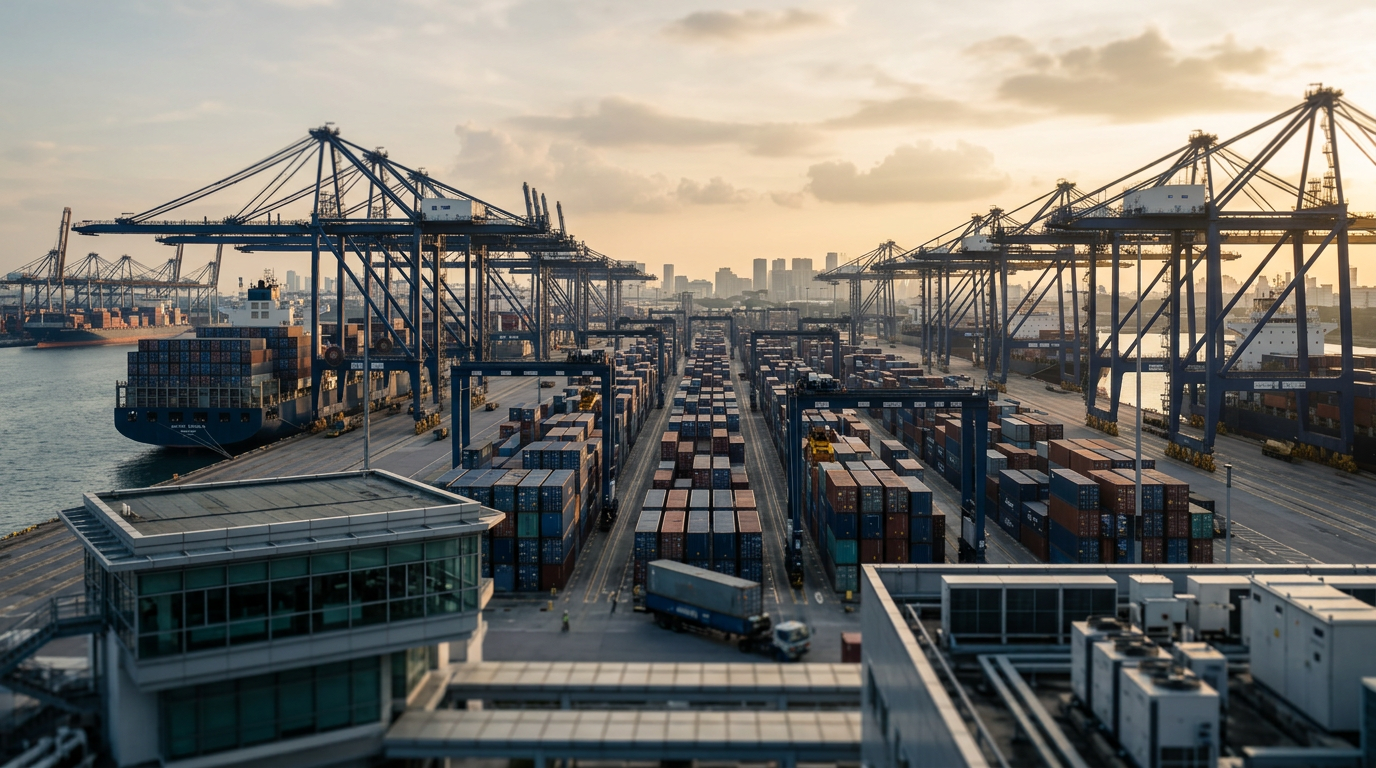
The Valu$ Japan Home Deal: A Microcosm of ASEAN Retail
The licensing of Japan Home Singapore stores to the owner of Valu$ shows a larger trend in ASEAN retail: the consolidation of local brands and the strategic management of supply chains.
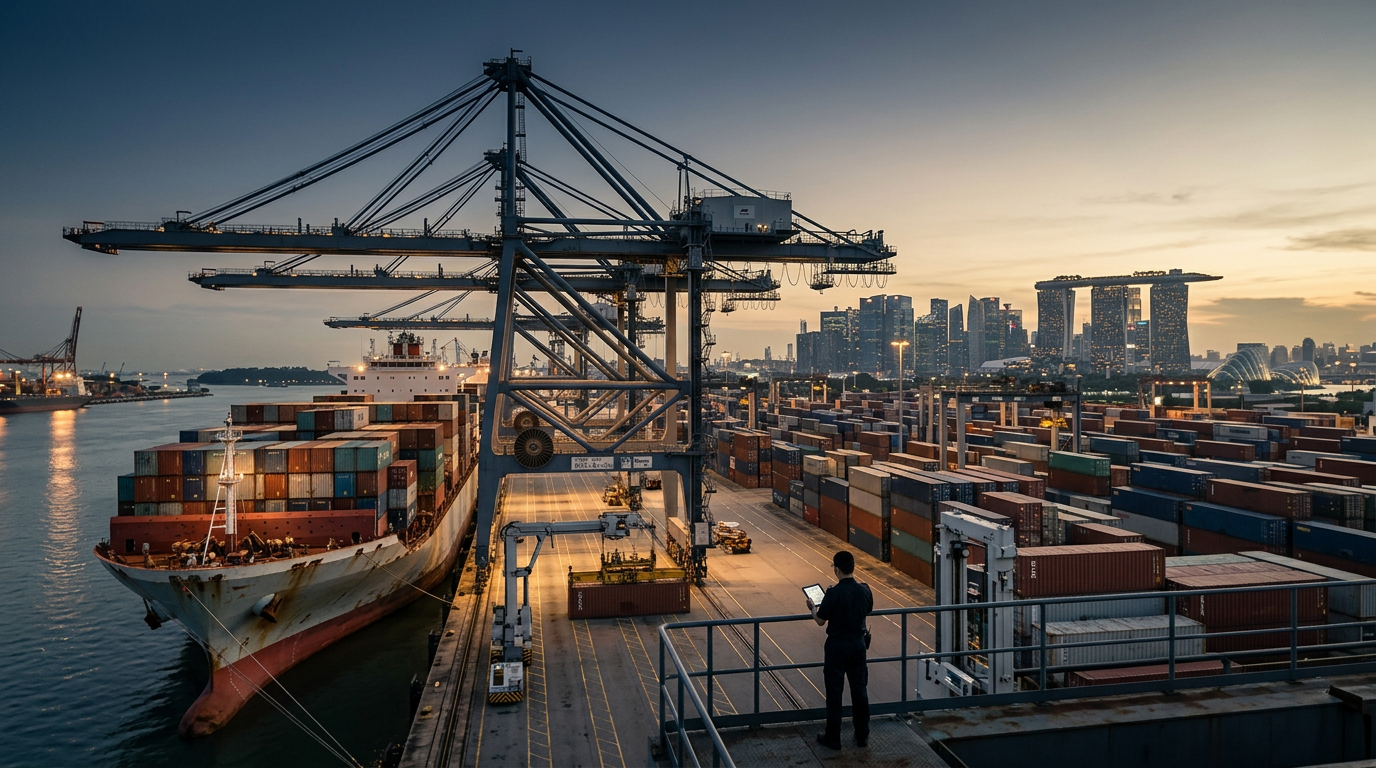 Singapore
 Tightens Transshipment Rules Under US Pressure
Singapore's Ministry of Trade and Industry will now require firms transhipping goods to declare their true country of origin, a move that highlights the institutional challenges for ASEAN in managing US-China trade tensions.
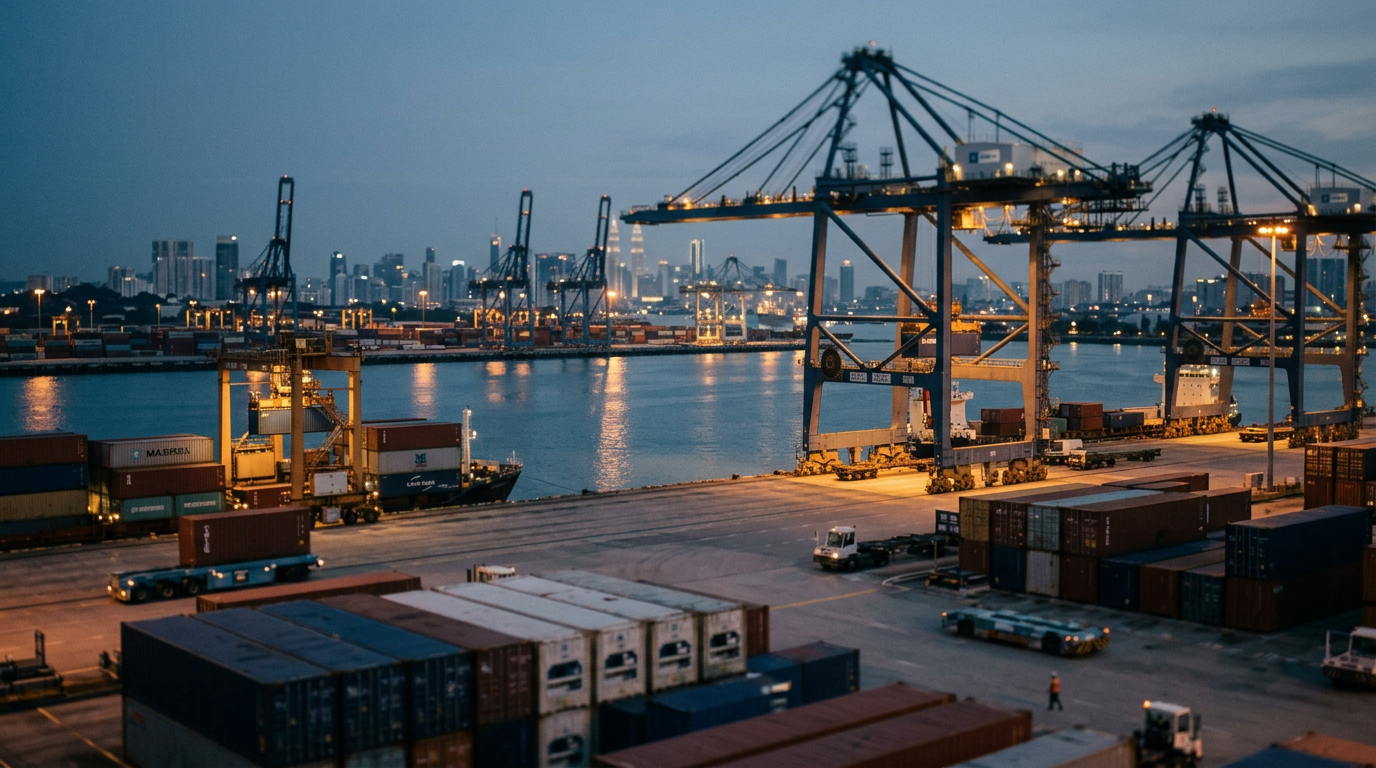 Malaysia
, China, and the semiconductor value chain
Malaysia is the world's sixth-biggest exporter of semiconductors, holding 13% of the market for back-end processes, second only to China. This trade depth with China is now a structural feature, not a cyclical one.
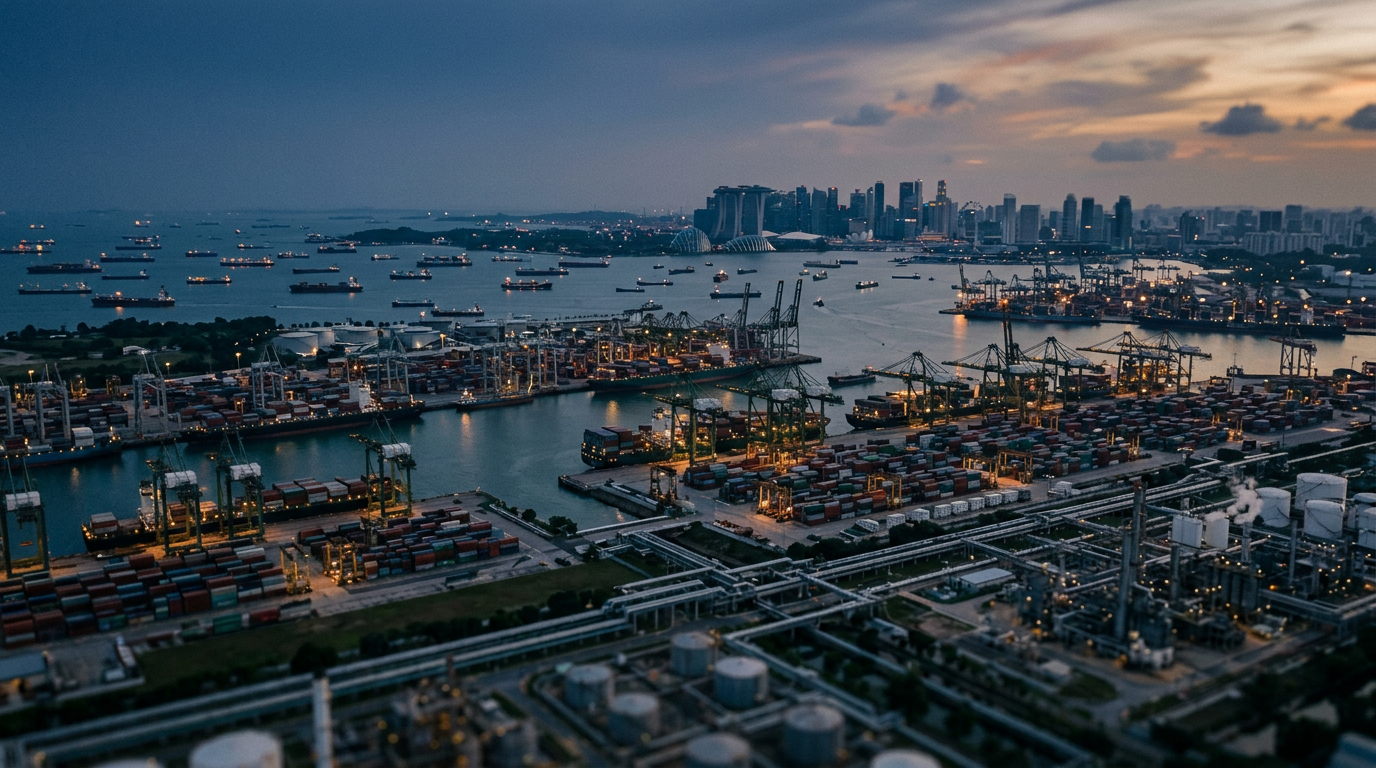 Singapore
 Tightens Transshipment Rules Under US-China Trade Pressure
New rules from Singapore's Ministry of Trade and Industry require firms to declare the true country of origin for goods transshipped through the city-state. The move highlights the delicate balancing act ASEAN nations must perform as they manage deep economic ties with China.
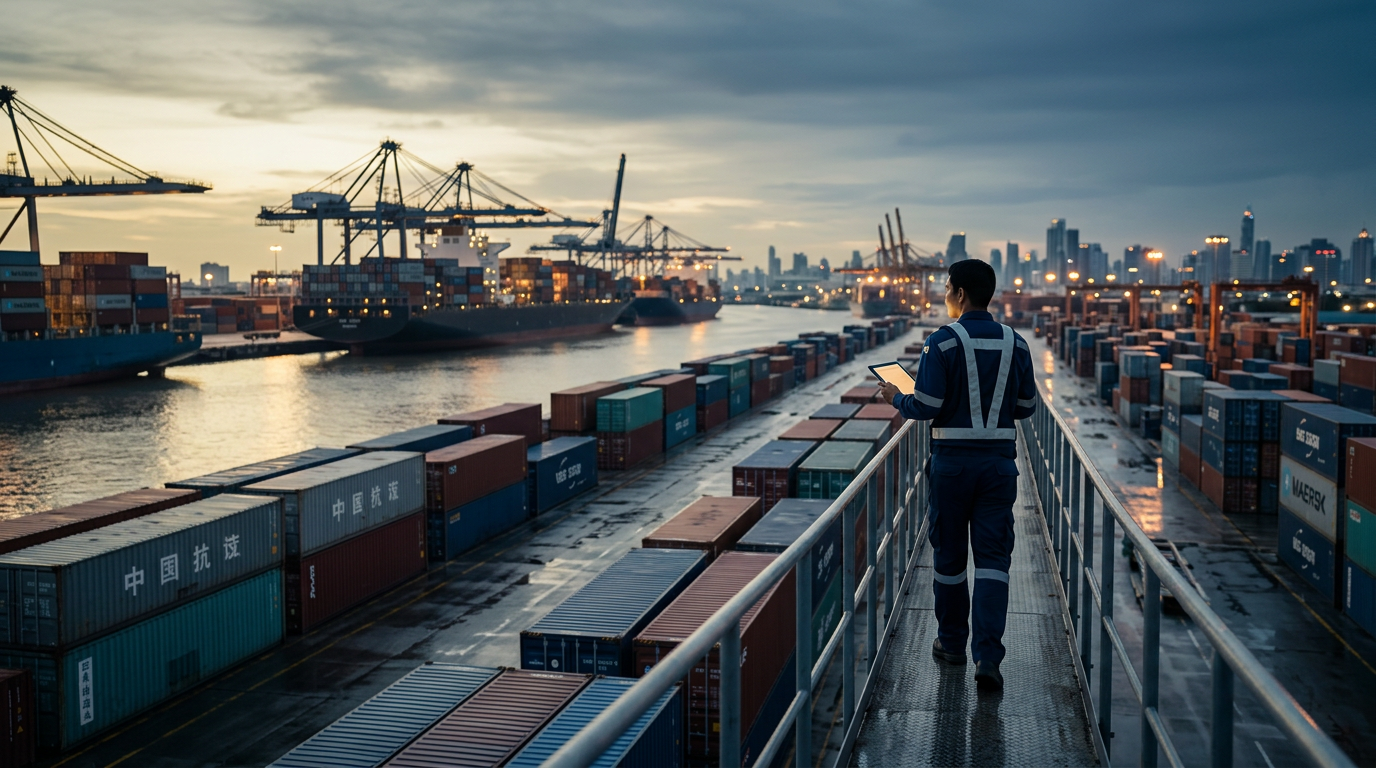
 Thailand
, Trade, and Trust in the US-China Rivalry
A recent White House report on transshipment puts Thailand in a difficult position, highlighting the delicate balance ASEAN nations must strike between their deep trade ties with China and their strategic relationships with the United States.
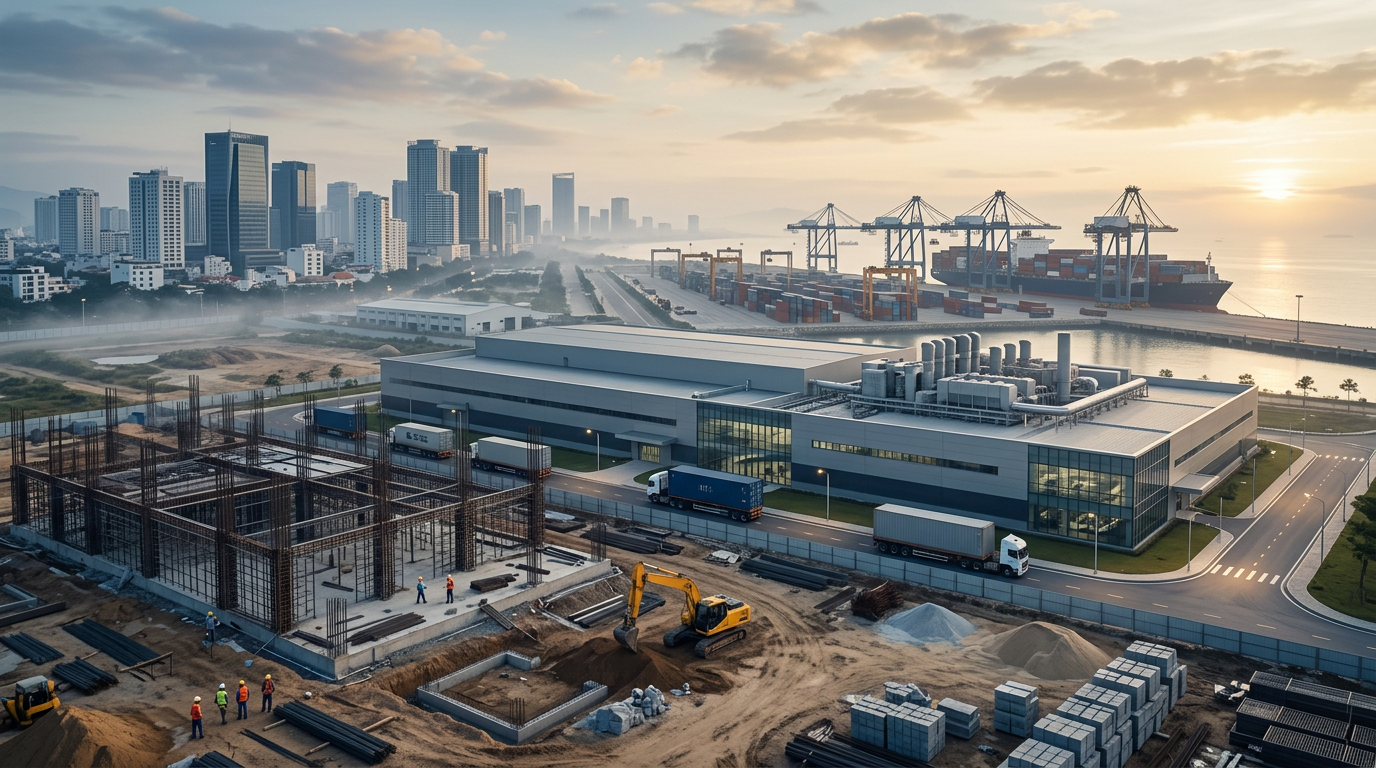 Vietnam
, China, and the semiconductor long game
Vietnam's semiconductor ambitions depend on turning announcements into realised flows of capital and talent. Institutions, infrastructure, and execution are the real metrics to watch.
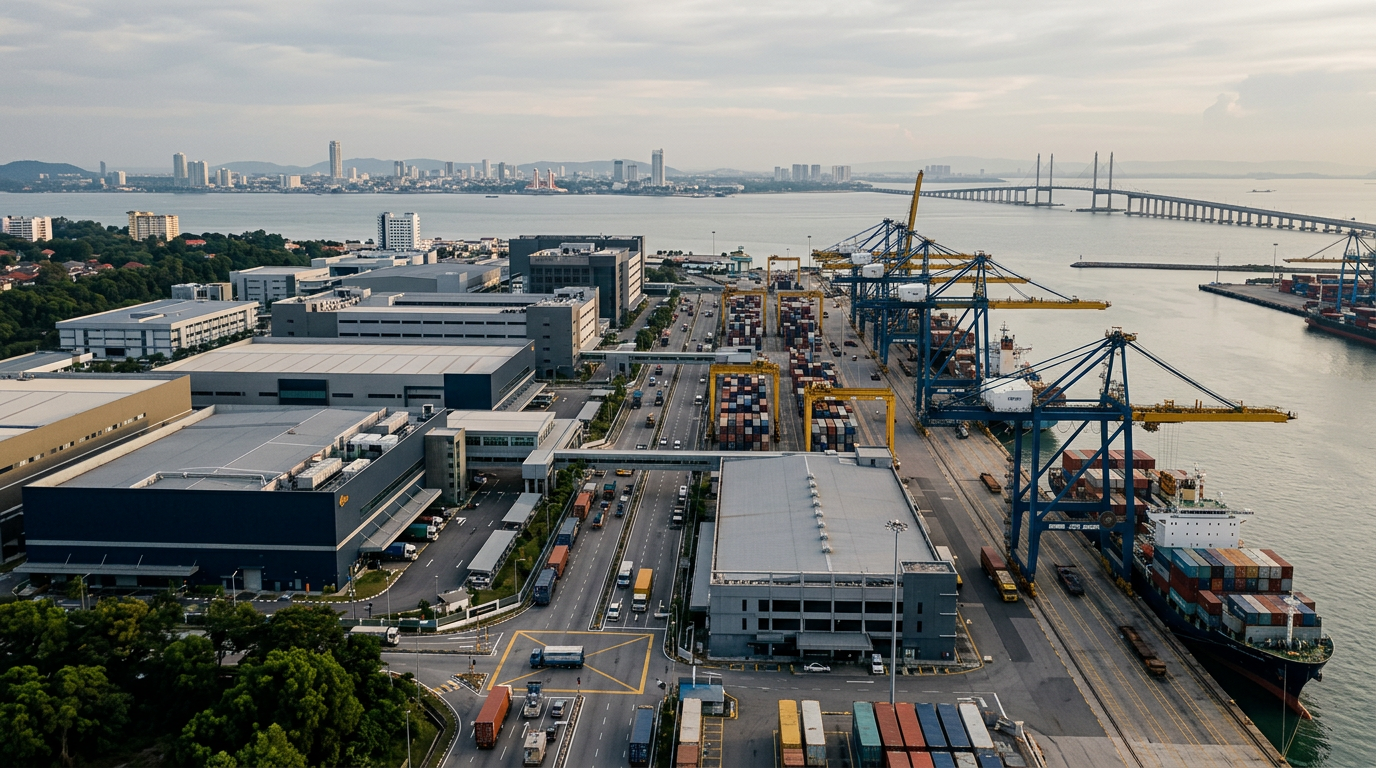 Malaysia
Penang's Trade Boom Highlights a Structural Shift
Penang's recent RM350 billion in electronics exports for the first half of 2026 is more than a local success story. It is a clear indicator of a deeper structural shift in global trade, where ASEAN economies are managing complex dependencies, particularly with China, while.
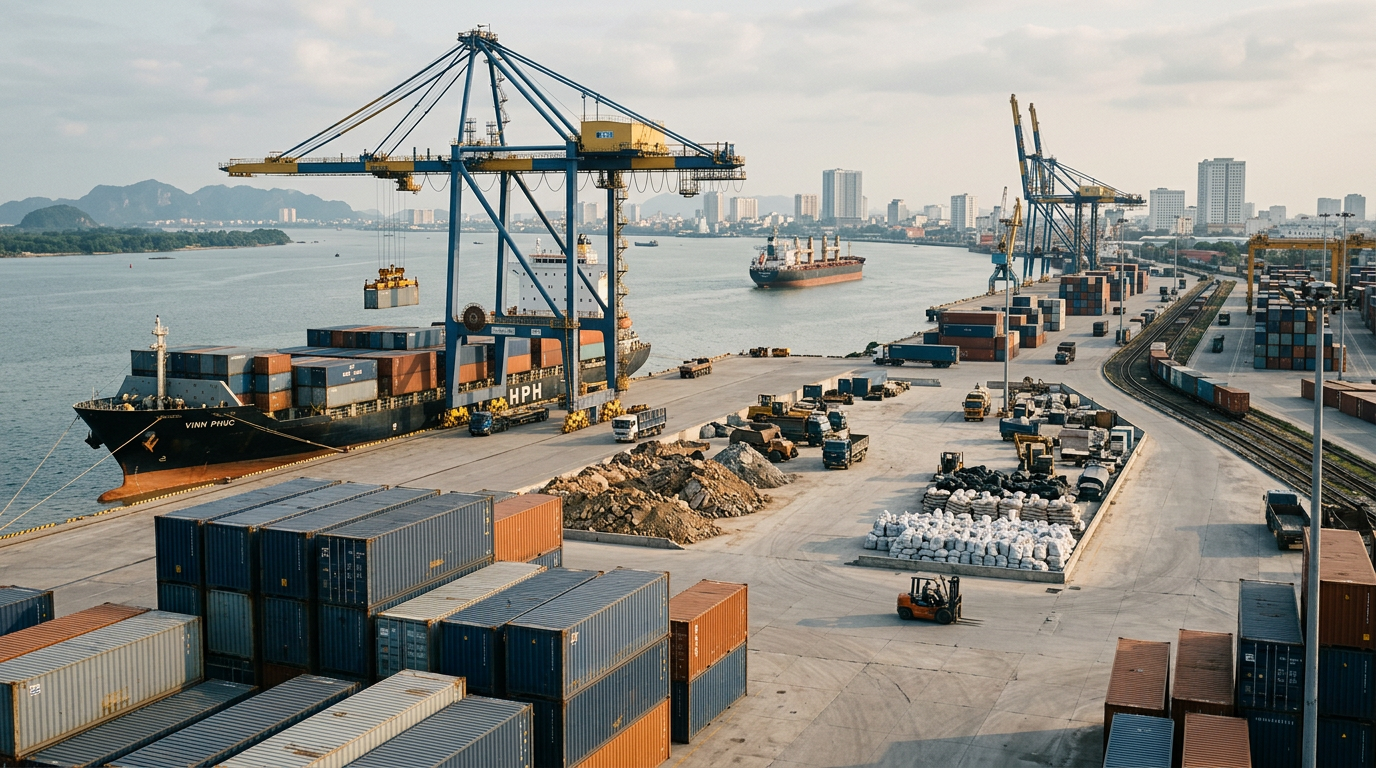 Vietnam
, Rare Earths, and the China Plus One Dividend
Vietnam is attracting significant FDI in strategic sectors like rare earths, but long-term success will depend on its ability to build the institutional capacity to absorb and deploy this capital effectively.
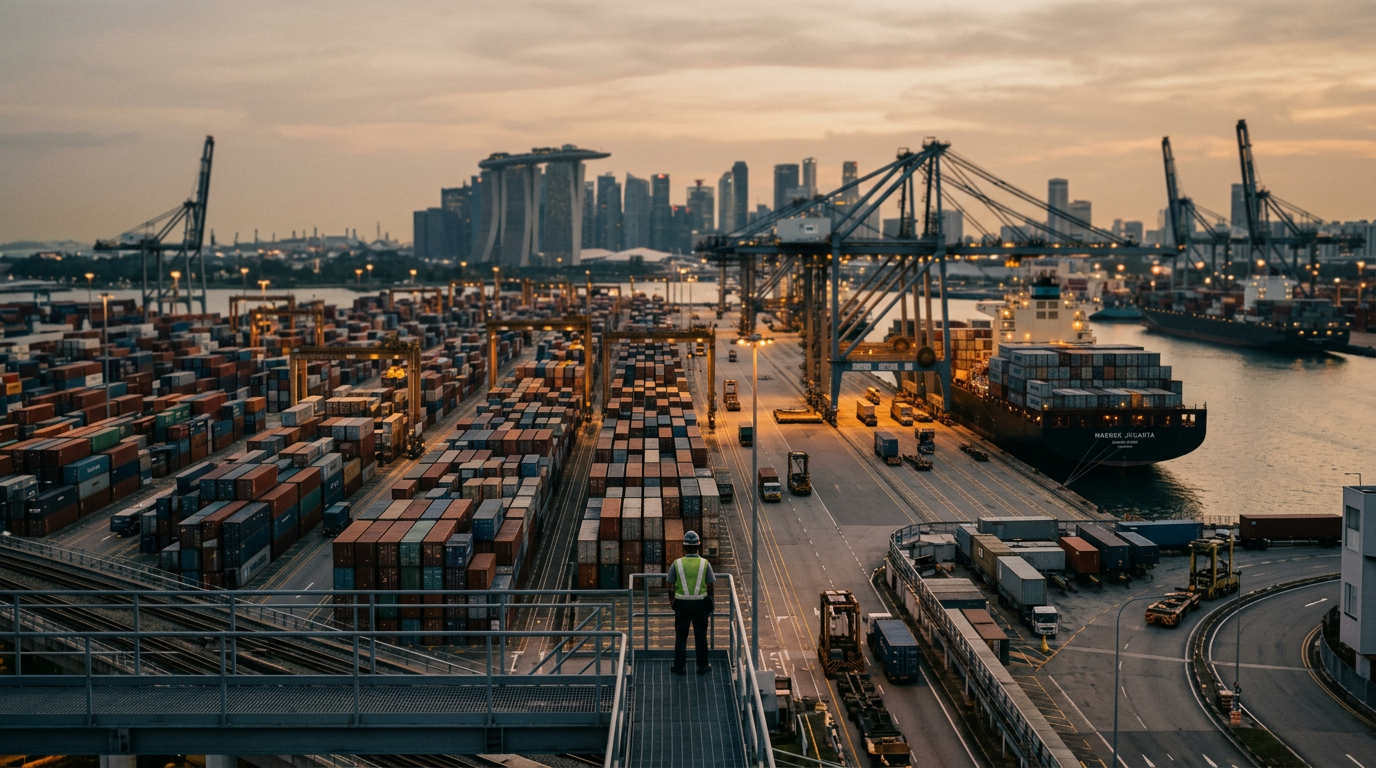 Singapore
, Supply Chains, and the China Question
Singapore's export boom is a positive signal for ASEAN, but it also highlights the region's deep trade links with China and the strategic need to manage this structural dependency.
 Singapore
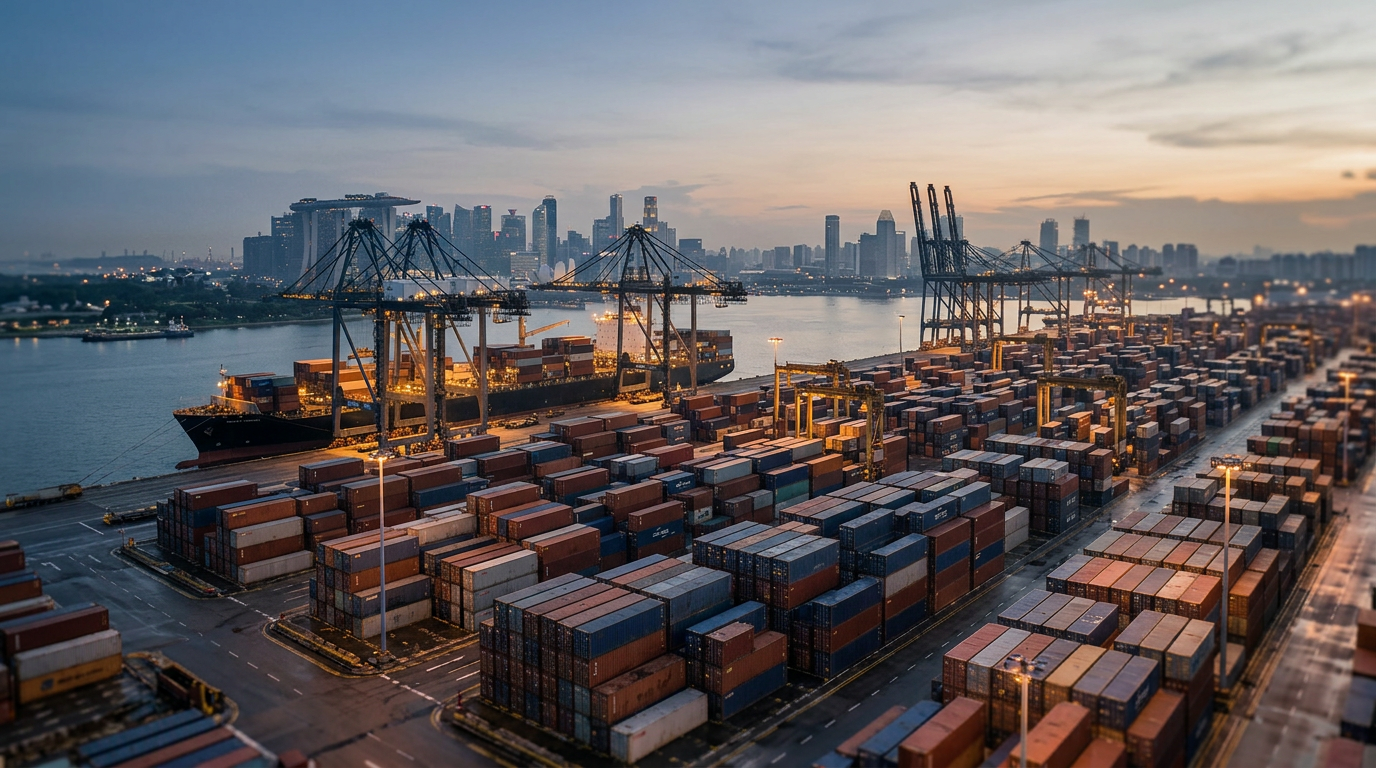
, Tariffs, and the Illusion of Choice
A new US tariff on Singaporean exports is a reminder that trade depth with both China and the US is a structural reality. For ASEAN, the question is not one of choosing sides, but of managing complex, and often conflicting, economic dependencies.
 Malaysia
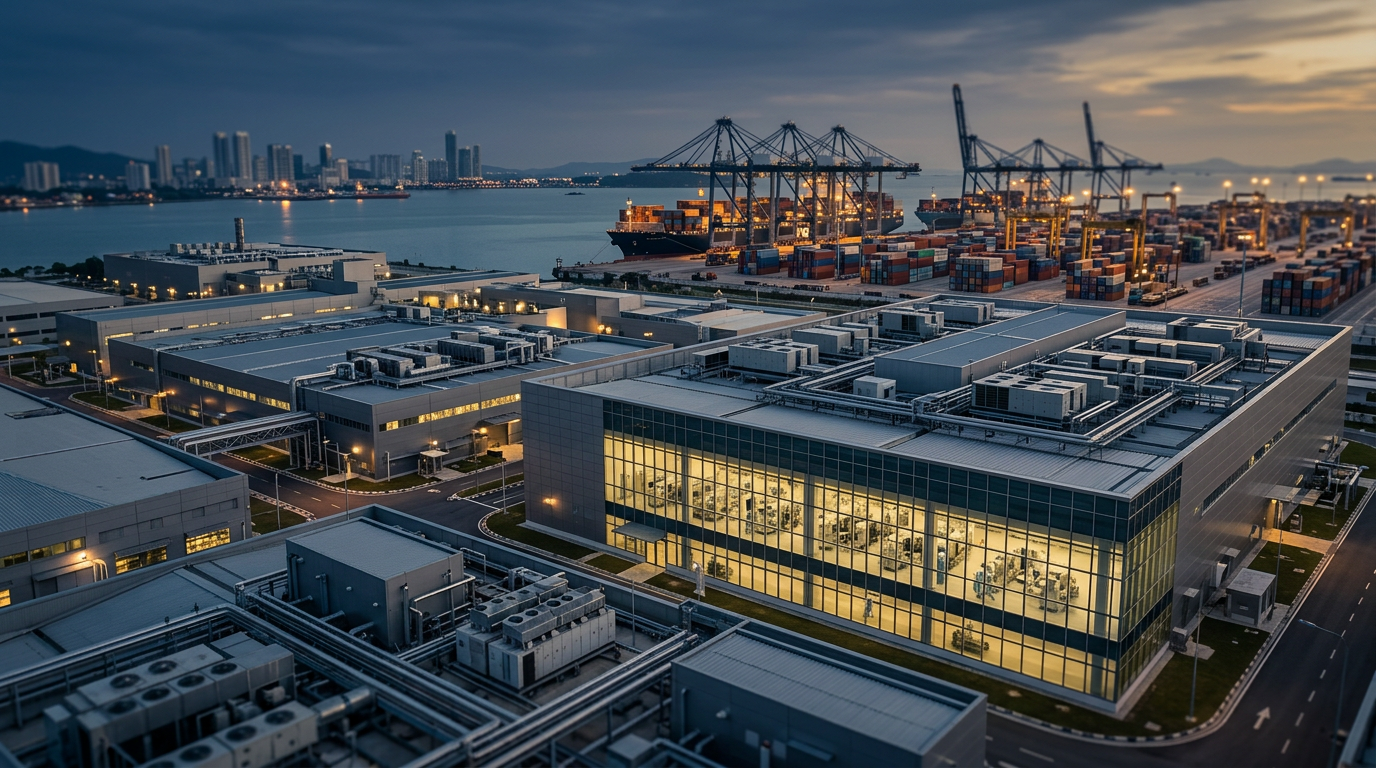
's Chip Boom and the Art of Managed Dependency
As Malaysia attracts billions in semiconductor investment, its success offers a case study in navigating global supply chain rivalries. The strategy reflects a core ASEAN challenge: managing economic integration with China while building strategic autonomy.
 Singapore
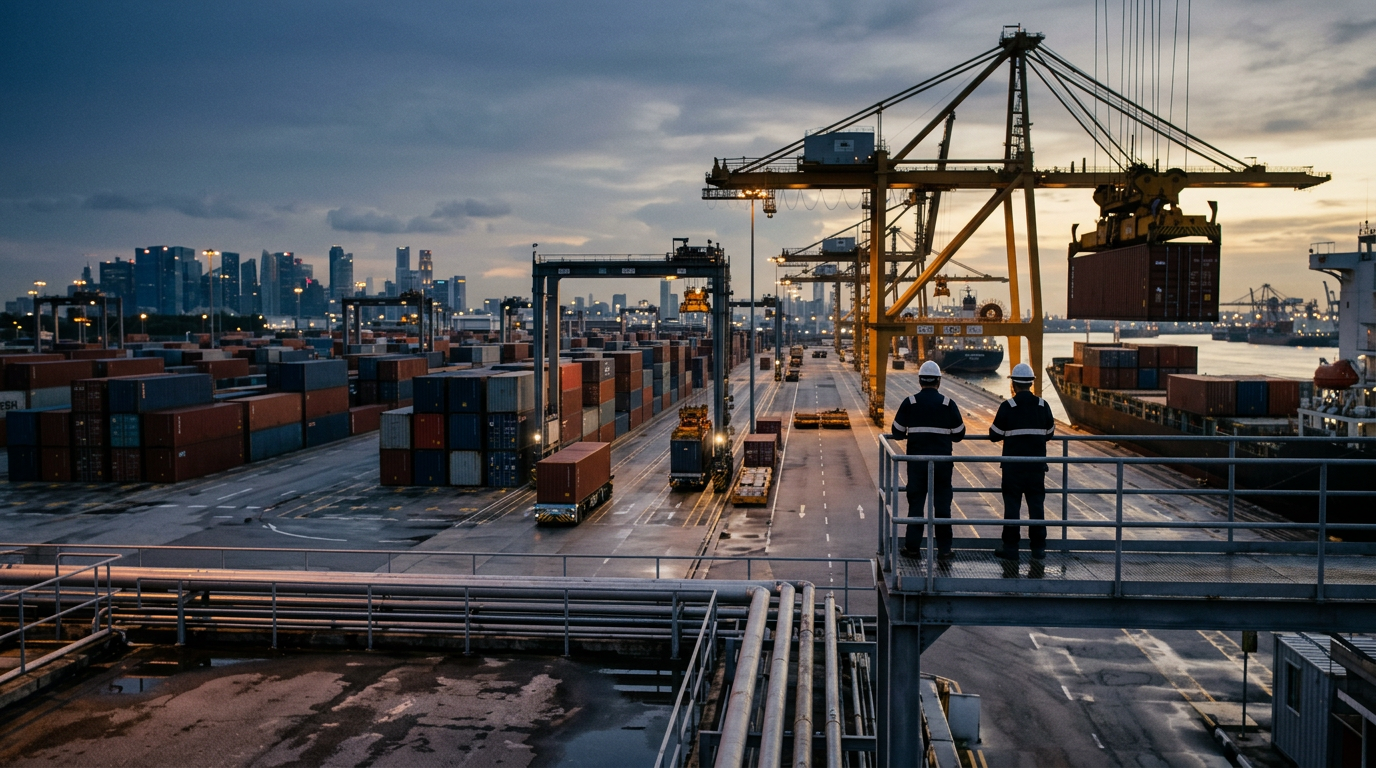
's Steady PMI Signals Deeper Institutional Strengths
A resilient PMI reading from Singapore points not just to semiconductor demand, but to the underlying power of a 'usable state' where execution and reliability have become a core comparative advantage.
 Vietnam
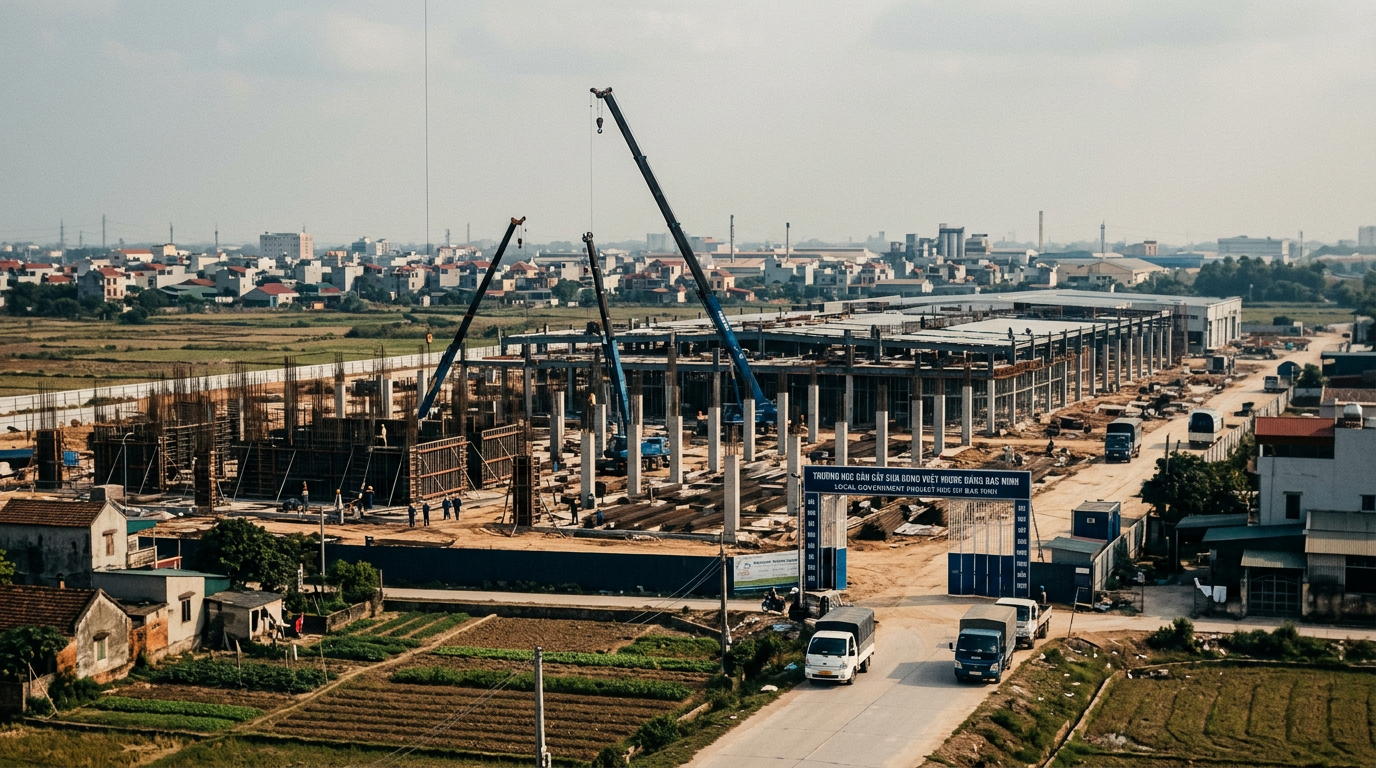
Beyond the Announcement: Samsung's Vietnam Plan and the FDI Litmus Test
A potential Samsung semiconductor facility in Vietnam puts the spotlight on a familiar ASEAN challenge: converting foreign direct investment announcements into operating realities. Success depends less on the initial headlines and more on the difficult work of improving.
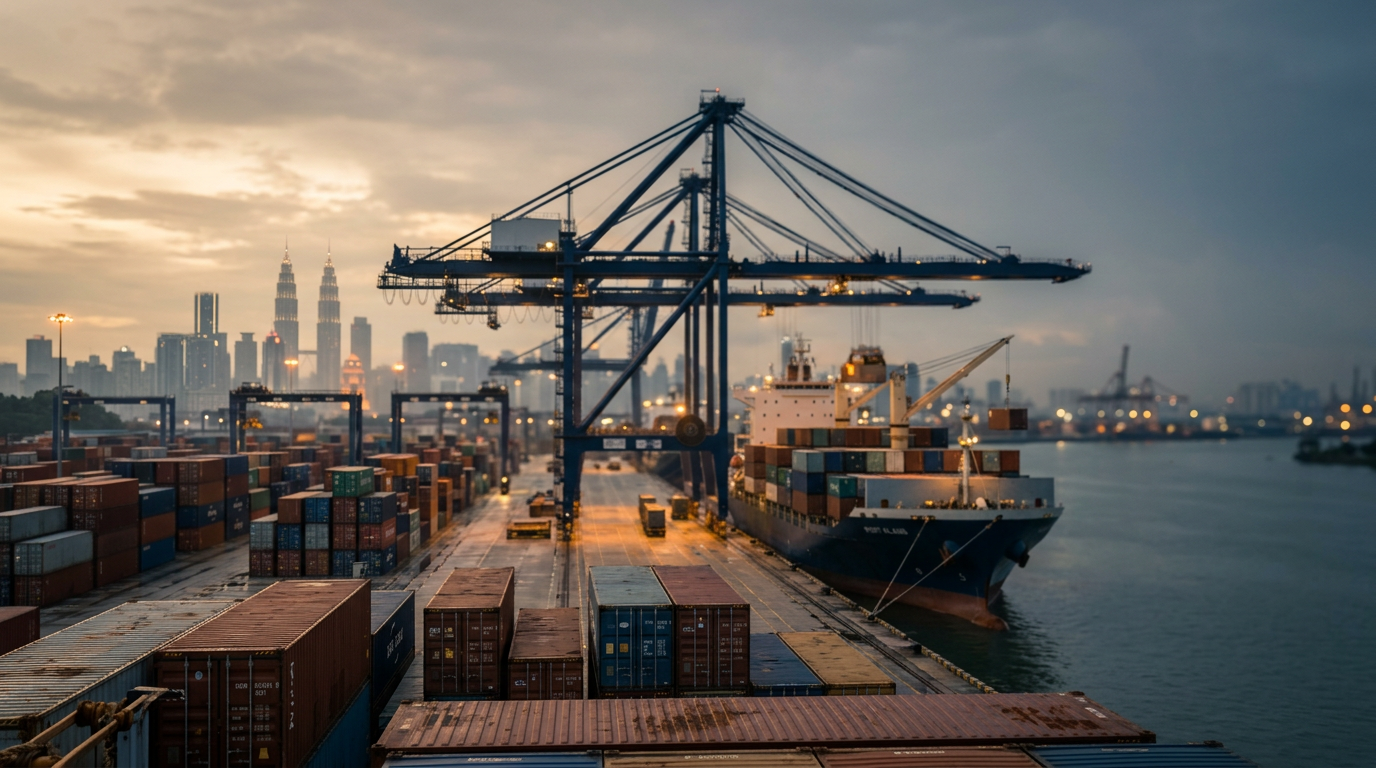 Malaysia
's $200 Billion Export Ambition and the China Question
Malaysia's ambitious electronics export goal highlights a core challenge for the region: how to deepen its role in global supply chains while managing its deep-rooted economic ties with China.
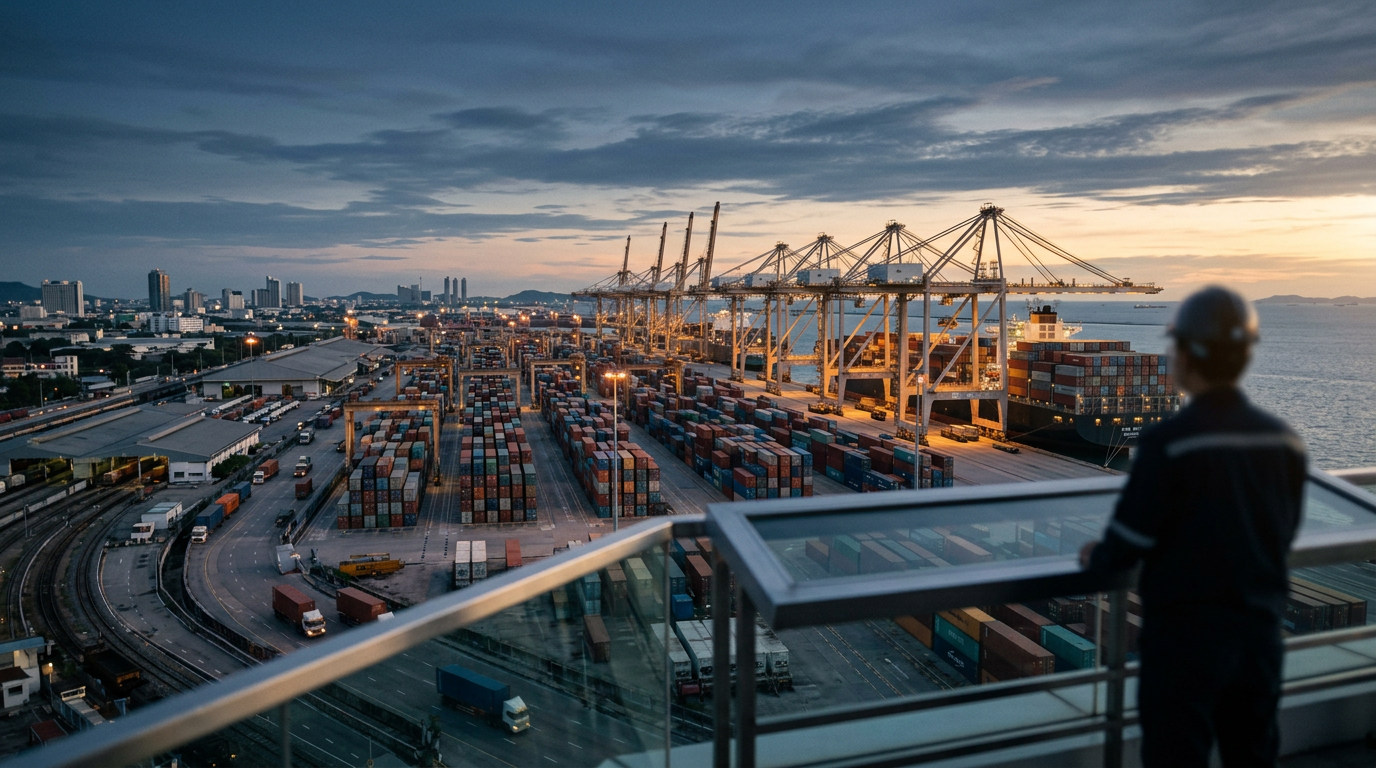 Thailand
's US Export Boom and the ASEAN Balancing Act
A recent surge in Thai exports to the US, reported by the Bangkok Post, offers a practical case study in how ASEAN members are managing economic statecraft between the United States and China.
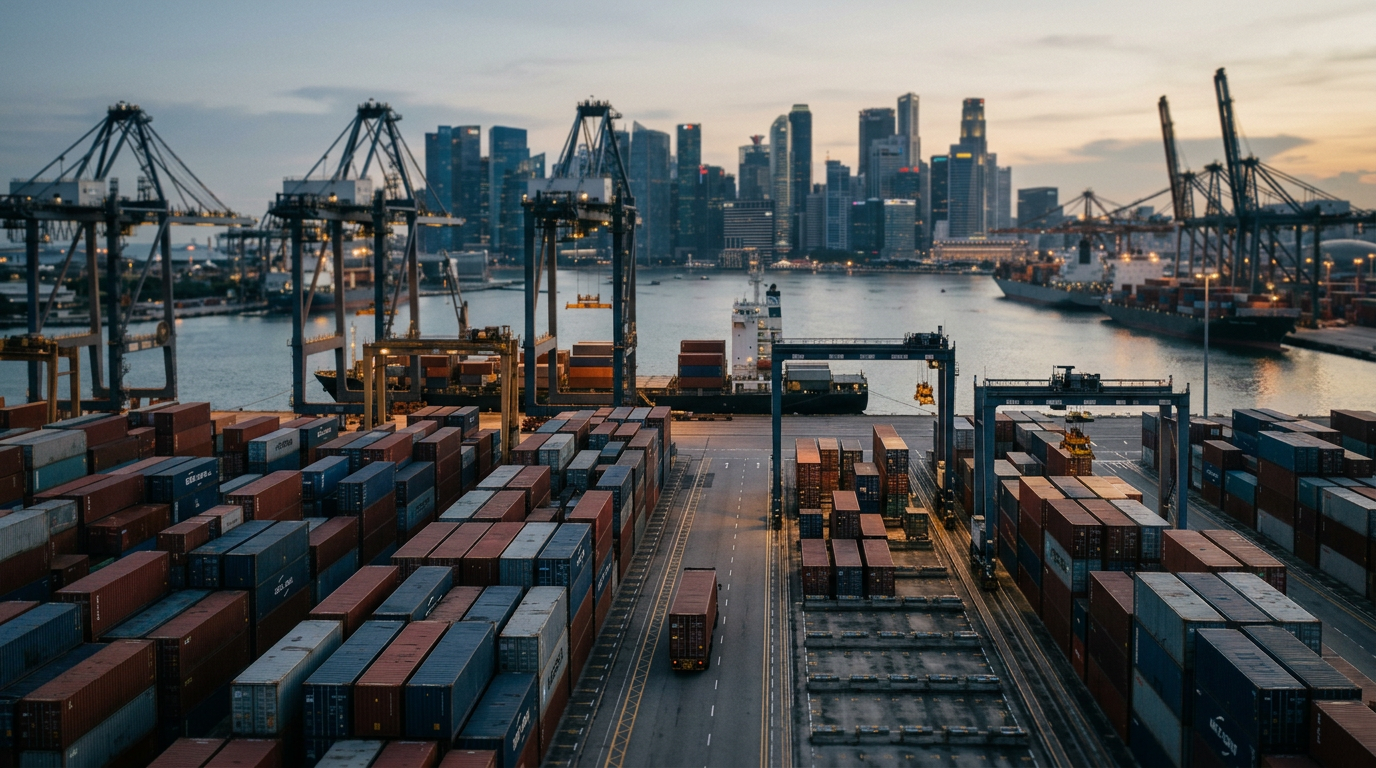 Singapore
 Navigates US Tariffs, A Test of ASEAN's China Strategy
New US tariffs highlight the delicate balance ASEAN nations must strike between their deep trade ties with China and strategic relationships with the West. The challenge lies in managing economic dependency while preserving strategic options.
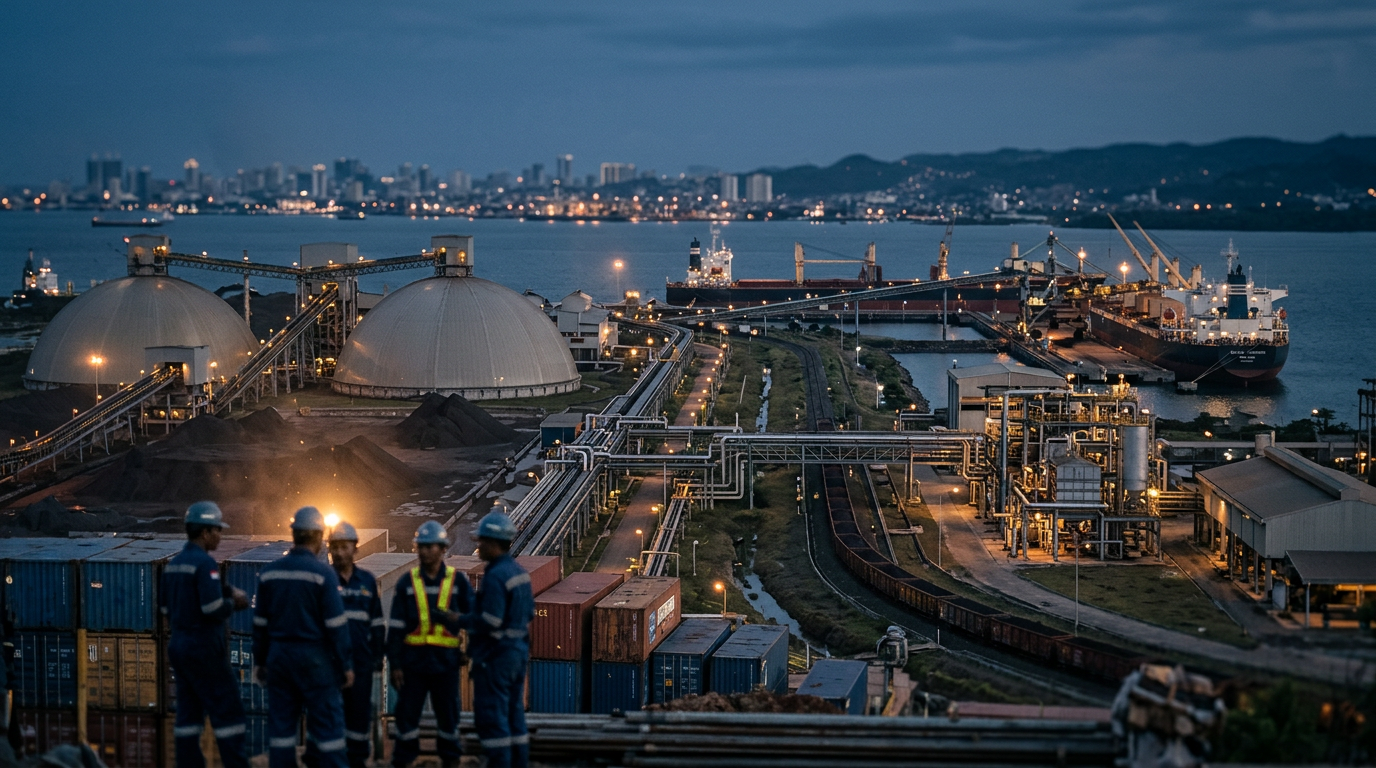
 Indonesia
n Metal Export Delays and the Push for Value
Indonesia's move to control its mineral exports is more than a logistical hurdle; it is a live test of the entire region's ability to manage its deep economic ties with China and move up the global value chain.
 Singapore
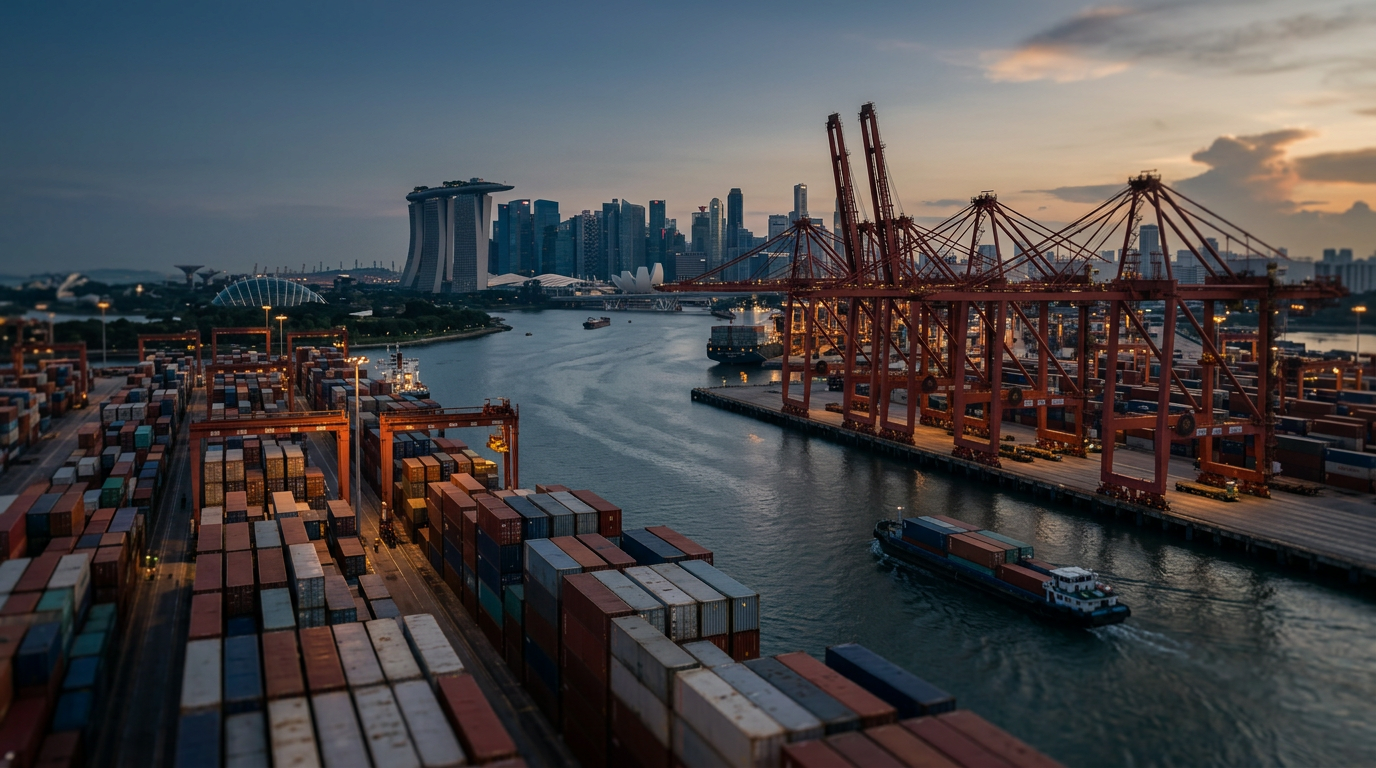
US Tariff Tests Singapore's Economic Statecraft
A recent US trade measure aimed at goods produced with forced labor has brought the complexities of great power politics to ASEAN's doorstep. For Singapore, the immediate economic impact may be contained, but the incident highlights a deeper strategic challenge discussed in.
 Singapore
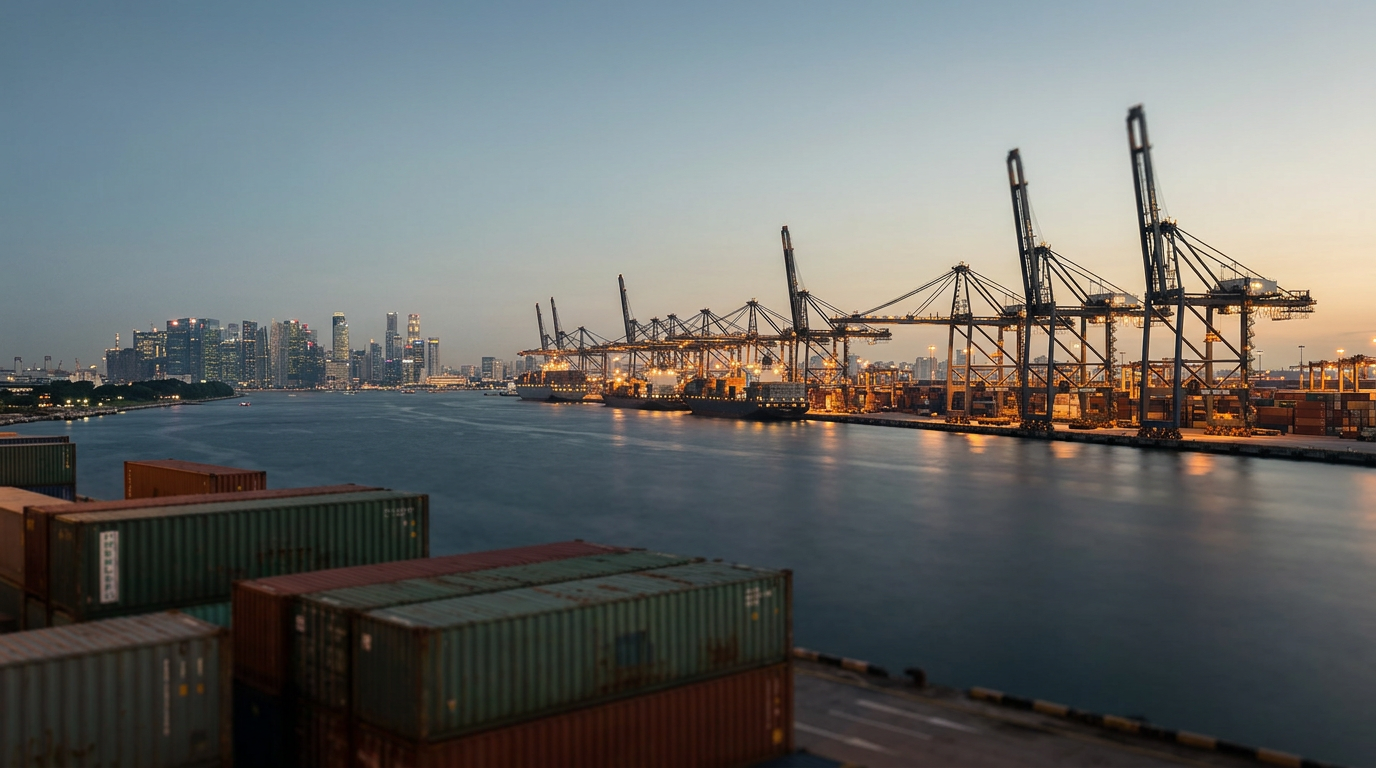
 Tariff Highlights ASEAN's Managed Dependency Challenge
A new US tariff on Singaporean goods over forced labor concerns is a stark reminder of the complexities ASEAN nations face in managing trade relationships with major powers, a central theme of ASEAN Rising.
 Myanmar
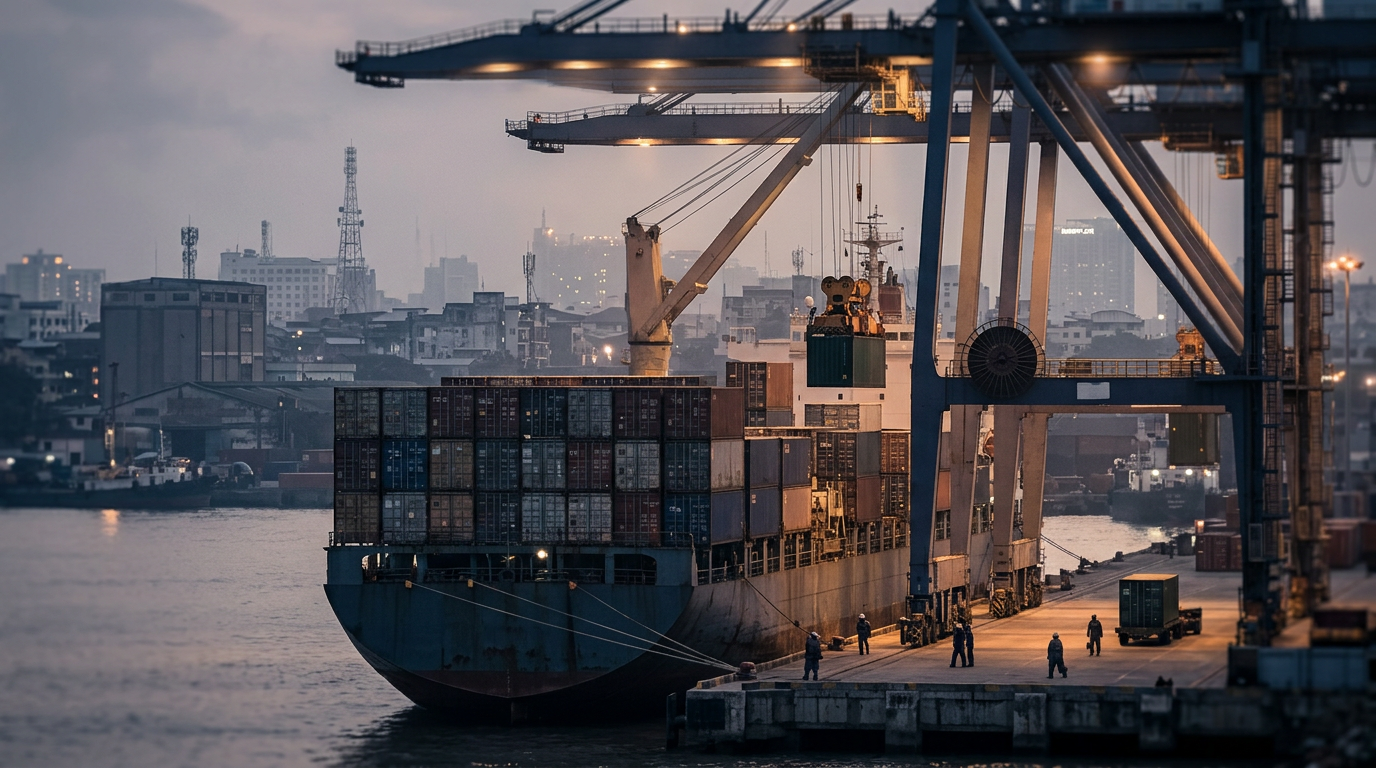
US Tariff Threats Test ASEAN's Managed Dependency on China
New US tariffs, aimed at 60 trading partners including potentially Southeast Asian nations, create a stark new reality. For ASEAN, this is a direct test of its long-standing strategy of managing deep economic ties with China while retaining strategic options.
 Thailand
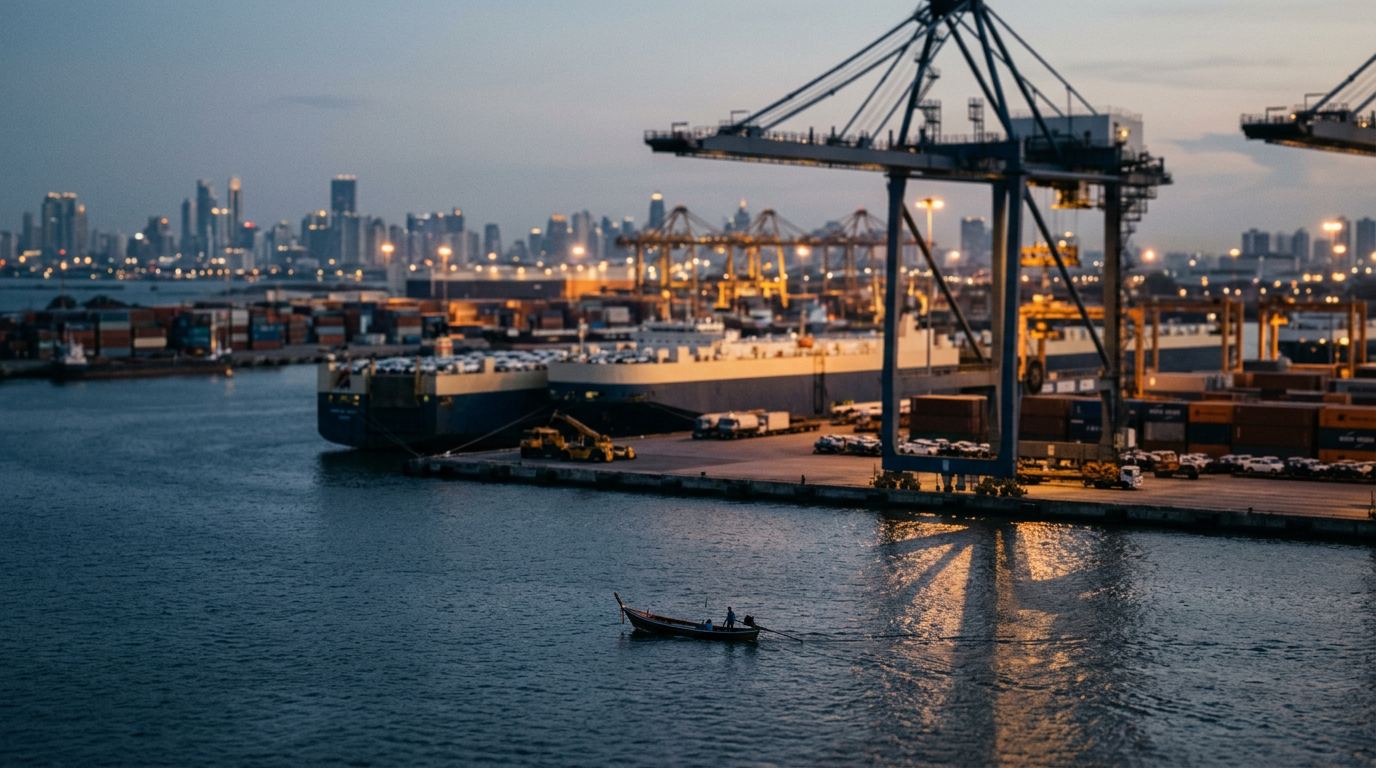
's Auto Export Shock Highlights a Deeper Dependency
A downgrade in Thailand's car production target reveals the vulnerability of export-led economies to distant geopolitical events, underscoring the broader strategic challenge for ASEAN nations in managing deep trade relationships.